Introduction
Watch any toddler pick up a crayon, and the entire hand usually wraps around the tool in a tight, determined fist. According to the Centers for Disease Control and Prevention developmental milestones, toddlers around age two typically begin to imitate vertical strokes and make spontaneous marks on paper, marking the exciting genesis of foundational writing behaviors. Many adults assume formal writing instruction begins with letters, yet occupational therapy insights reveal that foundational geometry comes first. Circles represent the universal stepping stone of pre-writing because the continuous curved line requires complex bilateral hand coordination, visual-motor integration, and sustained wrist rotation. Introducing circle shape activities for 2 year olds bridges the gap between chaotic scribbling and purposeful pencil control. The free printable circle shape activities for 2 year olds available here provide an accessible, developmentally matched entry point for early motor planning. It sounds simple, and that is precisely the point. Children need repetitive exposure to closed curves before their fingers possess the dexterity required for complex letter and number formations found in Alphabet And Numbers Tracing curricula. Through targeted practice, little hands build the intrinsic muscle tone necessary for lifelong academic success.
💡 Technical Key Takeaways:
- Core Focus: Diagnostic schematic and terminal connection layout for Circle Shape Activities For 2 Year Olds.
- Target Scope: Field technicians, automotive DIYers, and residential/commercial electricians.
- Safety Rule: Always disconnect the primary power source/battery terminal and verify zero voltage with a multimeter before touching wires.
What This Worksheet Covers
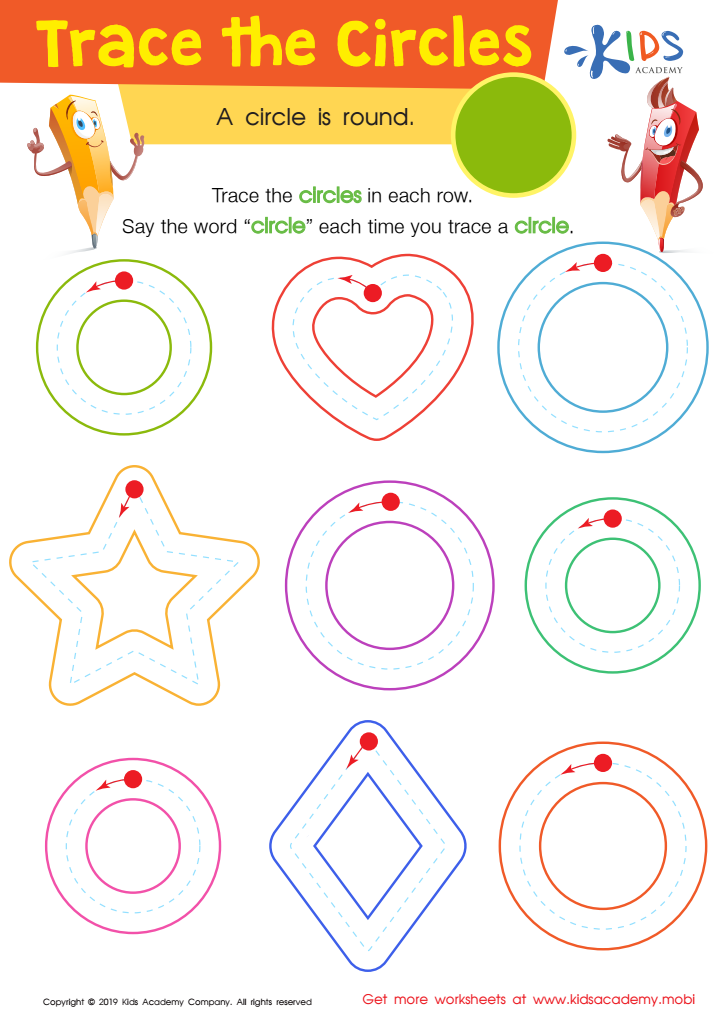
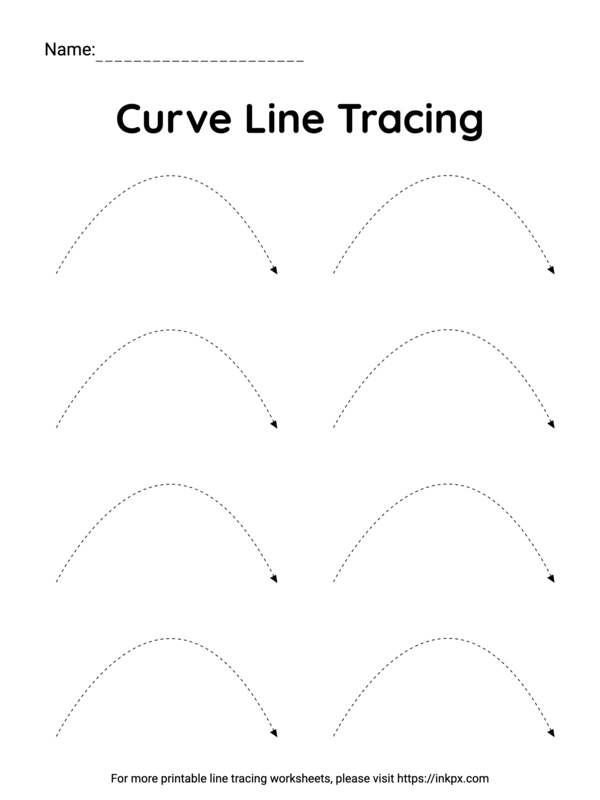
This printable resource focuses specifically on continuous curved lines, large circular paths, and closed shapes designed for early learners. The layout intentionally avoids overwhelming visual clutter, presenting generous, thick-lined circles that accommodate the natural imprecision of a two-year-old grip. Children encounter varied scaling options, transitioning from oversized singular outlines to clusters of concentric paths that encourage repeated looping motions. Here is what makes this worksheet different: rather than demanding immediate line perfection, the design embraces the natural circular scribbling phase while gently guiding the wrist toward a fluid, counter-clockwise trajectory. Practitioners often observe that many children recognize letters and shapes long before their fine motor skills can accurately form them, making low-pressure tracing assets invaluable for bridging this gap. The underlying philosophy prioritizes exploration, sensory engagement, and kinesthetic learning over rigid template adherence, establishing strong fundamentals applicable across broader Shape and Line Tracing progressions.
Key Learning Outcomes
Engaging with these circular exercises fosters profound neurological and physical advancements in young learners. Children develop enhanced hand-eye coordination as visual inputs guide active physical execution across the page. Bilateral integration improves significantly as one hand stabilizes the paper while the dominant hand executes continuous curved trajectories. Furthermore, tactile discrimination and spatial awareness expand naturally when little fingers trace boundaries, feel textured papers, or color within newly closed geometric frames. This continuous arc mastery serves as a direct precursor to forming curved letters such as c, o, s, and a, ensuring smoother transitions into more advanced Dotted Letters For Tracing exercises later in childhood.
How to Use This Worksheet
Success with early childhood printables depends entirely on the environment and the presentation method. Educators and caregivers should begin by securing the paper firmly to a flat tabletop using low-tack tape to prevent frustrating slips during enthusiastic strokes. Instead of handing over a standard pencil, offer thick beeswax crayons, short stubby markers, or scented finger paints to encourage a natural palmar or digital grasp. According to the American Occupational Therapy Association, providing writing tools that break or require a bit of pressure naturally encourages children to refine their finger placement and build intrinsic hand strength. Guide the little index finger along the printed path first, encouraging the child to make looping motor sounds to connect auditory input with physical movement before introducing drawing tools. When printed on heavy cardstock, the page transforms into a reusable surface for playdough snakes, buttons, or small counters, multiplying the value of the material.
Practical Tips for Parents and Teachers
Scaffolding young learners requires immense patience and an understanding of physical limitations. Break practice sessions into micro-moments lasting no longer than three to five minutes, stopping well before frustration sets in. Model the desired counter-clockwise motion in the air or on a vertical surface like an easel, which naturally engages wrist extension and shoulder stability. Offer gentle verbal prompts centered on movement quality rather than aesthetic perfection, celebrating every completed loop. For learners needing additional developmental support, pairing these sheets with tactile explorations found in Fine Motor and Pre-Writing Skills resources helps reinforce fundamental grip mechanics and spatial concepts.
Age-Appropriate Expectations
Aligned with the National Association for the Education of Young Children Developmentally Appropriate Practice guidelines, expectations for two-year-olds must remain rooted in sensory-motor exploration rather than academic product generation. At age two, children are firmly in the scribbling stage, often utilizing a whole-arm movement driven from the shoulder rather than isolated finger or wrist control. By ages three and four, this movement gradually refines into localized wrist and finger action, allowing for more deliberate shape imitation and tracing control. Older children in the five-to-eight range utilize similar foundational control for mastering complex compositions, names found within Word and Name Tracing printables, and Seasonal and Fun Themes activities. Recognizing these distinct developmental tiers ensures adults avoid pushing expectations prematurely.
Young children naturally develop the ability to imitate vertical strokes and basic circular scribbles between 24 and 36 months of age, forming the essential baseline for all subsequent handwriting development. — Centers for Disease Control and Prevention
Frequently Asked Questions
Explore More Free Printable Tracing Worksheets
Building a comprehensive foundation for early literacy and motor control requires a diverse toolkit of engaging exercises. Adults supporting developing writers can browse the complete, highly organized library of resources by visiting KidTraces.com for unlimited printing access. From foundational pre-writing strokes to advanced letter formation assets found across General Kidtraces collections, every printable is crafted with professional insight to support children seamlessly at every developmental milestone.
Quick Wiring Specifications & Terminal Guide
| Component / Circuit | Standard Wire Gauge | Recommended Protection |
|---|---|---|
| Control & Trigger Signals | 18 – 20 AWG | 5A – 7.5A Inline Fuse |
| Standard Auxiliary Load | 14 – 16 AWG | 15A – 20A Circuit Breaker |
| Main Power Feed / Supply | 10 – 12 AWG | 30A – 40A Heavy-Duty Relay |
Images References