Introduction
Many children recognize letters, shapes, and patterns long before their fine motor control allows them to form those same strokes on paper. According to the American Occupational Therapy Association, foundational fine motor skills—such as hand strength, bilateral coordination, and finger dexterity—are essential precursors to functional handwriting and academic success. This developmental gap often frustrates eager learners who want to write but lack the precise muscle control required for standard pencil tasks. Introducing engaging, theme-based printables bridges this gap by transforming repetitive pencil practice into an imaginative journey through space. The solar system tracing lines provide targeted pre-writing practice that captures curiosity while naturally building the hand strength needed for lifelong writing readiness.
💡 Educational Key Takeaways:
- Core Skill: Structured Solar System Tracing Lines focused on developing pencil grip, stroke control, and early literacy/math confidence.
- Target Scope: Suited for homeschoolers, preschool, kindergarten, and elementary learners.
- Best Recommendation: Practice 10–15 minutes daily with ergonomic writing tools to reinforce muscle memory without hand fatigue.
What This Worksheet Covers
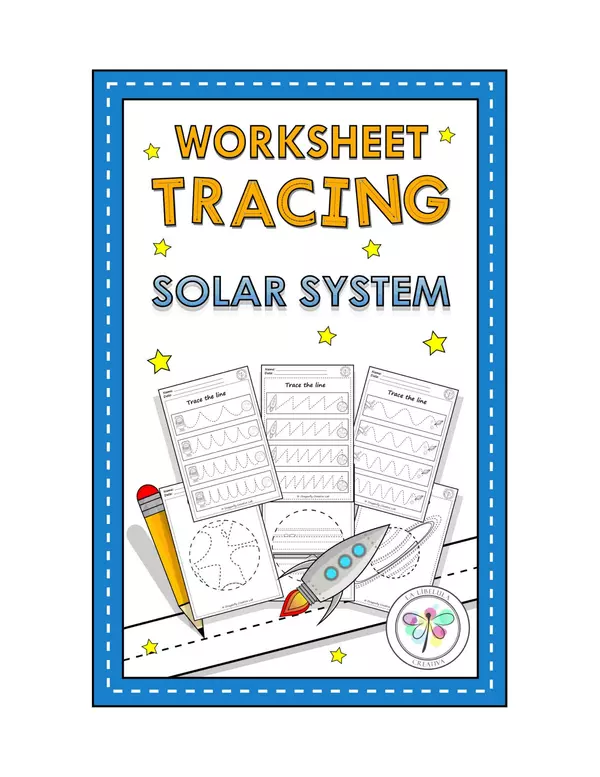
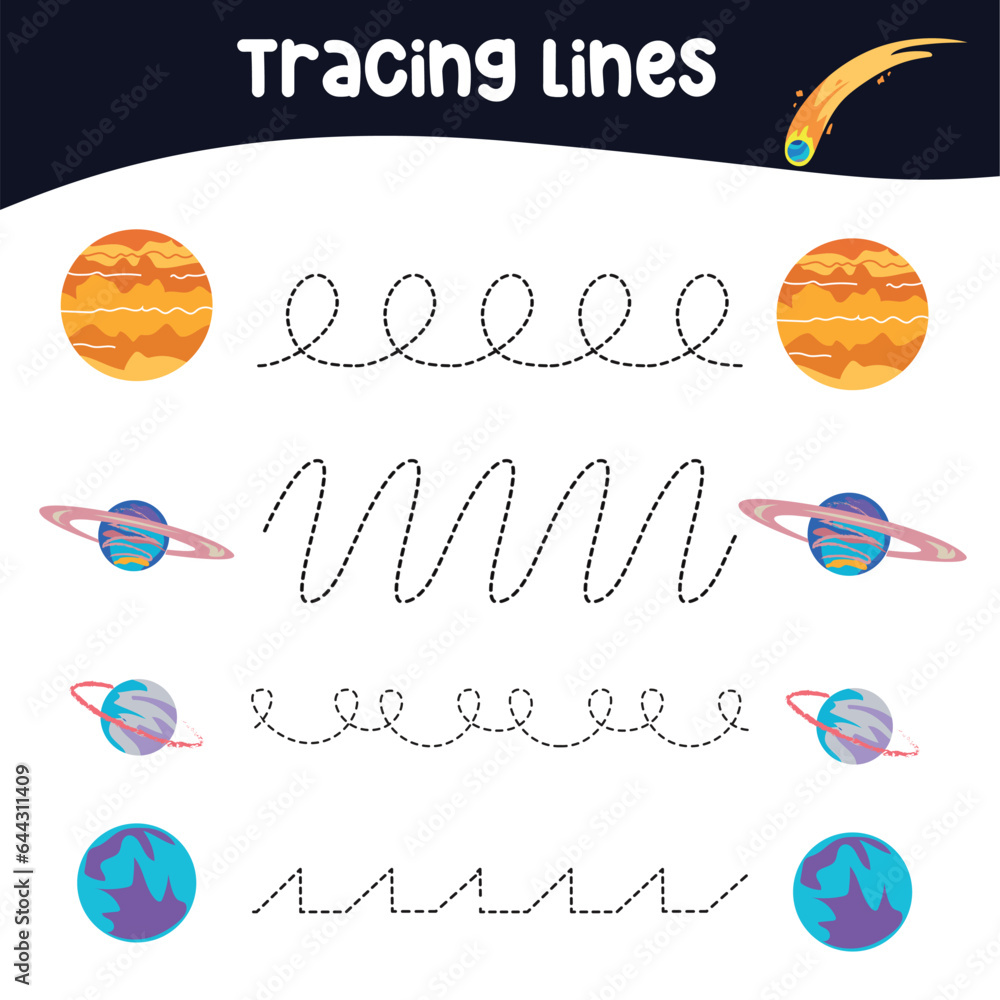
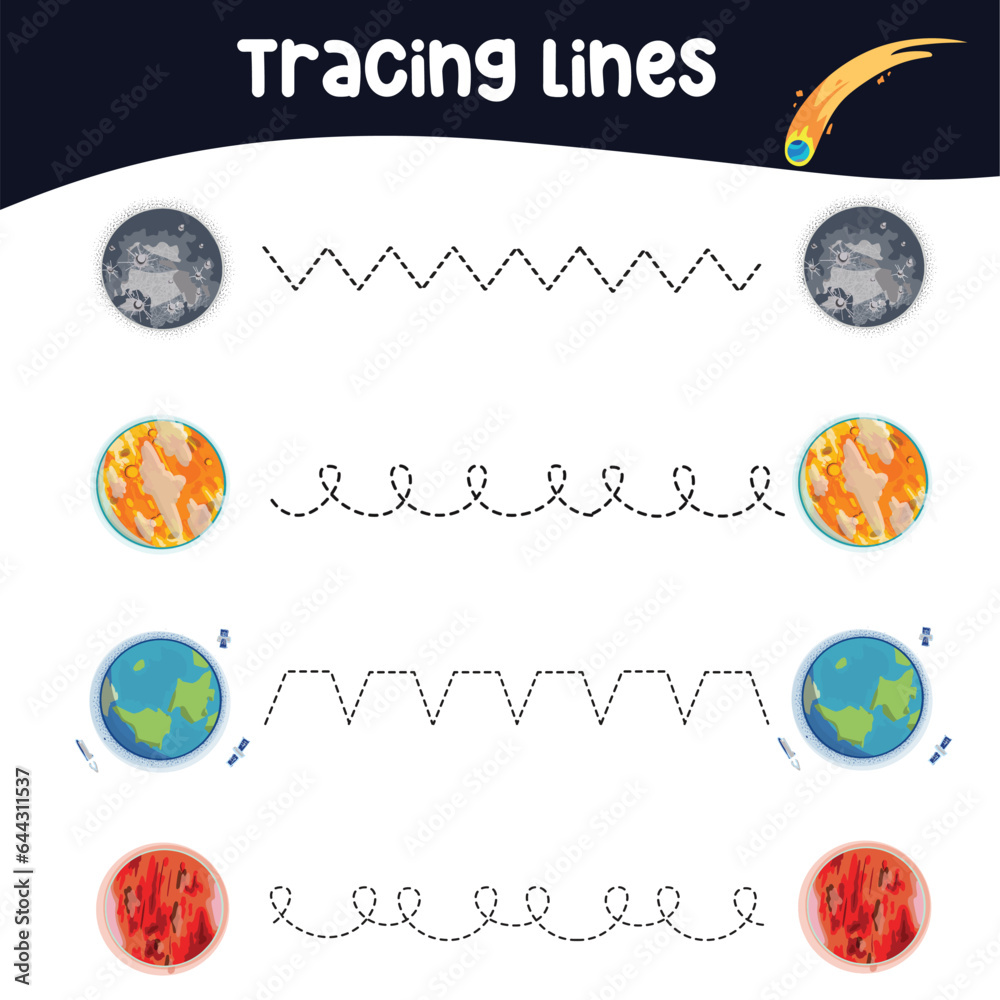
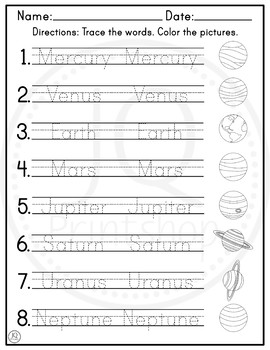
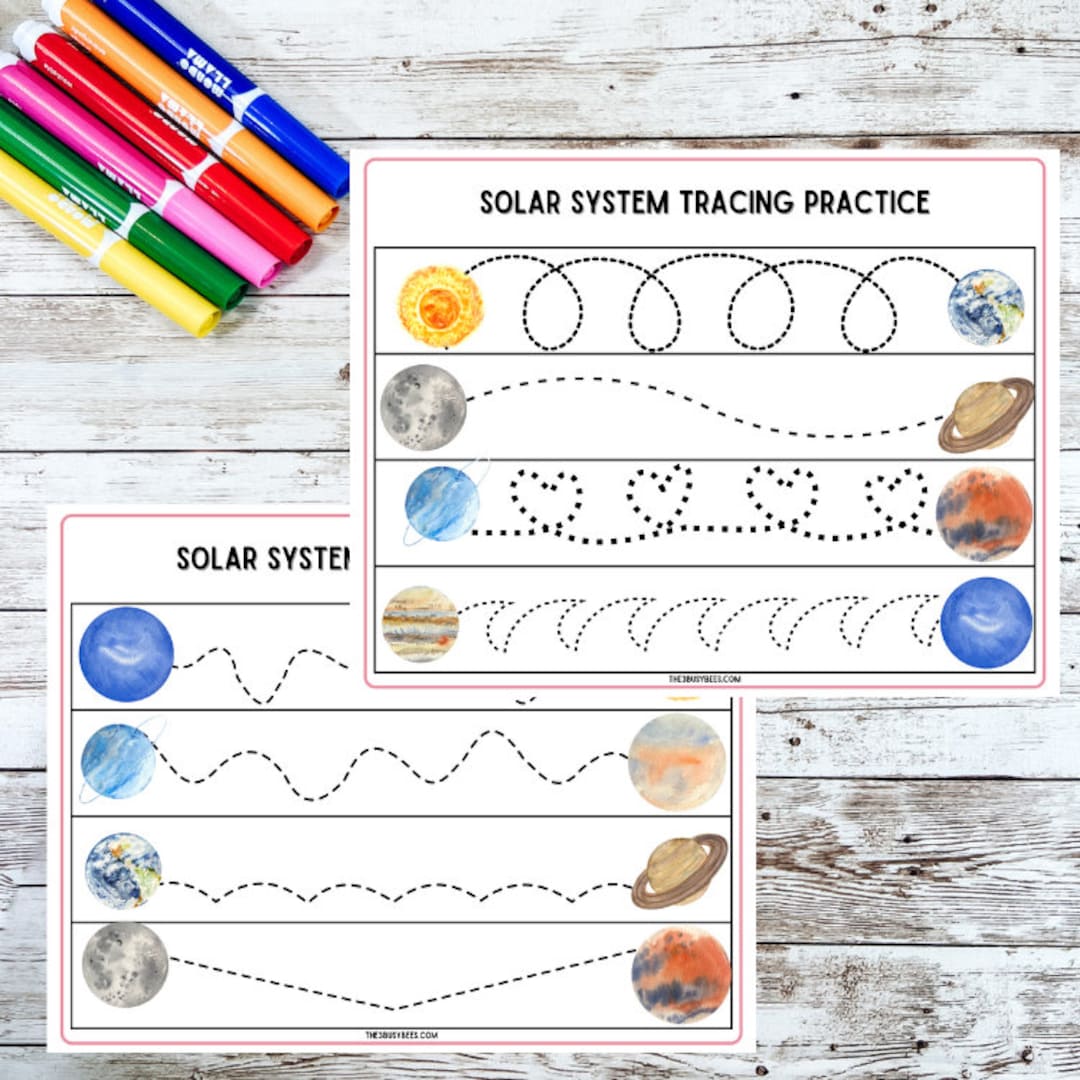
This celestial resource introduces a variety of stroke pathways inspired by orbits, rockets, and planetary paths, transforming standard pre-writing drills into an exciting outer space adventure. It focuses on directional control, visual-motor integration, and sustained pencil pressure through horizontal, vertical, diagonal, curved, and looped trajectories. Children guide rockets from Earth to distant planets, following dotted lines that gradually increase in complexity to challenge growing hands. Furthermore, weaving captivating themes into pencil control exercises keeps motivation high when tiny fingers begin to tire. Exploring these outer space motifs allows educators and families to observe how children approach visual tracking, spatial awareness, and fluid hand movements across the page. For more related activities, check out our Prek Parallel Lines.
Key Learning Outcomes
Targeted engagement with these cosmic pathways yields substantial developmental gains across several critical areas. First, learners strengthen the intrinsic hand muscles responsible for maintaining a functional tripod grasp during extended writing tasks. Second, the exercises foster visual-motor integration, teaching the brain and eyes to work in harmony to guide the hand accurately along a predetermined path. Third, children develop directional awareness, practicing the left-to-right progression foundational for reading and writing fluency. Finally, completing these lines builds crucial frustration tolerance and persistence, transforming a challenging physical task into an enjoyable, rewarding accomplishment.
How to Use This Worksheet
Success with pre-writing materials relies heavily on presentation, posture, and pacing rather than rushing to finish the page. Placing the sheet on a stable flat surface ensures the non-dominant hand can properly stabilize the paper while the dominant hand draws. According to the National Association for the Education of Young Children, young children learn best through active exploration and play-based skill reinforcement, making it wise to keep practice sessions brief and joyful. Transforming the pencil into a zooming rocket ship or a silent satellite immediately invites imaginative storytelling, which naturally increases the time a child willingly spends engaging with the pencil.
Practical Tips for Parents and Teachers
Adults can significantly improve a child’s pencil control by establishing supportive physical habits from the very beginning. Modeling an efficient three-finger grasp and offering short, thick writing tools like broken crayons or short markers helps prevent hand fatigue and discourages awkward finger lock. Scaffolding the experience involves starting with large, sweeping physical movements in the air before moving down to the paper, helping the brain map the trajectory. Extending the activity might include laying out tactile materials like yarn or playdough along the printed tracks before picking up any writing utensils. Celebrating small victories, such as staying close to the dotted line or maintaining steady pressure, reinforces positive associations with writing tasks.
Age-Appropriate Recommendations
Developmental readiness dictates how children interact with pre-writing activities across the early childhood spectrum. For younger learners aged two to four, who fall under the early exploration milestones outlined by the Centers for Disease Control and Prevention, larger dashed lines and open-ended looping paths allow for gross motor engagement and basic palmar or digital grasps. Children aged five to eight require greater precision, utilizing narrower tracks and complex orbital shapes that align with early elementary handwriting standards. Adapting the expectations to match the physical maturity of the hand ensures that tracing remains an empowering developmental exercise rather than a frustrating chore.
Foundational fine motor skills—such as hand strength, bilateral coordination, and finger dexterity—are essential precursors to functional handwriting and academic success. — American Occupational Therapy Association
Frequently Asked Questions
Answers to common inquiries regarding the implementation of planetary tracing sheets help maximize their educational value at home and inside the classroom.
Explore More Free Printable Tracing Worksheets
Expanding a child’s collection of engaging printables provides ongoing opportunities to refine dexterity, focus, and foundational writing mechanics across diverse subjects. Exploring the comprehensive library available at KidTraces.com reveals countless options designed to support every developmental milestone. Discover targeted practice sessions through categories like Shape and Line Tracing for foundational stroke control, or explore foundational letter control with Dotted Letters For Tracing. To build overall manual dexterity and pencil stamina, browse the specialized resources found under Fine Motor and Pre-Writing Skills. Every carefully curated page offers a fresh pathway toward confident, lifelong literacy and coordination skills.
Developmental Milestone & Activity Table
| Development Stage | Recommended Daily Duration | Primary Learning Objective |
|---|---|---|
| Preschool & Pre-K | 10 – 15 Minutes | Pencil grip development & basic pre-stroke lines |
| Kindergarten | 15 – 20 Minutes | Letter/number formation & spatial line awareness |
| Early Elementary (Grade 1–2) | 20 – 30 Minutes | Fluency, sentence construction & neatness |
Images References