Introduction
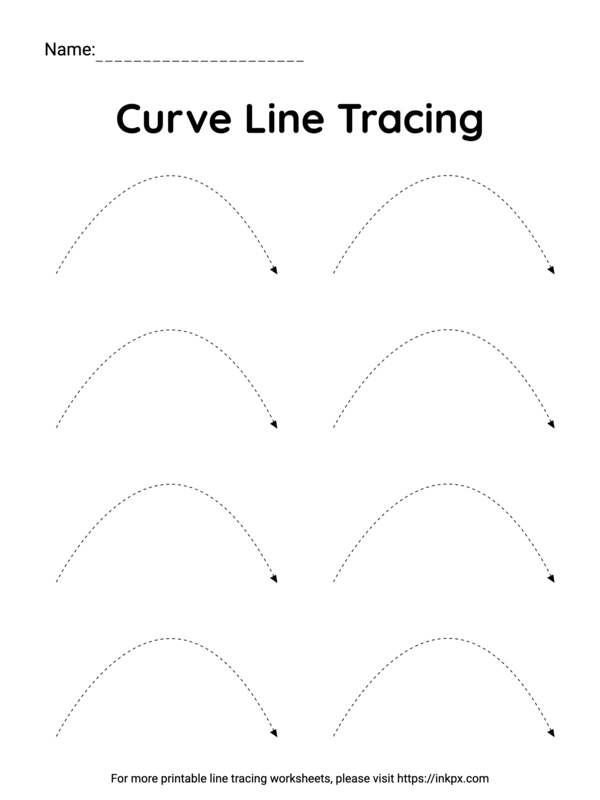
Many children recognize shapes, symbols, and letters long before their fine motor stamina and hand muscles can actually form them on traditional paper. According to the American Occupational Therapy Association, foundational hand strength and visual-motor integration are crucial prerequisites for successful handwriting development. Bridging this gap requires low-stakes practice environments where mistakes disappear instantly and experimentation is encouraged. Shape tracing using laminated sheets provides the ideal sensory-motor bridge for young learners building pencil control. It sounds simple, and that is precisely the point. Removing the permanence of paper lowers anxiety, inviting children to repeat vertical, horizontal, diagonal, and curved strokes until the motion becomes automatic. Teachers and therapists constantly search for reusable tools that withstand enthusiastic toddler hands while offering genuine skill-building value. This printable resource transforms ordinary tracing practice into an engaging, tactile experience that prepares little fingers for complex writing tasks ahead.
💡 Educational Key Takeaways:
- Core Skill: Structured Shape Tracing Using Laminated Sheets focused on developing pencil grip, stroke control, and early literacy/math confidence.
- Target Scope: Suited for homeschoolers, preschool, kindergarten, and elementary learners.
- Best Recommendation: Practice 10–15 minutes daily with ergonomic writing tools to reinforce muscle memory without hand fatigue.
What This Worksheet Covers
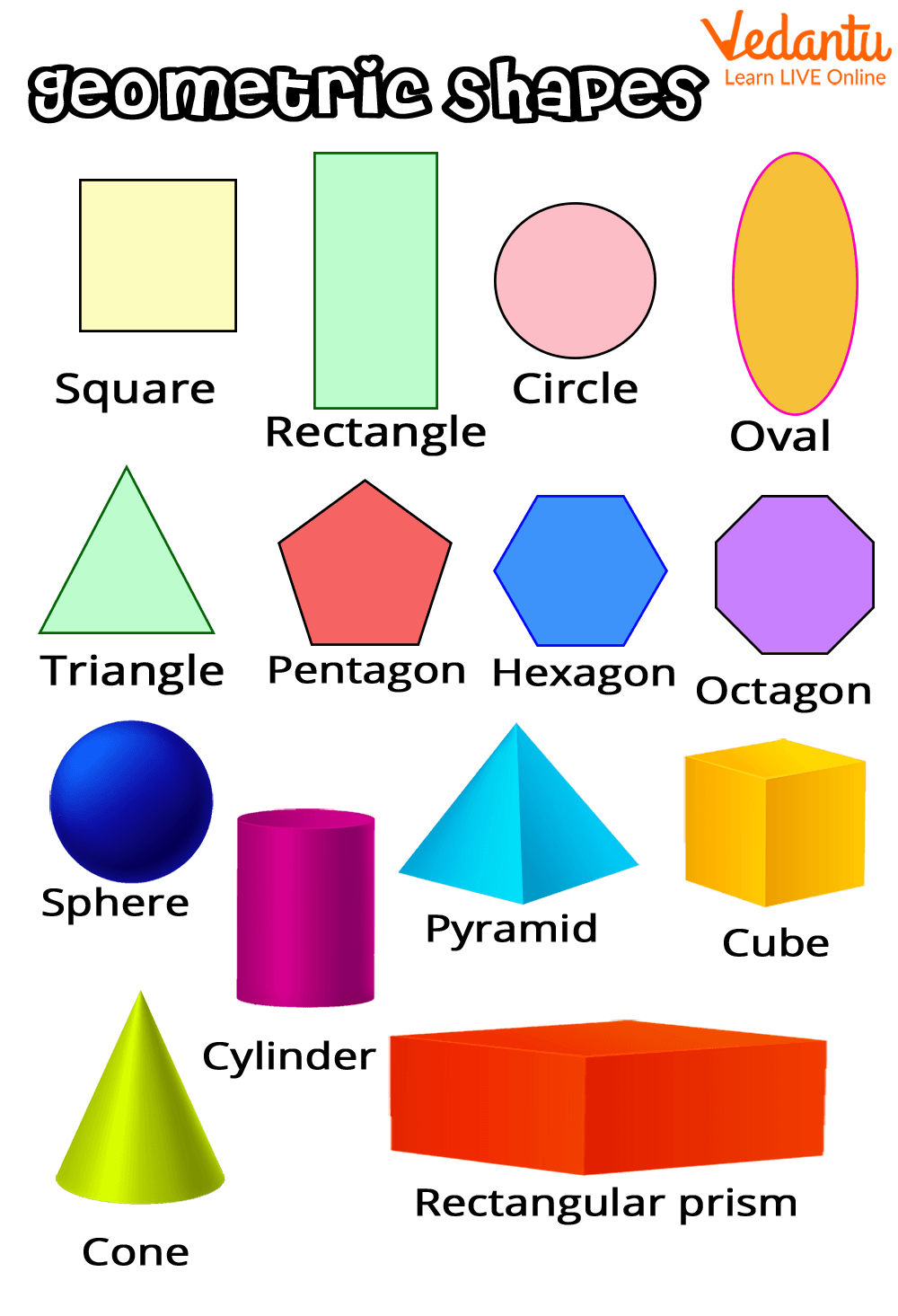
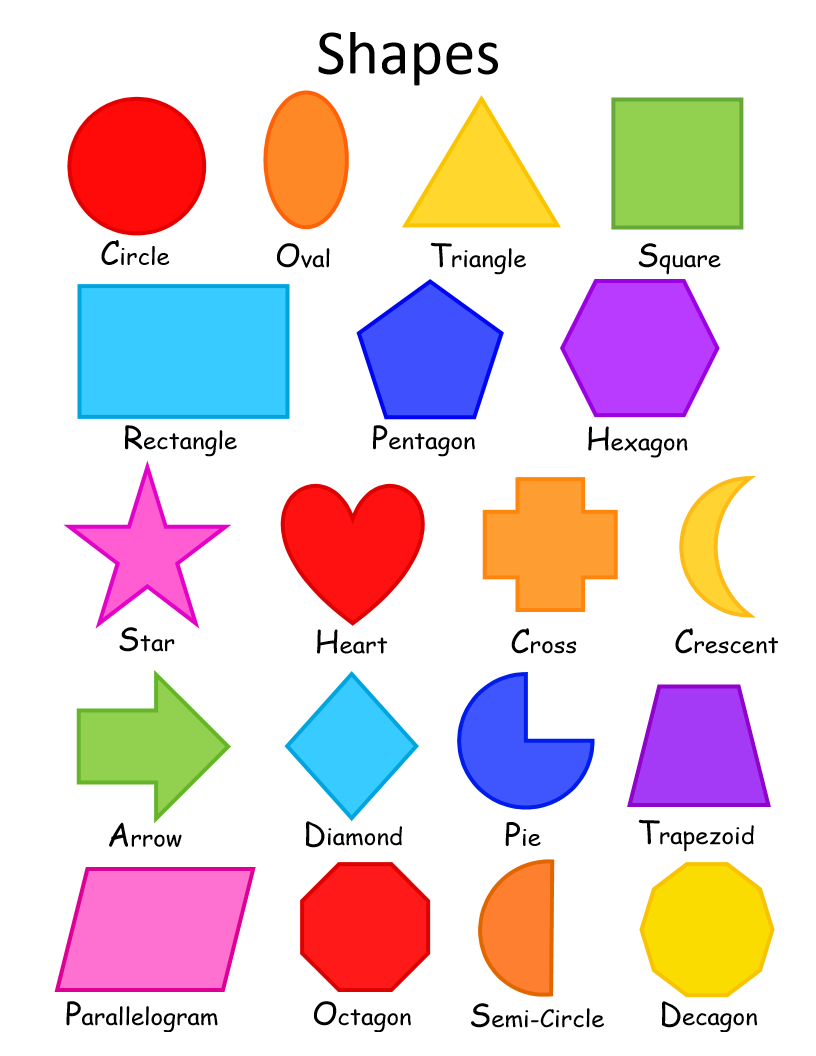
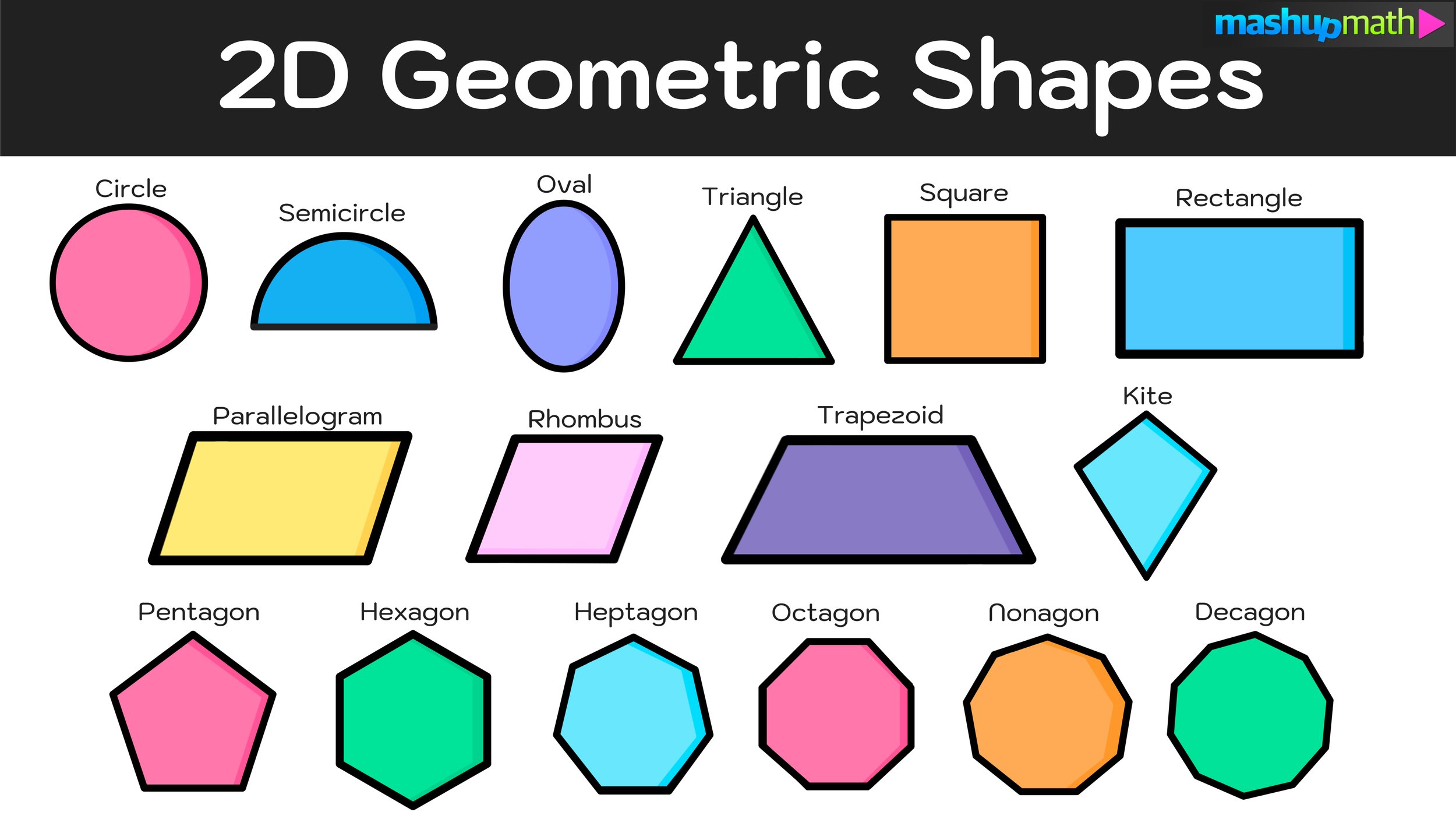
This specific collection focuses on fundamental geometric shapes, including circles, squares, triangles, rectangles, and diamonds, which serve as the building blocks for all letters and numbers. Working through these distinct forms teaches hands how to navigate corners, manage continuous curves, and cross the visual midline without fatigue. When placed inside a plastic sleeve or run through a thermal laminator, the printable transforms into a sturdy, endlessly wipeable canvas. Children use dry-erase markers or thin crayons to trace the paths, receiving immediate visual and haptic feedback. Here is what makes this worksheet different: the tactile glide of a marker over smooth plastic offers less friction than paper, making it easier for developing hands to complete a full stroke without stopping. By mastering basic shapes on a reusable surface, learners gain the spatial awareness and wrist stability required for Shape and Line Tracing activities across the curriculum.
Key Learning Outcomes
Repeated engagement with laminated templates yields measurable improvements in dexterity, visual attention, and pencil management. Children naturally refine their pencil grip as they intentionally stabilize the laminated sheet with their non-dominant hand, practicing essential bilateral coordination skills. The process strengthens the small intrinsic muscles of the hand, particularly the thumb, index, and middle fingers responsible for a dynamic tripod grasp. Learners also develop superior visual-motor integration by coordinating eye movements with hand actions to stay on the dotted path. Furthermore, tracing closed shapes teaches concepts of spatial boundaries, directionality, and continuous fluid motion, setting the stage for more advanced Fine Motor and Pre-Writing Skills progression as children grow.
How to Use This Worksheet
Preparation requires printing the templates on heavy cardstock and running them through a laminator, or slipping standard paper into heavy-duty clear plastic sheet protectors. Providing low-odor dry-erase markers or wet-erase markers works wonderfully, though wet-erase options prevent accidental smudging from active palms resting on the page. Set up the workspace on a flat, stable surface where the child can sit with feet flat on the floor and elbows resting comfortably at a ninety-degree angle. Encourage starting each shape at the designated visual cue or arrow, tracing slowly rather than rushing through the lines. If a marker skips or squeaks, wipe the surface clean with a soft cloth and try again. For children exploring broader concepts, pairing these templates with Tracing Worksheets creates a comprehensive, well-rounded early writing station.
Practical Tips for Parents and Teachers
Scaffolding the experience ensures frustration stays low and confidence remains high throughout the learning process. Adults should model the correct pencil grip first, demonstrating how three fingers pinch the barrel while the ring and pinky fingers rest gently on the table. Break longer sessions into short, five-minute bursts to prevent hand cramping and maintain high engagement levels. When a child struggles with sharp corners like those found in triangles, guide their hand gently through the pivot point a few times before letting go. Extend the activity by having children trace the shapes with a damp cotton swab or their index finger dipped in paint before using a marker. Celebrate successful stroke completion enthusiastically, focusing effort and persistence rather than absolute perfection on the laminated page.
Age-Appropriate Recommendations
According to the National Association for the Education of Young Children Developmentally Appropriate Practice framework, children aged two to four benefit most from large, gross-motor-informed pre-writing strokes, vertical lines, and simple circles. Toddlers at this stage often use a palmar or digital pronate grasp, so thick dry-erase markers or chunky crayons work best on laminated sheets. Children aged five to eight transition toward refined visual-motor tasks, mastering complex geometric intersections, triangles, and diamonds with a mature tripod grasp. Educators working with kindergarten and early elementary students can use these laminated sheets for independent morning tubs, occupational therapy warm-ups, or small-group intervention centers. Tailoring the writing instrument to the child’s developmental age ensures physical comfort and prevents strain during practice.
Foundational hand strength and visual-motor integration are crucial prerequisites for successful handwriting development. — American Occupational Therapy Association
Frequently Asked Questions
Explore More Free Printable Tracing Worksheets
Building a robust toolkit for early literacy and motor control does not have to be expensive or complicated. Educators, parents, and caregivers looking for additional resources can explore the growing collection available through KidTraces.com for daily inspiration. Every child develops at an individualized pace, and having access to diverse, reusable practice materials makes all the difference in fostering a lifelong love of learning. Discover supplementary tools ranging from seasonal challenges to foundational stroke builders by visiting the main library of General Kidtraces.
Developmental Milestone & Activity Table
| Development Stage | Recommended Daily Duration | Primary Learning Objective |
|---|---|---|
| Preschool & Pre-K | 10 – 15 Minutes | Pencil grip development & basic pre-stroke lines |
| Kindergarten | 15 – 20 Minutes | Letter/number formation & spatial line awareness |
| Early Elementary (Grade 1–2) | 20 – 30 Minutes | Fluency, sentence construction & neatness |
Images References