Introduction
Watch any group of preschoolers, and one notices that many children recognize letters and shapes long before their fine motor skills can actually form them on paper. According to the American Occupational Therapy Association, foundational pencil control relies heavily on the development of intrinsic hand muscles and proximal stability before complex symbol formation can occur. Adults often rush straight into letter formation, missing the crucial developmental stepping stones that prepare hands for sustained writing tasks. The vertical and horizonal line tracing free resource bridges that exact gap. It focuses attention on the foundational strokes that underpin every letter of the alphabet and every numerical digit. Structured tracing materials offer a reliable pathway for young learners to master pencil pressure, spatial awareness, and visual-motor integration without the frustration of complex letter shapes. Early childhood classrooms and home learning spaces thrive when children build confidence through simple, repeatable geometric lines before tackling demanding writing tasks.
💡 Educational Key Takeaways:
- Core Skill: Structured Vertical And Horizonal Line Tracing Free focused on developing pencil grip, stroke control, and early literacy/math confidence.
- Target Scope: Suited for homeschoolers, preschool, kindergarten, and elementary learners.
- Best Recommendation: Practice 10–15 minutes daily with ergonomic writing tools to reinforce muscle memory without hand fatigue.
What This Worksheet Covers
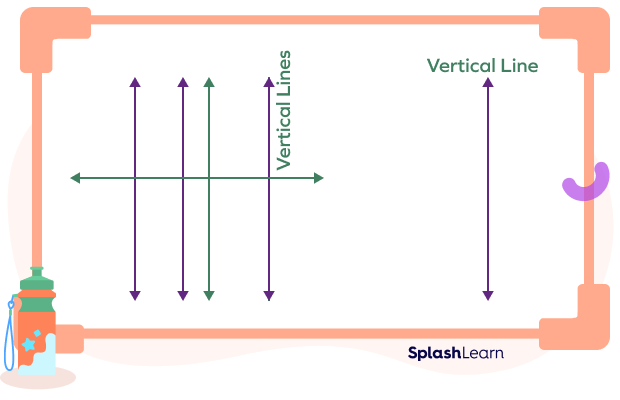
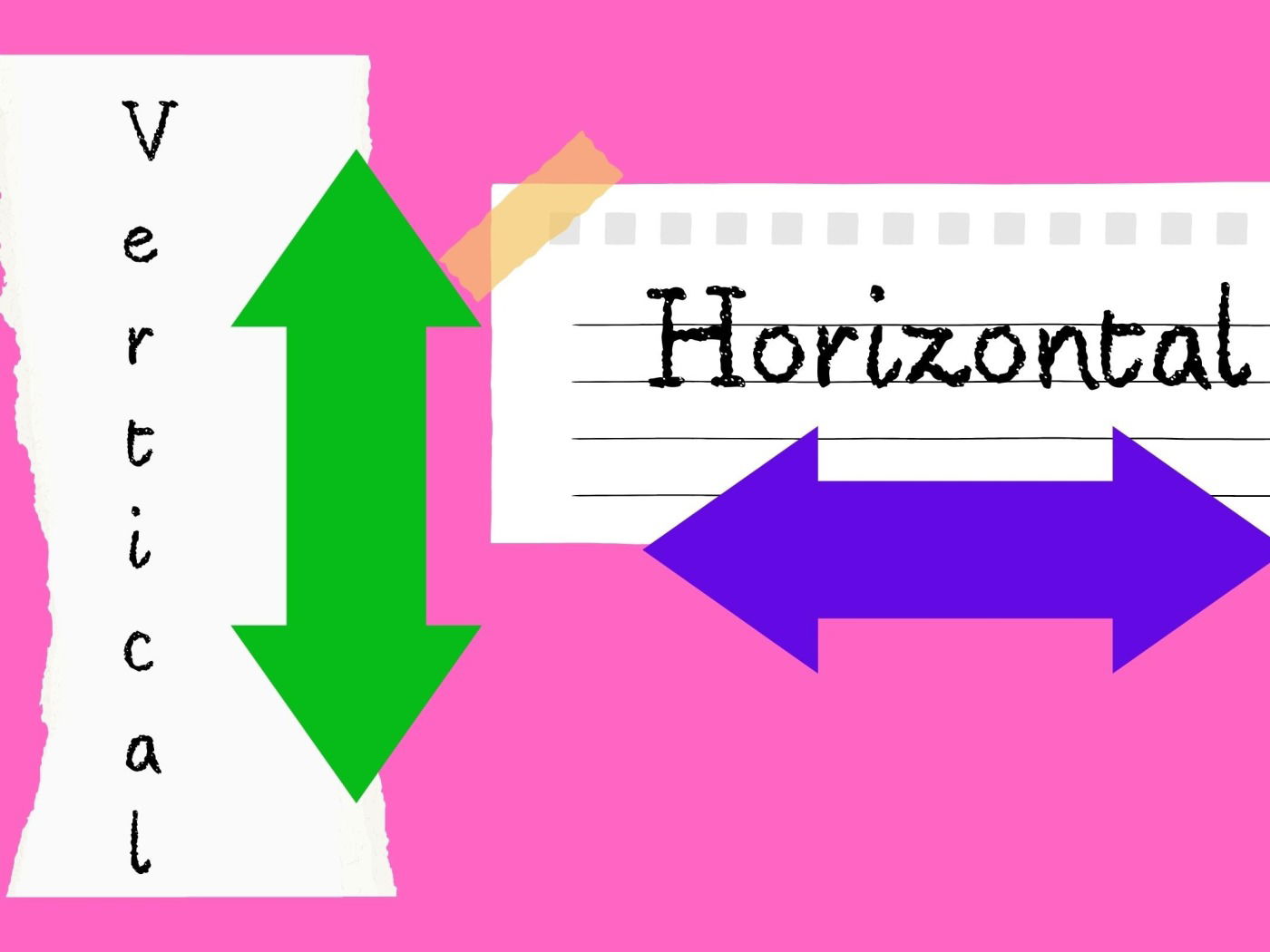
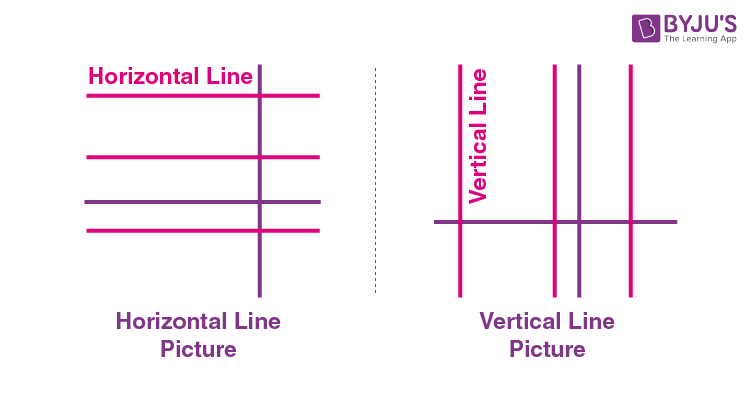
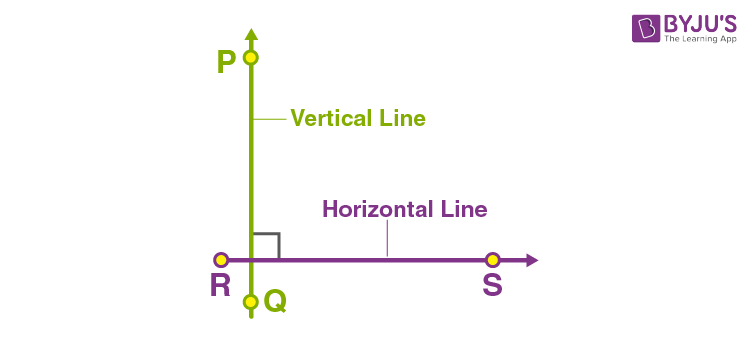
Pencil control begins with mastery over basic directional paths, making stroke foundational mechanics the bedrock of early writing instruction. This printable targets straight paths running up and down as well as side to side, training the hand and eye to work in unison across a two-dimensional surface. It sounds simple, and that is the point. When children practice tracking vertical and horizontal lines, they learn to coordinate wrist movement, visual scanning, and finger adjustments. Many early learners struggle with spatial boundaries, often drifting off the intended path because the intrinsic muscles of the hand fatigue too quickly. Consistent practice with straightforward geometric patterns helps stabilize the hand, fostering the muscle memory required for more advanced Shape and Line Tracing activities. The layout intentionally minimizes visual clutter so that attention stays fixed purely on pencil movement, directional tracking, and maintaining a steady grip from start to finish.
Key Learning Outcomes
Working through these exercises yields several distinct developmental milestones for young learners. Visual-motor integration improves as the eyes guide the hand to stay precisely within defined boundaries. Crossing the midline naturally occurs as children draw horizontal lines spanning the page, a fundamental neurological skill necessary for reading and writing fluently across a sheet of paper. Hand-eye coordination sharpens with every completed stroke, teaching the brain to translate visual cues into controlled physical movements. Furthermore, children develop essential bilateral coordination, utilizing a non-dominant stabilizing hand to hold the paper steady while the dominant hand executes the tracing motion. These integrated outcomes lay a rock-solid foundation for future Fine Motor and Pre-Writing Skills development.
How to Use This Worksheet
Success with pre-writing sheets depends heavily on the physical environment and the tools placed in the child’s hands. Short, thick pencils or broken crayons work wonders because they naturally encourage a functional tripod or quadripod grasp rather than a tight, fisted grip. Paper placement also matters immensely; tilting the paper slightly to match the natural angle of the child’s forearm prevents wrist strain and awkward hand positions. Adults should introduce the sheet by demonstrating a slow, deliberate tracing motion, emphasizing starting points at the top or left side to reinforce natural reading and writing directionality. Let the child trace the lines with an index finger first to build tactile familiarity before introducing a writing utensil.
Practical Tips for Parents and Teachers
Here is what makes this worksheet different: it supports adaptive scaffolding for every developmental stage. For children who tire easily or experience frustration, sliding the printed sheet inside a heavy-duty clear dry-erase pocket allows them to trace with a colorful dry-erase marker. The tactile glide of a marker requires less downward pressure, keeping hand fatigue at bay while offering an easy way to wipe away mistakes and try again. When observing a child grip a pencil, gentle prompts work better than physical corrections; placing a small sticker on the thumb and the pencil shaft helps the child remember proper finger placement. For advanced learners, challenge them to trace the lines using non-traditional tools like a cotton swab dipped in paint or a small paintbrush, which tests stability under different sensory conditions and builds deeper engagement with broader Tracing Worksheets collections.
Age-Appropriate Recommendations
According to the National Association for the Education of Young Children Developmentally Appropriate Practice guidelines, children aged two to four benefit most from gross-motor pre-writing experiences and large-scale line tracing that emphasizes whole-arm movement from the shoulder and elbow. At this early stage, expecting precise finger-led control leads to unnecessary physical tension and negative associations with writing tasks. Transitioning into ages five through eight, children align with early elementary standards where fine motor control shifts to the wrist and fingers. During these school-age years, the focus pivots toward precision, maintaining a consistent line width, and executing clean, deliberate strokes without stopping or lifting the writing tool mid-path. This gradual progression ensures that children build physical endurance alongside cognitive readiness.
Young children develop foundational motor control and visual-motor integration through repetitive, structured geometric tracing tasks before mastering complex letter formation. — American Occupational Therapy Association
Frequently Asked Questions
Clear guidance helps caregivers maximize the educational value of early writing practice.
Explore More Free Printable Tracing Worksheets
Building confident writers is a gradual journey that benefits from a wide variety of engaging practice materials. Exploring a comprehensive library of resources ensures that children never grow bored and always have access to appropriate challenges tailored to their exact developmental stage. Discover hundreds of complimentary printables designed to support every step of the early literacy journey by visiting the complete collection at KidTraces.com today.
Developmental Milestone & Activity Table
| Development Stage | Recommended Daily Duration | Primary Learning Objective |
|---|---|---|
| Preschool & Pre-K | 10 – 15 Minutes | Pencil grip development & basic pre-stroke lines |
| Kindergarten | 15 – 20 Minutes | Letter/number formation & spatial line awareness |
| Early Elementary (Grade 1–2) | 20 – 30 Minutes | Fluency, sentence construction & neatness |
Images References