Introduction
Many children recognize letters, numbers, and geometric shapes long before their fine motor skills can actually form them on paper. According to the American Occupational Therapy Association, foundational visual-motor integration and pencil control are essential prerequisites that must be developed before complex handwriting tasks can be mastered successfully. Bridging this gap requires purposeful tools that do not overwhelm developing hands. The large print rectangle worksheet serves as a vital bridge in early childhood classrooms and home learning spaces alike. It sounds simple, and that is the exact point. By stripping away visual clutter and providing generous boundaries, children can focus entirely on the physical mechanics of tracing and line control. Explore foundational tools within Shape and Line Tracing to support early spatial awareness.
💡 Educational Key Takeaways:
- Core Skill: Structured Large Print Rectangle Worksheet focused on developing pencil grip, stroke control, and early literacy/math confidence.
- Target Scope: Suited for homeschoolers, preschool, kindergarten, and elementary learners.
- Best Recommendation: Practice 10–15 minutes daily with ergonomic writing tools to reinforce muscle memory without hand fatigue.
What This Worksheet Covers
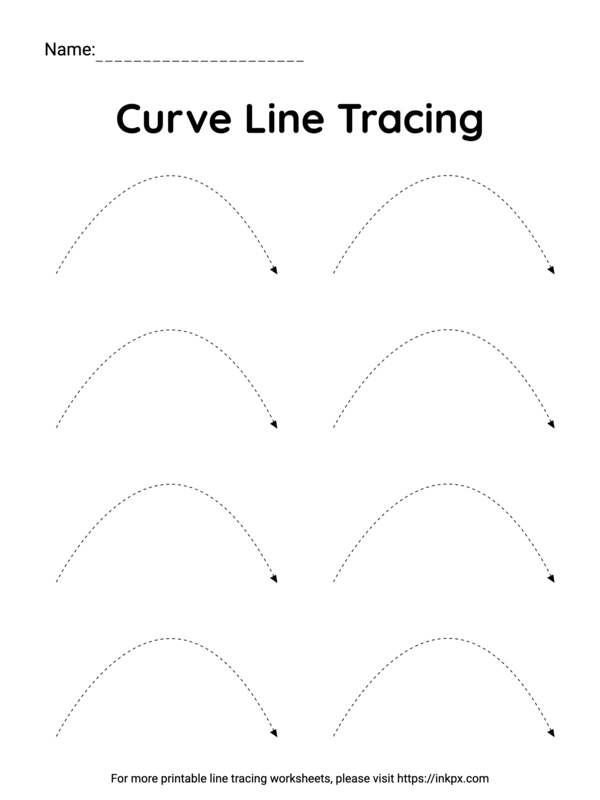
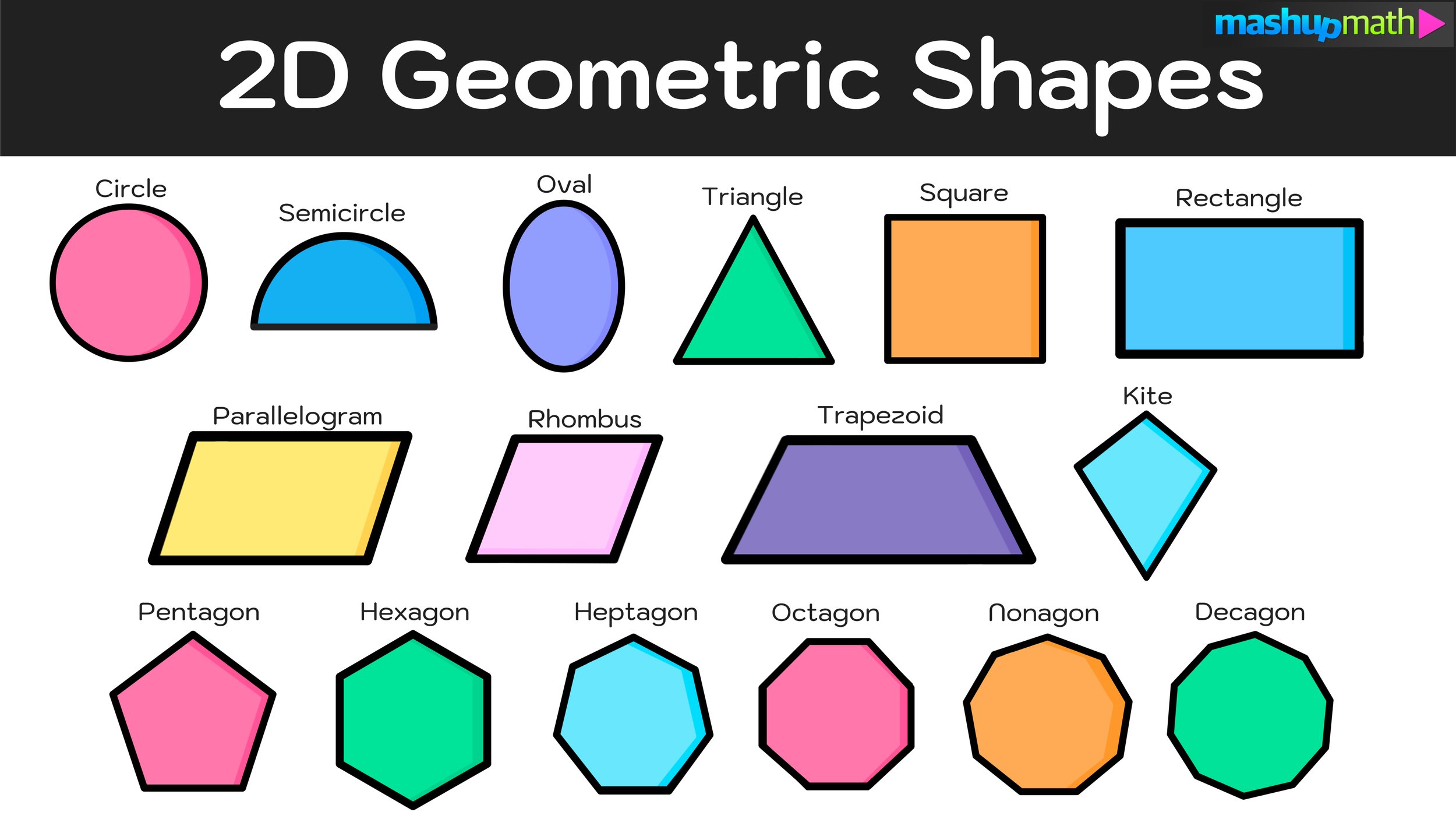
Geometric shapes form the visual and structural alphabet for future writing, architecture, and mathematics. This particular resource highlights the rectangle, featuring crisp, bold lines and an oversized format that accommodates varying degrees of motor control. Children frequently struggle with sharp corners and directional shifts, making rectangles an ideal intermediate step between curved shapes and complex letterforms. The generous sizing ensures that elbows, wrists, and fingers have adequate room to execute fluid movements without hitting cramped margins. Furthermore, the thick outlines provide clear visual boundaries that help train the eye to guide the hand. Practitioners often observe that larger formats reduce the frustration commonly associated with standard, cramped worksheets. Additional resources for foundational pencil control are available under Fine Motor and Pre-Writing Skills.
Key Learning Outcomes
Working through geometric tracing exercises fosters robust spatial awareness, bilateral coordination, and steady visual-motor integration. As a child drags a writing tool along the crisp borders of the shape, intrinsic hand muscles engage to maintain consistent pressure and deliberate pacing. Navigating the four distinct ninety-degree corners teaches intentional stopping, pivoting, and directional redirection, which directly translates to forming letters like B, D, and R later on. Crossing the midline naturally occurs as hands travel horizontally across the page, reinforcing critical neurological pathways between the left and right hemispheres of the brain. According to the National Association for the Education of Young Children, active manipulation of simple geometric forms supports early cognitive development and mathematical readiness in preschoolers.
How to Use This Worksheet
Implementation should always prioritize process over perfection, allowing young learners to explore the tactile feedback of the page at their own pace. Begin by securing the paper to the table using low-tack tape to prevent frustrating sliding, which frees the non-dominant hand to stabilize the page actively. Encourage children to start at the designated visual starting point, usually marked with a friendly arrow or dot, to build consistent left-to-right habits. For children who tire quickly, slip the printout into a heavy-duty dry erase sleeve and let them trace with a chunky marker before moving to standard pencils. This low-stakes approach invites experimentation and easy correction. Broader thematic tracing concepts can also be discovered within Seasonal and Fun Themes for added engagement.
Practical Tips for Parents and Teachers
Observing hand placement during practice helps adults identify when a child requires scaffolding versus independent exploration. If fatigue sets in after a single corner, switch to a shorter writing instrument like a broken crayon or golf pencil to naturally encourage a functional three-finger grasp. Verbalizing the physical motions aloud—such as saying “down, turn, stop, and turn again”—helps auditory learners internalize the geometry of the shape alongside the visual cue. Adults should gently model correct posture with feet flat on the floor and paper slanted to match the natural arc of the child’s forearm. Alternating between vertical surface writing on easels and traditional desk tracing builds crucial core and shoulder stability simultaneously.
Age-Appropriate Recommendations
For toddlers and younger preschoolers aged two to four, this resource provides an introduction to directional strokes, aligning closely with the Centers for Disease Control and Prevention developmental milestones for hand-eye coordination. At this stage, children benefit from thick crayons, finger-painting over the lines, or gluing yarn along the perimeter to build finger strength. For older children aged five to eight, the expectations shift toward precision, pencil control, and stamina, supporting foundational handwriting standards outlined in the Common Core ELA framework (CCSS.ELA-LITERACY.L.K.1.A). Older learners can transition to fine-tip markers or standard graphite pencils, focusing on maintaining steady contact from corner to corner without lifting the writing tool.
Foundational visual-motor integration and pencil control are essential prerequisites for complex handwriting tasks. — American Occupational Therapy Association
Frequently Asked Questions
Clear guidance helps educators and caregivers integrate printable resources effectively into daily routines.
Explore More Free Printable Tracing Worksheets
Building a well-rounded pre-writing curriculum requires a diverse mix of progressive exercises that grow alongside the child. A vast collection of curated printables awaits educators, parents, and therapists looking to inspire confident young writers every single day. Browsing the complete library at KidTraces.com reveals endless opportunities to support fine motor development through engaging, classroom-tested materials designed for every developmental stage.
Developmental Milestone & Activity Table
| Development Stage | Recommended Daily Duration | Primary Learning Objective |
|---|---|---|
| Preschool & Pre-K | 10 – 15 Minutes | Pencil grip development & basic pre-stroke lines |
| Kindergarten | 15 – 20 Minutes | Letter/number formation & spatial line awareness |
| Early Elementary (Grade 1–2) | 20 – 30 Minutes | Fluency, sentence construction & neatness |
Images References