Introduction
Many children recognize letters, numbers, and shapes long before their fine motor skills can actually form them on paper. According to the National Association for the Education of Young Children (NAEYC), young children develop foundational writing readiness through playful, hands-on experiences that strengthen hand muscles and coordinate visual tracking. Bridging this gap between cognitive understanding and physical execution requires engaging tools that transform repetitive hand movements into fun exploratory tasks. Enter the free printable trex tracing worksheet, a themed activity designed to capture the natural fascination children hold for prehistoric creatures while building essential pre-writing mechanics. Motivation often spells the difference between a frustrated child pushing a pencil away and an eager learner completing a page with focus and pride.
💡 Educational Key Takeaways:
- Core Skill: Structured Trex Tracing Worksheet focused on developing pencil grip, stroke control, and early literacy/math confidence.
- Target Scope: Suited for homeschoolers, preschool, kindergarten, and elementary learners.
- Best Recommendation: Practice 10–15 minutes daily with ergonomic writing tools to reinforce muscle memory without hand fatigue.
What This Worksheet Covers
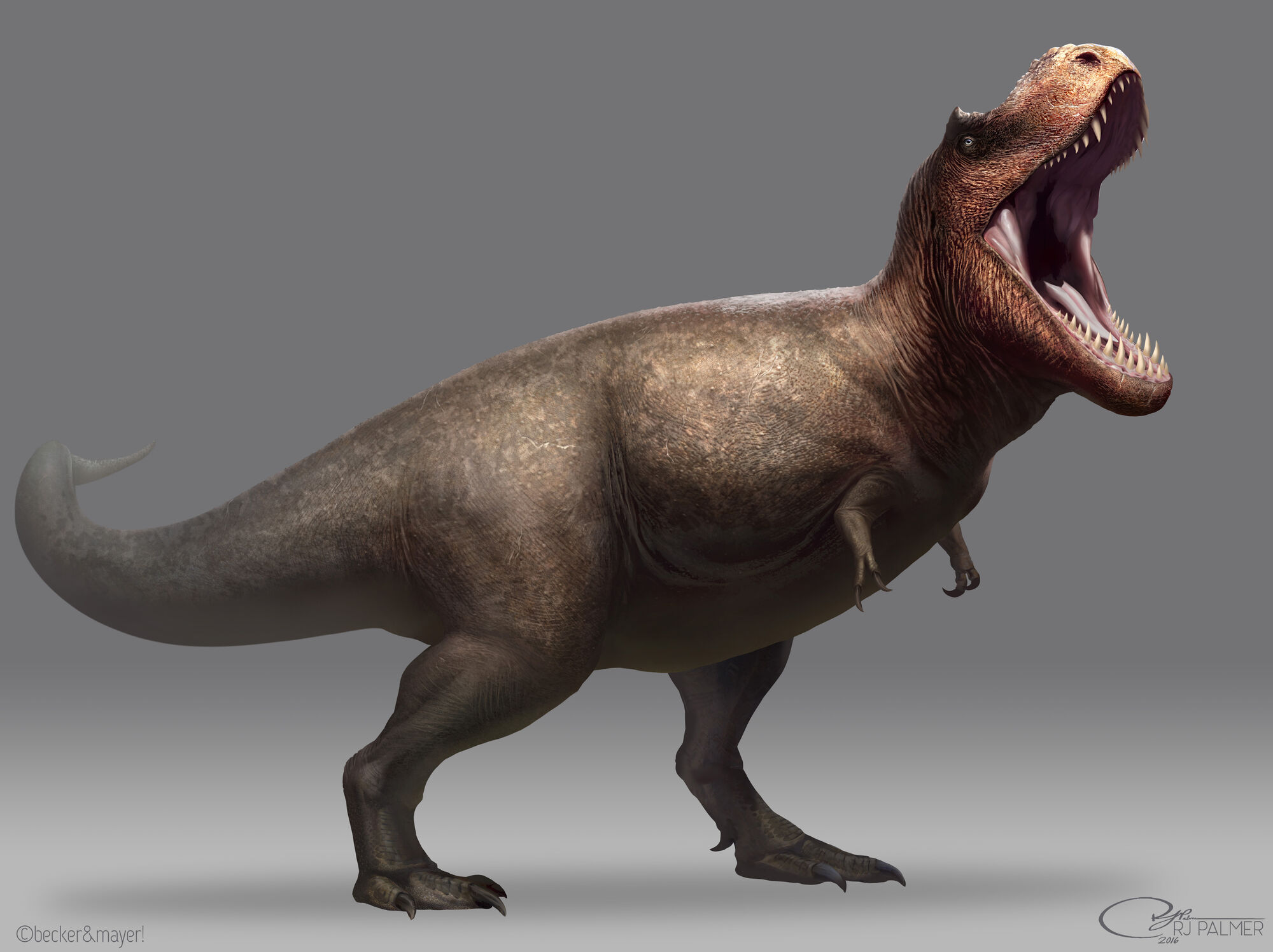
Dinosaurs offer an incredible gateway for building pencil control because the imagery naturally incorporates dynamic diagonal lines, sweeping curves, and sharp angles that mirror real-world letter formations. This specific thematic resource guides young learners through pre-writing strokes by combining playful dinosaur graphics with structured tracing paths, allowing children to practice the exact motor patterns required for future handwriting success. It sounds simple, and that’s the point. By focusing on targeted directional lines rather than overwhelming blocks of text, the layout prevents cognitive overload and keeps tiny hands moving steadily across the page. Children navigate vertical drops, curved tails, and jagged dorsal plates, which directly translate to the structural strokes needed for uppercase alphabet letters and numerals. Exploring resources within Seasonal and Fun Themes helps maintain this high level of built-in engagement.
Key Learning Outcomes
Working consistently through dinosaur-themed tracing sheets yields measurable improvements in multiple developmental domains simultaneously. First, children refine their visual-motor integration, learning how their eyes guide the hand to stay within designated boundaries. Second, the repetitive hand movements build intrinsic hand strength and foster proper finger dexterity, which supports a functional pencil grasp over time. Third, directional tracking improves significantly as young learners consistently move from left to right and top to bottom across the paper. Finally, sustained focus and task persistence grow naturally as children work toward completing the visual picture of the roaring dinosaur, turning a mechanical writing exercise into a rewarding creative achievement.
How to Use This Worksheet
Maximizing the developmental benefits of this activity requires more than simply handing over a pencil and hoping for the best. Adults should introduce the sheet by talking about the dinosaur, tracing the paths with a finger first to prime the neuromuscular pathways before touching a writing utensil. Establishing a comfortable physical setup also matters immensely; feet should rest flat on the floor, hips and knees should bend at ninety-degree angles, and the paper can be slanted slightly to match the natural arc of the child’s forearm. For children who tire easily or struggle with pencil pressure, sliding the printable inside a heavy-duty dry erase sleeve transforms the page into a reusable surface where mistakes wipe away instantly, reducing anxiety and encouraging joyful experimentation.
Practical Tips for Parents and Teachers
Adults play a vital scaffolding role by sitting alongside the child and modeling correct posture and grip without taking over the pencil. When a dynamic tripod grasp falters, introducing short, broken crayons or small writing tools naturally forces the fingers into a functional pinch rather than a heavy fisted grip. Observing closely during the session allows educators and parents to gauge whether the child needs simpler Shape and Line Tracing practice or is ready to advance toward more detailed letter formations found in Dotted Letters For Tracing. Providing verbal praise focused on effort and steady hand control rather than perfection builds long-lasting resilience and intrinsic motivation.
Age-Appropriate Recommendations
According to the Centers for Disease Control and Prevention (CDC) developmental milestones, toddlers around age two and three typically begin exploring vertical and horizontal strokes, making large dinosaur paths ideal for gross motor and arm-led movements. By ages four and five, children align with early childhood standards by demonstrating greater wrist stability and finger control, allowing them to tackle intricate jagged lines and tighter curves with precision. Educators working with older kindergarteners and early elementary students can adapt the dinosaur theme for independent writing prompts or combine the practice with resources found in Fine Motor and Pre-Writing Skills to ensure a comprehensive foundation for formal handwriting instruction.
Fine motor control and visual-motor integration are foundational predictors of later academic success and writing fluency. — National Association for the Education of Young Children (NAEYC)
Frequently Asked Questions
Explore More Free Printable Tracing Worksheets
Supporting a child’s journey toward confident writing requires a diverse library of engaging, low-stress practice materials that grow right alongside changing abilities. Beyond prehistoric creatures, countless other exciting motifs and skill builders await discovery within the broader collection hosted at KidTraces.com. Whether a child needs extra practice mastering foundational strokes or is ready to transition into full words and numerals, exploring organized categories like Alphabet And Numbers Tracing ensures an endless supply of fresh, educator-approved resources designed to make learning an absolute adventure. Print today and watch young hands build the strength and confidence they need to write their own bright futures.
Developmental Milestone & Activity Table
| Development Stage | Recommended Daily Duration | Primary Learning Objective |
|---|---|---|
| Preschool & Pre-K | 10 – 15 Minutes | Pencil grip development & basic pre-stroke lines |
| Kindergarten | 15 – 20 Minutes | Letter/number formation & spatial line awareness |
| Early Elementary (Grade 1–2) | 20 – 30 Minutes | Fluency, sentence construction & neatness |
Images References