Introduction
According to the American Occupational Therapy Association, foundational fine motor control developed during early childhood directly supports future academic success and handwriting fluency. Many young children recognize letters and holiday shapes long before their intrinsic hand muscles possess the strength and coordination to form them on paper. This developmental gap often creates frustration during standard pencil-and-paper tasks. Seasonal activities bridge this gap by offering engaging contexts that lower anxiety and invite sustained practice. The free printable easter tracing resource on {site_name} transforms essential pencil control exercises into a playful celebration of spring. It sounds simple, and that is the exact point of early developmental design.
💡 Educational Key Takeaways:
- Core Skill: Structured Easter Tracing focused on developing pencil grip, stroke control, and early literacy/math confidence.
- Target Scope: Suited for homeschoolers, preschool, kindergarten, and elementary learners.
- Best Recommendation: Practice 10–15 minutes daily with ergonomic writing tools to reinforce muscle memory without hand fatigue.
What This Worksheet Covers
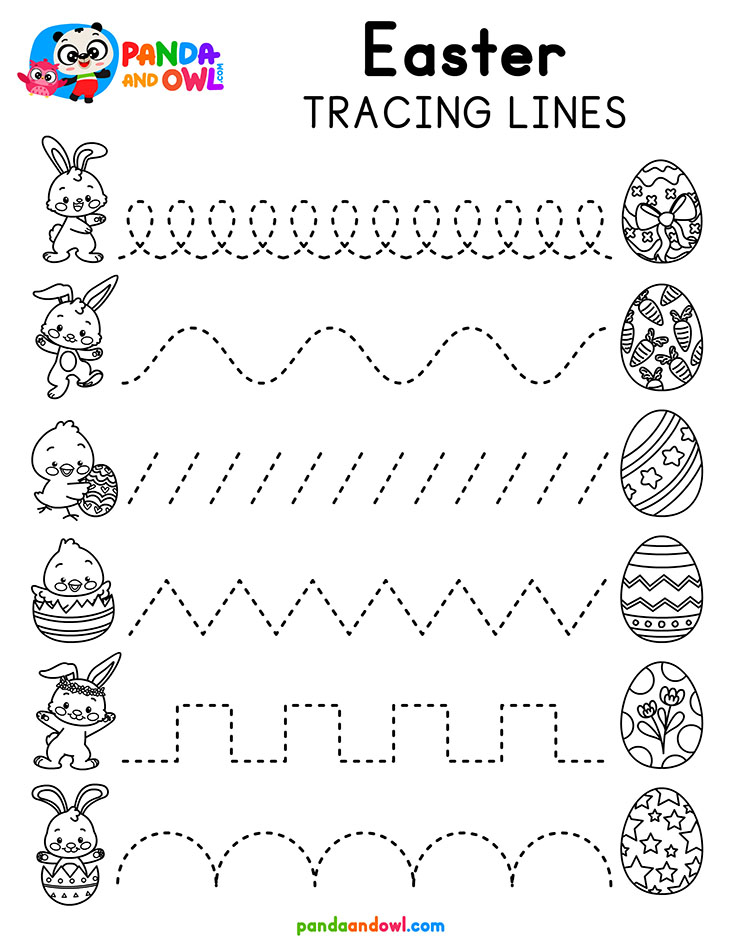
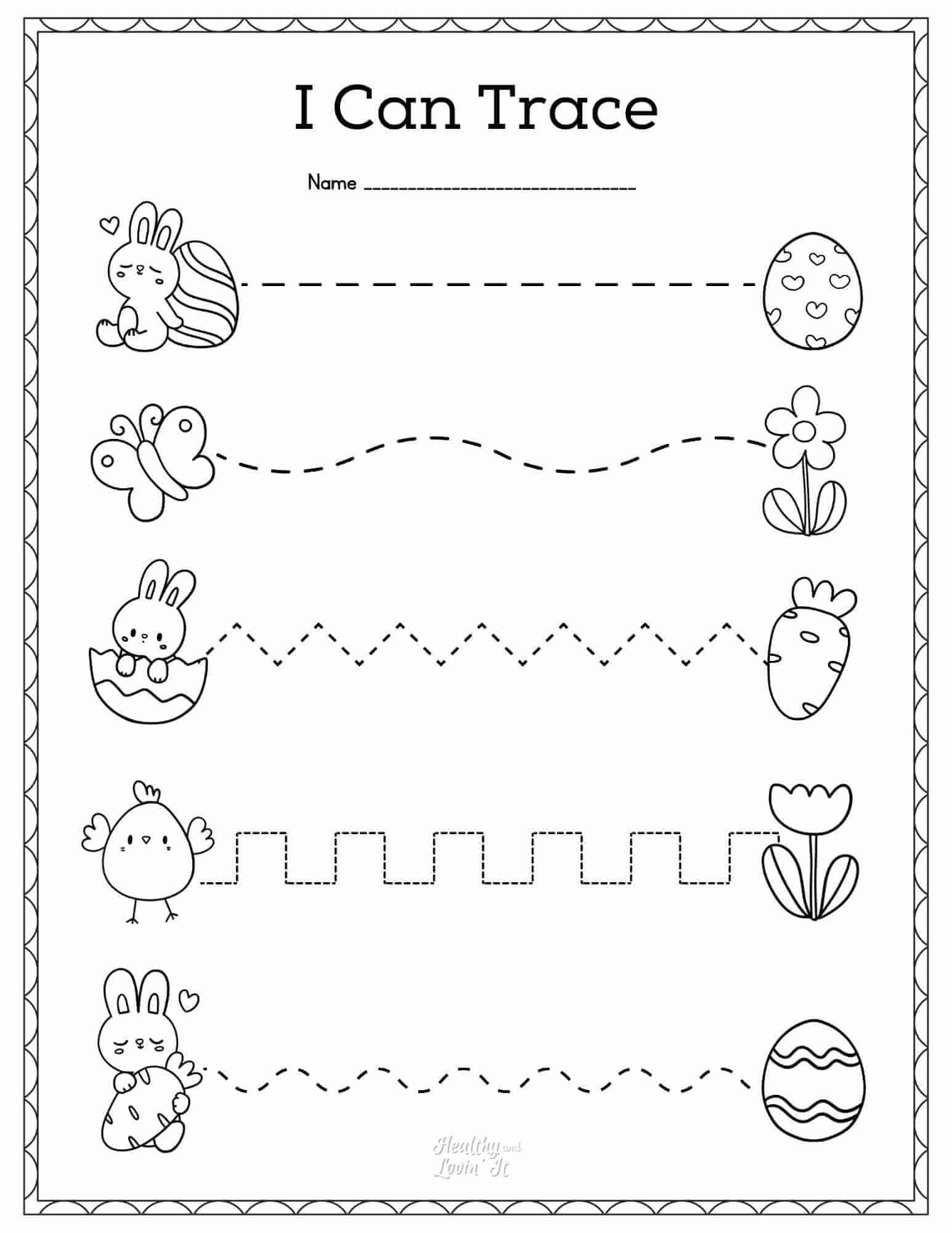
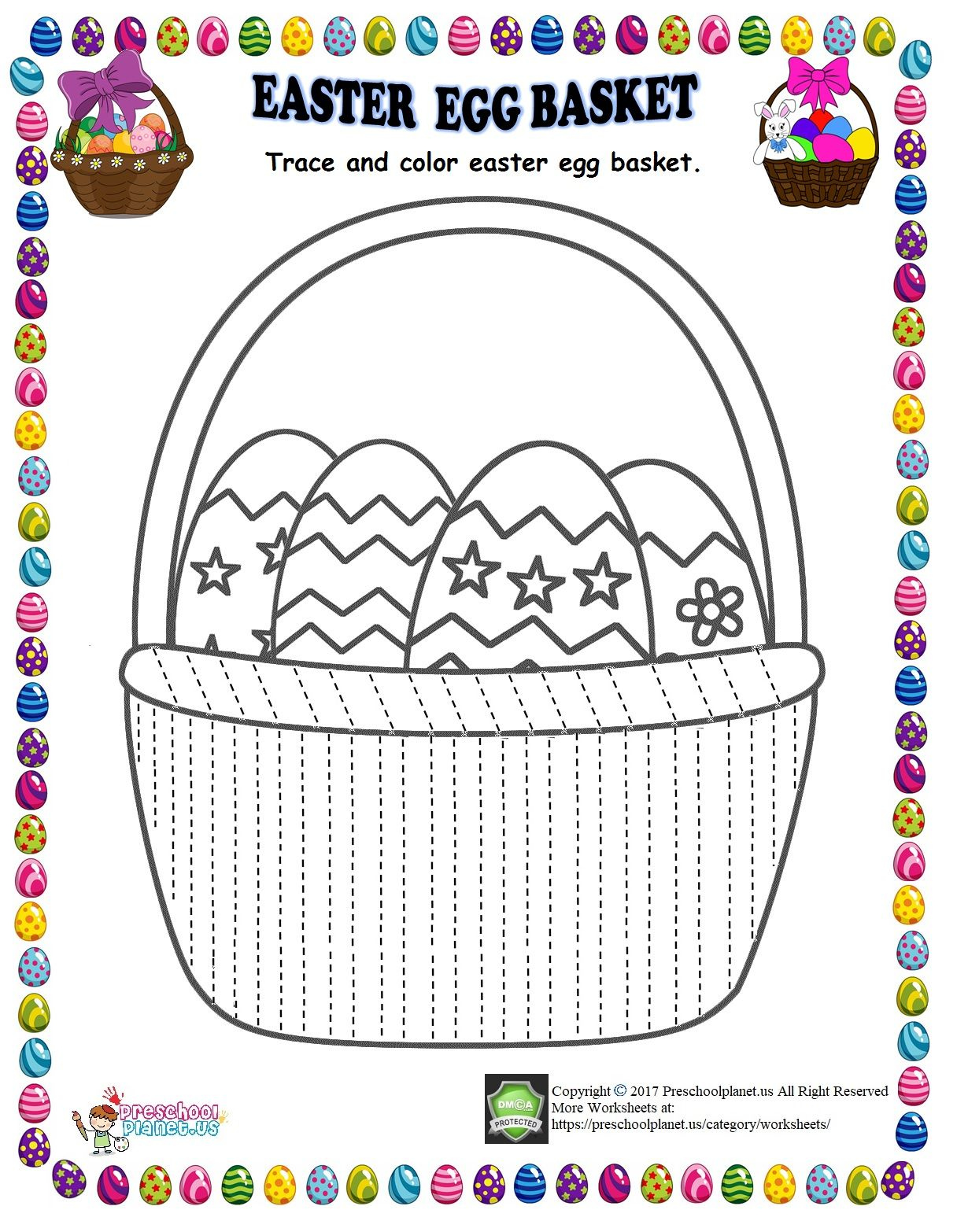
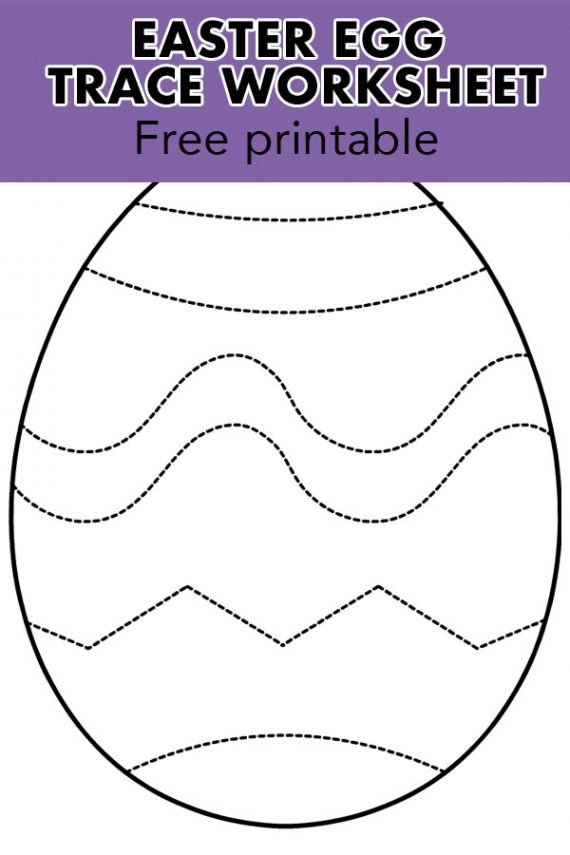
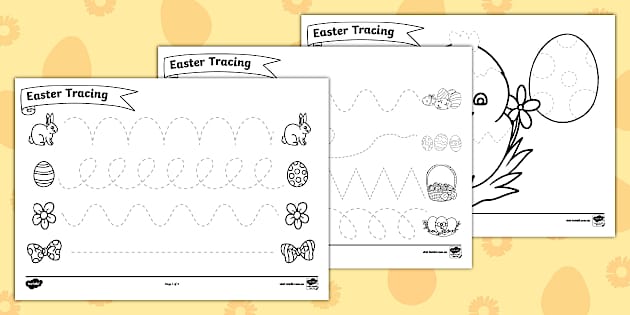
Spring-themed tracing pages provide targeted practice for pre-writing strokes, directional tracking, and visual-motor integration without feeling like tedious drill work. Children navigate curved paths leading to Easter baskets, zig-zags representing bunny hops, and looping lines winding around decorated eggs. Every curved stroke and straight line mirrors the precise motor patterns required for future letter formation. Integrating these playful motifs into daily routines builds the visual-motor coordination essential for handwriting. Exploring more options within Seasonal and Fun Themes helps keep children motivated throughout the entire calendar year.
Key Learning Outcomes
Targeted tracing exercises build critical abilities that extend far beyond coloring inside the lines. Young learners develop refined visual-motor integration as their eyes guide their hands along precise paths. Hand strength and endurance improve naturally as pencils maintain continuous contact with the paper over longer trajectories. Furthermore, children master bilateral coordination by holding the paper steady with one hand while the dominant hand executes the tracing motion. This coordinated effort lays solid groundwork for transitioning into more structured writing tasks found within Shape and Line Tracing collections.
How to Use This Worksheet
Successful implementation relies on keeping sessions short, playful, and responsive to the child’s current attention span. Setting up a comfortable workspace with an appropriately sized chair and table ensures the feet rest flat on the floor, providing proximal stability for distal control. Adults can introduce the seasonal theme by reading a spring story before placing the worksheet on the desk. Observing the child’s grip and posture during the activity helps determine whether adjustments are necessary. When children tire or begin losing interest, stopping immediately preserves a positive association with writing tasks.
Practical Tips for Parents and Teachers
Guiding young hands requires patience and a solid understanding of ergonomic development. Adults should model proper tripod grasps while letting children explore their own natural progression toward efficient pencil holds. Scaffolding the activity involves drawing physical tactile boundaries, such as gluing textured yarn along the printed lines for sensory learners. Extending the challenge requires children to trace the paths using smaller writing utensils or even paintbrushes dipped in water on outdoor pavement. Pairing these activities with resources from Fine Motor and Pre-Writing Skills ensures a well-rounded approach to physical development.
Age-Appropriate Recommendations
According to the National Association for the Education of Young Children, developmentally appropriate practice requires matching tasks to the specific physical and cognitive capacities of the child. For toddlers and preschoolers ages two to four, focus strictly on broad, sweeping vertical lines, horizontal strokes, and gentle curves that match early developmental stages outlined in standard CDC milestones. Children ages five to eight benefit from more complex intersecting lines, intricate holiday mazes, and structured directional tracking that prepares them for formal writing demands. Proper pacing ensures that every child experiences success at their current developmental level.
Fine motor control and visual-motor integration developed through early tracing activities are strong predictors of later academic achievement. — American Occupational Therapy Association
Frequently Asked Questions
Clear answers to common questions help caregivers maximize the developmental benefits of seasonal tracing activities at home and in the classroom.
Explore More Free Printable Tracing Worksheets
Supporting a child’s journey toward confident handwriting requires a diverse library of engaging, skill-building materials. From early pre-writing strokes to advanced letter formation, finding the right printable makes all the difference in daily practice routines. Caregivers and educators can discover a vast collection of resources designed by developmental experts by visiting the complete library available at KidTraces.com.
Developmental Milestone & Activity Table
| Development Stage | Recommended Daily Duration | Primary Learning Objective |
|---|---|---|
| Preschool & Pre-K | 10 – 15 Minutes | Pencil grip development & basic pre-stroke lines |
| Kindergarten | 15 – 20 Minutes | Letter/number formation & spatial line awareness |
| Early Elementary (Grade 1–2) | 20 – 30 Minutes | Fluency, sentence construction & neatness |
Images References