Introduction
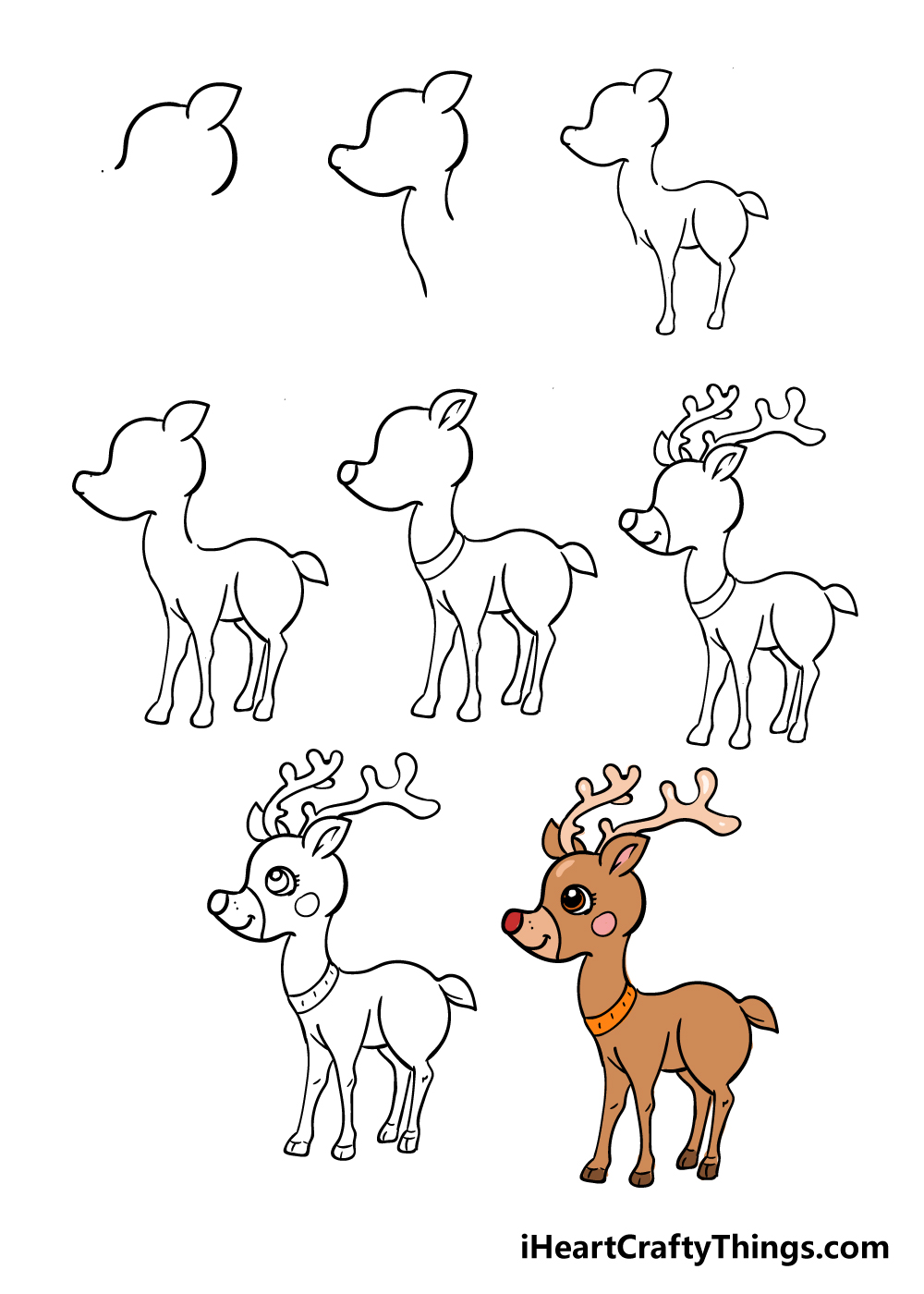
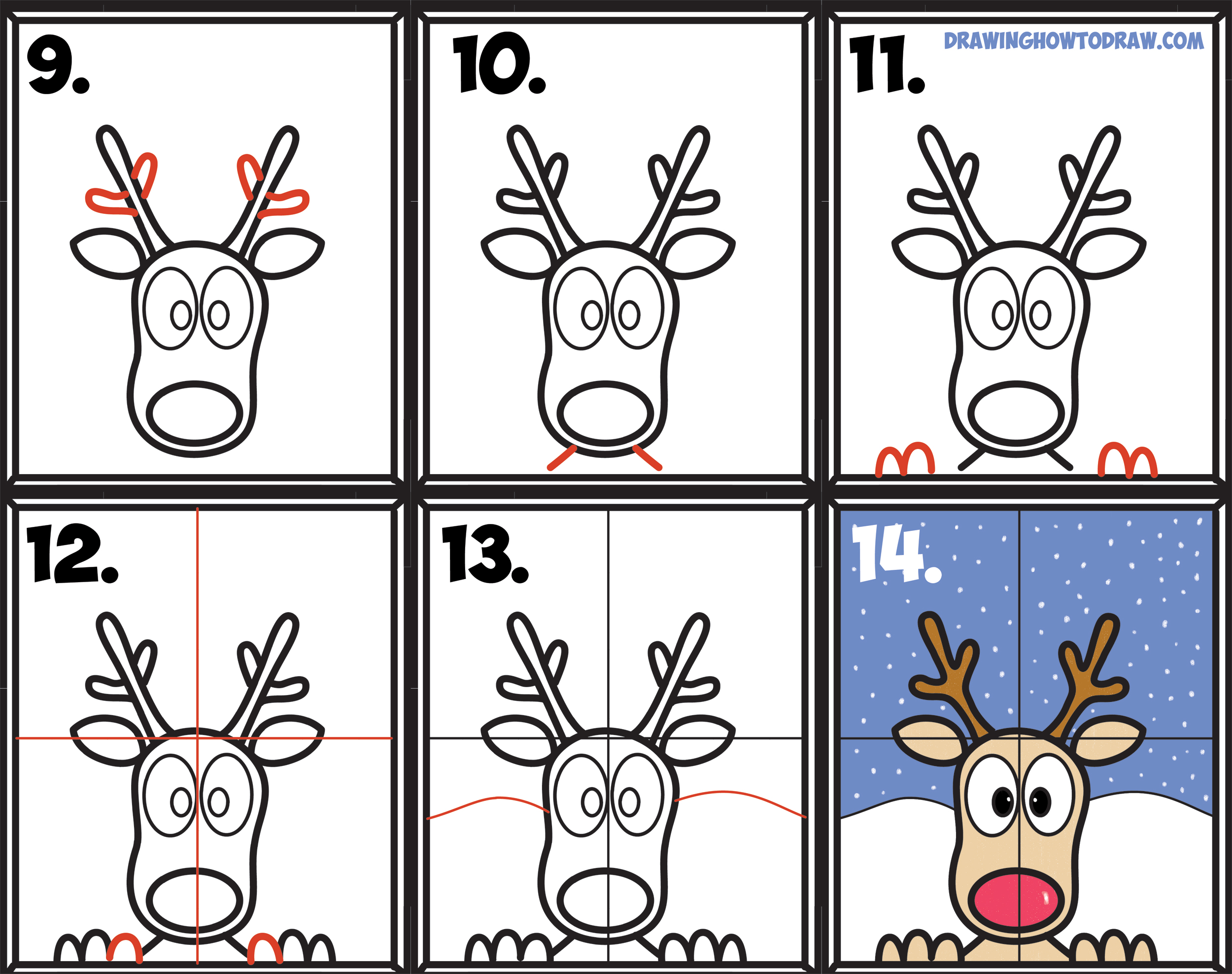
Many children recognize letters, shapes, and holiday icons long before their fine motor coordination and hand strength are fully prepared to form them on a blank page. According to the National Association for the Education of Young Children, young children learn best through active, play-oriented experiences that bridge cognitive understanding with physical execution. This developmental gap often creates frustration during early writing instruction. Festive activities help bridge this gap by lowering anxiety and increasing intrinsic motivation. Utilizing easy to trace christmas reindeer images provides a playful, engaging entry point into pencil control without the pressure of traditional handwriting drills. It sounds simple, and that’s the point. When children sit down with a holiday-themed resource, the focus shifts from a tedious chore to an exciting artistic endeavor, naturally encouraging the repetitive hand movements required for future literacy success.
💡 Technical Key Takeaways:
- Core Focus: Diagnostic schematic and terminal connection layout for Easy To Trace Christmas Reindeer Images.
- Target Scope: Field technicians, automotive DIYers, and residential/commercial electricians.
- Safety Rule: Always disconnect the primary power source/battery terminal and verify zero voltage with a multimeter before touching wires.
What This Worksheet Covers
Holiday-themed tracing resources focus heavily on building the foundational muscle memory required for confident pencil handling. Children navigate curved antlers, distinct facial features, and geometric body lines, which helps translate visual perception into precise hand movements. The structured dotted outlines guide the writing instrument from specific starting points toward defined endpoints, teaching directional habits that transfer directly to letter formation. Working through these festive templates strengthens the small intrinsic muscles of the hand, particularly the thumb, index, and middle fingers used in a mature three-point grip. It is common to observe children pressing too hard or gripping markers like daggers when first encountering pencil tasks, but rhythmic, continuous lines help soften that grasp over time.
Key Learning Outcomes
The primary outcomes center on enhancing visual-motor integration, which is the brain’s ability to interpret visual information and guide physical actions accordingly. Learners develop superior pencil control through sustained contact with paper, moving smoothly from simple horizontal and vertical strokes to complex, flowing curves. Spatial awareness improves naturally as young hands learn to stay within boundaries and navigate corners, curves, and intersecting lines on the page. Furthermore, completing a cheerful holiday picture fosters a sense of accomplishment, building the emotional endurance necessary for longer, more demanding academic tasks later on.
How to Use This Worksheet
Successful implementation requires setting up an environment that supports optimal posture and hand positioning before any marks are made on the page. Feet should rest flat on the floor, hips and knees bent at ninety-degree angles, and the non-dominant hand should anchor the paper securely while the writing hand moves. Adults can introduce the activity by discussing the reindeer shape, pointing out the starting dot, and demonstrating a slow, controlled tracing motion while verbalizing the direction of the lines. According to the American Occupational Therapy Association, foundational stability at the core and shoulder girdle is essential before distal hand dexterity can truly flourish. Allowing children to choose their favorite coloring tools—whether thick crayons, scented markers, or short pencils—increases engagement and naturally encourages shorter grasps that promote finger movement over whole-arm stiffness.
Practical Tips for Parents and Teachers
Scaffolding the experience ensures that every child experiences success regardless of their current developmental stage. If the intricate details of a holiday drawing prove overwhelming, adults can temporarily cover portions of the page or provide thicker writing utensils to slow down fast, impulsive strokes. Modeling the correct tripod grasp without forcing it prevents hand fatigue and long-term discomfort during extended writing sessions. When fatigue sets in, which often happens after just a few minutes with early learners, pausing to squeeze therapy putty or perform finger-stretching games reinvigorates the hand muscles. Celebrating the process rather than the perfection keeps the atmosphere encouraging, ensuring that children view pencil work as an enjoyable adventure found within seasonal collections like Seasonal and Fun Themes and broader resources for Tracing Worksheets.
Age-Appropriate Recommendations
Developmental expectations vary significantly across the early childhood span, aligning closely with the framework outlined in the Handwriting Without Tears methodology for physical progression. For toddlers and preschoolers aged two to four, the focus remains primarily on gross motor lines, vertical strokes, and exploring basic curves found within Shape and Line Tracing activities. At this stage, chubby fingers benefit from short crayons and larger templates that encourage arm movement rather than isolated wrist action. As children progress into kindergarten and early elementary grades between ages five and eight, their fine motor precision sharpens considerably. This older group transitions smoothly toward more refined control, mastering intricate paths and preparing for structured letter writing, which can be further supported by exploring Fine Motor and Pre-Writing Skills resources.
Young children develop foundational pencil control and visual-motor integration most effectively through playful, low-pressure tracing exercises that incorporate familiar seasonal motifs. — National Association for the Education of Young Children
Frequently Asked Questions
Finding the right approach to early writing tools often brings up practical questions for educators and families alike. Clear answers help maximize the developmental benefits of every printable activity.
Explore More Free Printable Tracing Worksheets
Supporting a child’s journey toward confident writing involves a rich variety of engaging, developmentally appropriate practice materials throughout the year. Exploring diverse visual prompts keeps enthusiasm high while systematically building essential hand strength, stroke control, and spatial awareness. Families and educators can discover a vast, organized library designed to support every stage of early development by visiting KidTraces.com for all available learning materials.
Quick Wiring Specifications & Terminal Guide
| Component / Circuit | Standard Wire Gauge | Recommended Protection |
|---|---|---|
| Control & Trigger Signals | 18 – 20 AWG | 5A – 7.5A Inline Fuse |
| Standard Auxiliary Load | 14 – 16 AWG | 15A – 20A Circuit Breaker |
| Main Power Feed / Supply | 10 – 12 AWG | 30A – 40A Heavy-Duty Relay |
Images References