Introduction
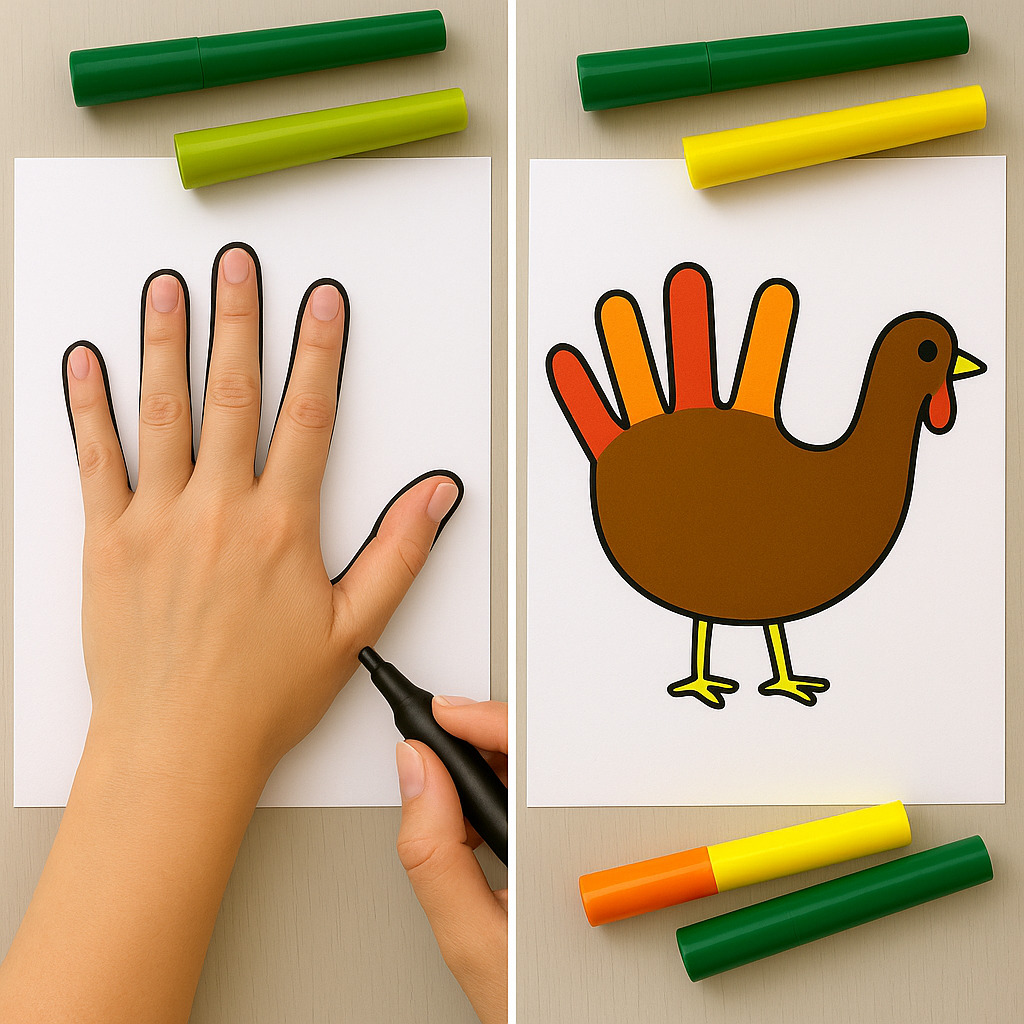
Watch any young child hold a crayon, and the complex journey of early literacy unfolds in real time. Many children recognize letters and eagerly talk about writing long before their intrinsic hand and finger muscles possess the endurance to form those symbols cleanly on paper. According to Reading Rockets, children develop foundational pre-writing strokes and fine motor control progressively through purposeful play and targeted graphic practice. Bringing seasonal engagement into these daily repetitions transforms ordinary pencil practice into an exciting, highly motivating experience. This is where the free printable turkey hands worksheet proves invaluable for autumn learning, merging foundational hand-eye coordination with the playful aesthetic of November holidays. Traditional tracing sheets often feel tedious to energetic learners, but festive layouts capture attention and reduce pencil fatigue naturally. Exploring seasonal options helps maintain high engagement levels while building the exact visual-motor integration needed for future academic success, as highlighted across various Seasonal and Fun Themes.
💡 Educational Key Takeaways:
- Core Skill: Structured Turkey Hands Worksheet focused on developing pencil grip, stroke control, and early literacy/math confidence.
- Target Scope: Suited for homeschoolers, preschool, kindergarten, and elementary learners.
- Best Recommendation: Practice 10–15 minutes daily with ergonomic writing tools to reinforce muscle memory without hand fatigue.
What This Worksheet Covers
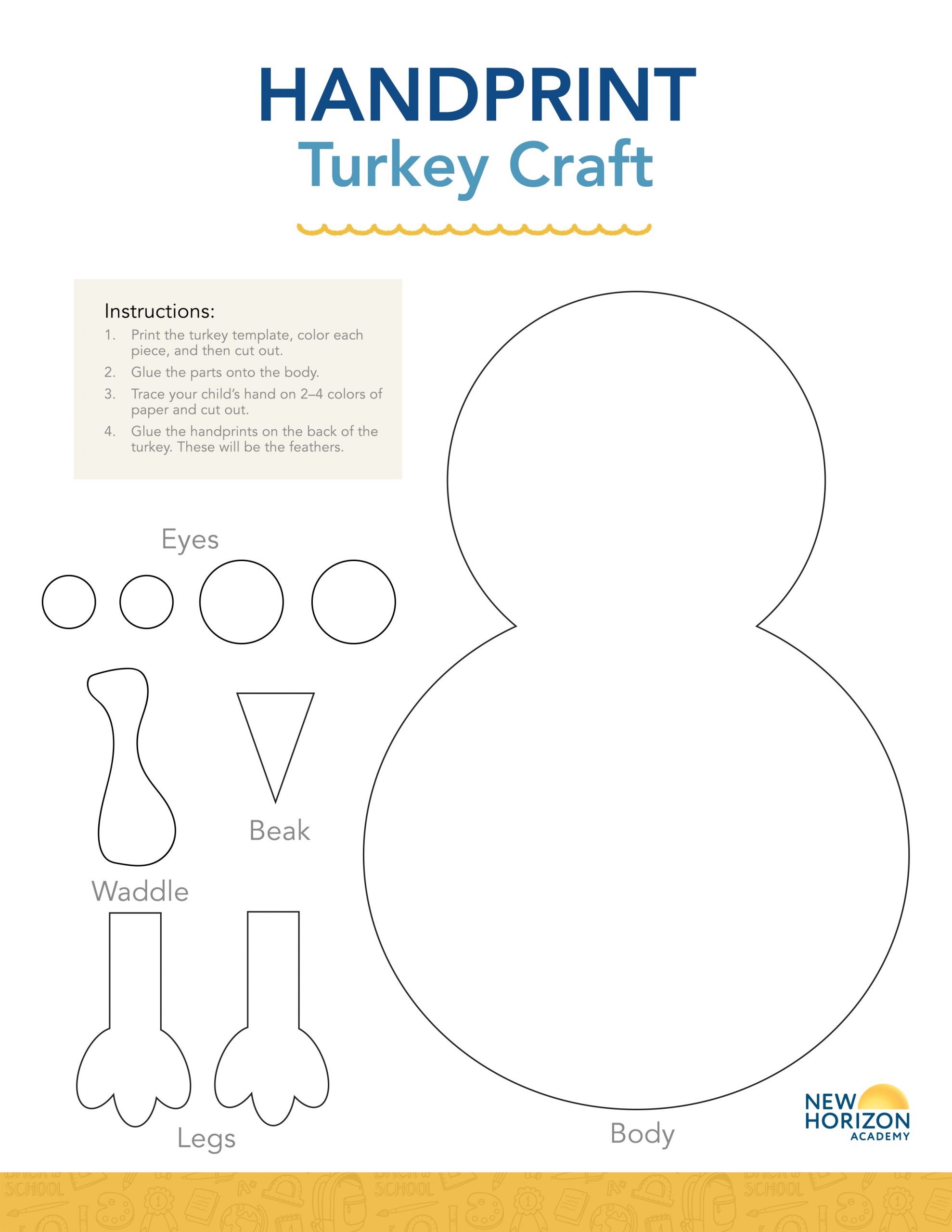
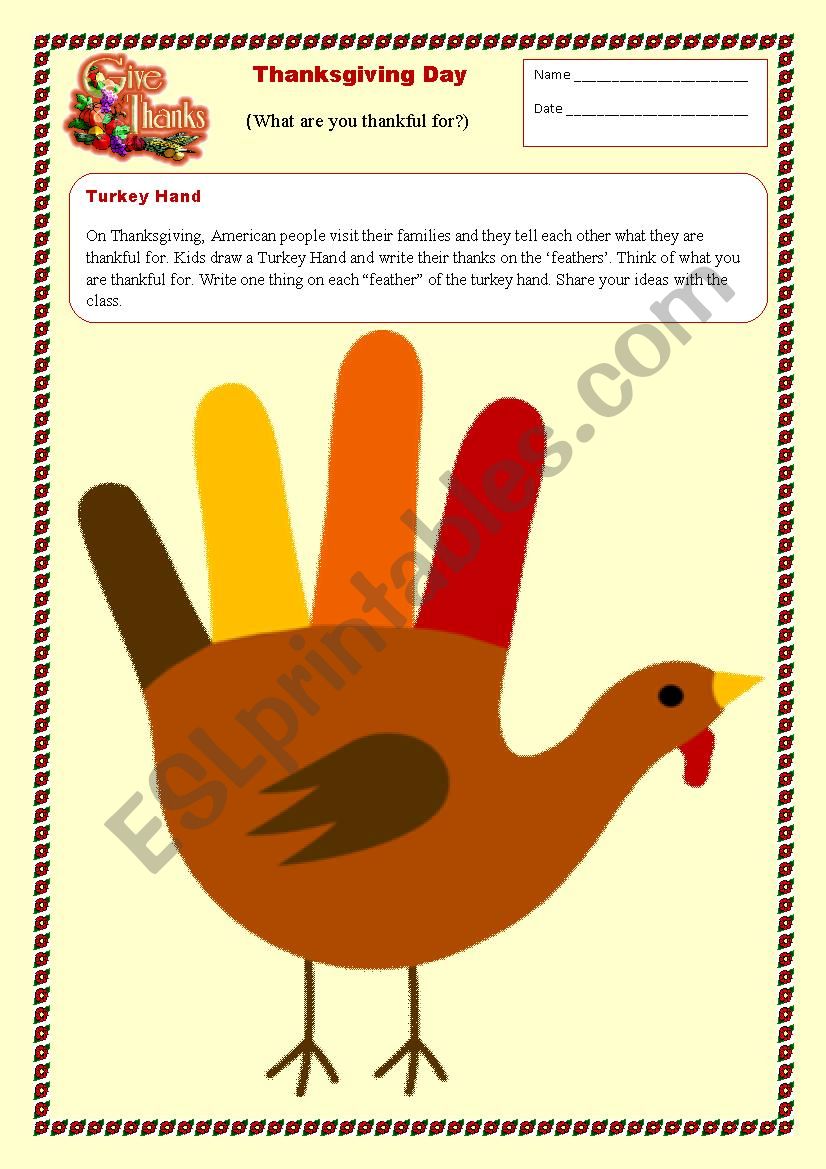
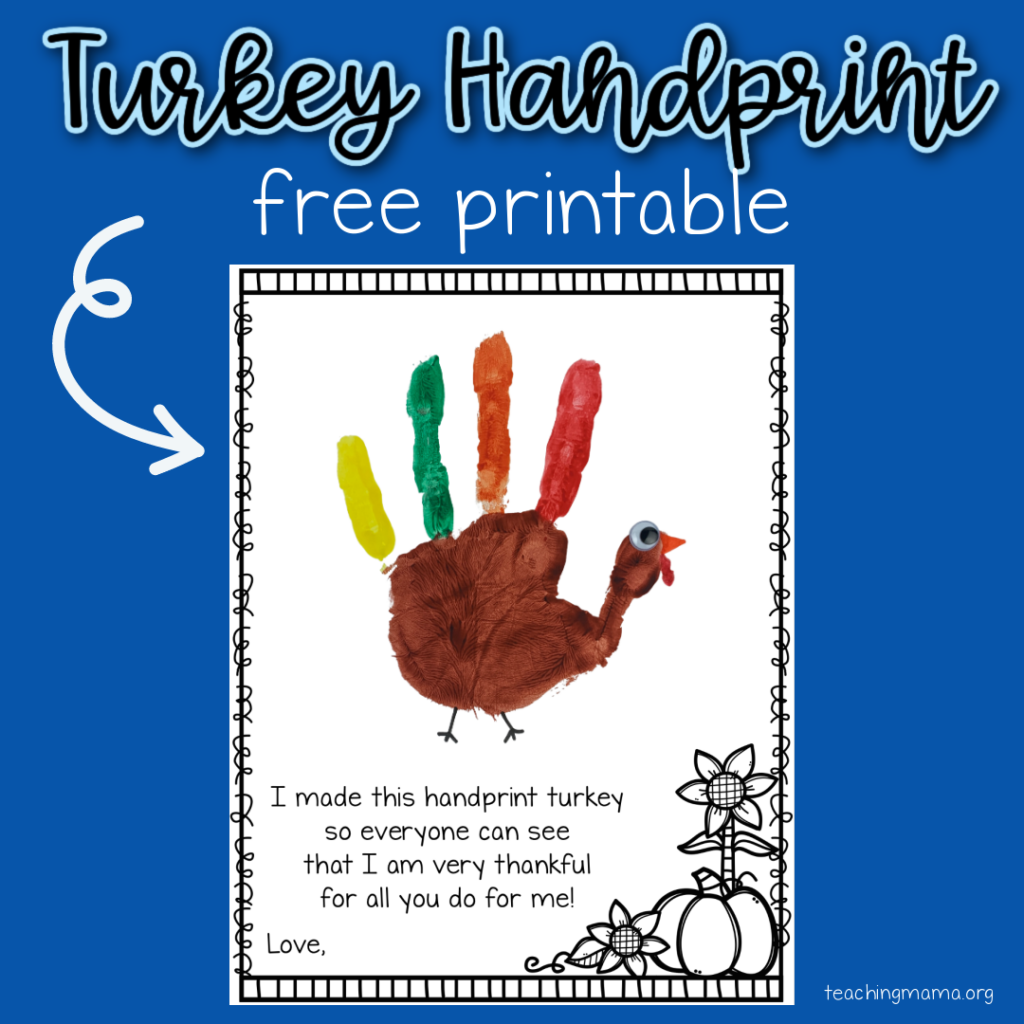
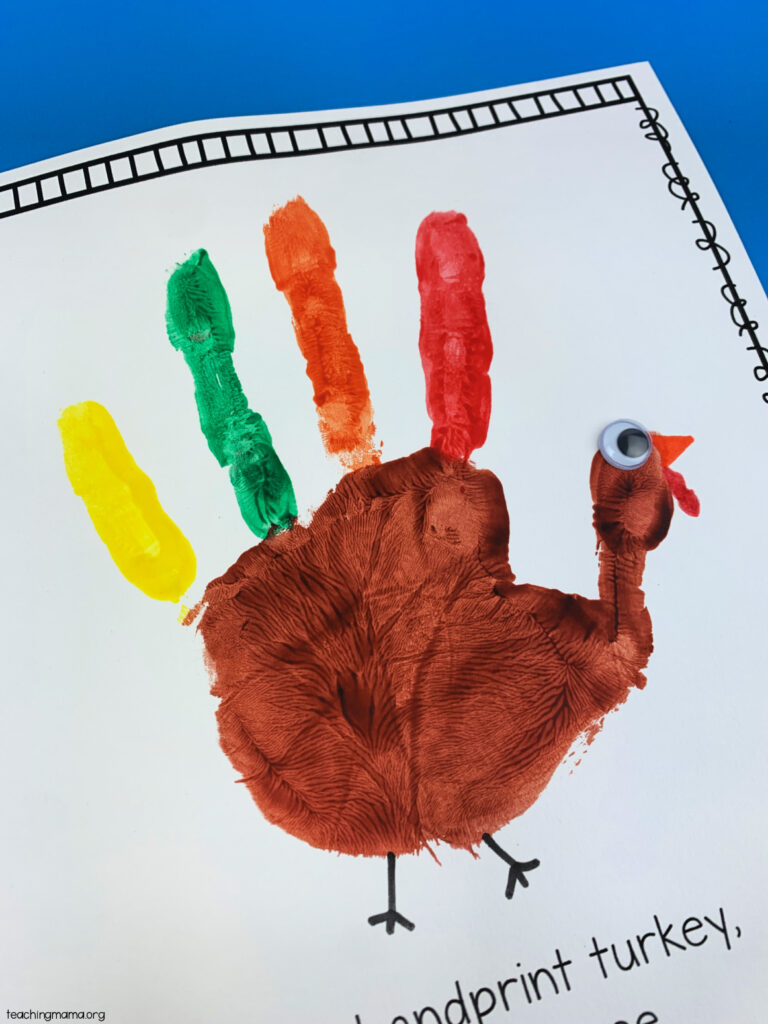
Festive tracing printables provide structured pathways that guide little hands through intricate curves, straight lines, and directional strokes without overwhelming the learner. It sounds simple, and that’s the point. By integrating familiar seasonal imagery like holiday feathers and handprint outlines, the activity encourages children to slow down and focus on pencil control. Practitioners often notice that when a child engages with a familiar theme, anxiety surrounding handwriting tasks drops significantly. The layout is specifically engineered to bridge the gap between gross motor hand tracing and precise pencil manipulation. Children navigate perimeter boundaries, curved feather lines, and internal patterns, which directly reinforces spatial awareness and proportional control. These visual-motor demands lay solid groundwork for future skill development found throughout specialized Fine Motor and Pre-Writing Skills resources.
Key Learning Outcomes
Targeted tracing exercises yield measurable developmental gains across multiple domains of early childhood readiness. First, learners strengthen the intrinsic muscles of the hand, particularly the thenar eminence and the lumbricals, which are responsible for stabilizing the pencil during extended writing sessions. Second, the activity builds dynamic finger positioning, encouraging a functional tripod grasp rather than an immature fist grasp. Third, tracking the intricate contours of the seasonal design enhances bilateral integration, requiring one hand to stabilize the paper while the dominant hand executes controlled strokes. Finally, children build visual-spatial processing and pencil pressure modulation, learning how to press lightly for delicate details and firmly for bold outlines. Mastering these foundational mechanics supports subsequent progress within Shape and Line Tracing curricula.
How to Use This Worksheet
Maximizing the developmental benefits of any tracing activity requires thoughtful preparation of both the environment and the materials. Set up a comfortable, well-lit workspace where the child’s feet rest flat on the floor and hips form a ninety-degree angle, establishing proper postural stability for writing. Introduce the printable not as a formal test, but as a creative art and control challenge where the turkey needs its colorful feathers completed. Encourage the child to trace the lines using various tactile mediums before switching to standard pencils, such as washable markers, colored pencils, or even fingerpainting over raised lines. According to the American Occupational Therapy Association (AOTA), building hand strength and dexterity through varied sensory modalities significantly improves a child’s handwriting legibility and overall endurance. Rotating writing tools keeps the session novel, preventing premature hand cramping and encouraging sustained attention.
Practical Tips for Parents and Teachers
Scaffolding the experience properly ensures that children remain confident rather than frustrated by complex directional paths. If a learner struggles with a tight fist grasp, try placing small broken crayon pieces in their hand to naturally force an open web space and a functional tripod grip. Model the stroke path first by demonstrating slow, deliberate finger movements in the air before asking the child to touch the paper. Observe closely for signs of fatigue, such as dropping the wrist or leaning heavily onto the non-dominant arm, and offer gentle movement breaks to shake out the hands. Providing positive reinforcement for effort and line accuracy rather than just final perfection builds a resilient, growth-oriented mindset toward writing tasks. These supportive adult-child interactions transform routine homework into a collaborative, encouraging learning experience.
Age-Appropriate Recommendations
Developmental expectations must shift according to the child’s specific age and current functional readiness. For younger toddlers and preschoolers aged two to four, the focus centers on gross motor control, exploring vertical and horizontal lines, and practicing basic grip awareness in alignment with NAEYC Developmentally Appropriate Practice guidelines. At this stage, adults should accept thick, experimental strokes and prioritize enthusiastic participation over absolute precision. For older kindergarteners and early elementary students aged five to eight, the expectations evolve toward refined stroke inhibition, staying strictly within narrow boundary lines, and completing complex directional sequences. During these primary school years, children refine their proportional scaling and pencil speed, preparing them for independent written expression across all academic subjects.
Handwriting readiness and fine motor endurance improve significantly when children engage in structured daily pre-writing activities and purposeful hand-strengthening exercises. — American Occupational Therapy Association (AOTA)
Frequently Asked Questions
Clear, direct answers help educators and caregivers implement these valuable learning tools with confidence and ease.
Explore More Free Printable Tracing Worksheets
Supporting a child’s developmental journey requires access to a wide variety of engaging, high-quality practice materials that grow alongside their developing abilities. Exploring diverse categories ensures that learning remains fresh, challenging, and intrinsically motivating throughout the entire school year. For additional practice sheets spanning every developmental milestone, parents and teachers can browse the complete library of educational resources available directly at KidTraces.com.
Developmental Milestone & Activity Table
| Development Stage | Recommended Daily Duration | Primary Learning Objective |
|---|---|---|
| Preschool & Pre-K | 10 – 15 Minutes | Pencil grip development & basic pre-stroke lines |
| Kindergarten | 15 – 20 Minutes | Letter/number formation & spatial line awareness |
| Early Elementary (Grade 1–2) | 20 – 30 Minutes | Fluency, sentence construction & neatness |
Images References