Introduction
Many children recognize letters, numbers, and geometric shapes long before their fine motor skills can actually form them on paper. According to the American Occupational Therapy Association, foundational pencil control relies on the development of intrinsic hand muscles, visual-motor integration, and bilateral coordination. Young hands require deliberate preparation to bridge the gap between cognitive understanding and physical execution. Tracing shapes and lines serves as the essential physical rehearsal for this transition. Long before formal handwriting instruction begins, mastering basic strokes builds the neural pathways and muscle memory required for future literacy. The free printable tracing shapes and lines worksheet acts as a structured bridge, transforming abstract visual concepts into tangible pencil control. Every horizontal stroke, vertical plunge, and curved loop lays the groundwork for confident, legible writing.
💡 Educational Key Takeaways:
- Core Skill: Structured Tracing Shapes And Lines focused on developing pencil grip, stroke control, and early literacy/math confidence.
- Target Scope: Suited for homeschoolers, preschool, kindergarten, and elementary learners.
- Best Recommendation: Practice 10–15 minutes daily with ergonomic writing tools to reinforce muscle memory without hand fatigue.
What This Worksheet Covers
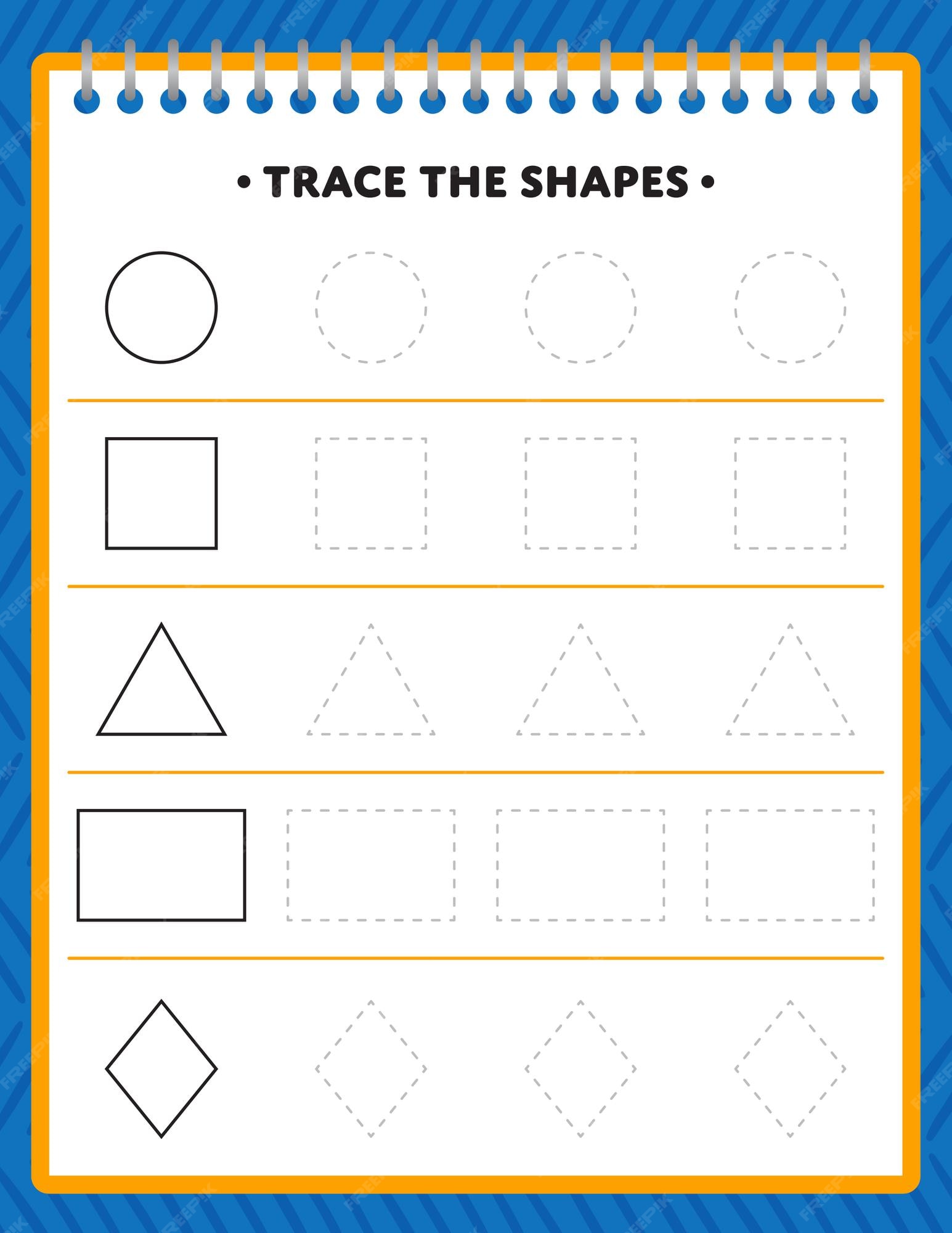
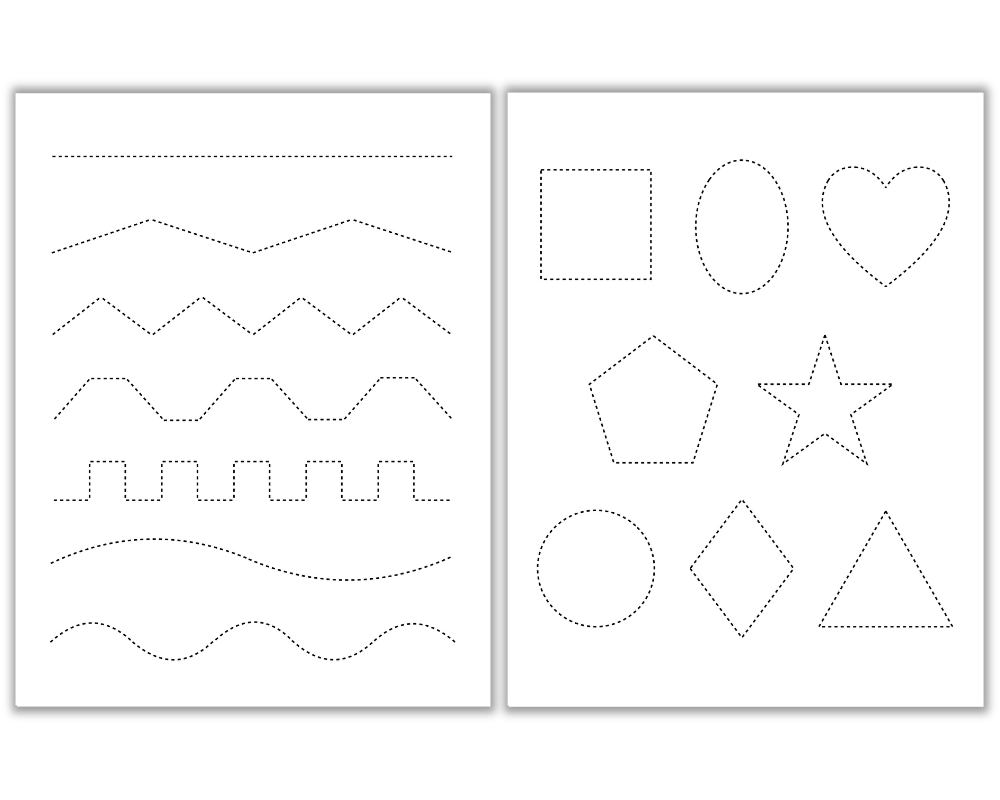
Pencil control is not an innate talent; it is a physical skill built through progressive exposure to specific geometric strokes. This printable resource systematically targets the foundational movements that precede letter and number formation. Children encounter a carefully curated sequence of pre-writing strokes, beginning with simple vertical and horizontal lines. From there, the progression expands into intersecting crosses, diagonal slants, wavy paths, zigzags, and closed geometric shapes like circles, squares, triangles, and diamonds. Each path is intentionally designed to challenge visual tracking while demanding sustained proprioceptive feedback from the fingers, wrists, and arms. It sounds simple, and that is the point. By breaking writing down into its fundamental geometric components, learners avoid the cognitive overload of spelling or letter formation while focusing entirely on line fluidity, spatial awareness, and steady hand pressure.
Key Learning Outcomes
Working through these geometric paths yields measurable improvements across several core developmental domains. Hand-eye coordination strengthens significantly as eyes track ahead of the moving pencil tip to anticipate upcoming turns and corners. Bilateral coordination improves because one hand stabilizes the paper while the dominant hand maneuvers the writing utensil across the page. Spatial orientation matures as children learn to navigate boundary lines, understand directional concepts like top-to-bottom and left-to-right, and maintain consistent proportions within a given space. Furthermore, intrinsic hand strength and endurance develop naturally as fingers maintain a functional grasp over extended tracing sessions. These combined outcomes ensure a seamless transition into broader curriculum requirements, supporting both early literacy milestones and general fine motor competence found in comprehensive Fine Motor and Pre-Writing Skills programs.
How to Use This Worksheet
Maximizing the benefits of this activity requires more than simply handing over a pencil and hoping for the best. The physical environment and adult interaction play monumental roles in shaping how a child experiences the task. Begin by ensuring the seating arrangement promotes stability: feet flat on the floor, hips and knees at ninety-degree angles, and the paper slightly tilted to match the natural arc of the writing arm. It is worth noting that fatigue sets in quickly when core stability is lacking. Introduce the printable during calm, focused periods of the day rather than at the end of an exhausting schedule. Encourage children to trace the paths with an index finger first to physically experience the directional flow before introducing the added friction and resistance of a crayon, marker, or pencil.
Practical Tips for Parents and Teachers
Adults can actively scaffold learning by observing pencil grasps and offering gentle, non-invasive corrections. When a fist grasp or heavy-handed death grip appears, slip a broken crayon or a short golf pencil into the hand to naturally encourage a functional tripod or quadrapod hold. For children who struggle with staying inside the pathways, scaffolding can involve sliding the worksheet inside a heavy-duty plastic dry-erase sleeve; thick dry-erase markers offer immediate visual feedback and make mistakes feel temporary and low-stakes. Extend the learning beyond the paper by asking children to air-draw the shapes with big arm movements or trace textured lines made of yarn or sand. When fatigue becomes visible, pause the activity immediately. Hand muscles require gradual conditioning, and pushing past physical exhaustion often reinforces poor grip habits and frustration.
Age-Appropriate Expectations
Developmental readiness dictates how children interact with tracing activities across the early childhood years. According to the National Association for the Education of Young Children guidelines for developmentally appropriate practice, two- and three-year-olds are typically refining palmar and digital pronate grasps, making them well-suited for large horizontal lines, vertical strokes, and simple circles using thick markers on unlined paper. By ages four and five, children transition toward mature static and dynamic tripod grasps, allowing them to tackle complex intersecting lines, zigzags, triangles, and diamond shapes with standard pencils or crayons. For early elementary learners aged six to eight, these foundational shape-control skills directly support the precise stroke sequences required in Alphabet And Numbers Tracing, ensuring proper letter height, alignment, and closure.
According to developmental motor research cited by the CDC milestones framework, most children master copying vertical lines around age 2, horizontal lines and circles by age 3, and complex shapes like triangles and intersecting lines between ages 4 and 5. — Centers for Disease Control and Prevention
Frequently Asked Questions
Addressing common questions helps caregivers implement these tracing resources with confidence and clarity. The following answers provide quick, practical guidance for downloading, printing, and supporting early motor milestones.
Explore More Free Printable Tracing Worksheets
Expanding a child’s pencil control repertoire involves exploring varied themes, letters, and numbers that keep motivation high. After mastering basic lines and geometric shapes, learners often thrive on transitioning into letter formation, numerical sequences, and themed seasonal activities that make writing feel like play. The complete library of resources available at KidTraces.com offers structured pathways for every stage of early development. Explore specific collections such as Dotted Letters For Tracing for targeted alphabet practice or browse through Seasonal and Fun Themes to maintain high engagement throughout the entire school year.
Developmental Milestone & Activity Table
| Development Stage | Recommended Daily Duration | Primary Learning Objective |
|---|---|---|
| Preschool & Pre-K | 10 – 15 Minutes | Pencil grip development & basic pre-stroke lines |
| Kindergarten | 15 – 20 Minutes | Letter/number formation & spatial line awareness |
| Early Elementary (Grade 1–2) | 20 – 30 Minutes | Fluency, sentence construction & neatness |
Images References