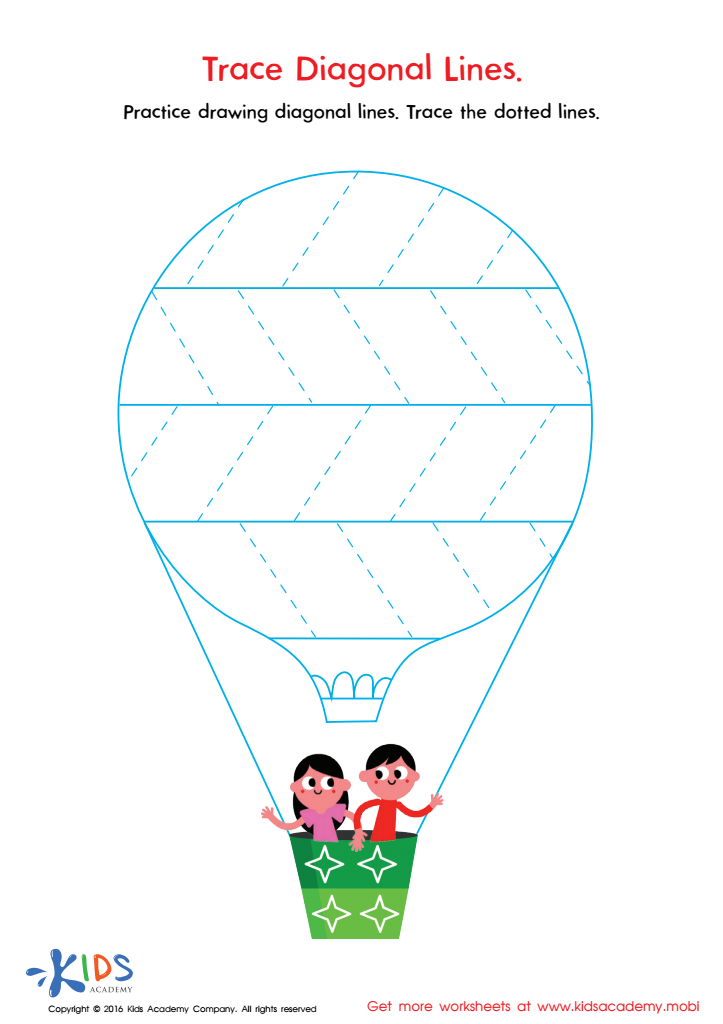
Introduction
Many children recognize letters, numbers, and geometric shapes long before their fine motor skills can actually form them on paper. According to the American Occupational Therapy Association, foundational fine motor control and bilateral coordination are essential prerequisites for functional handwriting and classroom success. Observing a child struggle to hold a pencil while attempting to draw straight lines reveals the hidden complexity behind early literacy tasks. That physical disconnect is precisely where structured pre-writing tools become invaluable. The free printable triangle tracing kids resource provides an engaging, developmentally appropriate bridge between visual recognition and physical execution, transforming abstract shapes into tangible pencil control.
💡 Educational Key Takeaways:
- Core Skill: Structured Triangle Tracing Kids focused on developing pencil grip, stroke control, and early literacy/math confidence.
- Target Scope: Suited for homeschoolers, preschool, kindergarten, and elementary learners.
- Best Recommendation: Practice 10–15 minutes daily with ergonomic writing tools to reinforce muscle memory without hand fatigue.
WhatThisWorksheetCovers
Geometric shape tracing forms a critical pillar of visual-motor integration before children transition into formal letter and number formation. Mastering the triangle specifically requires distinct directional changes, diagonal line control, and acute angle navigation that straight horizontal or vertical lines simply do not demand. Inside the Shape and Line Tracing category, these specialized practice sheets focus heavily on continuous stroke execution and hand-eye coordination. Working through corners challenges the intrinsic muscles of the hand to decelerate, pivot, and accelerate again with intentional precision. Children must coordinate both sides of the brain to visually track the top vertex down to the base while simultaneously guiding the writing utensil along a predetermined trajectory. It sounds simple, and that is the point—yet every completed triangle represents a massive neurological leap in spatial awareness and motor planning.
KeyLearningOutcomes
Targeted triangle tracing practice yields several observable milestones in early childhood development. Children rapidly build dynamic tripod grasp endurance as they sustain pressure over three distinct directional planes. According to the National Association for the Education of Young Children, active engagement with fine motor manipulative tasks during the preschool years directly predicts later academic dexterity and self-regulation. Learners develop superior bilateral motor control by stabilizing the paper with their non-dominant hand while the dominant hand steers the pencil. Additionally, spatial orientation improves dramatically as youngsters learn to navigate corners, stay within boundaries, and anticipate the directional shifts required to close a shape successfully.
HowToUseThisWorksheet
Successful implementation relies heavily on setting up an environment that encourages relaxed, confident posture and ergonomic tool manipulation. Placing the paper on a slight slant or a dedicated writing wedge naturally aligns the wrist and forearm for optimal visual feedback. Adults should encourage a functional grasp where the pencil rests comfortably against the side of the middle finger while stabilized by the thumb and index finger. It helps to invite the child to trace the shape with an index finger first to physically feel the directional path before ever touching a writing instrument to the page. Whenever interest begins to wane, sliding the sheet inside a clear dry-erase pocket allows for endless low-stakes practice with colorful markers.
PracticalTipsforParentsAndTeachers
Scaffolding instruction effectively means meeting the child right at the edge of their current developmental capability. When a learner frequently cuts corners or loses control of the pencil, offering gentle hand-over-hand guidance helps build muscle memory without causing frustration. Teachers and caregivers can extend the learning process further by inviting children to draw their own triangles independently after mastering the dotted templates, or by incorporating tactile elements like tracing triangles formed out of yarn, playdough, or sand. Keeping sessions brief—typically five to ten minutes Fine Motor and Pre-Writing Skills—ensures that hand fatigue never eclipses the inherent joy of creative exploration.
Age-AppropriateRecommendations
Aligning pre-writing activities with established developmental milestones ensures that expectations remain realistic and enjoyable for every unique learner. According to Centers for Disease Control and Prevention developmental milestones, children around age three typically begin copying simple shapes like circles and horizontal lines, while four- and five-year-olds master intersecting lines and triangles. Toddlers ages two to four benefit immensely from large-format shapes, thicker writing tools, and generous dotted paths that allow for gross motor engagement of the shoulder and elbow joints. Meanwhile, older children in the five-to-eight age bracket, guided by frameworks like Handwriting Without Tears, can refine these skills using smaller proportions, narrower line widths, and increased emphasis on starting points and stroke sequence to bridge seamlessly into Alphabet And Numbers Tracing.
Fine motor and visual-motor integration skills developed through early shape tracing are direct predictors of future legibility and writing speed in elementary school — American Occupational Therapy Association
FrequentlyAskedQuestions
Finding the right answers quickly helps caregivers integrate these valuable resources into daily routines with absolute confidence.
ExploreMoreFreePrintableTracingWorksheets
Supporting a young learner through every stage of development requires a diverse toolkit of engaging, accessible resources. Beyond mastering geometric shapes, children thrive when given opportunities to explore letter formation, numerical sequences, and themed seasonal activities that keep motivation high. Exploring the full library of resources available at KidTraces.com provides endless opportunities to nurture confidence and fine motor mastery. Browse categories like Seasonal And Fun Themes and Word And Name Tracing to find fresh, inspiring materials for every single day of the year.
Developmental Milestone & Activity Table
| Development Stage | Recommended Daily Duration | Primary Learning Objective |
|---|---|---|
| Preschool & Pre-K | 10 – 15 Minutes | Pencil grip development & basic pre-stroke lines |
| Kindergarten | 15 – 20 Minutes | Letter/number formation & spatial line awareness |
| Early Elementary (Grade 1–2) | 20 – 30 Minutes | Fluency, sentence construction & neatness |
Images References