Introduction
Many children recognize letters, shapes, and patterns long before their fine motor systems possess the endurance and dexterity required to form them on paper. According to the American Occupational Therapy Association, foundational hand strength and coordinated finger movements must develop steadily before a child can master controlled pencil strokes. Witnessing a young learner grip a pencil with an entire fist while attempting to write reveals the vital gap between cognitive understanding and physical capability. Bridging that specific gap requires purposeful, developmentally appropriate practice that builds muscle memory without inducing hand fatigue. The free printable tracing lines drawing worksheets primary resources offer a structured pathway designed to meet developing hands right where they are, transforming abstract concepts into tangible muscle control.
💡 Educational Key Takeaways:
- Core Skill: Structured Tracing Lines Drawing Worksheets Primary focused on developing pencil grip, stroke control, and early literacy/math confidence.
- Target Scope: Suited for homeschoolers, preschool, kindergarten, and elementary learners.
- Best Recommendation: Practice 10–15 minutes daily with ergonomic writing tools to reinforce muscle memory without hand fatigue.
What This Worksheet Covers
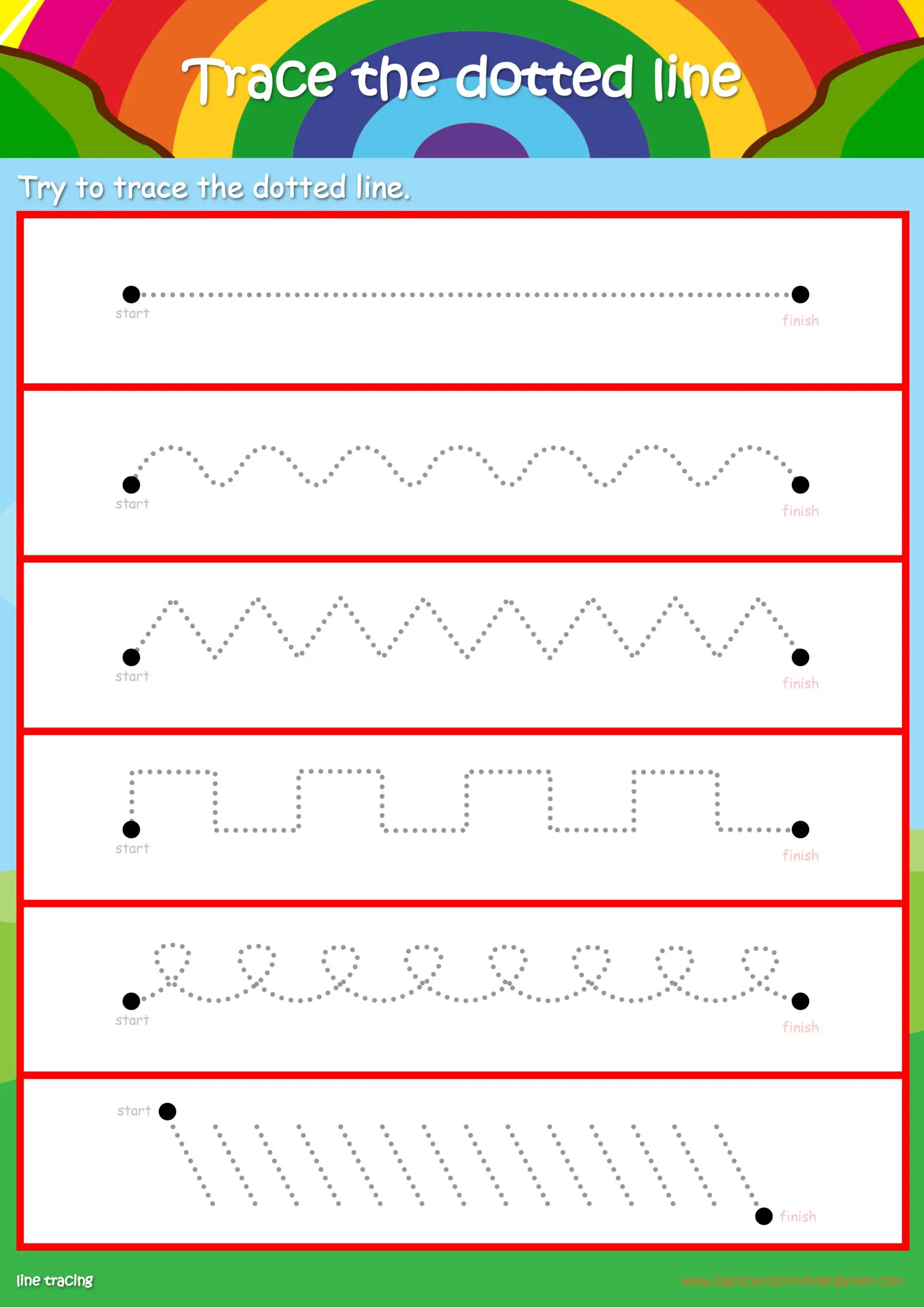
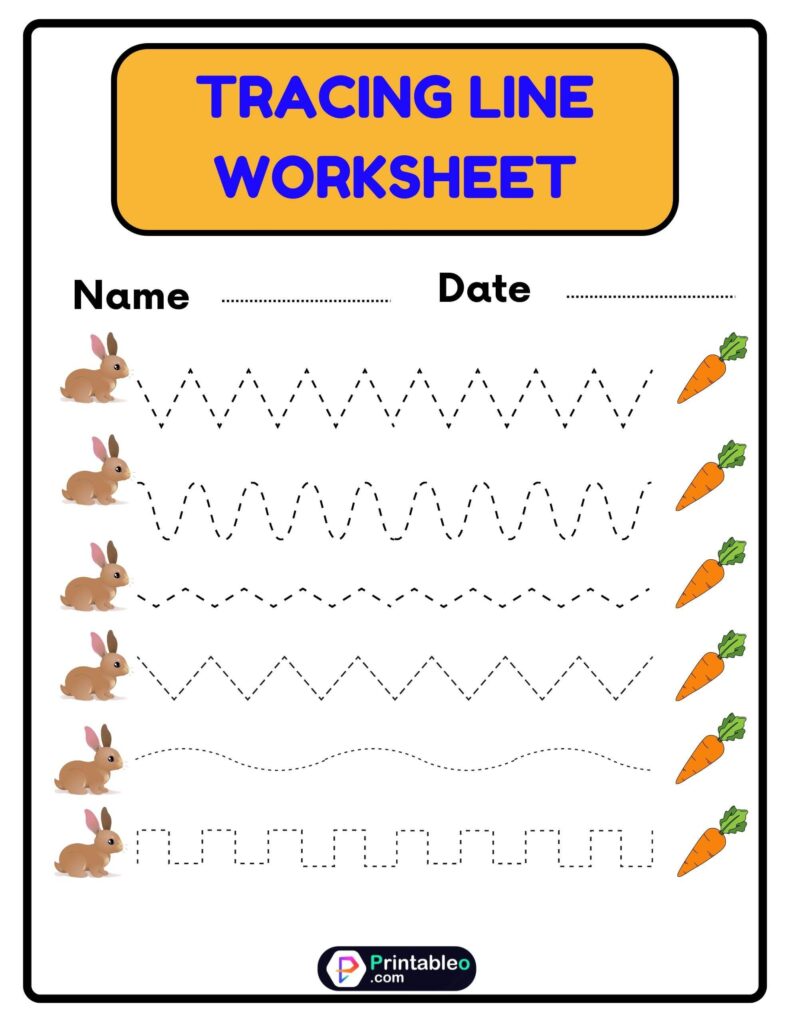
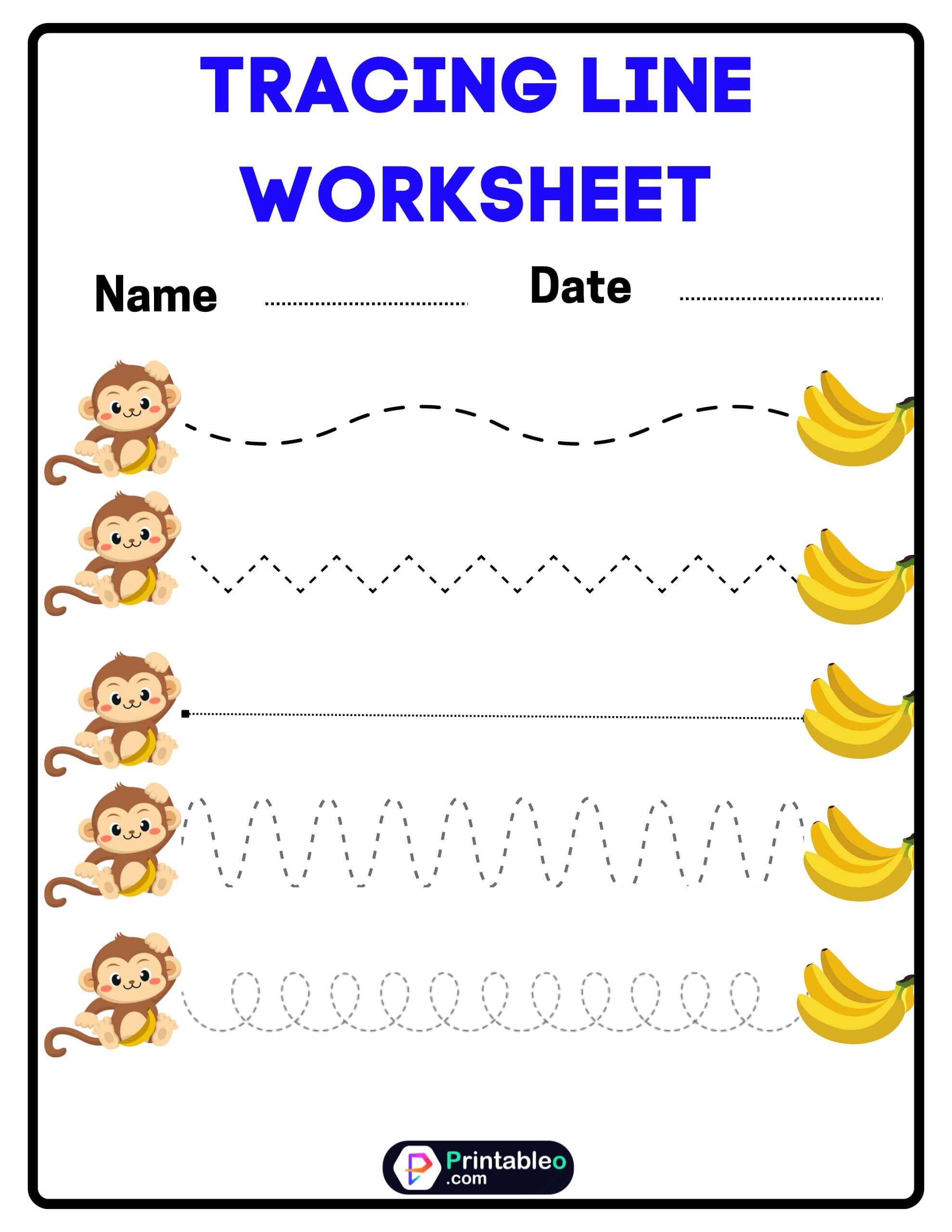
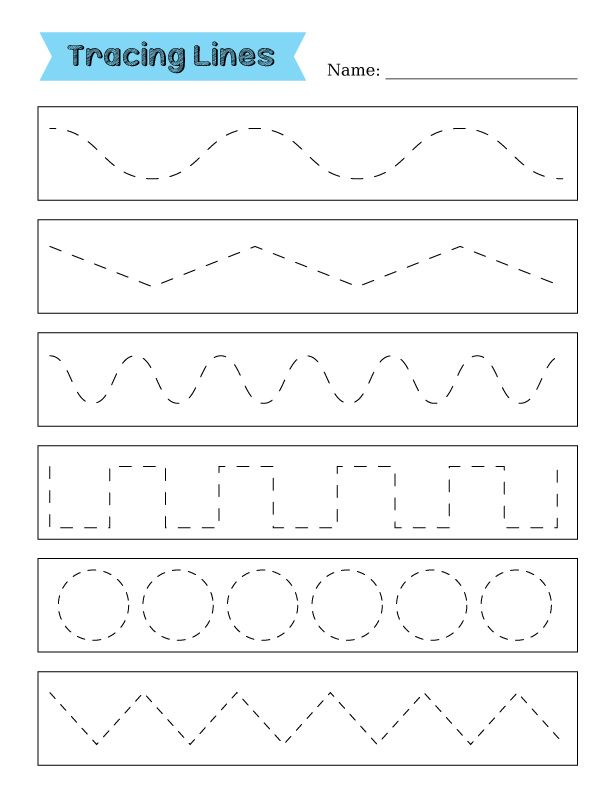
Pencil control is not a skill that appears overnight; it evolves through a predictable sequence of foundational strokes, from horizontal lines and vertical paths to complex diagonals and smooth curves. The primary tracing lines worksheet targets the exact foundational movements that pave the way for successful letter and number formation. It sounds simple, and that is precisely the point. By focusing heavily on continuous stroke execution, these pages help learners regulate pressure, manage visual-motor integration, and build spatial awareness across a structured page layout. Children navigate straight pathways, zigzags, rolling waves, and looping loops, translating visual cues from the eye straight down to the fingertips. Exploring resources like Shape and Line Tracing expands this journey further into geometric control, while broader foundational practice lives within Tracing Worksheets.
Key Learning Outcomes
Working consistently through these line sheets yields measurable growth across multiple developmental domains. Hand-eye coordination improves dramatically as visual tracking guides the pencil tip smoothly from left to right across the page. Bilateral coordination strengthens naturally because one hand stabilizes the paper while the dominant hand executes the precise drawing movement. According to the National Association for the Education of Young Children, purposeful motor activities in early childhood directly support cognitive planning and executive function. Furthermore, children develop essential visual-spatial awareness by learning to stay within boundary lines, estimating distances, and anticipating directional changes before the pencil even reaches the corner.
How to Use This Worksheet
Maximizing the effectiveness of these printables involves moving beyond passive completion and focusing instead on active, engaged mechanics. Start by ensuring the work surface sits at an appropriate height, allowing the child’s feet to rest flat on the floor and elbows to bend at a comfortable ninety-degree angle. Encourage a functional tripod grasp where the pencil rests gently against the middle finger while thumb and index finger pinch the barrel, minimizing tension in the tiny intrinsic hand muscles. If a child tires quickly or resists the activity, slide the paper inside a heavy-duty plastic sleeve and let them trace the lines using dry-erase markers. That small modification reduces friction, lowers frustration, and turns a potentially daunting writing task into a playful, low-stakes game.
Practical Tips for Parents and Teachers
Adults play a pivotal role in scaffolding this process without taking over the physical work. Model proper stroke directionality by physically drawing a line first, verbalizing the movement aloud using engaging descriptors like zooming across the straight highway or riding the gentle ocean waves. Observe closely for signs of fatigue, such as excessive leaning, white-knuckled gripping, or sudden changes in posture, and build in short hand-shaking breaks when stamina wanes. Extend the learning naturally by taking the pencil off the paper and having children trace lines in shaving cream, sandbox trays, or textured sensory bins. Building broader pre-writing foundations also benefits greatly from dedicated practice found through Fine Motor and Pre-Writing Skills collections.
Age-Appropriate Expectations
Developmental readiness spans a wide spectrum between the ages of two and eight, requiring tiered expectations aligned with established frameworks. According to the CDC developmental milestones, toddlers around age two typically scribble spontaneously and begin imitating vertical strokes, while older preschoolers around age four can usually copy horizontal lines, circles, and basic cross shapes. Children aged five to eight transition rapidly from basic pre-writing strokes to controlled manuscript letter formation, spacing words correctly on lined paper. Tailoring the complexity of the tracing lines to match these specific developmental windows ensures that learners experience steady success while continuously challenging their growing motor control systems.
Foundational motor skills and visual-motor integration are essential predictors of later academic success and legible handwriting development. — American Occupational Therapy Association
Frequently Asked Questions
Find quick answers below regarding downloading, printing, and supporting early childhood writing milestones effectively.
Explore More Free Printable Tracing Worksheets
Supporting a young writer involves offering a rich variety of engaging, developmentally sound practice materials that grow alongside their changing abilities. Beyond basic line control, children benefit immensely from exploring letter pathways, number formation, and playful seasonal themes that maintain high motivation levels. Educators, parents, and therapists can browse the entire collection of targeted resources available directly at KidTraces.com to find everything necessary for nurturing confident, capable, and enthusiastic early writers.
Developmental Milestone & Activity Table
| Development Stage | Recommended Daily Duration | Primary Learning Objective |
|---|---|---|
| Preschool & Pre-K | 10 – 15 Minutes | Pencil grip development & basic pre-stroke lines |
| Kindergarten | 15 – 20 Minutes | Letter/number formation & spatial line awareness |
| Early Elementary (Grade 1–2) | 20 – 30 Minutes | Fluency, sentence construction & neatness |
Images References