Introduction
Young learners frequently recognize letters and symbols long before small hand muscles possess the endurance or dexterity to form them on paper. According to the American Occupational Therapy Association, foundational fine motor control and bilateral coordination are essential prerequisites for functional handwriting and classroom success. Bridging that crucial gap between cognitive readiness and physical ability requires engaging, low-stress practice materials that build hand strength without causing frustration. Many children light up at the sight of cars, trucks, and airplanes zooming across a page, transforming what might feel like tedious drills into an exciting mission. The free printable tracing lines worksheet pdf simple vehicles serves this exact purpose by combining thematic motivation with targeted pre-writing strokes.
💡 Educational Key Takeaways:
- Core Skill: Structured Tracing Lines Worksheet Pdf Simple Vehicles focused on developing pencil grip, stroke control, and early literacy/math confidence.
- Target Scope: Suited for homeschoolers, preschool, kindergarten, and elementary learners.
- Best Recommendation: Practice 10–15 minutes daily with ergonomic writing tools to reinforce muscle memory without hand fatigue.
What This Worksheet Covers
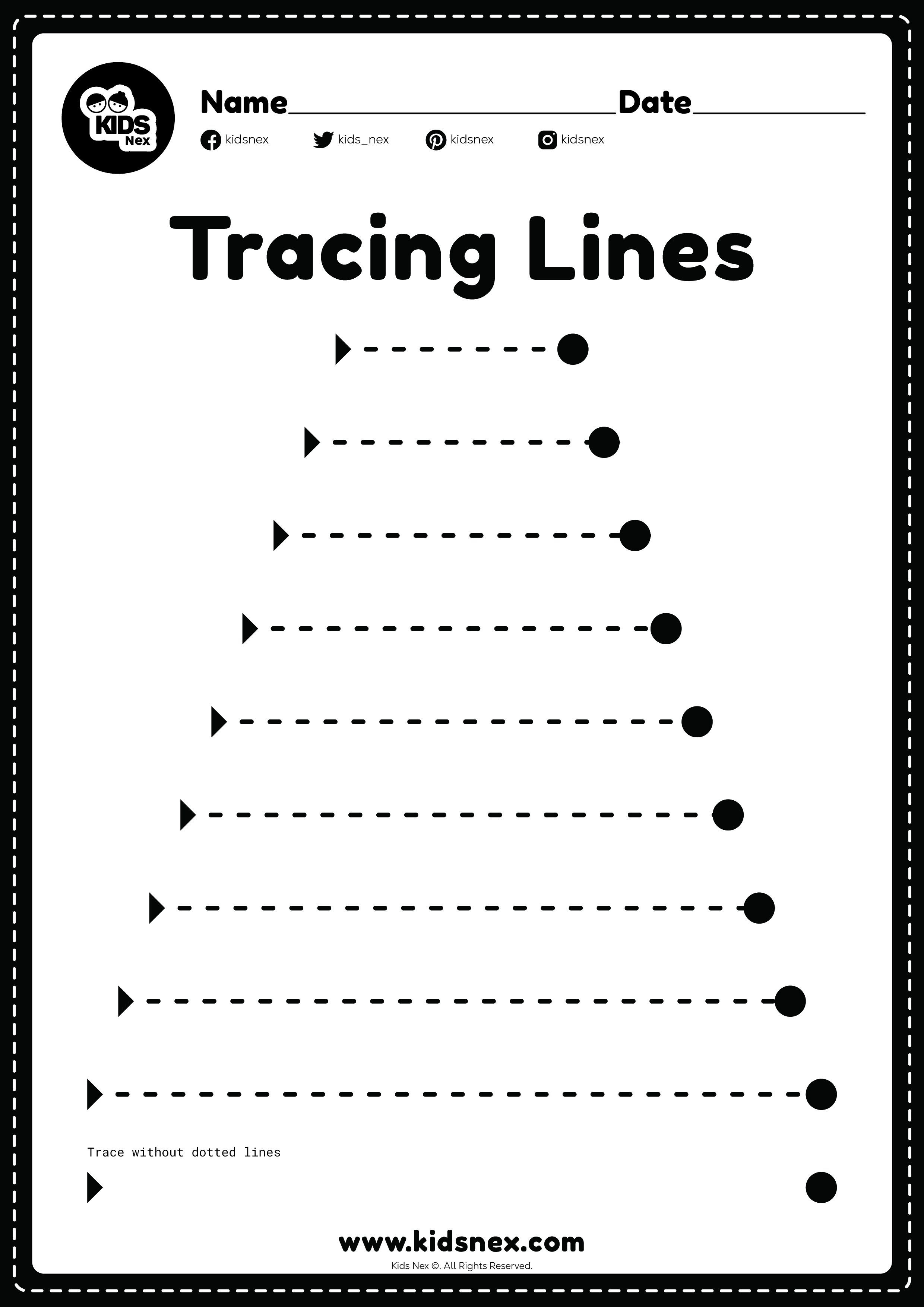
This specific resource focuses heavily on shape and line control, utilizing automotive themes to guide pencils smoothly across horizontal, vertical, diagonal, and curved paths. The pages typically feature a friendly fire truck, a dump truck, or a race car waiting to travel along dotted roadways, encouraging children to keep their writing tools in continuous contact with the paper. Every line variation mimics the foundational strokes required for future letter and numeral formation, helping little ones understand directional flow and spatial boundaries. By connecting a starting point (like a garage) to an ending point (like a destination flag), learners naturally master visual tracking and page orientation. It sounds simple, and that is precisely the point; removing the pressure of actual letter formation allows the brain to focus entirely on pressure regulation and line fluidity.
Key Learning Outcomes
Working through these vehicle-themed tracks builds vital neuromuscular pathways that support future academic milestones. Children develop refined visual-motor integration as their eyes track the moving pencil tip across curved loops and zigzag roads. Hand strength and intrinsic muscle stability improve naturally as tiny fingers learn to regulate the pressure applied to crayons or pencils. Additionally, consistent practice with directional paths fosters greater bilateral coordination, teaching the non-dominant hand to stabilize the paper while the dominant hand executes the drawing motion. These progressive benefits lay a robust foundation that transfers directly to broader Fine Motor and Pre-Writing Skills across the early childhood curriculum.
How to Use This Worksheet
Successful implementation relies on keeping the atmosphere light, encouraging, and pressure-free. Begin by slipping the sheet into a heavy-duty clear dry-erase sleeve or laminating it so children can practice the lines multiple times with a chunky marker. If a child prefers traditional paper and crayons, ensure the writing utensil is short enough to naturally encourage a functional grasp rather than a tight, fisted grip. Invite the learner to make fun engine noises as the pencil travels along the track, turning a quiet desk task into a multisensory driving game. When attention begins to wane, pause the session immediately rather than pushing through fatigue, because tired hands quickly develop poor postural habits.
Practical Tips for Parents and Teachers
Adults play a powerful role as facilitators by modeling proper pencil positioning and guiding hands gently from behind only when extra support is needed. Scaffolding the activity effectively might mean starting with thick, straight horizontal lines before introducing complex zigzags or looping roads that mimic emergency vehicle paths. For learners who struggle to stay on track, placing tactile elements like tactile stickers or yarn along the dotted paths provides sensory feedback that keeps the pencil anchored. Extending the activity off the page can involve drawing giant chalk roads on the driveway and having children trace them with wheeled toys before returning to paper. For more creative avenues to engage young learners, browse through Shape and Line Tracing practice sheets.
Age-Appropriate Recommendations
Aligning expectations with developmental stages prevents burnout and keeps enthusiasm high. According to the National Association for the Education of Young Children Developmentally Appropriate Practice framework, children ages two to four benefit most from large, gross-motor-informed pre-writing lines, thick crayons, and horizontal or vertical strokes. Around ages five to eight, expectations shift toward controlled diagonal lines, complex curves, and pencil precision that supports formal letter writing. Selecting the appropriate vehicle track density ensures that the child is appropriately challenged without facing tasks that exceed current muscle endurance. To expand the learning journey into other creative domains, explore thematic options available under Seasonal and Fun Themes.
Foundational fine motor control and visual-motor integration are essential prerequisites for functional handwriting and classroom success. — American Occupational Therapy Association (AOTA)
Frequently Asked Questions
According to the Centers for Disease Control and Prevention, young children reach important developmental milestones in how they play, learn, speak, act, and move. — CDC Milestones
Explore More Free Printable Tracing Worksheets
Supporting a young learner through every stage of development requires a diverse library of engaging, accessible resources. Whether building early pencil control, exploring creative shapes, or preparing for alphabet instruction, consistent and playful practice makes all the difference. Discover hundreds of additional printable resources designed by educators and therapists by visiting the complete collection at KidTraces.com.
Developmental Milestone & Activity Table
| Development Stage | Recommended Daily Duration | Primary Learning Objective |
|---|---|---|
| Preschool & Pre-K | 10 – 15 Minutes | Pencil grip development & basic pre-stroke lines |
| Kindergarten | 15 – 20 Minutes | Letter/number formation & spatial line awareness |
| Early Elementary (Grade 1–2) | 20 – 30 Minutes | Fluency, sentence construction & neatness |
Images References