Introduction
Watch any group of preschoolers, and a fascinating developmental truth quickly emerges: children recognize letters and numbers long before their small hands possess the intrinsic strength required to form them cleanly on paper. According to the American Occupational Therapy Association, early pencil control relies heavily on foundational postural stability and proximal muscle development before distal finger dexterity fully matures. Bridging this cognitive-motor gap requires targeted practice that connects abstract numeric concepts with tangible literacy skills. The free printable tracing numbers as words worksheet provides an invaluable bridge, moving learners beyond simple digit recognition into the territory of orthographic spelling. It sounds simple, and that is precisely the point. By transforming number words into guided tracing pathways, children simultaneously reinforce early math vocabulary and essential handwriting mechanics.
💡 Educational Key Takeaways:
- Core Skill: Structured Tracing Numbers As Words focused on developing pencil grip, stroke control, and early literacy/math confidence.
- Target Scope: Suited for homeschoolers, preschool, kindergarten, and elementary learners.
- Best Recommendation: Practice 10–15 minutes daily with ergonomic writing tools to reinforce muscle memory without hand fatigue.
What This Worksheet Covers
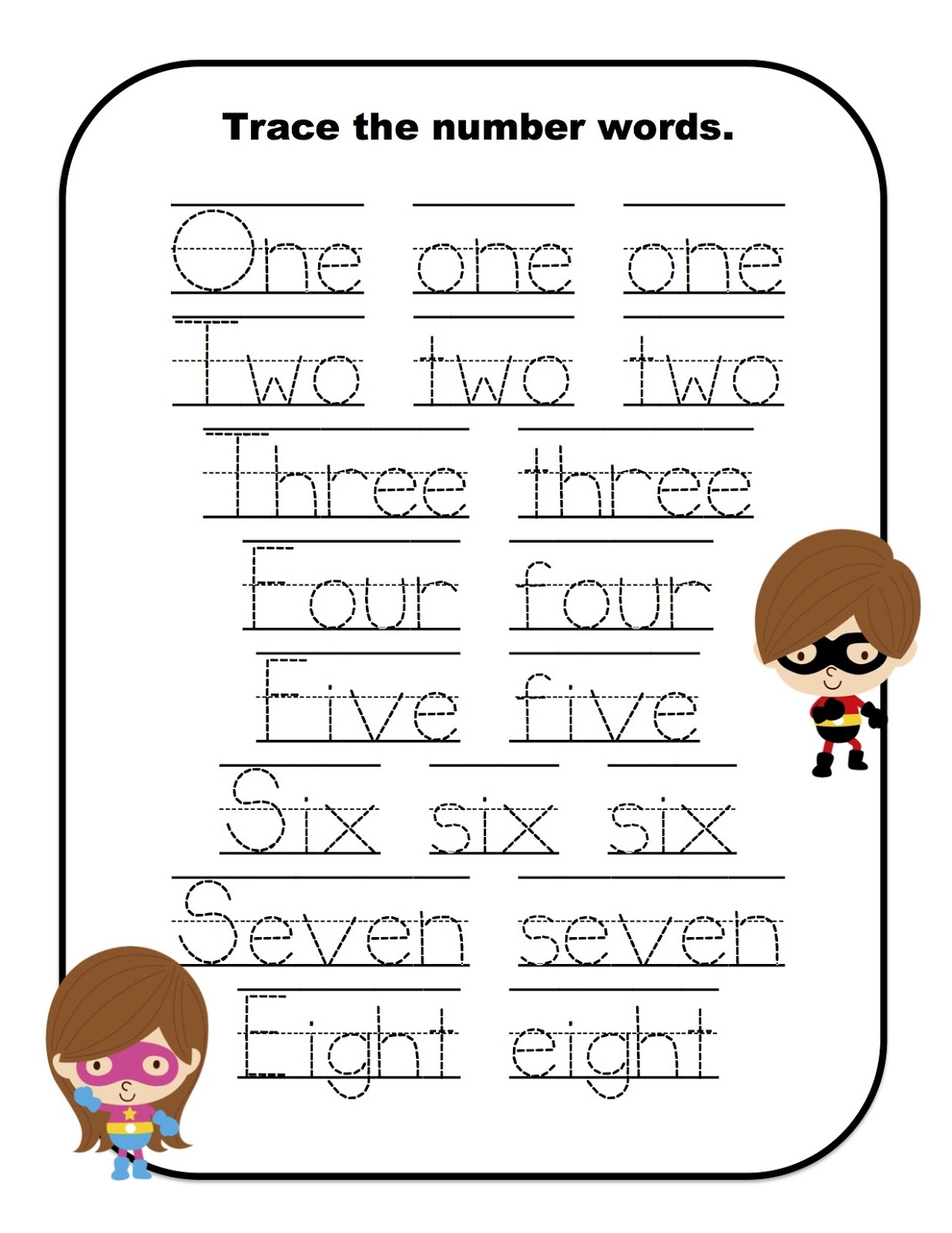
This specific educational resource focuses on bridging numerical concepts with early reading and writing mechanics by presenting numbers spelled out alphabetically. Instead of merely copying numerals, children trace letter formations that spell out words like “one,” “two,” and “three.” Each line incorporates carefully measured letter sizing, distinct starting dots, and directional arrows to guide proper stroke sequence. This layout ensures that young writers practice consistent letter spacing, baseline adherence, and fluid directional control. Exploring these materials complements broader exercises found within the Tracing Number section, while also laying groundwork for broader literacy milestones. Here is what makes this worksheet different: it treats number words not just as spelling lists, but as motor planning blueprints that unify math and literacy instruction.
Key Learning Outcomes
Engaging with these tracing pages yields multiple developmental benefits across cognitive and physical domains. Learners master correct letter sequencing for high-frequency sight words, which directly supports early spelling and reading fluency. According to Reading Rockets, explicit instruction in letter formation and orthographic mapping significantly boosts overall literacy acquisition in early childhood classrooms. Children also refine fine motor precision as they navigate multi-directional strokes, curves, and vertical lines within constrained spaces. Furthermore, the activity strengthens visual-motor integration, teaching hands to translate visual letter patterns into smooth, controlled physical movements across the page. These combined outcomes prepare learners for more advanced writing tasks available throughout the Word and Name Tracing category.
How to Use This Worksheet
Successful implementation begins with setting up an environment that encourages relaxed concentration rather than rigid perfection. Place the worksheet on a flat, stable surface where the child’s feet can rest flat on the floor or a footrest to establish core stability. Invite the learner to point to each word first, reading it aloud before picking up a writing utensil. Encourage a functional tripod grasp, but remain flexible if a transitional grasp provides better control during longer writing sessions. Adults can demonstrate the initial strokes on a separate sheet, verbalizing directional cues like “start at the top, curve around, and slide across.” If hands tire quickly, allow short movement breaks to shake out the fingers before returning to complete the page.
Practical Tips for Parents and Teachers
Scaffolding instruction effectively means meeting learners precisely where their fine motor endurance currently rests. For children who struggle with pencil pressure, placing a soft foam mat underneath the worksheet provides sensory feedback and increases tactile awareness. Teachers and parents can use fading scaffolds, initially hand-over-hand guiding the writing utensil, then shifting to gentle elbow guidance, and finally offering verbal prompts only. To extend the activity beyond paper, have children spell out the number words using tactile materials like playdough snakes or salt trays before returning to the printed page. Integrating these multi-sensory strategies prevents fatigue and keeps frustration levels low, ensuring positive associations with writing practice.
Age-Appropriate Recommendations
Developmental readiness dictates how children interact with spelling and tracing activities across different early childhood stages. Younger children aged two to four typically benefit from grosser motor exercises found in Shape and Line Tracing, aligning with NAEYC Developmentally Appropriate Practice guidelines for exploratory sensory-motor play. By ages five through eight, children transition into structured handwriting instruction. During these early elementary years, tracing number words aligns directly with Common Core ELA standard L.K.1, which emphasizes printing all uppercase and lowercase letters while building foundational vocabulary. Older kindergarten and first-grade students use these sheets to refine letter proportions, spacing, and baseline orientation as required by the Handwriting Without Tears curriculum framework.
Early literacy acquisition improves significantly when writing mechanics and phonics instruction are practiced simultaneously through guided orthographic mapping. — Reading Rockets
Frequently Asked Questions
Parents and educators often have specific questions regarding the practical implementation of printable writing resources in home and classroom environments. Clear, concise answers help maximize the educational impact of every tracing session.
Explore More Free Printable Tracing Worksheets
Building robust writing skills requires a varied diet of engaging, targeted practice materials that grow alongside the child. Educators and caregivers can expand their toolkit by browsing the complete collection of resources available at KidTraces.com. Whether focusing on foundational pencil control, seasonal motifs, or letter formation, every printable aims to make learning joyful and accessible. Explore related categories such as Alphabet And Numbers Tracing or Dotted Letters For Tracing to find additional sheets tailored to every stage of early childhood development.
Developmental Milestone & Activity Table
| Development Stage | Recommended Daily Duration | Primary Learning Objective |
|---|---|---|
| Preschool & Pre-K | 10 – 15 Minutes | Pencil grip development & basic pre-stroke lines |
| Kindergarten | 15 – 20 Minutes | Letter/number formation & spatial line awareness |
| Early Elementary (Grade 1–2) | 20 – 30 Minutes | Fluency, sentence construction & neatness |
Images References