Introduction
Many children recognize numerals long before their developing hands possess the fine motor strength and dexterity required to form them on paper. According to the American Occupational Therapy Association, foundational pencil control and hand manipulation skills are essential precursors to academic success and handwriting fluency. Bridging the gap between cognitive recognition and physical execution requires intentional, structured practice that honors how young children actually learn. This journey begins when adults introduce the free printable tracing numbers 1 10 into daily learning routines. It sounds simple, and that is precisely the point. By breaking down complex mathematical symbols into manageable, guided strokes, these printables offer a supportive bridge from observation to independent creation.
💡 Educational Key Takeaways:
- Core Skill: Structured Free Printable Tracing Numbers 1 10 focused on developing pencil grip, stroke control, and early literacy/math confidence.
- Target Scope: Suited for homeschoolers, preschool, kindergarten, and elementary learners.
- Best Recommendation: Practice 10–15 minutes daily with ergonomic writing tools to reinforce muscle memory without hand fatigue.
What This Worksheet Covers
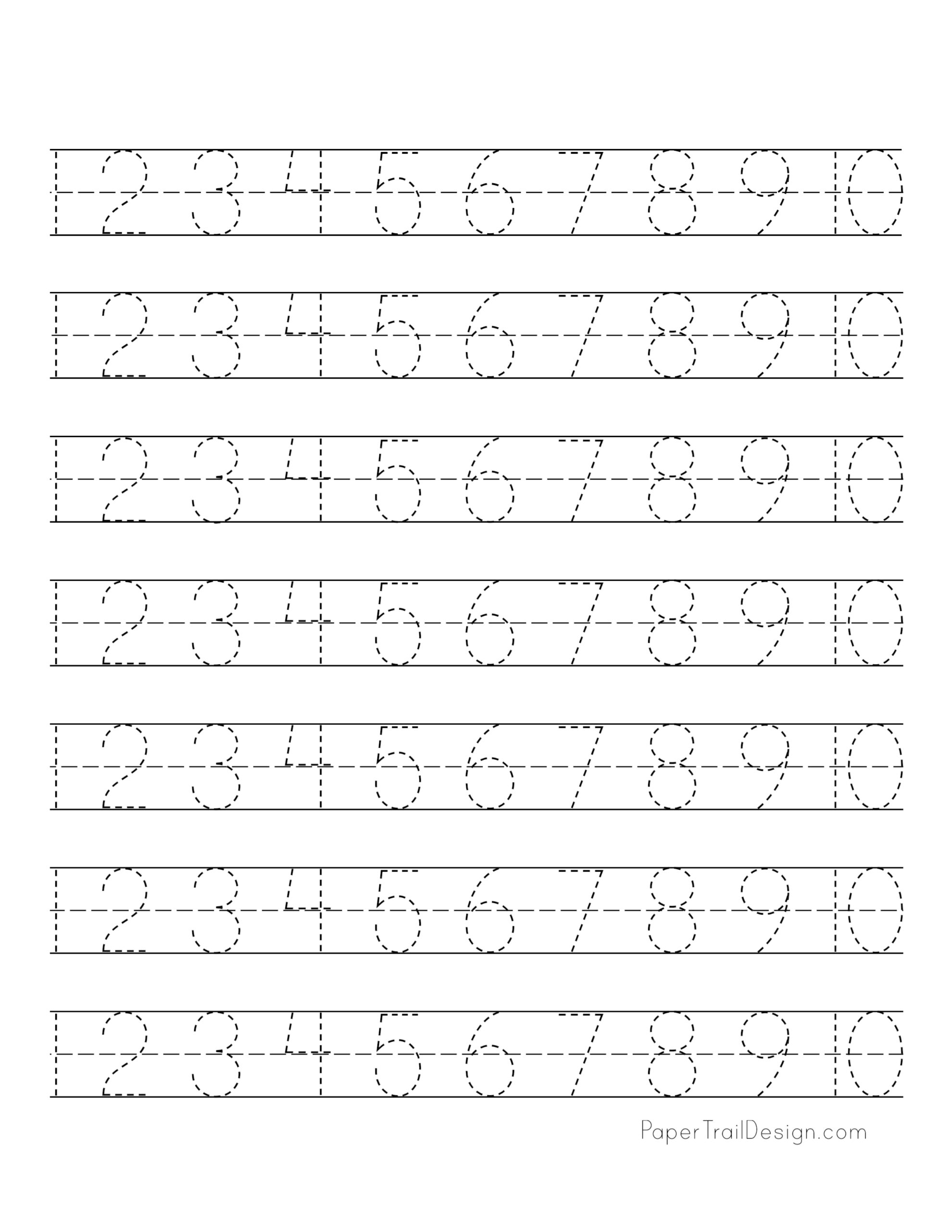
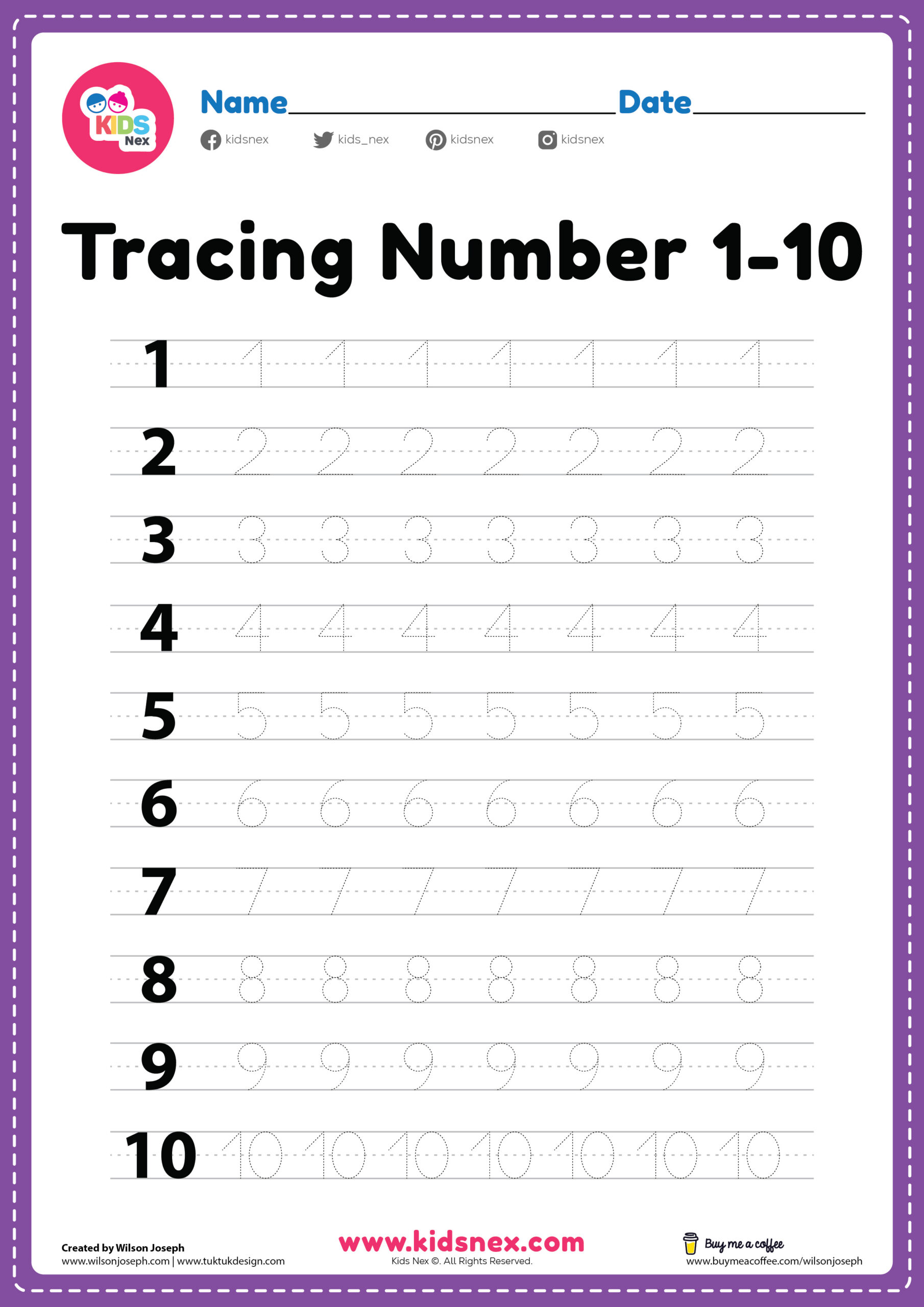
Structured numeral tracing sheets focus heavily on correct numeral formation, stroke order, and proportional sizing within primary writing lines. Each digit from one through ten is presented with explicit visual cues, typically featuring numbered arrows and distinct starting dots that guide the hand through the correct directional path. Rather than mere repetition, these resources address spatial awareness, teaching children how to anchor their writing on a baseline and maintain consistent height. For educators and families seeking broader numerical practice, additional resources can be found within the curated Tracing Number section, ensuring a seamless progression of mathematical and motor skills.
Key Learning Outcomes
Engaging with structured numeral practice fosters several interconnected developmental milestones. First, children develop directional awareness by consistently starting strokes from the top and moving downward or left to right. Second, hand-eye coordination improves as pencils track along dotted paths, strengthening the neural pathways responsible for visual-motor integration. Third, working memory expands as learners internalize the sequential steps required to form tricky digits like threes, fives, and eights without constant adult prompting. Finally, early numeracy solidifies through repetitive physical engagement with the symbols representing quantities, reinforcing the vital link between abstract numbers and tangible counting values. This comprehensive skill building prepares children for more complex math tasks found throughout the Alphabet And Numbers Tracing collection.
How to Use This Worksheet
Successful implementation relies on creating an inviting, low-pressure environment where children feel safe making mistakes and refining their movements. Begin by sliding the printable sheet inside a heavy-duty plastic dry-erase pocket or laminating it, which allows learners to practice the same digit multiple times using a marker before transitioning to standard paper and pencil. Watch closely for signs of hand fatigue, and keep sessions brief—typically lasting five to ten minutes at a time. According to Reading Rockets, multisensory strategies significantly enhance early literacy and writing acquisition by engaging tactile and visual pathways simultaneously. Incorporating sensory elements, such as having a child trace the numeral shape in a tray of salt or sand before touching pencil to paper, deepens muscle memory and ensures greater long-term retention of correct stroke patterns.
Practical Tips for Parents and Teachers
Encouraging an efficient pencil grasp remains paramount during these formative writing exercises, discouraging awkward fist grips that cause hand cramping. Adults should gently model a dynamic tripod grasp, ensuring the pencil rests comfortably against the side of the middle finger while the thumb and index finger control the tip. When scaffolding support, guide the child’s hand through the first few strokes before fading assistance and allowing them to finish independently. Extend the learning naturally by asking the child to count physical objects—such as building blocks or buttons—to match the numeral they just practiced tracing. For learners who require additional foundational work on pencil control and continuous lines, exploring the Fine Motor and Pre-Writing Skills category provides wonderful preparatory exercises.
Age-Appropriate Recommendations
Developmental expectations must align closely with the age and physical maturity of the child, as outlined by the National Association for the Education of Young Children Developmentally Appropriate Practice framework. For younger children aged two to four, the emphasis rests heavily on large-muscle control, sensory exploration, and basic pre-writing strokes rather than perfection in numeral formation. At this stage, adults should accept varied grasps and focus primarily on engagement, directional awareness, and introducing the concept of symbols. Conversely, children aged five to eight are typically refining their fine motor precision, developing hand dominance, and learning to write numerals within defined grid lines or primary writing spaces. Providing targeted support tailored to these specific developmental windows ensures that writing remains an enjoyable, empowering experience rather than a source of frustration.
Foundational fine motor and visual-motor integration skills are critical predictors of later academic success and legible handwriting fluency. — American Occupational Therapy Association
Frequently Asked Questions
Explore More Free Printable Tracing Worksheets
Supporting a child’s early writing journey requires a diverse array of engaging resources that grow alongside their developing capabilities. Beyond numeral practice, young learners benefit immensely from exploring various line controls, letter formations, and creative thematic exercises designed to build confidence and coordination. Discover a comprehensive library of supportive materials by visiting KidTraces.com to find everything needed for joyful, effective early childhood skill development.
Developmental Milestone & Activity Table
| Development Stage | Recommended Daily Duration | Primary Learning Objective |
|---|---|---|
| Preschool & Pre-K | 10 – 15 Minutes | Pencil grip development & basic pre-stroke lines |
| Kindergarten | 15 – 20 Minutes | Letter/number formation & spatial line awareness |
| Early Elementary (Grade 1–2) | 20 – 30 Minutes | Fluency, sentence construction & neatness |
Images References