Introduction
Many children recognize numerals and letters long before tiny hands possess the physical endurance required to form them on paper. According to the National Association for the Education of Young Children (NAEYC), developmentally appropriate practice requires balancing academic expectations with the physical readiness of the child. Watching a preschooler clutch a marker with a closed fist while trying to copy a digit reveals the exact gap between cognitive understanding and physical capability. Bridging that gap takes playful, low-pressure repetition that transforms handwriting practice into an engaging game. The free printable roll and trace numbers worksheet provides this exact balance, combining the excitement of a dice roll with essential numeral formation practice.
💡 Technical Key Takeaways:
- Core Focus: Diagnostic schematic and terminal connection layout for Roll And Trace Numbers.
- Target Scope: Field technicians, automotive DIYers, and residential/commercial electricians.
- Safety Rule: Always disconnect the primary power source/battery terminal and verify zero voltage with a multimeter before touching wires.
What This Worksheet Covers
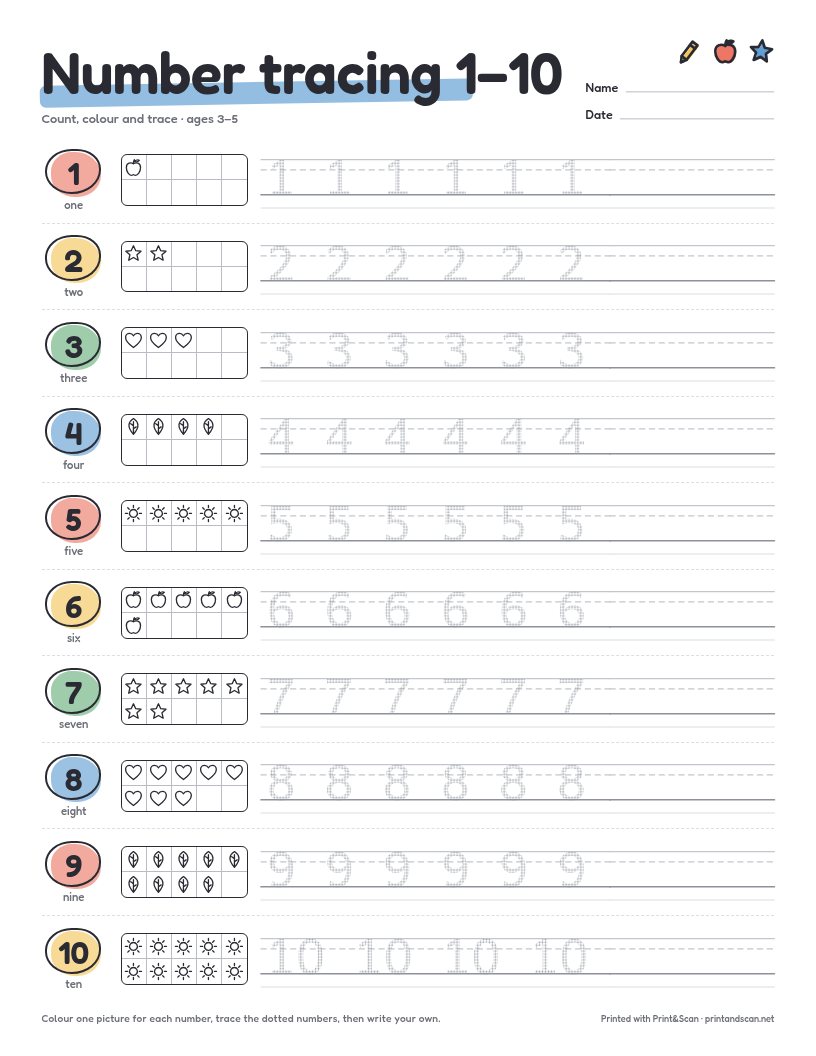
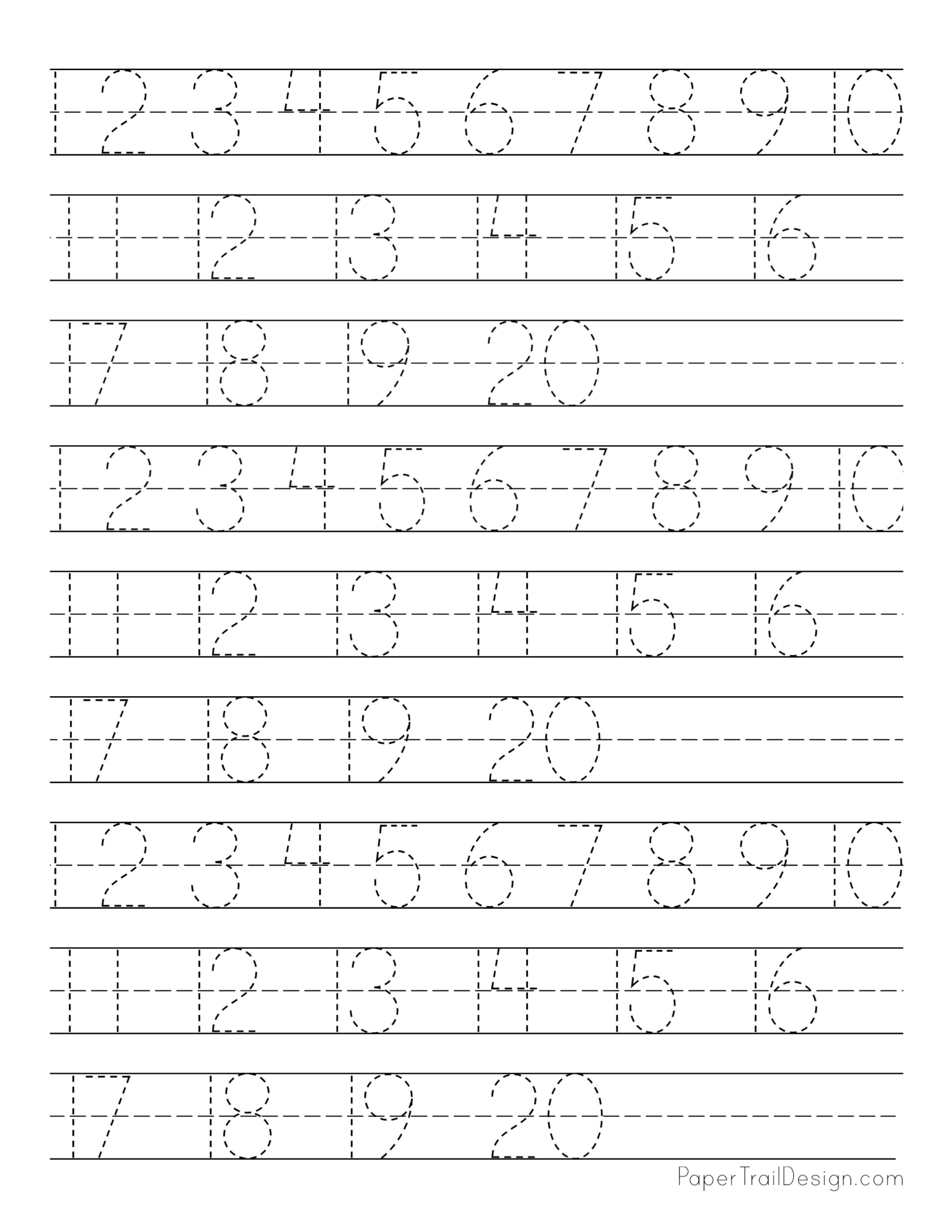
This resource transforms traditional math and handwriting practice into an interactive experience. Children roll a die, identify the number on the face, and locate the corresponding numeral on the page to trace. It sounds simple, and that’s the point. By integrating tactile play with visual scanning and pencil control, the activity addresses multiple developmental domains at once. The sheet targets correct numeral formation, starting points, and stroke directionality, ensuring bad habits like drawing numbers from the bottom up are avoided before they become entrenched muscle memory. As children hunt for the correct row after each roll, visual-motor integration and hand-eye coordination get a thorough workout without the fatigue of a standard drill worksheet.
Key Learning Outcomes
Targeted skill practice yields tangible progress in early childhood classrooms and home learning environments alike. Children build foundational numercy through active digit recognition alongside fine motor refinement. Consistent engagement strengthens the intrinsic hand muscles required for a functional pencil grasp, reducing early writing fatigue. Furthermore, learners master directional control by repeatedly tracing purposeful Shape and Line Tracing patterns embedded within the numerals. Spatial awareness improves as little ones navigate structured rows and columns on the paper. Ultimately, this playful method fosters confidence, turning reluctant writers into enthusiastic participants during table time.
How to Use This Worksheet
Setting up the activity takes just seconds, requiring only a printed sheet, a standard die, and a favorite writing utensil. Introduce the game by demonstrating how to roll the die, name the rolled number aloud, and scan the paper to find the matching column. Children then trace one instance of that numeral, practicing the correct top-to-bottom stroke sequence. Repeat the process until a designated column fills up completely or a timer goes off, turning the page into a lively race against oneself. To maximize the durability of the printable, slip the sheet inside a clear plastic dry-erase sleeve and hand the child a thin marker for endless recycling.
Practical Tips for Parents and Teachers
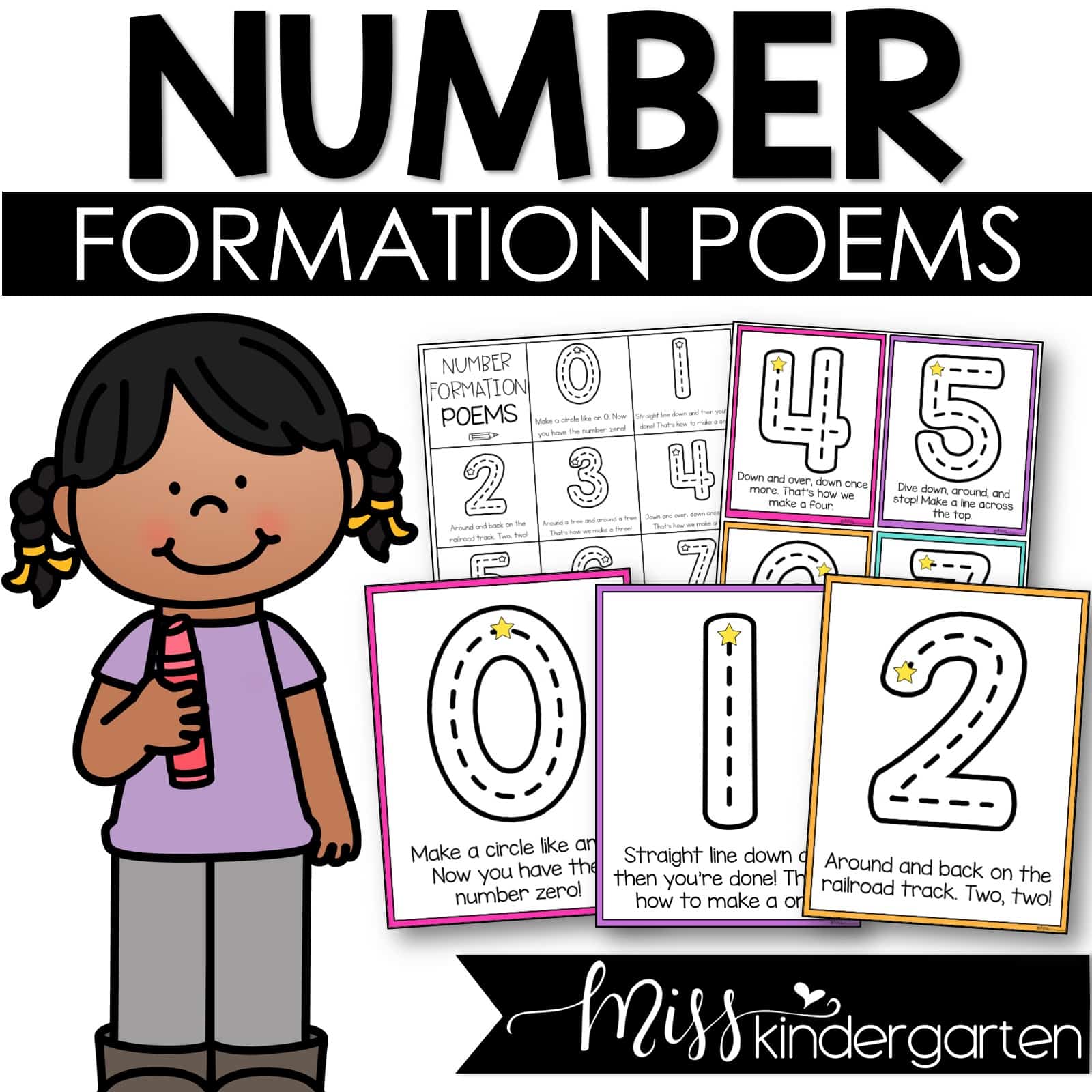
Scaffolding the experience ensures every child succeeds regardless of current motor abilities. Adults should model a mature tripod or quadripod pencil grasp before handing over the utensil, gently repositioning fingers if the hand collapses into a fist. When working with younger learners, breaking down the strokes using verbal cues like “magic C” or “straight line down” provides helpful auditory anchors for visual paths. For children who struggle with the rolling mechanic, a foam dice works wonders by reducing table noise and bounce. Extending the activity is just as easy; ask advanced learners to write the numeral independently in the blank space next to the dotted lines, building a bridge toward independent writing found within Alphabet And Numbers Tracing collections.
Age-Appropriate Recommendations
Developmental readiness dictates how children interact with writing tools and numbers. According to the Centers for Disease Control and Prevention (CDC) developmental milestones, toddlers around age three typically begin drawing simple vertical strokes and circles, while older preschoolers refine control to copy more complex shapes and early numerals. For children ages two to four, the focus should remain on sensory exploration, large-scale tracing, and building hand strength through playful manipulation rather than rigid perfection. Children ages five to eight transition smoothly into formal handwriting instruction aligned with educational guidelines such as Common Core standard K.CC.A.3, which focuses on writing numbers from zero to twenty. During these primary years, structured practice supports fluency and automaticity, paving the way for advanced mathematical notation and expanded literacy found throughout the Tracing Worksheets library.
Fine motor control and finger dexterity in early childhood directly correlate with long-term writing speed and legibility — American Occupational Therapy Association (AOTA)
Frequently Asked Questions
Clear answers help caregivers implement tracing activities effectively at home or in the classroom. The frequently asked questions below address common logistical and developmental inquiries regarding printable number activities.
Explore More Free Printable Tracing Worksheets
Supporting a young learner’s journey requires a diverse toolkit of engaging, hands-on resources. Beyond numeral practice, exploring variations like Dotted Letters For Tracing keeps writing sessions fresh and exciting. Discover a vast assortment of early childhood materials designed by educators by visiting the full library at KidTraces.com to inspire the next generation of confident writers.
Quick Wiring Specifications & Terminal Guide
| Component / Circuit | Standard Wire Gauge | Recommended Protection |
|---|---|---|
| Control & Trigger Signals | 18 – 20 AWG | 5A – 7.5A Inline Fuse |
| Standard Auxiliary Load | 14 – 16 AWG | 15A – 20A Circuit Breaker |
| Main Power Feed / Supply | 10 – 12 AWG | 30A – 40A Heavy-Duty Relay |
Images References