Introduction
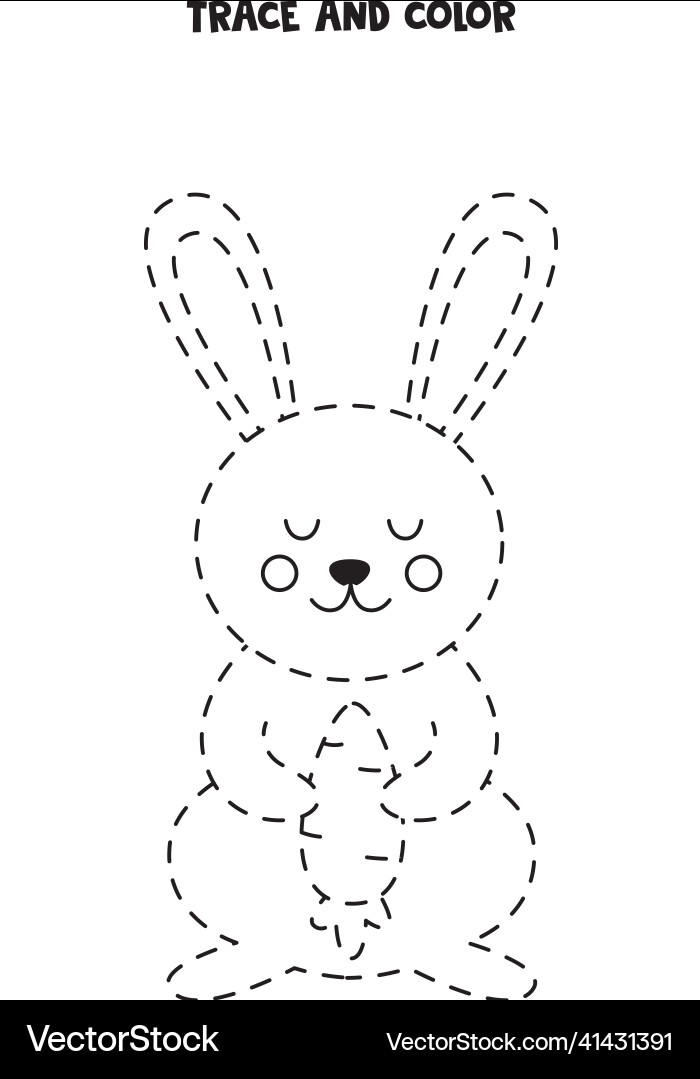
Many young children recognize letters and symbols long before their fine motor skills can physically form them on paper. According to the American Occupational Therapy Association, foundational hand strength and pencil control must develop progressively through play and targeted practice before a child can master fluid handwriting. Bridging this gap between cognitive readiness and physical execution requires engaging tools that make pencil control feel like an enjoyable game rather than a tedious drill. The easter bunny tracing worksheet transforms seasonal excitement into purposeful pre-writing practice, helping young learners build essential hand-eye coordination naturally. It sounds simple, and that is the exact point.
💡 Educational Key Takeaways:
- Core Skill: Structured Easter Bunny Tracing Worksheet focused on developing pencil grip, stroke control, and early literacy/math confidence.
- Target Scope: Suited for homeschoolers, preschool, kindergarten, and elementary learners.
- Best Recommendation: Practice 10–15 minutes daily with ergonomic writing tools to reinforce muscle memory without hand fatigue.
What This Worksheet Covers
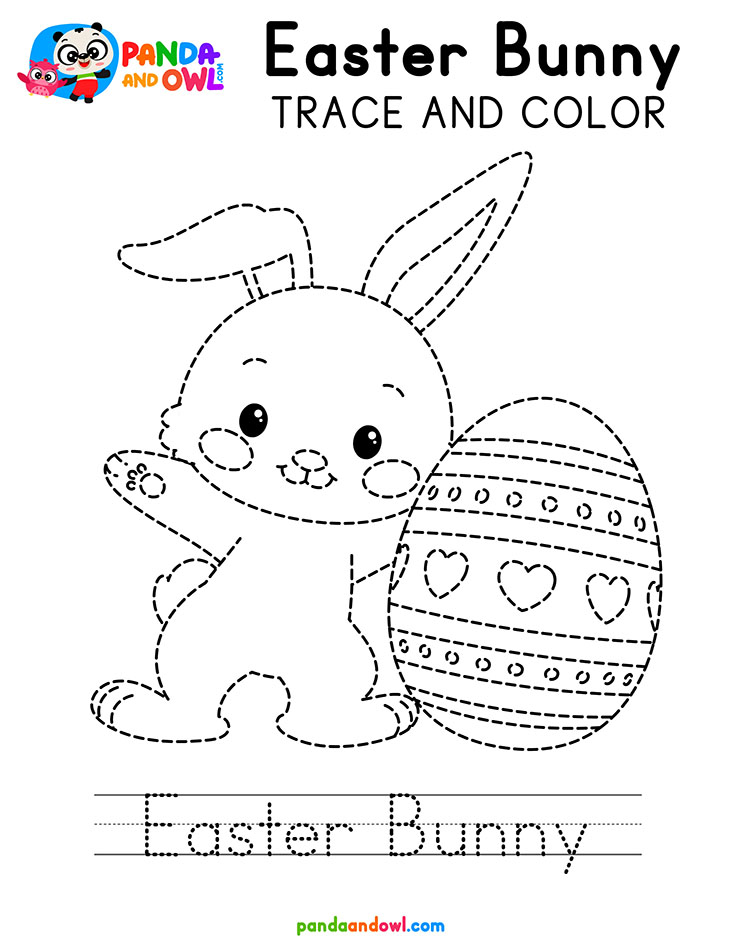
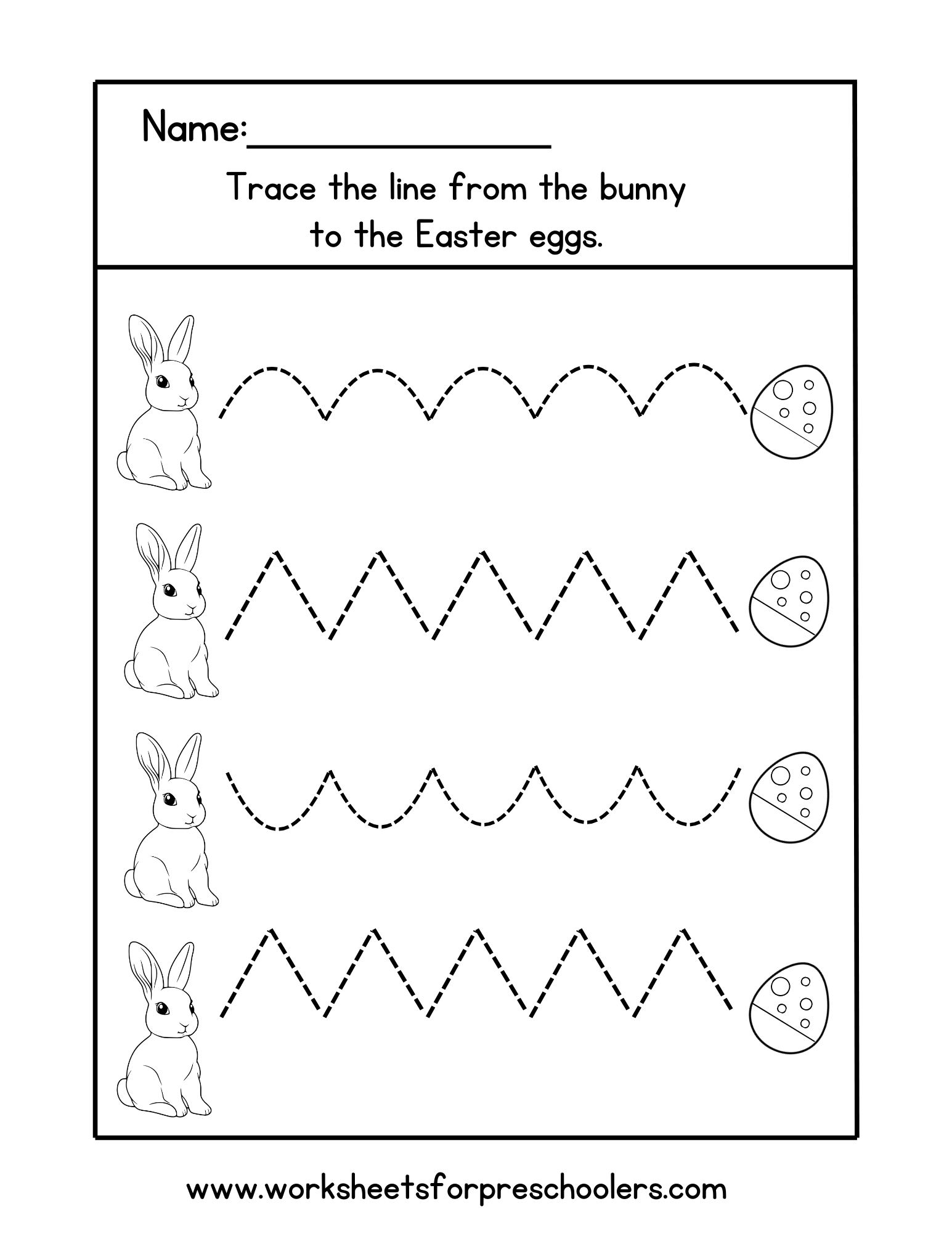
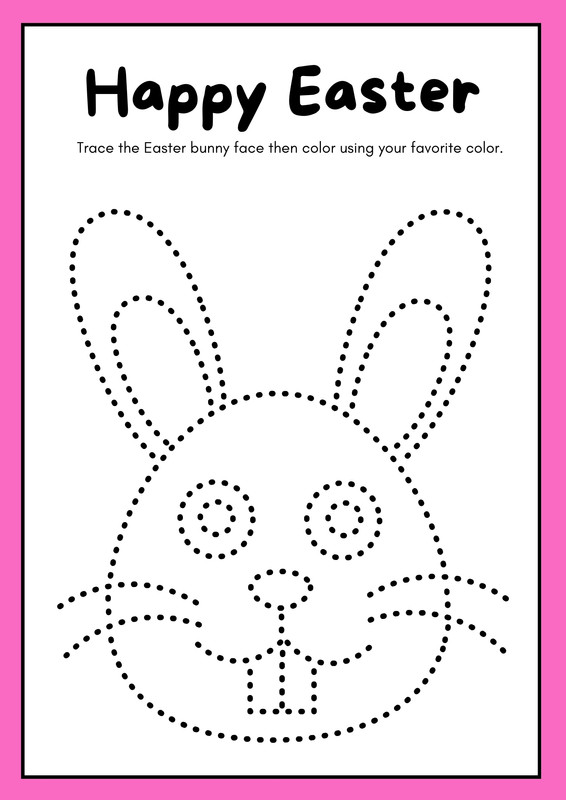
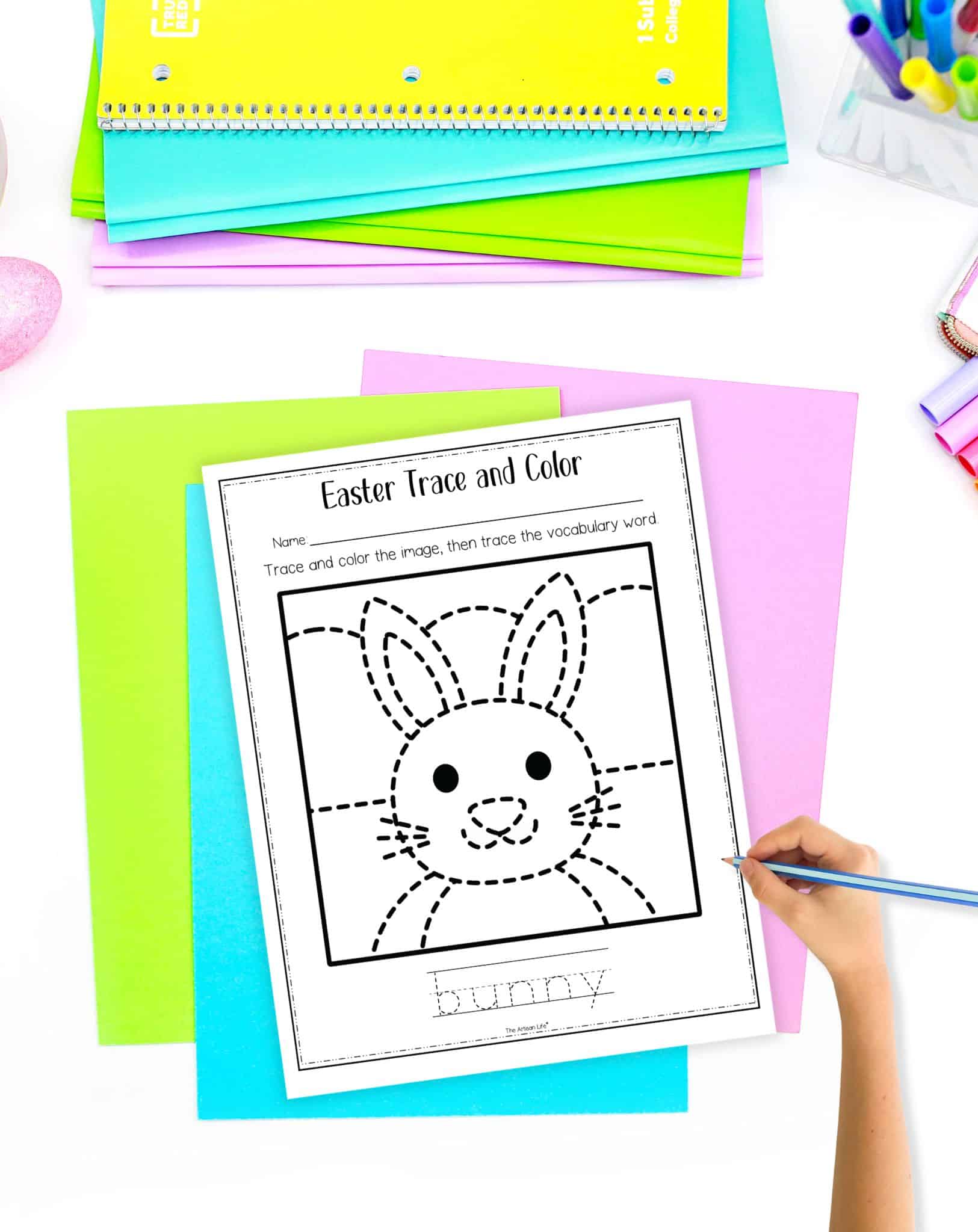
Seasonal printables provide a wonderful context for developing foundational skills because holiday motifs naturally capture attention and prolong engagement. This specific resource focuses heavily on seasonal and fun themes to motivate reluctant writers who might otherwise resist traditional pencil-and-paper tasks. Children navigate zig-zags, loops, and gentle curves that mimic bunny hops, grass, and Easter eggs, moving far beyond standard static worksheets. Every path encourages continuous fluid movement, which directly supports the muscle memory required for future letter and numeral formation.
Key Learning Outcomes
Targeted tracing exercises yield measurable gains across several developmental domains. First, learners refine visual-motor integration by coordinating eye movements with hand placement to stay inside distinct pathways. Second, children build intrinsic hand strength and stability as fingers make minute adjustments to maintain a functional grasp over varying line configurations. Third, directional tracking improves significantly from left to right, laying the groundwork for early reading proficiency and proper text scanning behaviors. Finally, impulse control is naturally strengthened as little ones learn to slow down and modulate their hand speed to navigate sharp corners and complex loops successfully.
How to Use This Worksheet
Successful implementation relies on meeting children at their current developmental level while keeping the atmosphere relaxed and encouraging. Adults should introduce the activity by treating the lines as fun travel paths for the holiday character, inviting the child to help the bunny hop home. For children who struggle with standard paper placement, taping the sheet to the table or using a sloped writing board can instantly improve posture and wrist positioning. According to Reading Rockets, multisensory pre-writing approaches dramatically enhance retention and motor planning, so tracing paths with a finger or a toy car before picking up a pencil yields fantastic results.
Practical Tips for Parents and Teachers
Observing hand placement during tracing reveals much about current muscle fatigue and endurance levels. Adults should gently encourage an open web space and a functional tripod grasp without turning corrections into a frustrating battle of wills. Scaffolding the activity is essential; if continuous lines prove too challenging initially, thicker markers can provide immediate visual feedback and require less downward pressure than standard pencils. When children master basic shapes and lines, caregivers can extend the challenge by asking them to trace the pathways while describing the direction aloud, reinforcing spatial vocabulary alongside fine motor control.
Age-Appropriate Recommendations
Developmental expectations vary widely across early childhood, making it vital to tailor expectations to individual maturity rather than strict chronological age. For toddlers and preschoolers ages two through four, aligned with the National Association for the Education of Young Children guidelines for developmentally appropriate practice, the primary goal involves exploring thick markers over large, simple curves without strict adherence to boundaries. Children ages five through eight require more refined precision, working on smaller grids, tighter directional control, and cleaner pencil strokes that resemble standard manuscript writing. Exploring related resources within Shape and Line Tracing helps educators find the exact difficulty level required for each individual learner.
Fine motor control and visual-motor integration are among the strongest predictors of early academic success and reading readiness in young children. — American Occupational Therapy Association
Frequently Asked Questions
Caregivers and educators frequently ask practical questions about integrating tracing printables into daily routines. Clear guidance ensures these resources are utilized effectively to maximize developmental benefits without causing frustration.
Tracing exercises actively strengthen the intrinsic hand muscles and improve the bilateral coordination necessary for proficient pencil grip. — National Institutes of Health
Explore More Free Printable Tracing Worksheets
Supporting a young writer involves utilizing a diverse variety of engaging practice materials throughout the entire school year. Educators can discover a robust collection of seasonal printables by browsing Seasonal and Fun Themes for holiday-inspired skill building. For children who need targeted practice with foundational pencil control, the resources found in Fine Motor and Pre-Writing Skills offer targeted stroke practice. To explore alphabet mastery, number formation, and seasonal practice pages, visit the full library available at KidTraces.com today.
Developmental Milestone & Activity Table
| Development Stage | Recommended Daily Duration | Primary Learning Objective |
|---|---|---|
| Preschool & Pre-K | 10 – 15 Minutes | Pencil grip development & basic pre-stroke lines |
| Kindergarten | 15 – 20 Minutes | Letter/number formation & spatial line awareness |
| Early Elementary (Grade 1–2) | 20 – 30 Minutes | Fluency, sentence construction & neatness |
Images References