Introduction
Watch any group of preschoolers and a clear developmental pattern emerges: many children recognize letters and symbols long before their hand and finger muscles possess the endurance to form them cleanly on paper. According to the American Occupational Therapy Association, foundational fine motor control requires precise coordination of small muscles in the hands working in tandem with visual perception. Bridging that gap between cognitive understanding and physical execution takes engaging, purposeful practice that feels less like a chore and more like play. Transforming pencil control practice into an interactive athletic experience changes the entire dynamic at the writing table. The free printable basketball game tracing for little kids leverages thematic motivation to keep young learners focused, turning standard stroke work into an exciting court-side challenge. Explore more in our Seasonal and Fun Themes collection.
💡 Educational Key Takeaways:
- Core Skill: Structured Basketball Game Tracing For Little Kids focused on developing pencil grip, stroke control, and early literacy/math confidence.
- Target Scope: Suited for homeschoolers, preschool, kindergarten, and elementary learners.
- Best Recommendation: Practice 10–15 minutes daily with ergonomic writing tools to reinforce muscle memory without hand fatigue.
What This Worksheet Covers
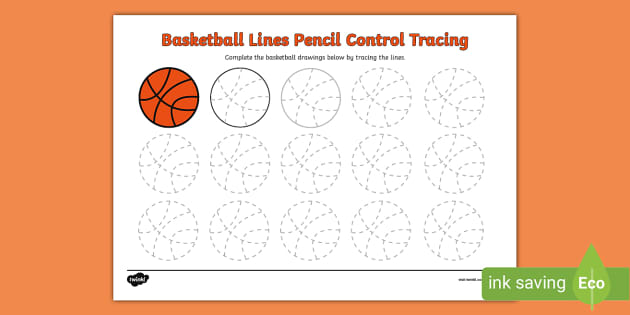
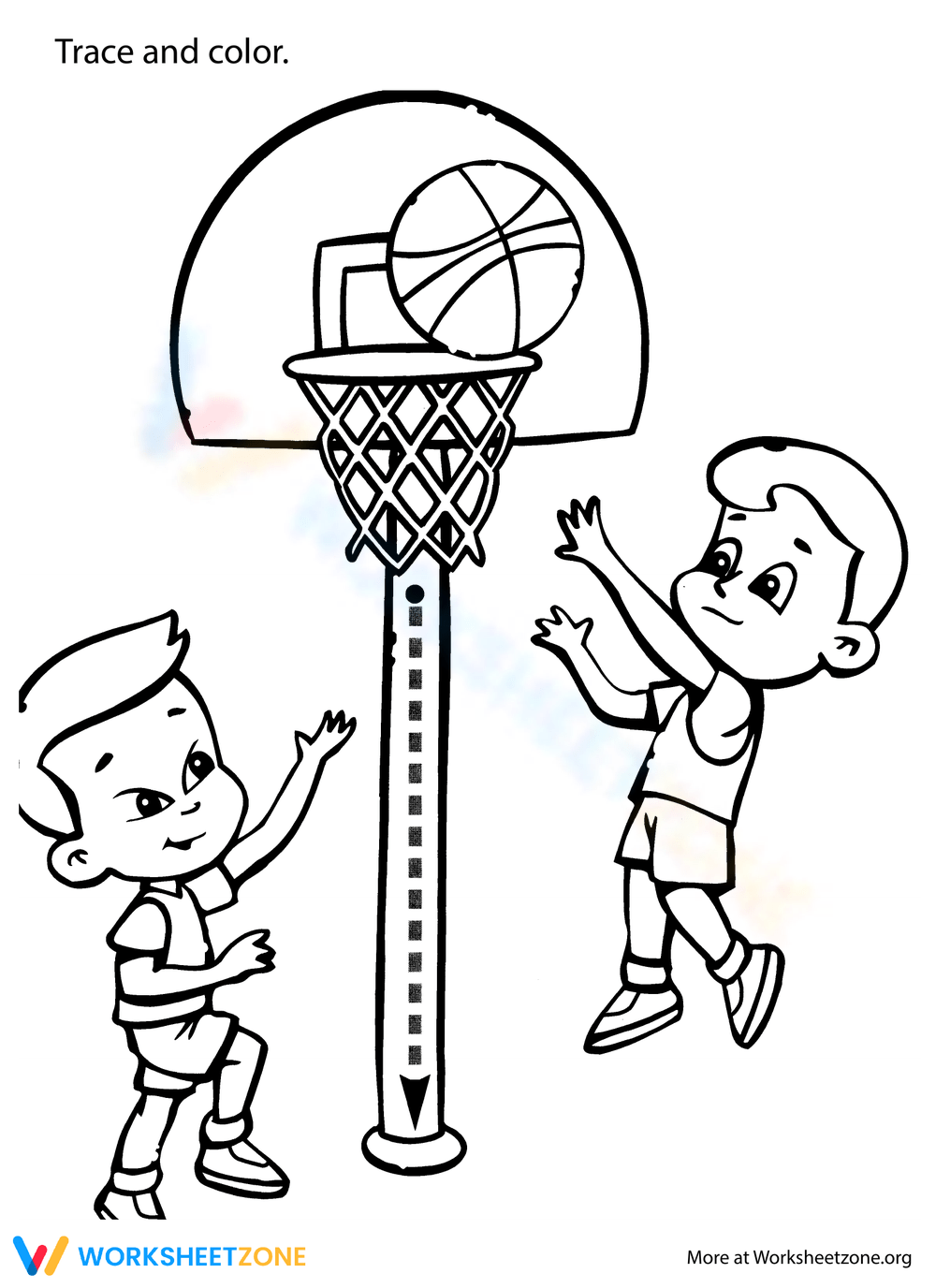
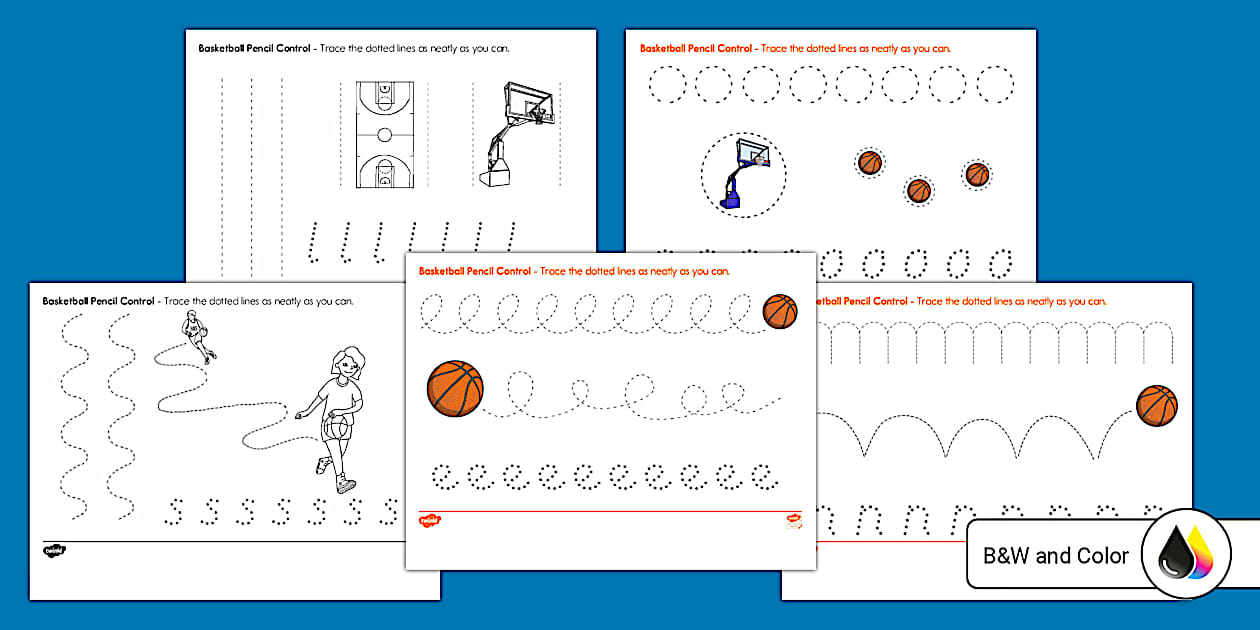
This specialized printout bridges playful themes with rigorous pre-writing mechanics by guiding children through curved paths, loops, and directional lines that mimic the motion of a basketball on the court. It sounds simple, and that is the exact point. When children trace swooping arcs that represent a three-point shot or zig-zag lines mapping a dribbling drill, they are actively refining the precise visual-motor integration needed for future letter formation. Rather than staring at a sterile grid of dots, young learners follow thematic pathways that demand careful spatial awareness, controlled deceleration, and continuous fluid motion across the page. For more related activities, check out our Spring Flower Tracing.
Key Learning Outcomes
Working through these athletic-themed pathways strengthens the intrinsic hand muscles responsible for stabilizing a pencil during sustained writing tasks. According to Reading Rockets, early visual-motor coordination directly supports the foundational letter-recognition and stroke-direction skills that precede fluent handwriting. Children naturally develop bilateral coordination, steady visual tracking, and directional awareness as they guide their writing instruments from the starting point of the court to the net. Furthermore, repeated exposure to these controlled curves and straight lines improves pencil pressure regulation, helping young learners transition from heavy, fatiguing gripping habits to lighter, more fluid hand movements that support long-term writing endurance.
How to Use This Worksheet
Success with pre-writing sheets depends heavily on setting up an environment that encourages comfort and focus without causing hand fatigue. Tape the printed page securely to the table using painter’s tape to prevent slipping, which often frustrates children who are still mastering bilateral stabilization. Encourage a functional tripod grasp, but remain flexible if a child uses a transitional quadrupod grasp as long as finger mobility and visual focus remain intact. Let children use non-traditional writing tools initially, such as thick crayons, short golf pencils, or scented markers, because shorter barrels naturally encourage correct finger placement.
Practical Tips for Parents and Teachers
Scaffolding the activity makes a massive difference for children who struggle with initial pencil control or display early hand fatigue. Demonstrate the motion in the air first, using large arm sweeps to mimic the basketball arc before bringing the pencil down to the paper surface. Break longer tracing sessions into manageable chunks by inviting children to complete just one section of the court per day rather than rushing through the entire page at once. Provide verbal cues that connect to the theme, such as encouraging the hand to make a smooth layup motion, which helps translate abstract line control into a relatable physical movement.
Age-Appropriate Recommendations
Aligning expectations with developmental stages ensures that children remain motivated rather than overwhelmed during writing practice. For toddlers and preschoolers ages two through four, align activities with the National Association for the Education of Young Children Developmentally Appropriate Practice guidelines by focusing heavily on large, sweeping pre-writing lines, gross motor warm-ups, and thicker writing instruments. For older children in kindergarten and early elementary grades, target refined pencil grip, strict adherence to directional starting points, and controlled transitions between curved and angled strokes in accordance with Handwriting Without Tears developmental progressions.
Foundational fine motor control requires precise coordination of small muscles in the hands working alongside visual perception — American Occupational Therapy Association
Frequently Asked Questions
Navigating early writing resources is much easier with direct answers to common questions about printing, skill-building, and developmental milestones.
Explore More Free Printable Tracing Worksheets
Finding the right activity to match a child’s current developmental stage can completely transform their attitude toward writing practice. Exploring the comprehensive collection available across KidTraces.com offers endless opportunities to keep young hands engaged and learning. Discover targeted resources for mastering stroke control within Shape and Line Tracing or build early confidence through Fine Motor and Pre-Writing Skills. Every child deserves engaging tools that make learning to write feel like a fun journey, so print a fresh activity today and watch those fine motor skills grow.
Developmental Milestone & Activity Table
| Development Stage | Recommended Daily Duration | Primary Learning Objective |
|---|---|---|
| Preschool & Pre-K | 10 – 15 Minutes | Pencil grip development & basic pre-stroke lines |
| Kindergarten | 15 – 20 Minutes | Letter/number formation & spatial line awareness |
| Early Elementary (Grade 1–2) | 20 – 30 Minutes | Fluency, sentence construction & neatness |
Images References