Introduction
Young children routinely recognize letters, symbols, and environmental print long before tiny hand muscles possess the endurance or dexterity to form them on paper. According to the American Occupational Therapy Association, foundational fine motor control is developed through purposeful play and structured pencil-and-paper tasks that build hand strength and coordination. Bridging the gap between cognitive understanding and physical execution requires engaging tools that capture interest without causing frustration. Integrating seasonal fun into daily handwriting practice transforms routine drills into inviting play. That motivation forms the core of the free printable beach themed tracing activity designed to support early learners.
💡 Educational Key Takeaways:
- Core Skill: Structured Beach Themed Tracing focused on developing pencil grip, stroke control, and early literacy/math confidence.
- Target Scope: Suited for homeschoolers, preschool, kindergarten, and elementary learners.
- Best Recommendation: Practice 10–15 minutes daily with ergonomic writing tools to reinforce muscle memory without hand fatigue.
What This Worksheet Covers
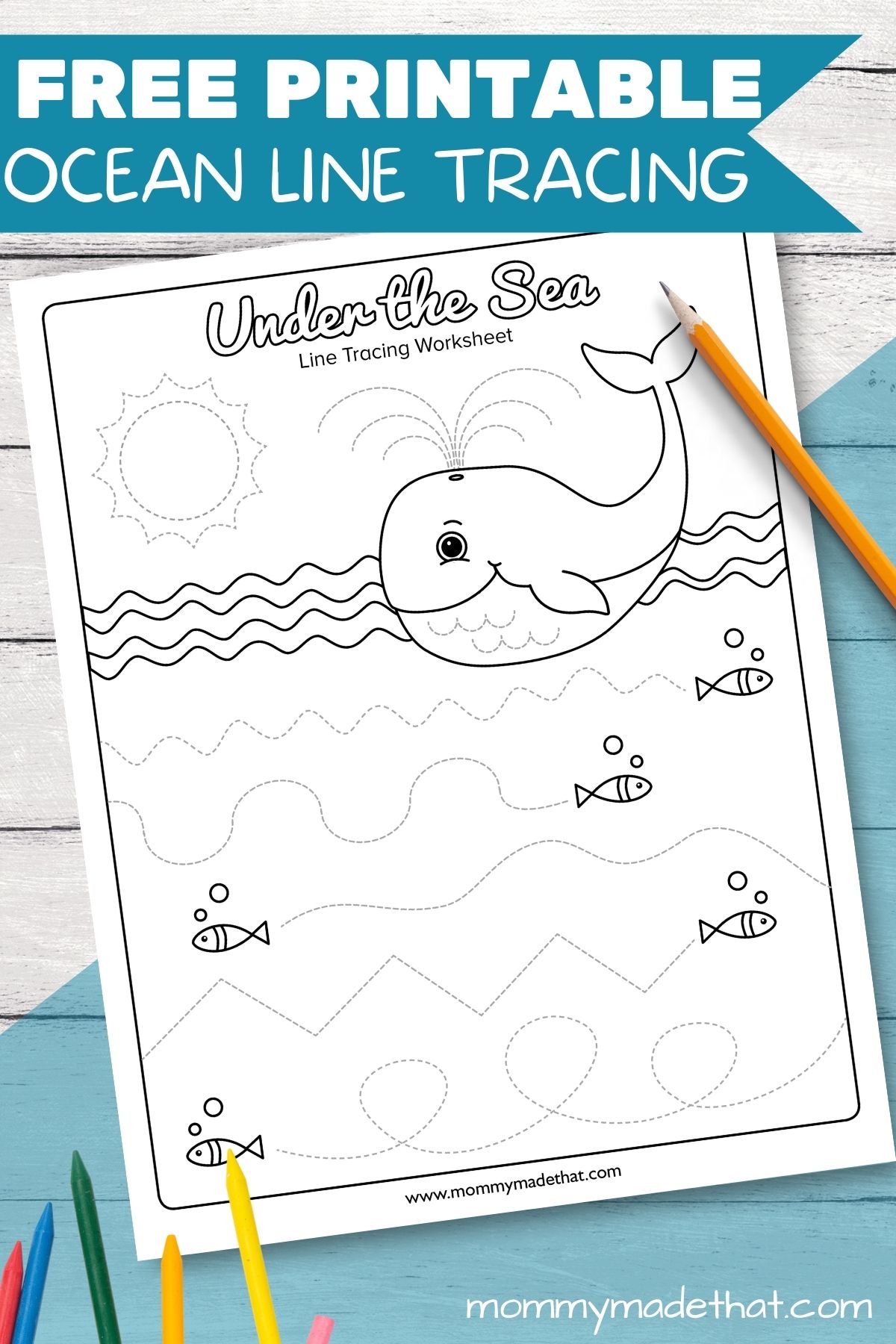
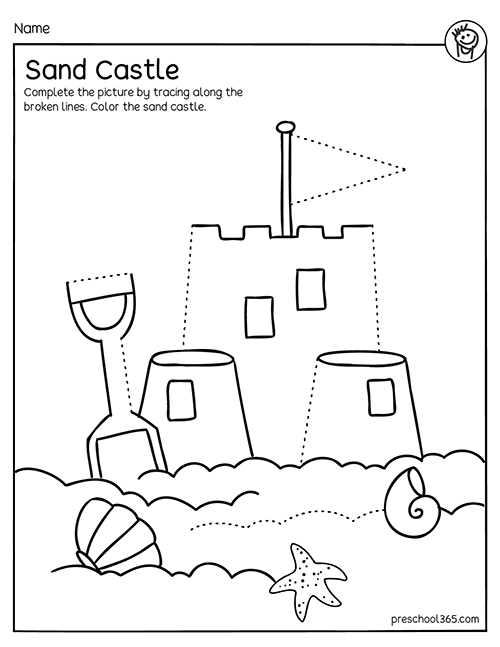
Beach themed tracing sheets bridge the gap between playful summer themes and essential pre-writing mechanics. Children navigate wavy ocean lines, winding seashell paths, and dotted starfishes, all carefully calibrated to target specific hand movements. Horizontal, vertical, diagonal, and curved trajectories mirror the foundational strokes required for both manuscript letters and numerals. Instead of facing intimidating blank pages, learners follow delightful coastal motifs that encourage visual-motor integration. According to Reading Rockets, early pencil control relies heavily on a child’s ability to coordinate visual input with hand movement, a skill directly reinforced through guided path tracing.
Key Learning Outcomes
Targeted engagement with these coastal pages fosters profound improvements in spatial awareness, pencil pressure regulation, and bilateral hand coordination. Learners naturally strengthen the intrinsic muscles of the hand while stabilizing the paper with their non-dominant hand. Directional tracking improves systematically as eyes learn to scan from left to right along wavy horizons and looping seashell trails. Hand-eye coordination sharpens with every completed curve, laying crucial groundwork for future letter and number formation found across Alphabet And Numbers Tracing resources and broader Tracing Worksheets collections.
How to Use This Worksheet
Successful implementation hinges on relaxed posture, appropriate seating, and optimal writing tools that encourage an efficient grasp. Placing the paper on a flat surface allows the shoulder, elbow, and wrist to move fluidly rather than forcing cramped finger movements. Adults should encourage a functional three-finger tripod grasp, but should never force rigid positioning if hand fatigue sets in early. Short, joyful sessions lasting five to ten minutes yield much better results than lengthy, exhausting drills. Integrating these pages alongside tactile sand tray practice or tactile Fine Motor and Pre-Writing Skills exercises solidifies the physical memory of each stroke.
Practical Tips for Parents and Teachers
Scaffolding the experience makes a tremendous difference for children who struggle with initial pencil control. Adults can demonstrate proper starting points explicitly, using verbal cues like starting at the splashing wave and following the crest to the beach. Sliding sheets inside heavy-duty plastic sleeves and using dry-erase markers allows children to erase mistakes safely and try again without paper tearing. Extending the activity involves asking children to describe the ocean creatures they trace, building oral language skills alongside motor control. When children explore thematic lines, connecting the practice to Seasonal and Fun Themes maintains high motivation levels throughout the year.
Age-Appropriate Recommendations
Matching developmental expectations to the right task keeps children eager to learn. For toddlers and preschoolers ages two to four, focus strictly on gross motor lines, sweeping curves, and simple zig-zags aligned with the National Association for the Education of Young Children Developmentally Appropriate Practice guidelines. Children aged five to eight can tackle intricate coastal paths, tighter loops, and directional letter sequences that demand precise wrist stability. Offering varied geometric complexity ensures every child works within their zone of proximal development without experiencing undue physical strain or frustration.
Foundational fine motor control is developed through purposeful play and structured writing tasks that build hand strength and coordination. — American Occupational Therapy Association
Frequently Asked Questions
Addressing common questions helps caregivers maximize the benefits of these printable resources while supporting healthy physical development in young writers.
Explore More Free Printable Tracing Worksheets
Encouraging steady progress in pencil control, letter formation, and pre-writing confidence becomes effortless with a well-rounded collection of targeted practice materials. Caregivers, teachers, and therapists can explore hundreds of no-prep printables tailored to every developmental stage by visiting the complete library available at KidTraces.com today.
Developmental Milestone & Activity Table
| Development Stage | Recommended Daily Duration | Primary Learning Objective |
|---|---|---|
| Preschool & Pre-K | 10 – 15 Minutes | Pencil grip development & basic pre-stroke lines |
| Kindergarten | 15 – 20 Minutes | Letter/number formation & spatial line awareness |
| Early Elementary (Grade 1–2) | 20 – 30 Minutes | Fluency, sentence construction & neatness |
Images References