Introduction
Many young children recognize letters and shapes long before their fine motor skills can actually form them on paper. According to the American Occupational Therapy Association, foundational hand strength and visual-motor integration must develop before children can master functional handwriting tasks. Pencil control starts with mastering basic geometric forms, making targeted shape practice an essential first step. Free printable circle tracing worksheets provide the ideal foundation for developing these crucial pre-writing strokes. It sounds simple, and that’s the point.
💡 Educational Key Takeaways:
- Core Skill: Structured Circle Tracing focused on developing pencil grip, stroke control, and early literacy/math confidence.
- Target Scope: Suited for homeschoolers, preschool, kindergarten, and elementary learners.
- Best Recommendation: Practice 10–15 minutes daily with ergonomic writing tools to reinforce muscle memory without hand fatigue.
What This Worksheet Covers
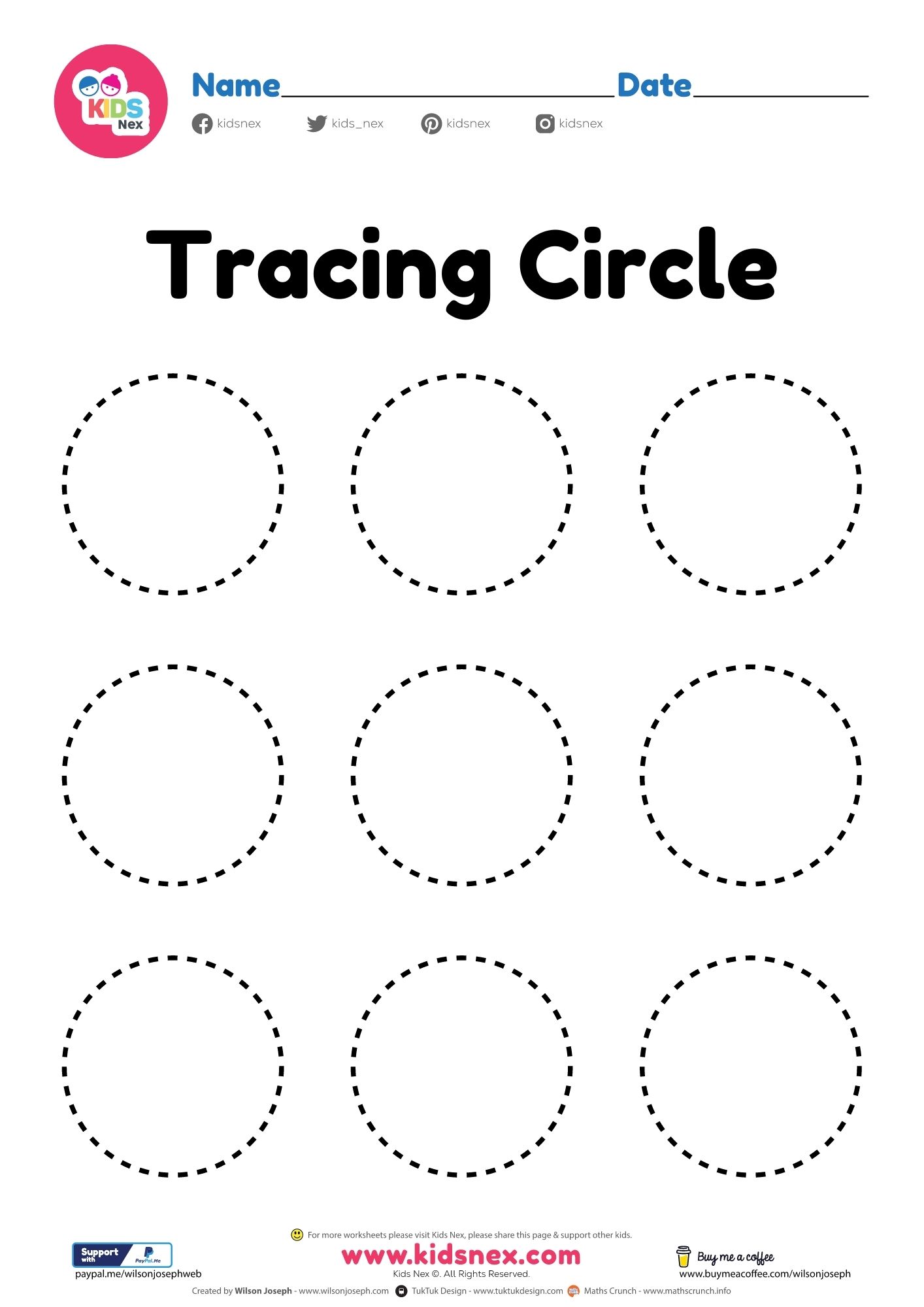
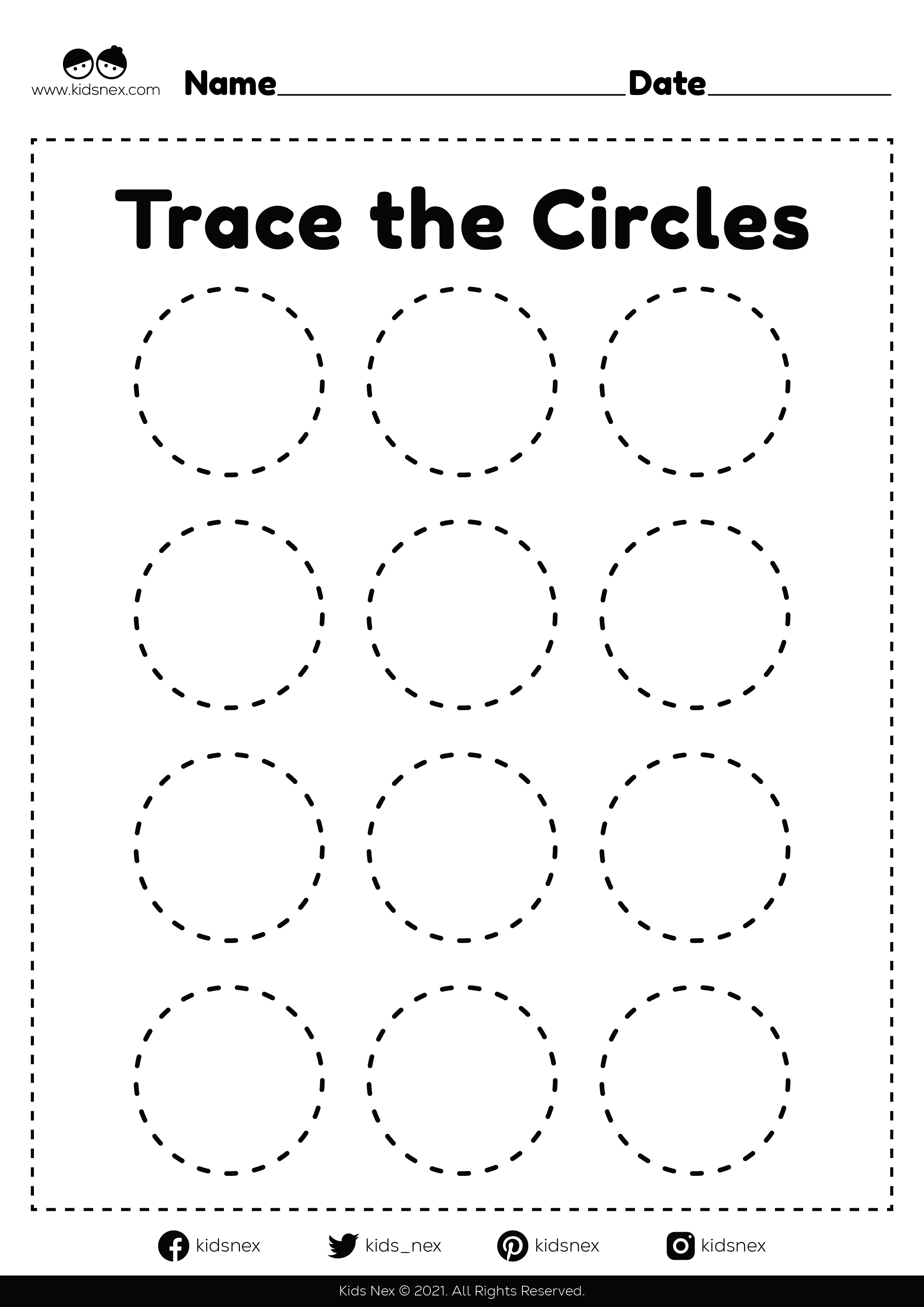
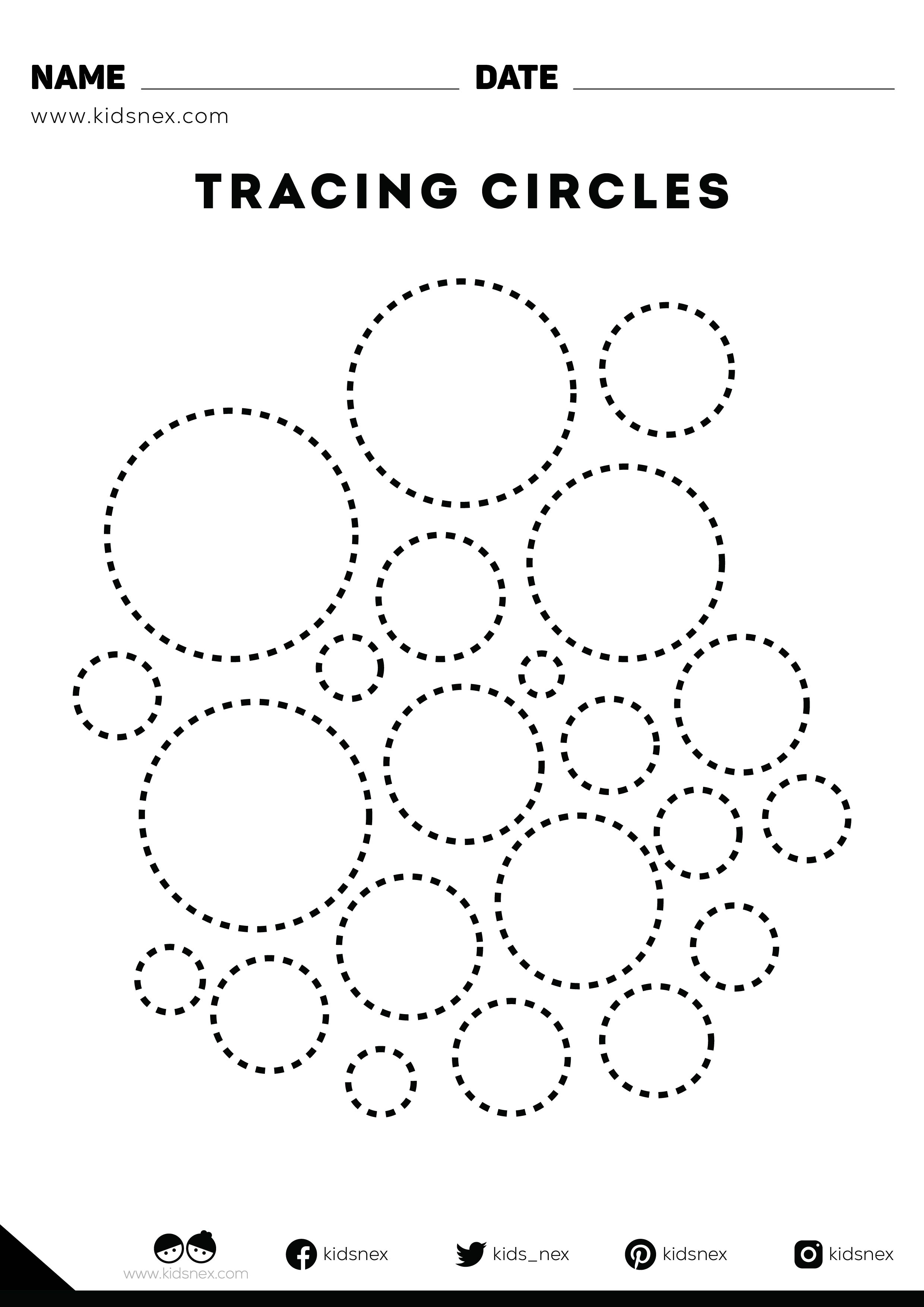
Circle tracing worksheets focus primarily on continuous curved lines, smooth wrist rotation, and bilateral hand coordination. Unlike straight lines, drawing a circle requires constant directional changes while maintaining steady pencil pressure. This printable specifically targets fluid movement from top to bottom and around again, helping hands build the muscle memory needed for writing letters like ‘c’, ‘o’, ‘a’, and ‘g’. Children navigate dotted paths that gradually shift from large, whole-page circles down to smaller, controlled variations. Exploring these curved patterns bridges the gap between gross motor arm movements and precise finger control. For broader skill development, practicing continuous shapes pairs wonderfully with exercises found in Shape and Line Tracing collections.
Key Learning Outcomes
Practicing continuous curves strengthens the intrinsic hand muscles responsible for pencil manipulation and finger dexterity. Visual-motor integration improves as eyes learn to guide the hand smoothly along a circular path without veering off course. Directionality concepts become second nature as children consistently practice counterclockwise strokes that align with standard manuscript letter formation. Hand-eye coordination deepens through repetitive motion, building the stamina required for longer writing tasks. Ultimately, mastering the fluid motion of a circle unlocks greater confidence across all areas of Fine Motor and Pre-Writing Skills development.
How to Use This Worksheet
Success with tracing printables depends heavily on preparation, pacing, and positive reinforcement during practice sessions. Setting up a comfortable workspace with an appropriately sized chair and table ensures the child’s feet rest flat on the floor for core stability. Adults can introduce the page by having the child trace the large circle first using an index finger to feel the movement kinesthetically. Transitioning to a thick crayon or short pencil naturally encourages a functional tripod grasp by limiting space for awkward fist grips. Keeping sessions short, engaging, and pressure-free helps maintain enthusiasm while protecting delicate hand muscles from fatigue.
Practical Tips for Parents and Teachers
Adults should model correct pencil grip proactively before handing the writing utensil over to the learner. Scaffolding the activity works wonders; start by hand-over-hand assistance for the very first loop, then fade support until the child guides the pencil independently. According to the National Association for the Education of Young Children, process-oriented practice focused on effort and comfort yields far better developmental outcomes than rigid perfectionism. Extending the activity by placing tracing sheets inside clear plastic sleeves allows children to use dry-erase markers, transforming a one-time printable into a reusable sensory experience that encourages playful repetition. Diversifying practice routines with options from Tracing Worksheets keeps daily engagement high.
Age-Appropriate Recommendations
For toddlers and preschoolers aged two to four, the focus centers on large-scale arm movements, finger isolation, and understanding basic shape concepts in alignment with CDC developmental milestones. Children in this bracket benefit from giant circles, thick writing tools, and tracing in the air or in sensory trays filled with salt or sand before putting pencil to paper. Kindergarteners and early elementary students aged five to eight refine these foundational strokes into smaller, controlled formations required for complex letter and numeral composition. Educators utilizing the Common Core ELA standard CCSS.ELA-LITERACY.L.K.1.A find that mastering continuous curved pre-writing shapes directly supports the physical capability to print upper- and lowercase letters correctly.
Foundational hand strength and visual-motor integration must develop before children can master functional handwriting tasks — American Occupational Therapy Association
Frequently Asked Questions
Navigating early writing tools and printables brings up common questions among educators and caregivers looking to support developing hands effectively.
Process-oriented practice focused on effort and comfort yields far better developmental outcomes than rigid perfectionism — National Association for the Education of Young Children
Explore More Free Printable Tracing Worksheets
Supporting a young learner through developmental milestones becomes much easier when a robust library of activities sits right at your fingertips. Caregivers and educators can discover a wide variety of printable resources designed to target every stage of early childhood development. From foundational lines to complex letter formation, the complete collection at KidTraces.com offers endless opportunities for engaging, hands-on practice. Explore specialized categories like Alphabet And Numbers Tracing to continue building essential writing readiness today.
Developmental Milestone & Activity Table
| Development Stage | Recommended Daily Duration | Primary Learning Objective |
|---|---|---|
| Preschool & Pre-K | 10 – 15 Minutes | Pencil grip development & basic pre-stroke lines |
| Kindergarten | 15 – 20 Minutes | Letter/number formation & spatial line awareness |
| Early Elementary (Grade 1–2) | 20 – 30 Minutes | Fluency, sentence construction & neatness |
Images References