Introduction
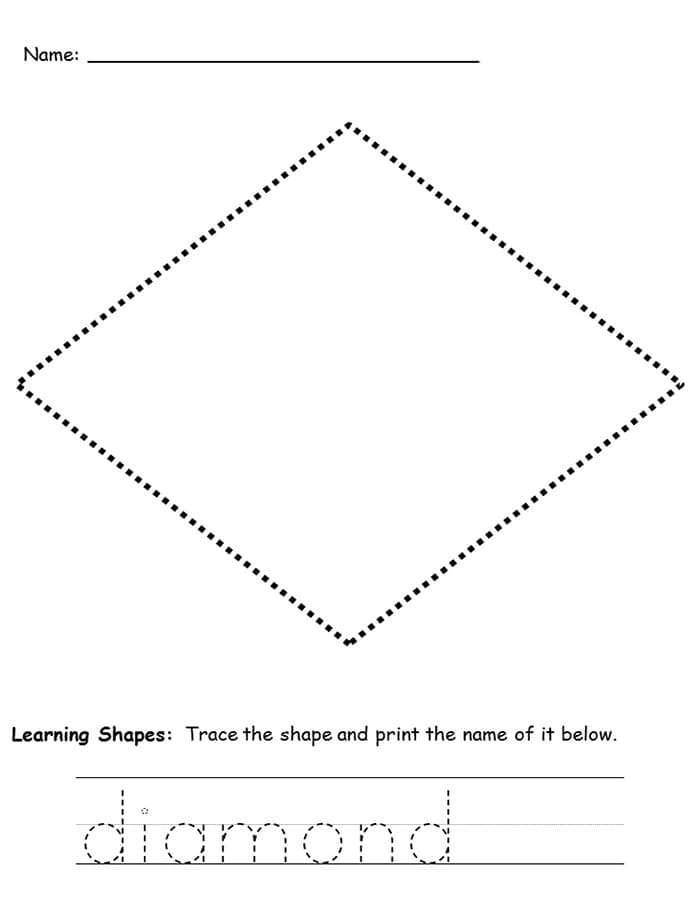
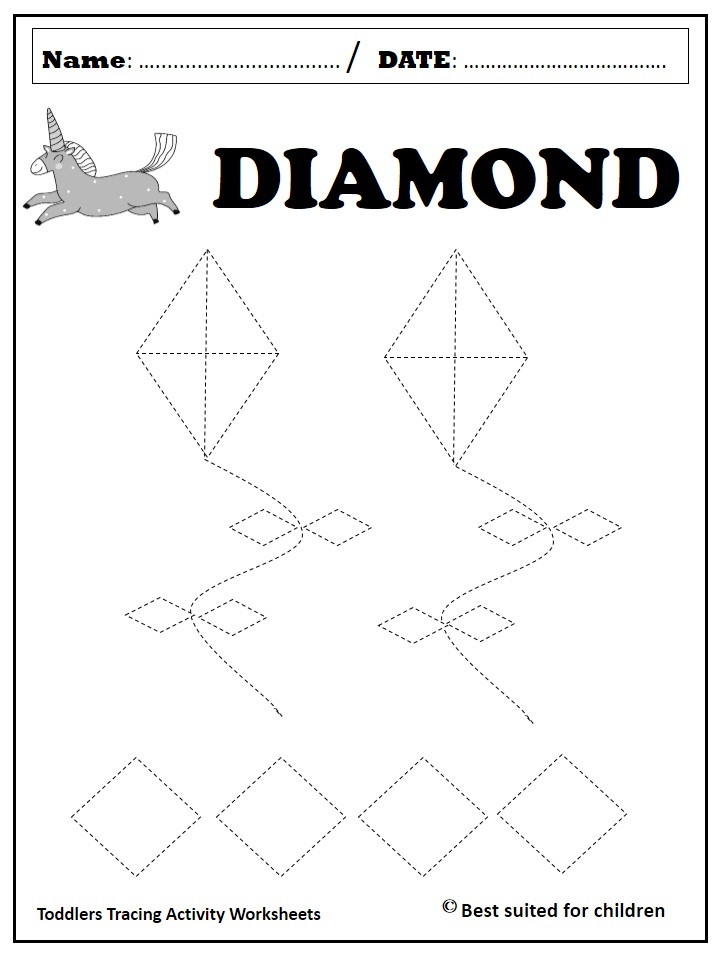
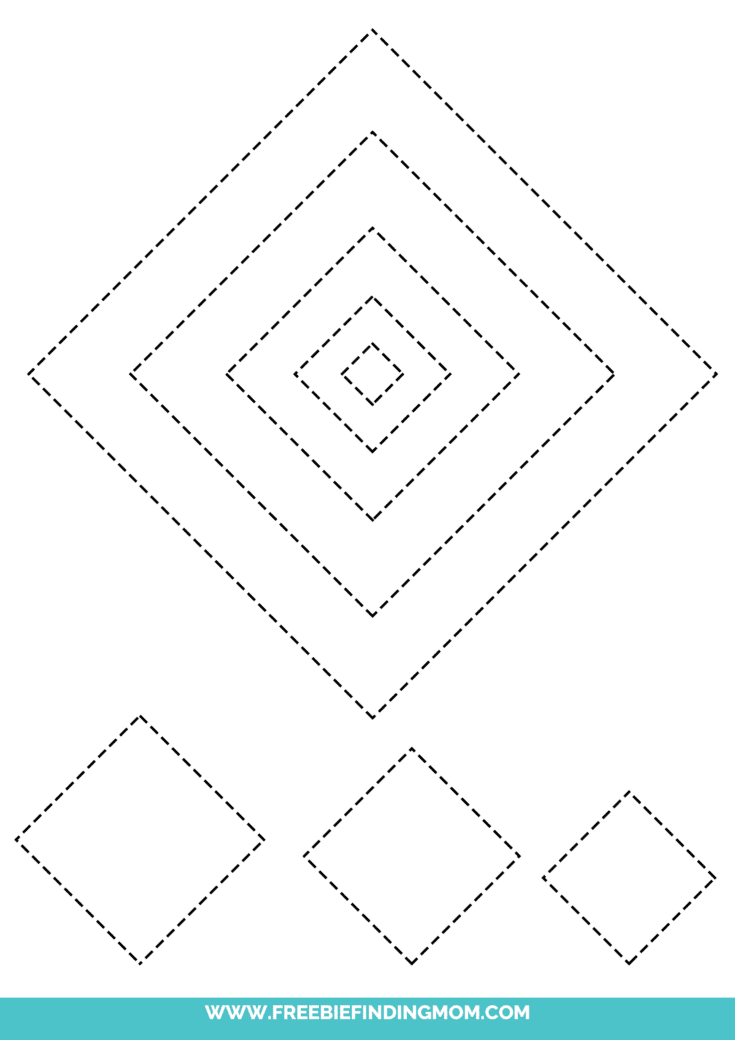
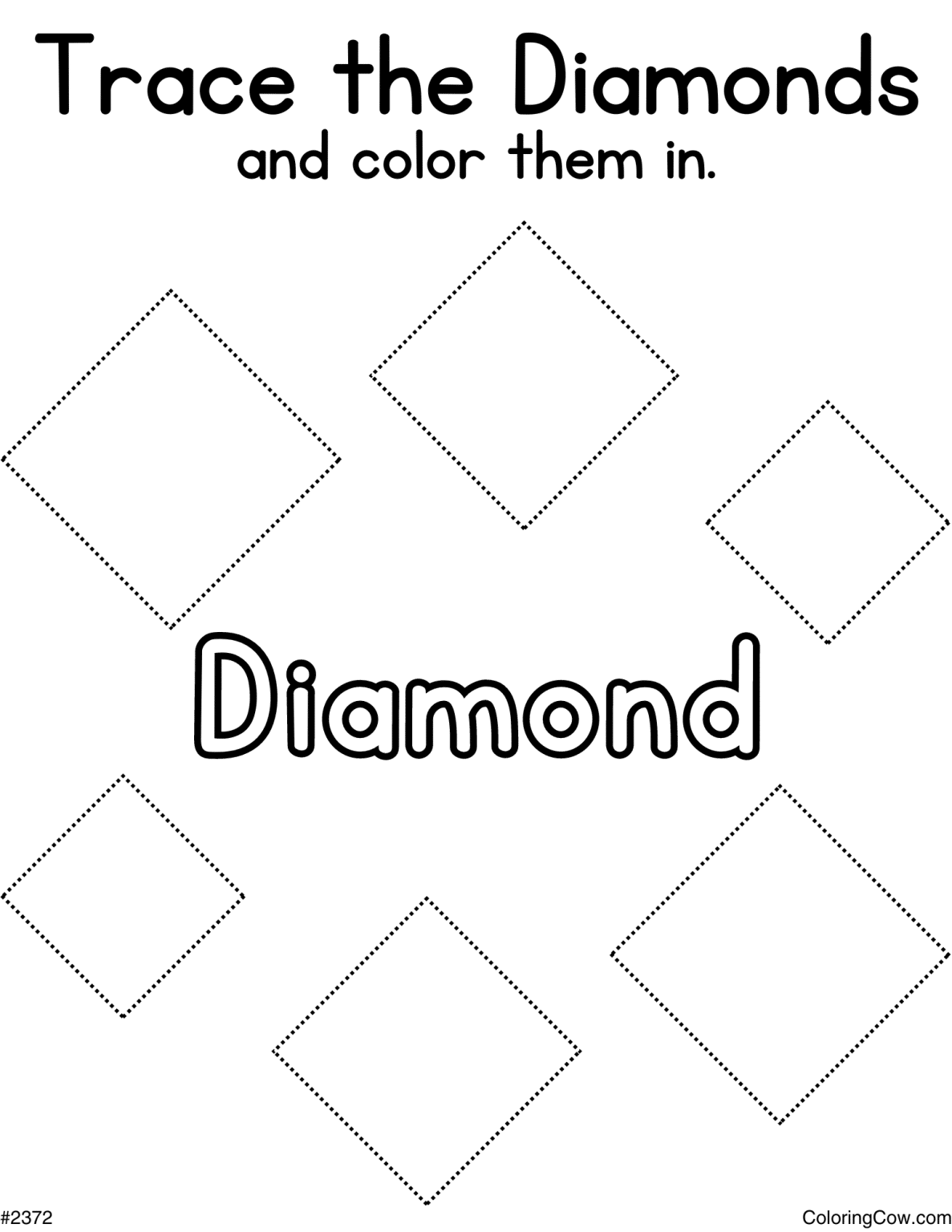
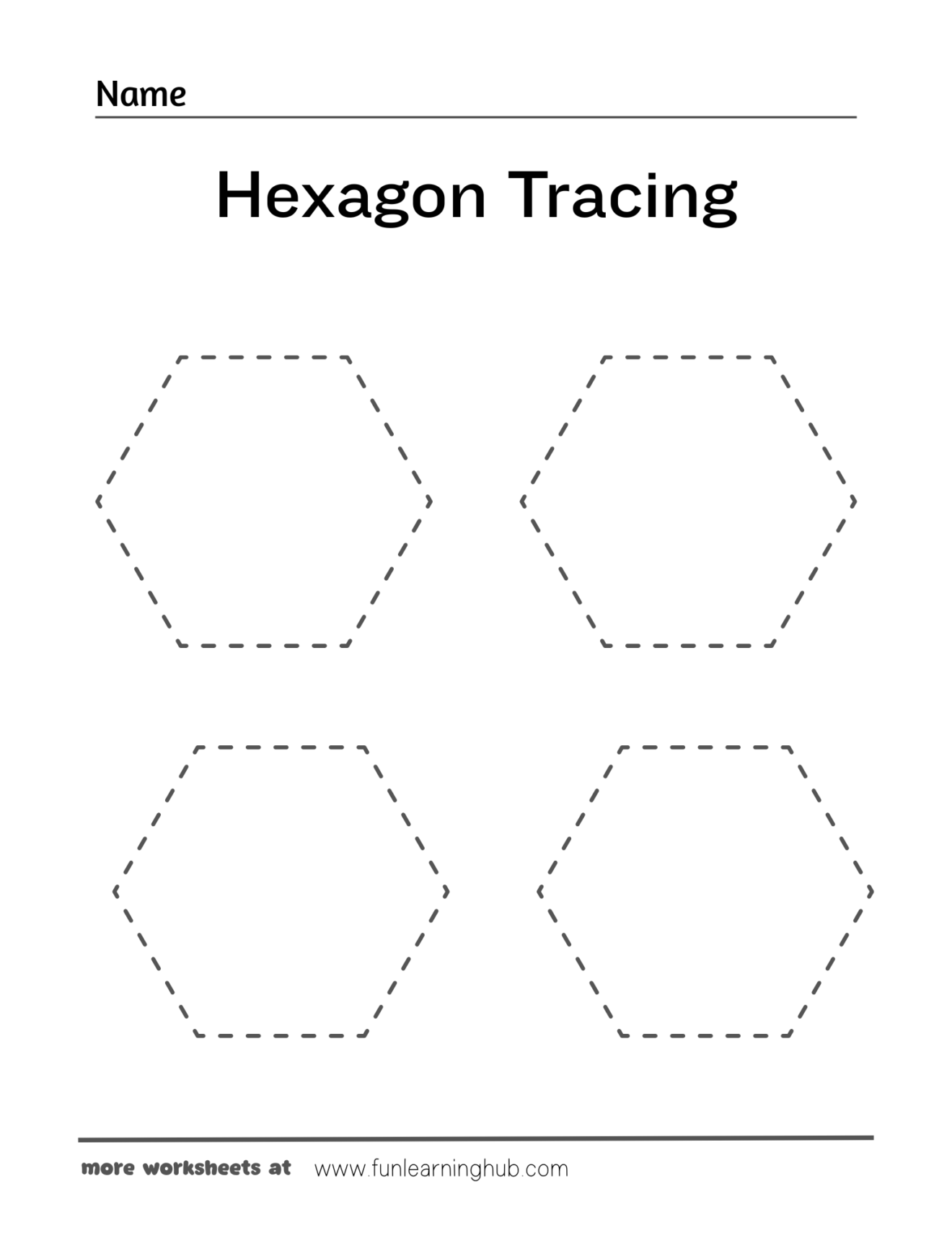
Many young children recognize letters and geometric forms long before their fine motor skills can accurately execute them on paper. According to the American Occupational Therapy Association, foundational fine motor control and bilateral coordination are essential prerequisites for functional handwriting and classroom success. Mastering geometric pre-writing strokes bridges this gap by training the hand to execute controlled diagonal lines. The shapes tracing diamond worksheet provides targeted practice for the exact motor planning required to navigate sharp corners and oblique angles.
💡 Educational Key Takeaways:
- Core Skill: Structured Shapes Tracing Diamond focused on developing pencil grip, stroke control, and early literacy/math confidence.
- Target Scope: Suited for homeschoolers, preschool, kindergarten, and elementary learners.
- Best Recommendation: Practice 10–15 minutes daily with ergonomic writing tools to reinforce muscle memory without hand fatigue.
What This Worksheet Covers
Geometric tracing sheets target the specific visual-motor integration pathways that later support uppercase letter formation, such as drafting letters like A, K, M, and V. Oblique lines present a distinct neurological challenge because the hand must cross the visual midline while simultaneously shifting direction at acute angles. Here is what makes this worksheet different: it isolates the diamond shape to help learners master continuous stroke directionality without the cognitive overload of a complex alphabet page. When children trace these diagonal boundaries, intrinsic hand muscles contract and stabilize, building the endurance required for longer writing tasks. It sounds simple, and that is the point. Focusing purely on the diamond geometry allows young hands to build muscle memory for diagonal shifts, which roots deeply within the broader spectrum of Fine Motor and Pre-Writing Skills.
Key Learning Outcomes
Targeted geometric tracing cultivates precise pencil control through repeated exposure to slanted trajectories and vertex turning points. Learners develop bilateral integration by stabilizing the paper with a non-dominant hand while the dominant hand executes the stroke. Visual-motor integration improves as the eyes guide the hand smoothly from top to bottom and side to side without losing contact with the dotted path. Spatial awareness strengthens naturally as children learn to keep their pencil within defined visual boundaries. These foundational milestones directly support progress across various Shape and Line Tracing activities designed to build pre-writing confidence.
How to Use This Worksheet
Success with diagonal stroke practice relies heavily on environmental setup and postural support before a pencil ever touches the page. Positioning the paper at a slight slant matching the child’s natural writing arm angle encourages a comfortable wrist position. Teachers and parents often observe that children press far too hard when navigating corners, which causes early hand fatigue and frustration. Establishing an efficient tripod grasp early prevents this strain, ensuring smooth movement around the four distinct corners of the diamond.
Practical Tips for Parents and Teachers
Adults can scaffold the learning process by first demonstrating the continuous motion in the air, emphasizing the downward and inward slant before the upward climb. Guiding a child’s hand gently through the initial attempts helps build tactile memory for the unique diamond shape. Educators recommend using short, broken crayons or triangular pencils to naturally promote a functional grasp without requiring constant verbal reminders. Extending the activity might involve letting children trace the diamond using textured materials like yarn or finger paint before returning to standard writing tools. Exploring alternative formats within the broader collection of Tracing Worksheets maintains high engagement during skill-building sessions.
Age-Appropriate Recommendations
For children ages two to four, the focus remains on gross motor control, imitation of vertical and horizontal lines, and early pre-writing stroke exploration based on the National Association for the Education of Young Children Developmentally Appropriate Practice guidelines. By ages five to eight, children transition into refined geometric representation, copying complex shapes like triangles and diamonds with increasing accuracy and intentional stroke sequences. According to the Centers for Disease Control and Prevention developmental milestones, children typically master drawing basic geometric shapes around age four, paving the way for structured diamond tracing in kindergarten and early elementary grades. Providing the right level of challenge ensures that young learners maintain confidence while strengthening their hand-eye coordination.
Foundational fine motor control and bilateral coordination are essential prerequisites for functional handwriting and classroom success. — American Occupational Therapy Association
Frequently Asked Questions
Clear guidance helps caregivers maximize the benefits of geometric tracing practice at home or in the classroom.
Children typically master drawing basic geometric shapes around age four, paving the way for structured diamond tracing in early childhood settings. — Centers for Disease Control and Prevention
Explore More Free Printable Tracing Worksheets
Building strong pre-writing foundations is a continuous journey that benefits from a wide variety of engaging resources. Caregivers and educators can discover an extensive library of free educational printables designed to support every stage of early childhood development by visiting the main collection at KidTraces.com. Keeping practice sessions short, positive, and varied ensures that children remain motivated as they develop essential writing readiness skills.
Developmental Milestone & Activity Table
| Development Stage | Recommended Daily Duration | Primary Learning Objective |
|---|---|---|
| Preschool & Pre-K | 10 – 15 Minutes | Pencil grip development & basic pre-stroke lines |
| Kindergarten | 15 – 20 Minutes | Letter/number formation & spatial line awareness |
| Early Elementary (Grade 1–2) | 20 – 30 Minutes | Fluency, sentence construction & neatness |
Images References