Introduction
Many children recognize letters, shapes, and numbers long before their fine motor skills can accurately form them on a blank sheet of paper. According to Reading Rockets, children typically develop the foundational pencil control and hand-eye coordination needed for structured writing through progressive, repetitive tracing experiences. Bridging that gap between cognitive understanding and physical execution requires targeted pencil control practice that builds confidence without frustration. That crucial developmental bridge is precisely where free straight line tracing worksheets prove invaluable for young learners mastering early pre-writing strokes.
💡 Educational Key Takeaways:
- Core Skill: Structured Free Straight Line Tracing Worksheets focused on developing pencil grip, stroke control, and early literacy/math confidence.
- Target Scope: Suited for homeschoolers, preschool, kindergarten, and elementary learners.
- Best Recommendation: Practice 10–15 minutes daily with ergonomic writing tools to reinforce muscle memory without hand fatigue.
What This Worksheet Covers
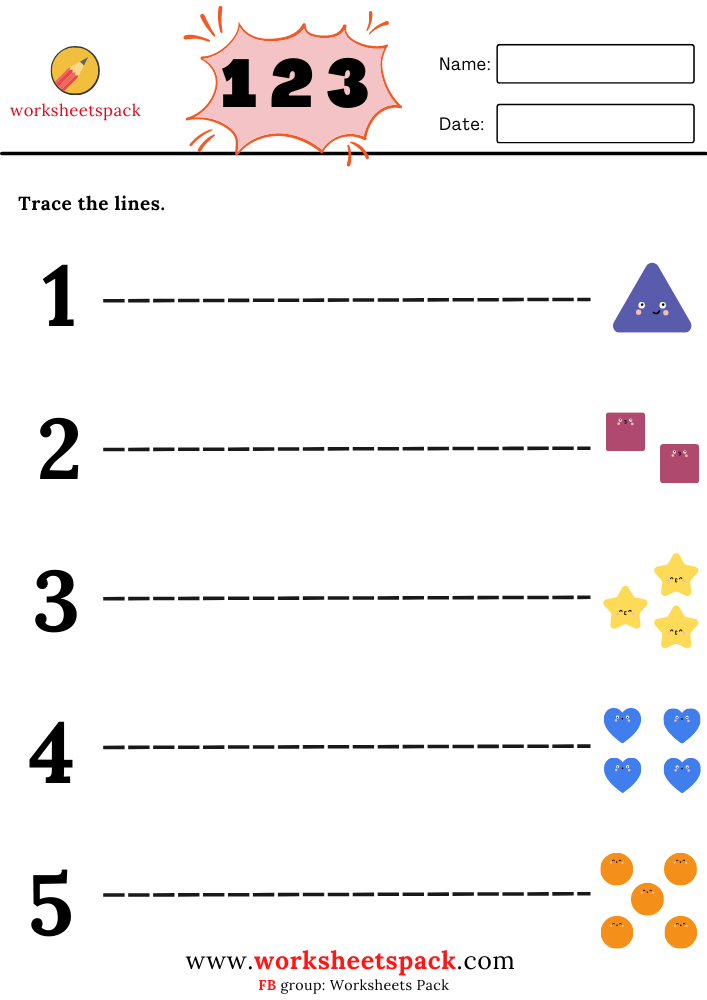
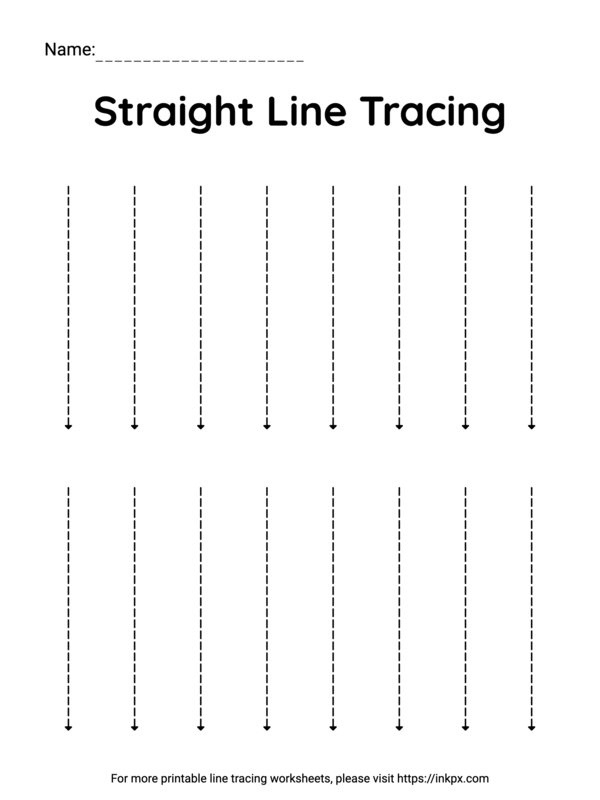
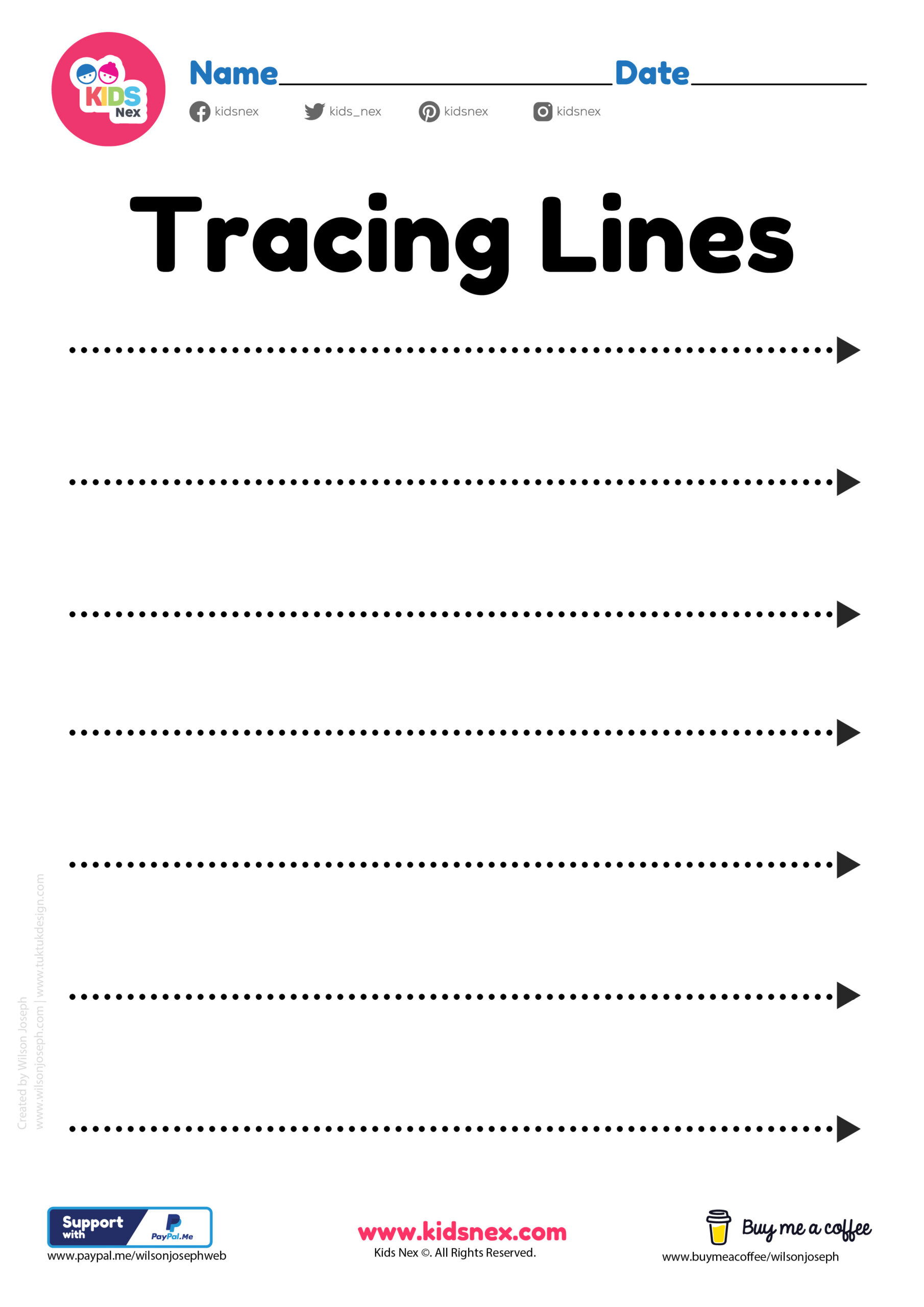
These printable pages focus specifically on vertical, horizontal, and diagonal straight lines, which serve as the foundational building blocks for uppercase letters like E, F, H, I, L, and T. Mastering straight lines trains the small muscles of the hand to maintain consistent pressure and directional control from a designated starting point to a clear endpoint. It sounds simple, and that is the point. By stripping away complex curves and loops initially, children can concentrate entirely on stabilizing the wrist, refining the pincer grasp, and tracking visually across the page from left to right. For more related activities, check out our How To Put Square Step By Step With Dots Image.
Key Learning Outcomes
Working consistently with line control exercises fosters several critical developmental milestones simultaneously. First, learners build crucial intrinsic hand strength and endurance required for longer writing sessions. Second, visual-motor integration improves as the eyes guide the hand smoothly across the paper surface. Third, bilateral coordination is reinforced because one hand actively holds and stabilizes the paper while the dominant hand executes the stroke. Finally, children internalize directional habits, learning instinctively that writing flows from top to bottom and left to right across the visual field.
How to Use This Worksheet
Introducing these printables effectively requires starting before the pencil ever touches the page. Adults often notice children gripping crayons like daggers, which locks the wrist and limits finger mobility. Addressing this early makes all the difference in long-term writing comfort and legibility. Positioning the paper at a slight slant matching the child’s forearm angle promotes a natural wrist posture. Encourage a tripod grasp where the thumb, index, and middle fingers pinch the writing tool softly, allowing the hand to glide effortlessly along the targeted path without undue muscle tension.
Practical Tips for Parents and Teachers
Here is what makes this practice effective: scaffolding the physical experience. Begin by having the child trace the straight lines with a finger or a toy car to get a tactile and kinesthetic feel for the movement before introducing a writing utensil. When fatigue sets in, stop immediately to prevent the hand from developing compensatory, straining habits. Extend the activity by placing the printed sheets inside clear dry-erase sleeves, allowing children to practice the same line control repeatedly using markers. According to the American Occupational Therapy Association, engaging children in multi-sensory pre-writing activities significantly enhances motor learning and retention.
Age-Appropriate Recommendations
Aligning expectations with developmental stages ensures that early writing practice remains positive and engaging. For toddlers and preschoolers aged two to four, the emphasis rests purely on gross motor movements, sensory exploration, and mastering basic horizontal and vertical strokes, aligning directly with the National Association for the Education of Young Children Developmentally Appropriate Practice guidelines. By ages five to eight, children transition toward refined pencil control, precise diagonal line intersections, and applying these stroke patterns directly to letter and number formation found within Shape and Line Tracing activities as well as Fine Motor and Pre-Writing Skills development collections.
Multi-sensory pre-writing activities significantly enhance motor learning and retention — American Occupational Therapy Association
Frequently Asked Questions
Clear answers regarding implementation help caregivers maximize the benefits of daily pre-writing practice at home and inside the classroom.
Explore More Free Printable Tracing Worksheets
Building a robust foundation in pre-writing requires a diverse variety of engaging, developmentally appropriate practice materials that keep learners motivated week after week. Exploring additional resources helps maintain excitement while targeting different facets of pencil control, hand strength, and spatial awareness. Caregivers and educators can discover a vast array of supplementary materials, including alphabet pages, seasonal themes, and number practice, by visiting the complete library available directly at KidTraces.com alongside dedicated sections like Alphabet And Numbers Tracing and Seasonal and Fun Themes.
Developmental Milestone & Activity Table
| Development Stage | Recommended Daily Duration | Primary Learning Objective |
|---|---|---|
| Preschool & Pre-K | 10 – 15 Minutes | Pencil grip development & basic pre-stroke lines |
| Kindergarten | 15 – 20 Minutes | Letter/number formation & spatial line awareness |
| Early Elementary (Grade 1–2) | 20 – 30 Minutes | Fluency, sentence construction & neatness |
Images References