Introduction
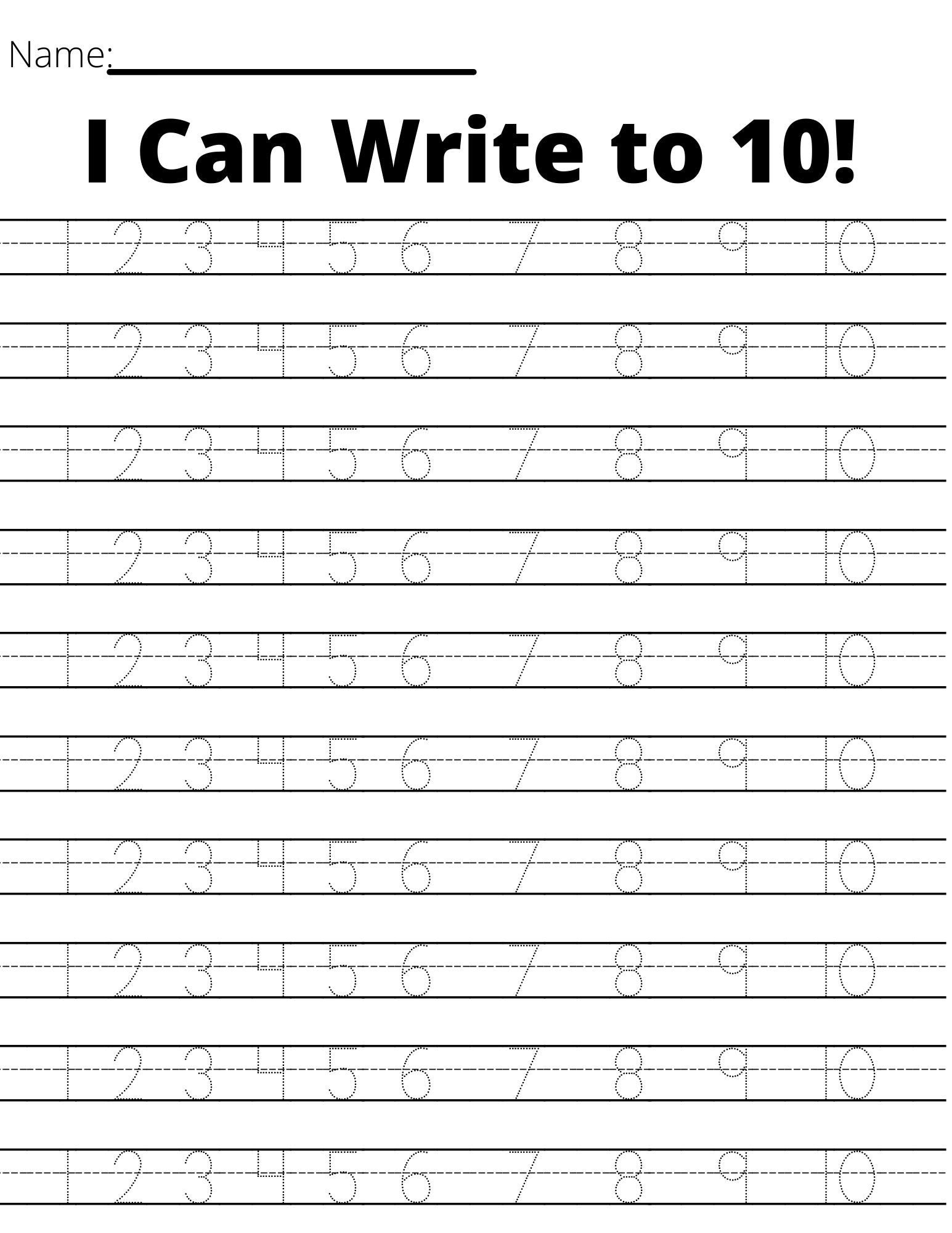
Many children recognize numerals long before their developing fine motor muscles possess the strength and coordination required to form them on paper. According to the American Occupational Therapy Association, foundational pencil control relies heavily on proximal shoulder and core stability working in tandem with distal finger dexterity. Witnessing a four-year-old point enthusiastically to a number ten on a street sign while struggling to hold a crayon highlights the distinct gap between cognitive awareness and physical execution. Bridging this gap requires intentional, scaffolded practice that respects physical development. The trace and write numbers 1-10 pdf provides a structured, accessible bridge for young learners transitioning from passive numeral recognition to active, independent writing. Explore more in our Tracing Number category.
💡 Technical Key Takeaways:
- Core Focus: Diagnostic schematic and terminal connection layout for Trace And Write Numbers 1-10 Pdf.
- Target Scope: Field technicians, automotive DIYers, and residential/commercial electricians.
- Safety Rule: Always disconnect the primary power source/battery terminal and verify zero voltage with a multimeter before touching wires.
What This Worksheet Covers
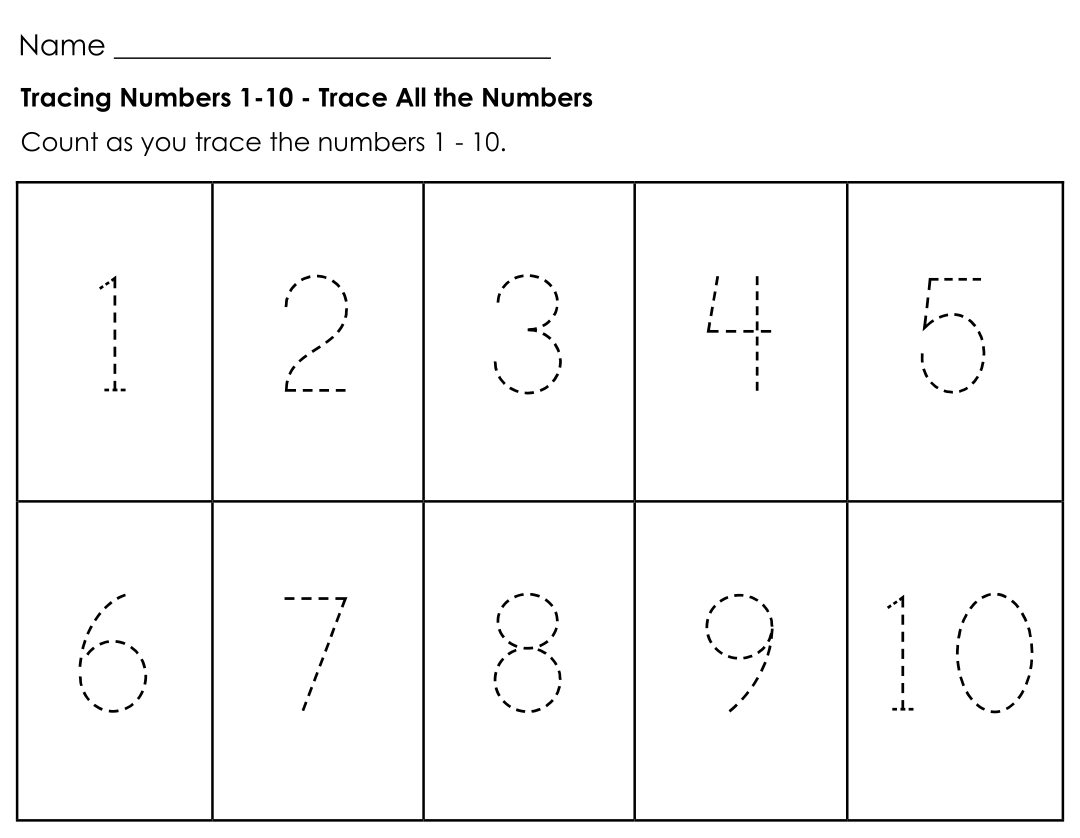
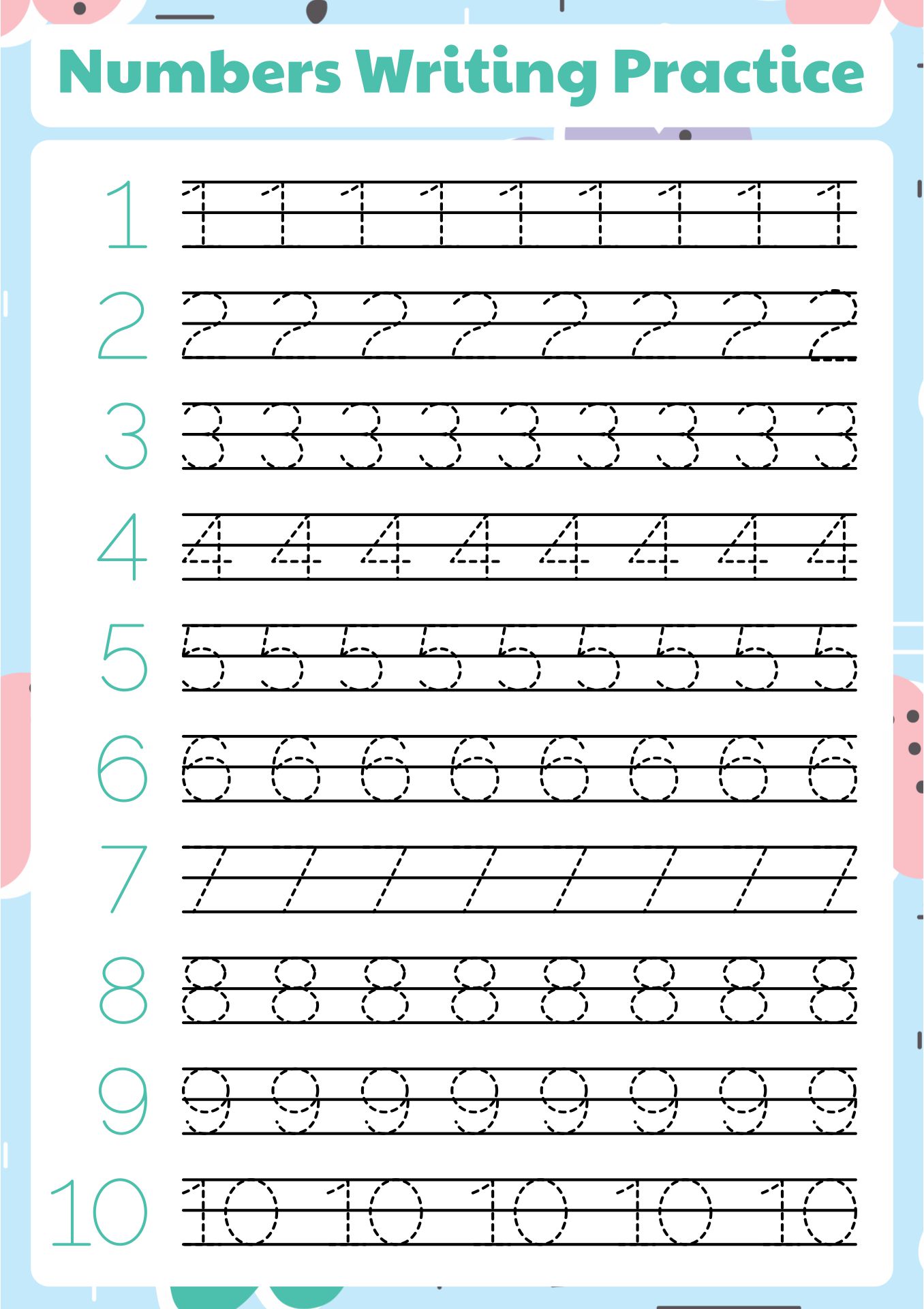
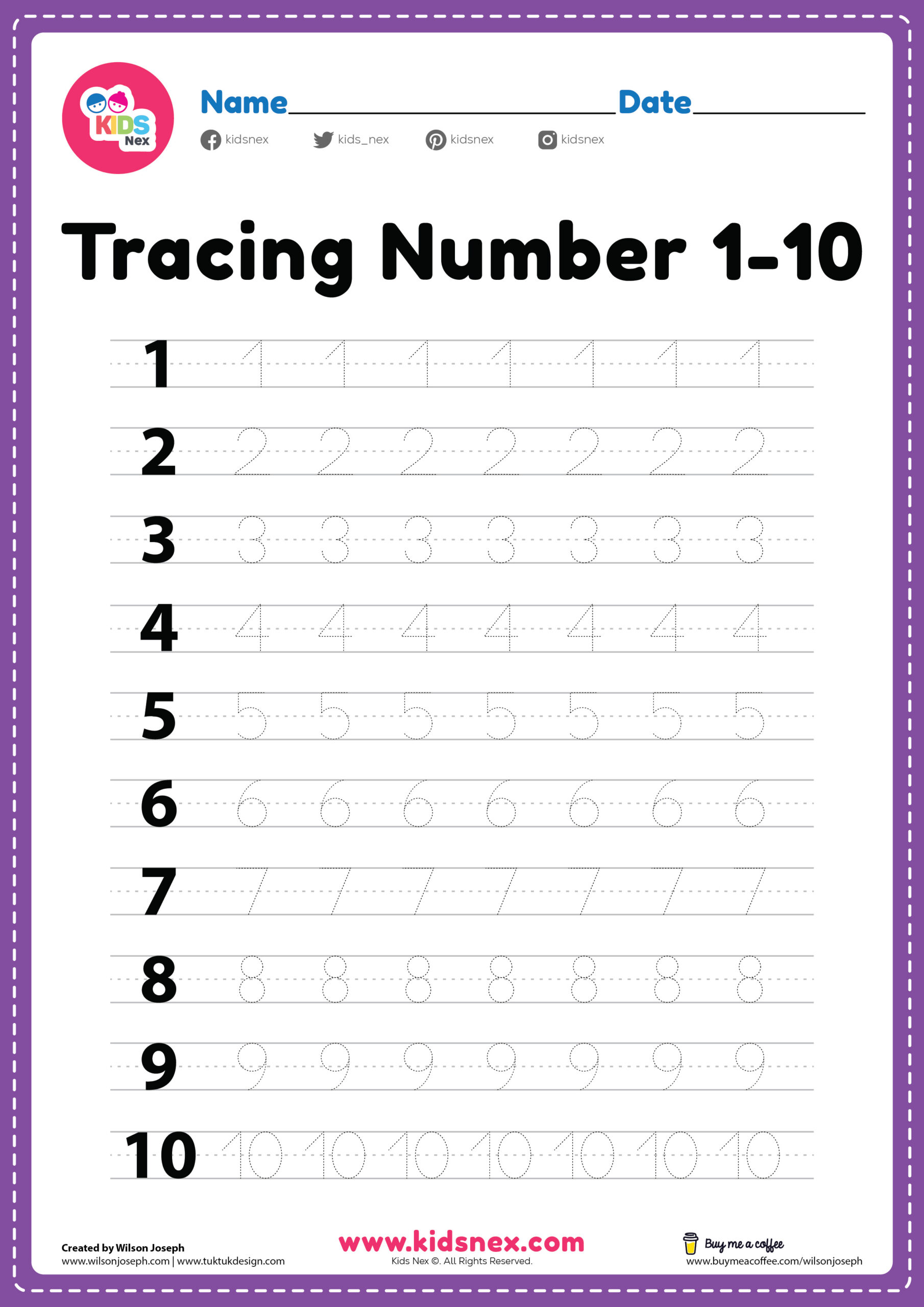
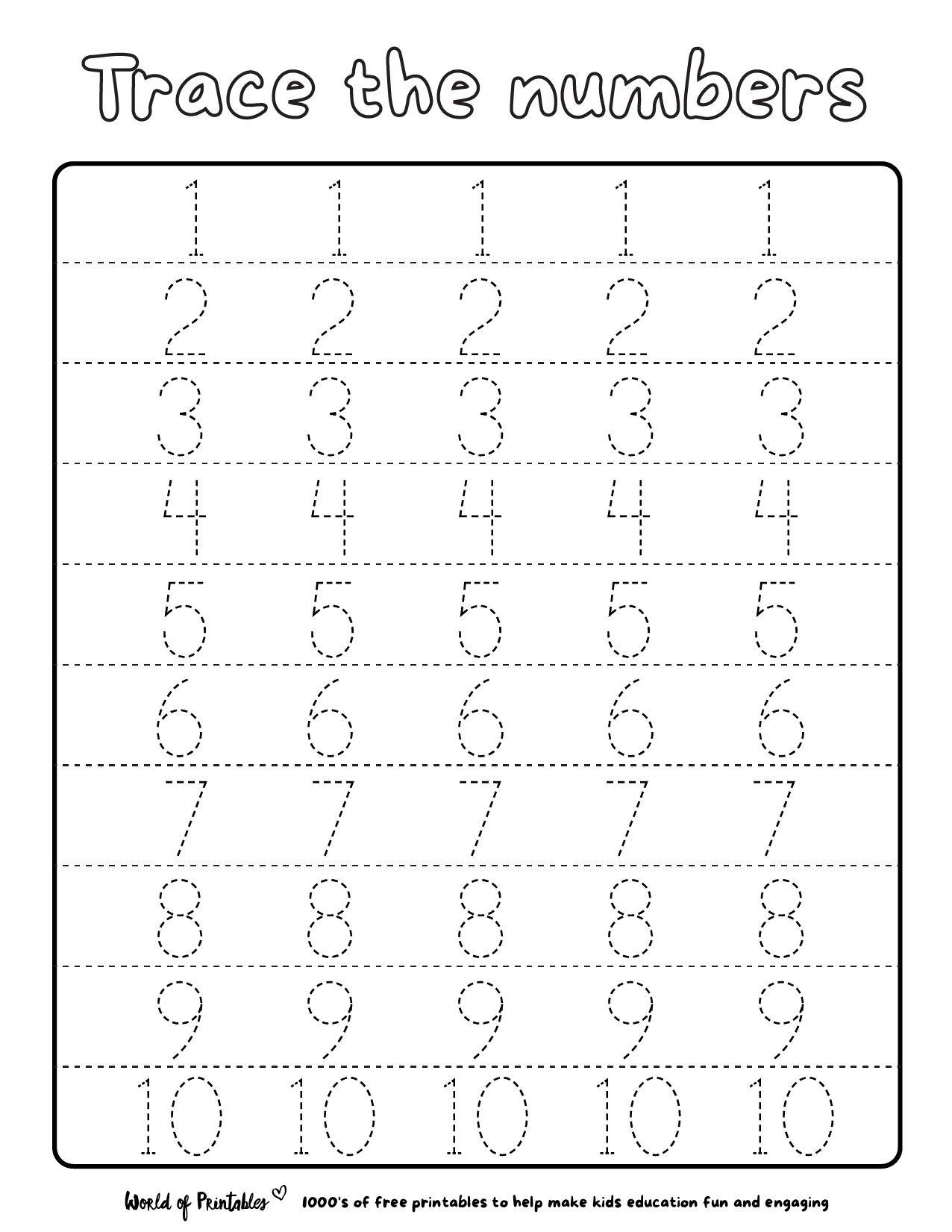
This printable resource focuses on foundational numeral formation, stroke order, and spatial awareness for early learners. Every page is intentionally designed to guide the hand through standard developmental sequences, starting from the number one and progressing through ten. Clear directional arrows and distinct starting dots provide explicit visual cues, ensuring that children understand where a stroke begins and where it should travel. By breaking down each numeral into manageable lines and curves, the material removes the intimidation factor often associated with early mathematics and handwriting tasks. It sounds simple, and that’s the point: minimalist design reduces visual clutter, allowing developing brains to focus entirely on motor planning and pencil control. Related guide: &th Grade Shrinking Worksheets.
Key Learning Outcomes
Engaging regularly with this resource fosters several interconnected academic and physical milestones. Children cultivate consistent stroke directionality, which prevents the development of inefficient writing habits like drawing numbers upward or from the bottom up. Hand-eye coordination significantly improves as eyes track the pencil tip along dotted lines, reinforcing visual-motor integration. Spatial orientation also develops naturally as learners navigate writing boxes and maintain proper spacing between distinct numerals. Finally, procedural memory strengthens through repetition, allowing the brain to eventually automate the physical strokes required to form numbers one through ten without conscious, exhaustive effort.
How to Use This Worksheet
Successful implementation begins long before putting pencil to paper. Adults should first ensure the child sits with feet flat on the floor and hips positioned at a ninety-degree angle, establishing the postural stability necessary for fine motor work. Setting up a supportive environment also involves selecting appropriate writing utensils; shorter pencils or broken crayons naturally encourage an efficient tripod grasp by discouraging awkward fist grips. It helps to demonstrate the formation of a numeral in the air or in a tray of sand before asking the child to write on the printed page. Consistency matters deeply during these early sessions, so keeping practice brief, positive, and playful prevents hand fatigue and maintains intrinsic motivation.
Practical Tips for Parents and Teachers
Scaffolding instruction effectively means meeting children exactly where their current skill level lies. For learners who struggle with initial pencil control, tracing over yellow highlighter lines or raised-line paper can provide tactile feedback that standard sheets lack. Adults can gently guide a hand through the first couple of strokes before fading physical assistance, allowing the child to complete the rest independently. It is always wise to celebrate small victories, such as a well-formed curve on the number three, rather than demanding perfection across an entire page. When hand shaking or frustration appears, stepping away for gross motor play resets the nervous system and prepares the hands for a more successful second attempt later.
Age-Appropriate Recommendations
Developmental readiness spans a wide spectrum during early childhood. According to the National Association for the Education of Young Children guidelines on developmentally appropriate practice, toddlers and young preschoolers ages two to four benefit most from gross motor pre-writing strokes, sensory tracing trays, and large-scale vertical surface writing. At this stage, expecting precise pencil grip on small lines is physically counterproductive. Conversely, children ages five to eight possess the hand strength and neurological maturity to tackle structured paper-and-pencil tasks like the trace and write numbers 1-10 pdf with greater independence. Educators utilizing frameworks like Handwriting Without Tears find that introducing numbers in specific developmental groups—such as frog jump capitals and starting-corner numbers—yields the most durable motor patterns.
Handwriting proficiency in early elementary years directly correlates with overall academic confidence and reduced physical fatigue during extended writing tasks. — American Occupational Therapy Association
Frequently Asked Questions
Navigating early childhood writing tools often brings up practical questions for educators and parents alike. The answers below address common logistical and developmental inquiries regarding numeral tracing practice.
Explore More Free Printable Tracing Worksheets
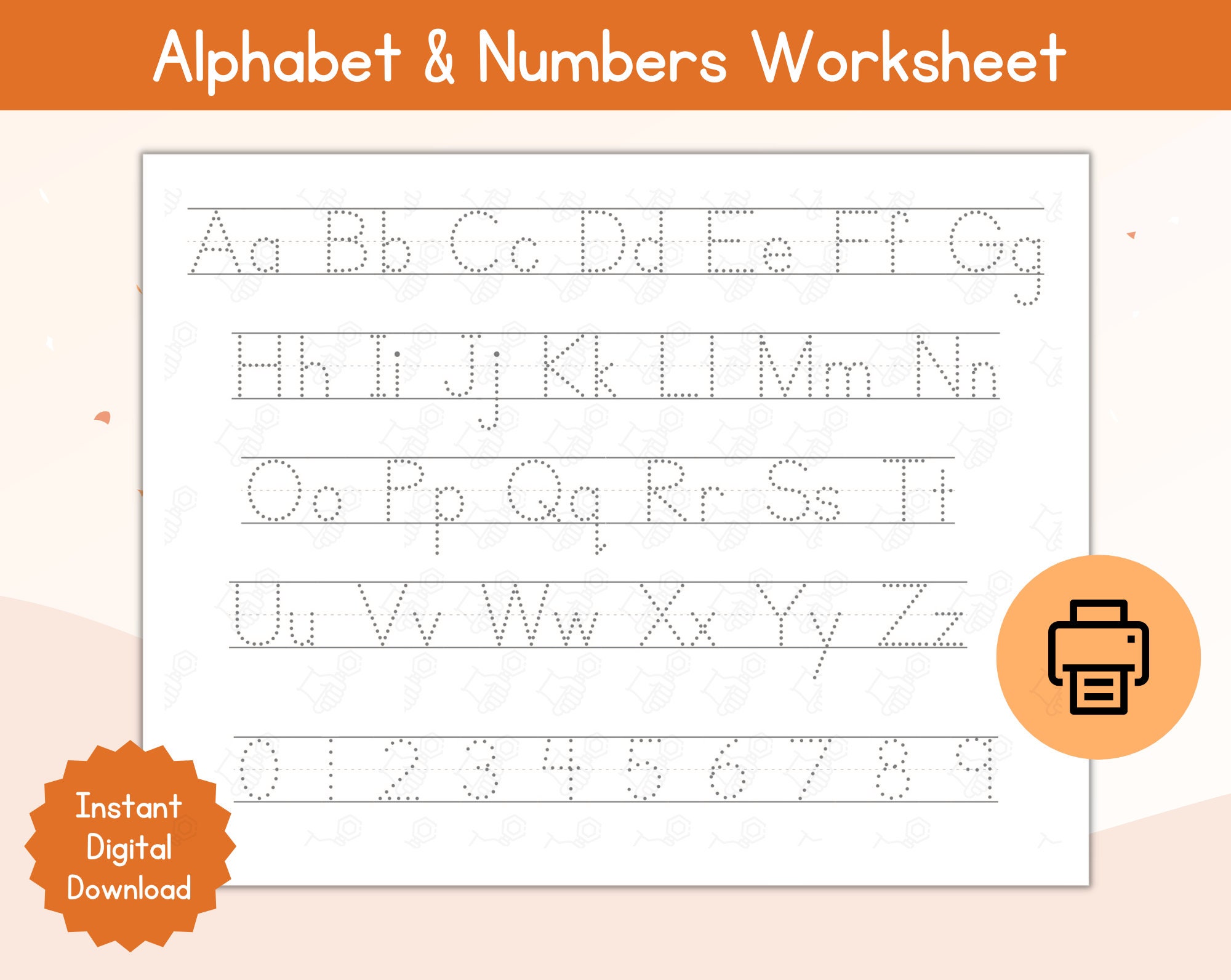
Expanding a child’s early learning journey involves exploring diverse formats that target different aspects of physical and cognitive growth. Beyond numerical practice, developing writers often thrive when given opportunities to explore Alphabet And Numbers Tracing collections to build comprehensive literacy foundations. Strengthening the small muscles of the hand also requires varied strokes, which can be found easily within dedicated Shape and Line Tracing activities. For educators seeking targeted interventions, exploring resources focused on Fine Motor and Pre-Writing Skills helps ensure children build the proximal stability required for lifelong writing success. Every child deserves access to engaging, high-quality materials that make learning joyful and accessible. Discover the full library of resources designed to support every developmental stage by visiting KidTraces.com today.
Quick Wiring Specifications & Terminal Guide
| Component / Circuit | Standard Wire Gauge | Recommended Protection |
|---|---|---|
| Control & Trigger Signals | 18 – 20 AWG | 5A – 7.5A Inline Fuse |
| Standard Auxiliary Load | 14 – 16 AWG | 15A – 20A Circuit Breaker |
| Main Power Feed / Supply | 10 – 12 AWG | 30A – 40A Heavy-Duty Relay |
Images References