Introduction
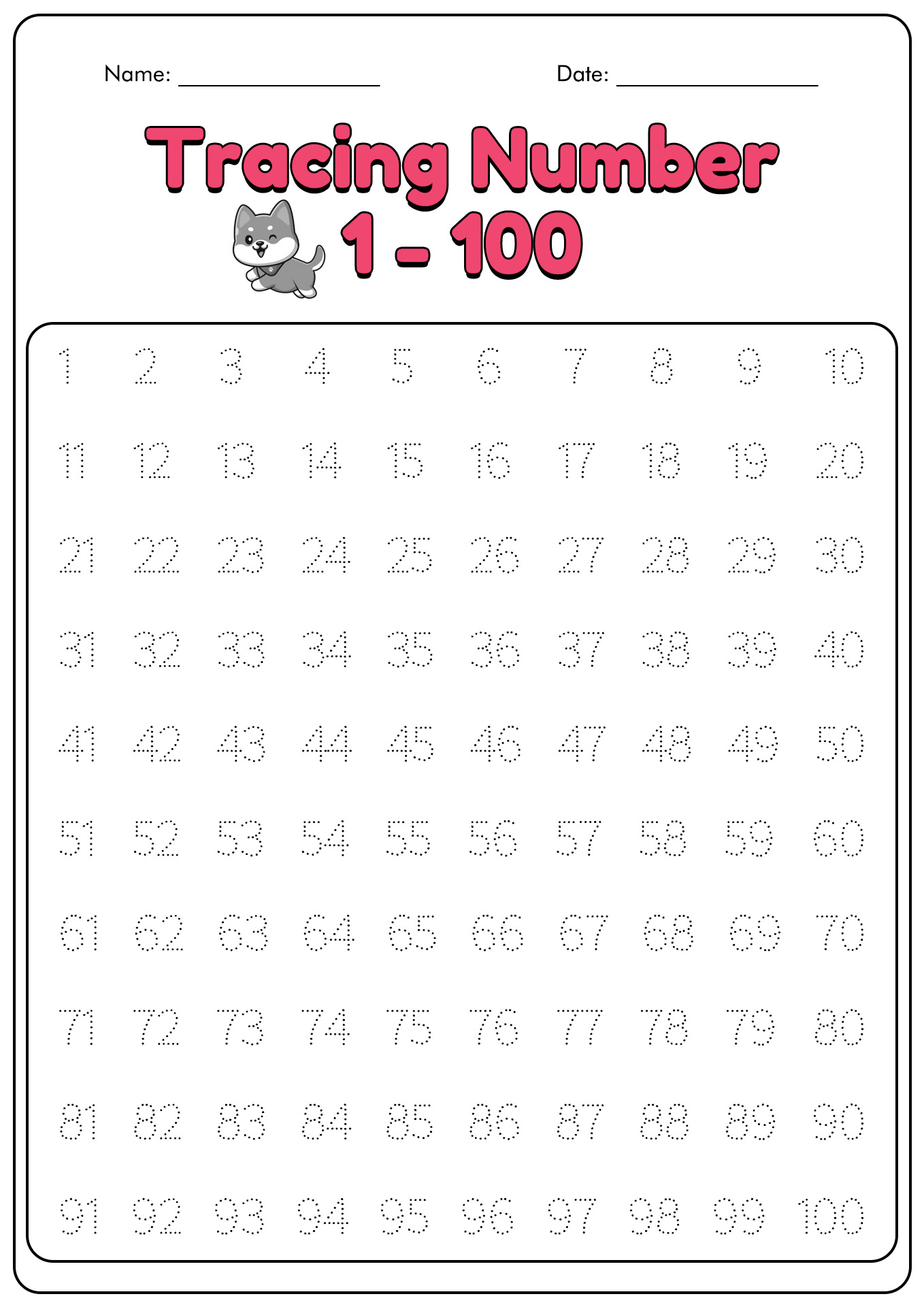
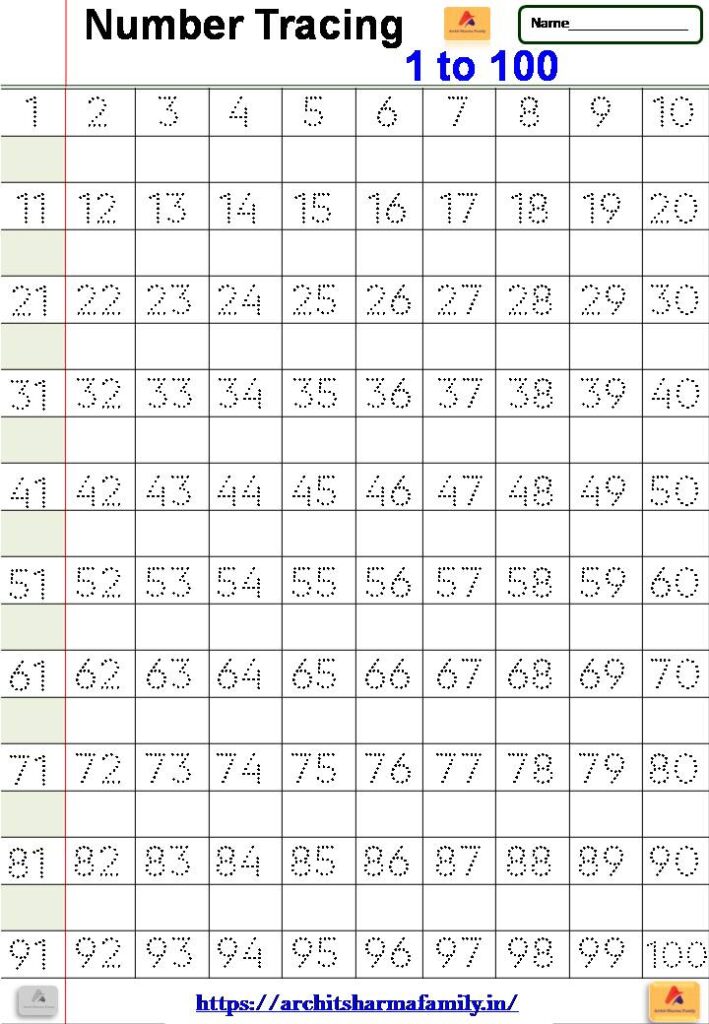
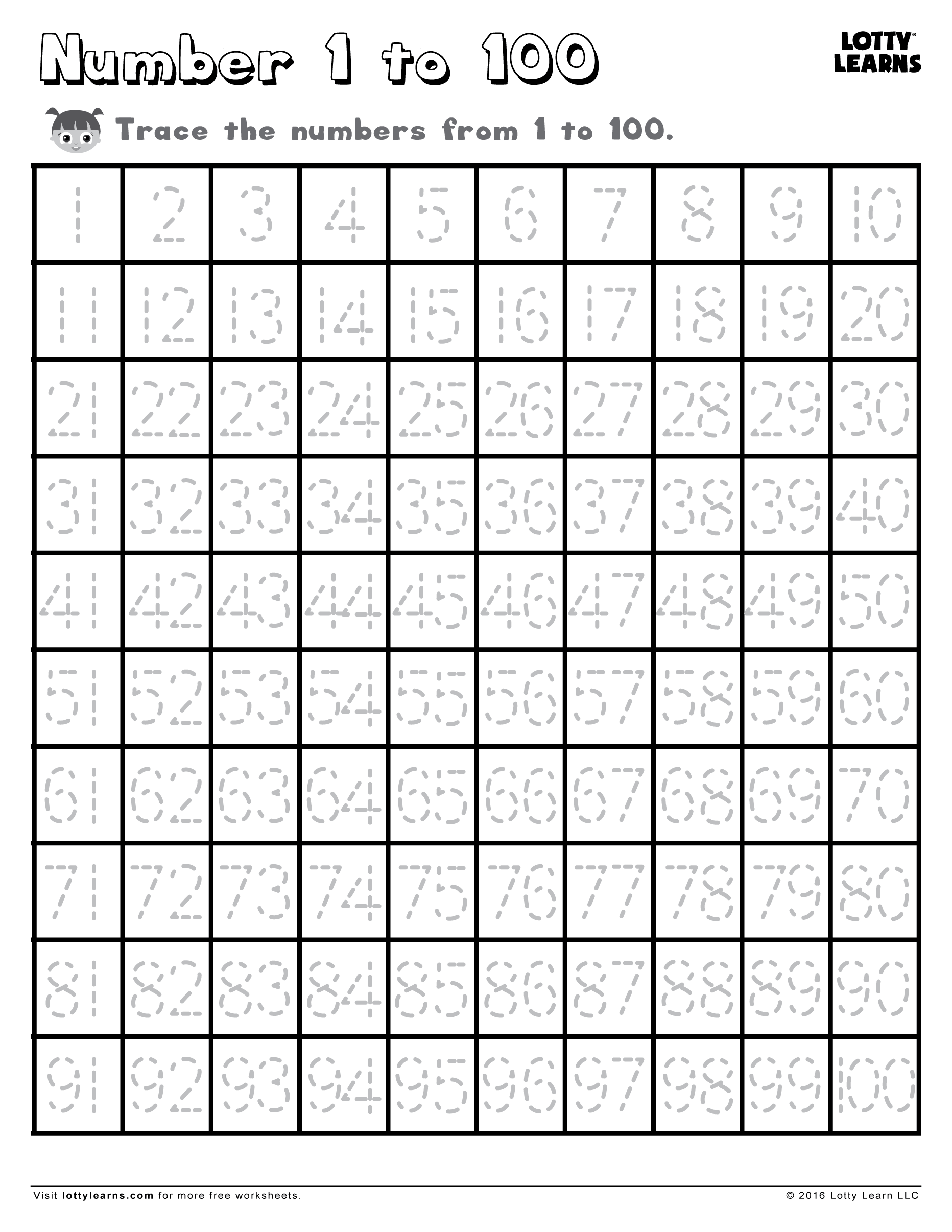
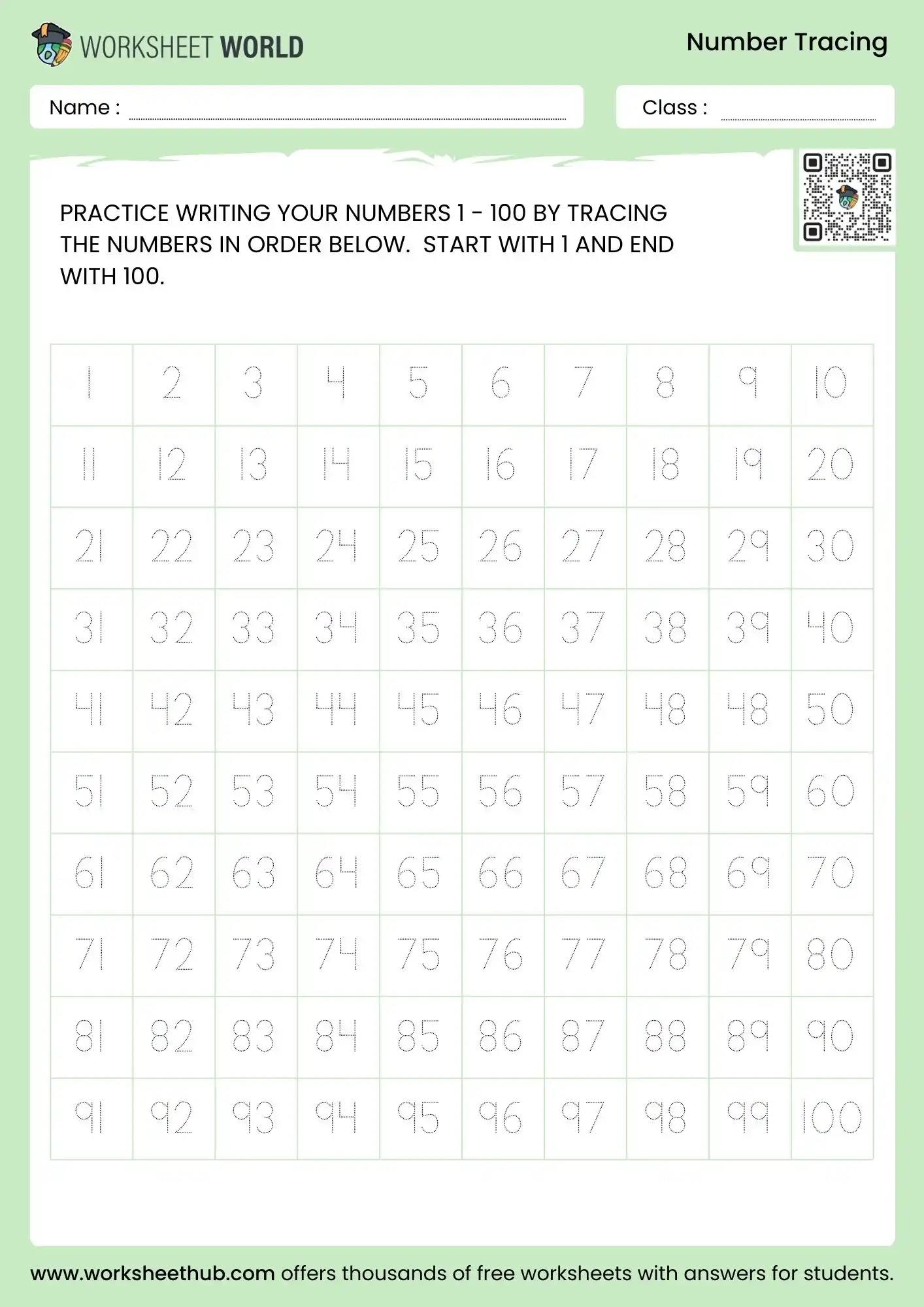
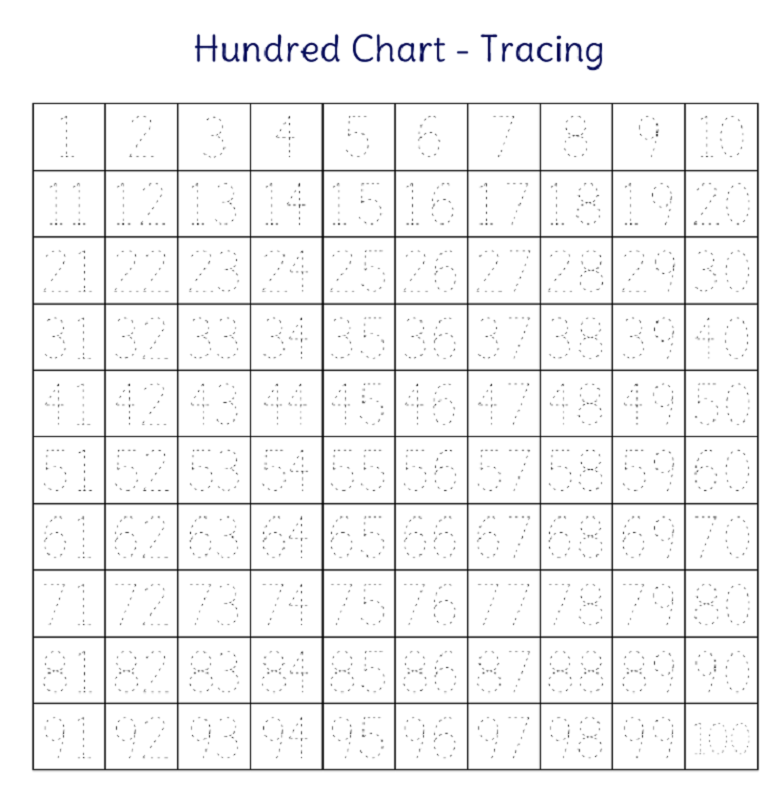
Many children recognize numerals and recite sequences long before their small hand muscles possess the endurance required for consistent pencil control. According to the American Occupational Therapy Association, foundational fine motor competence relies on proximal stability, finger dexterity, and visual-motor integration to manipulate writing utensils effectively. Children frequently attempt numbers with enthusiasm, yet proper stroke order and directional habits require structured, intentional guidance. The free numbers 1 100 tracing worksheets provide a methodical framework to bridge this exact gap between cognitive awareness and physical execution. It sounds simple, and that’s the point. Clear, progressive repetition allows young learners to internalize numeral formation without feeling overwhelmed by complex mathematical concepts or dense page layouts. Through targeted practice, the hand learns the rhythm of loops, curves, and straight vertical lines, building permanent muscle memory.
💡 Educational Key Takeaways:
- Core Skill: Structured Numbers 1 100 Tracing Worksheets focused on developing pencil grip, stroke control, and early literacy/math confidence.
- Target Scope: Suited for homeschoolers, preschool, kindergarten, and elementary learners.
- Best Recommendation: Practice 10–15 minutes daily with ergonomic writing tools to reinforce muscle memory without hand fatigue.
What This Worksheet Covers
Mastering numbers from one to one hundred demands a gradual ramp-up in visual tracking, spatial awareness, and pencil stamina. These pages begin with heavily supported dotted formations that guide the wrist and fingers through precise starting points and directional strokes. As learners progress through the sequence, the visual scaffolding slowly fades, encouraging independent size control and alignment within structured grids. Each numeral serves as a mini-lesson in stroke order, ensuring that children pull downward and left-to-right rather than developing inefficient habits that slow future writing down. Here is what makes this worksheet different: it balances comprehensive sequential coverage with mindful spacing, allowing young hands to pause and reset between rows. Beyond basic counting, this resource directly supports early numeracy by physically anchoring the visual symbol of each digit to a tangible hand movement.
Key Learning Outcomes
Consistent engagement with numerical tracing fosters several critical developmental milestones across early childhood. First, children refine their pencil grip and pressure regulation, moving away from whole-hand grasps toward a functional tripod hold. Second, visual-motor integration improves as eyes direct the hand to stay within boundaries, enhancing spatial planning on a page. Third, correct numeral formation and stroke sequence become automatic, freeing up cognitive energy for higher-level math problem-solving. Finally, children develop exceptional fine motor endurance, completing multi-step pages while maintaining legible, well-aligned digits from the first row to the last.
How to Use This Worksheet
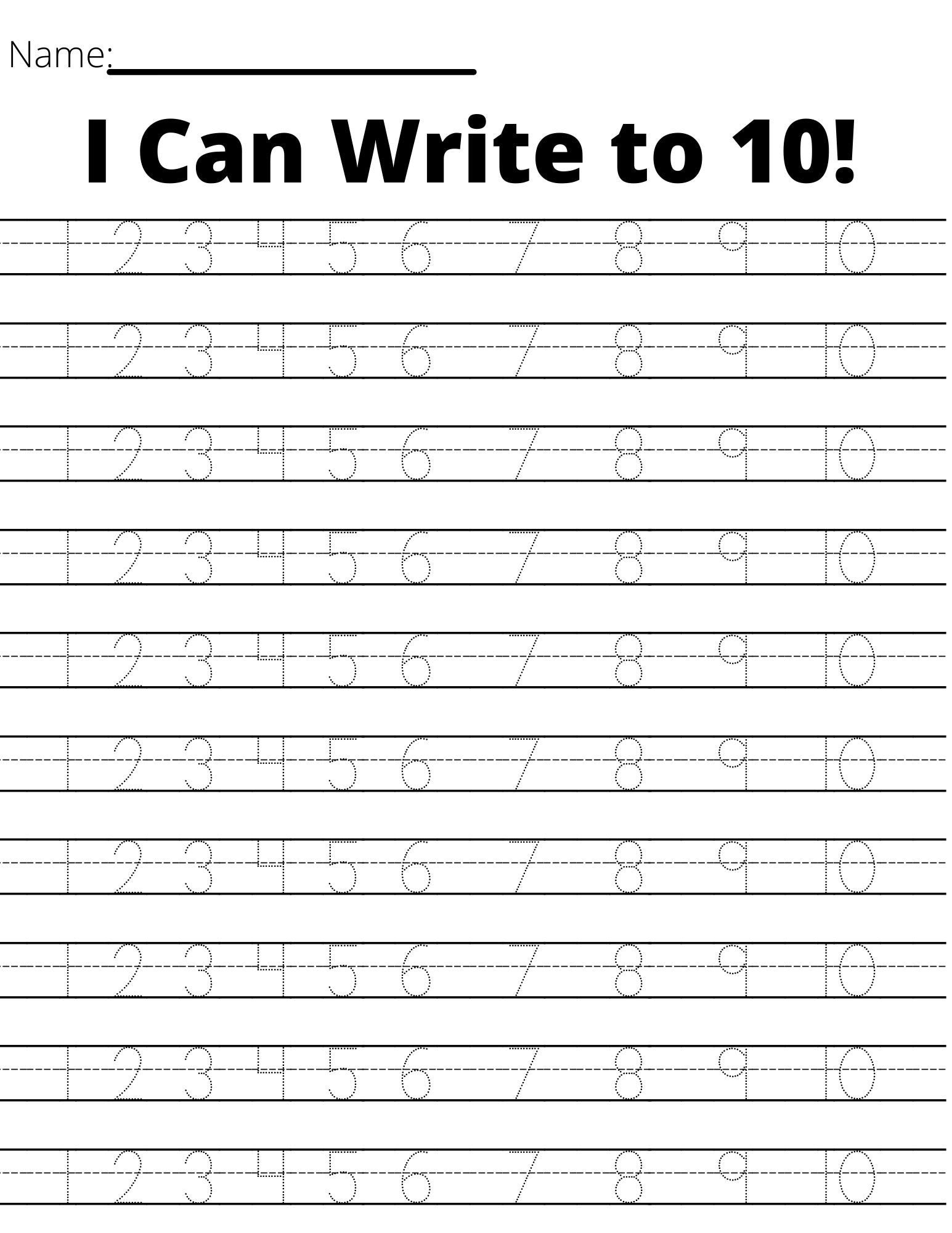
Successful implementation depends on meeting the child at their current stage of hand development rather than rushing straight to the end of the numerical sequence. Educators and caregivers often find success by introducing just a few numbers at a time, utilizing related practice materials such as Tracing Number pages to build initial confidence. Pacing prevents hand fatigue and keeps frustration at bay during those early sessions when grip strength is still developing. Ambient lighting, an appropriately sized desk and chair, and flat paper positioning all contribute to a posture that supports fluid arm movement. Whenever a child begins to show signs of tension in the fingers or shoulders, pause the session, stretch the hands, and return to the task later with fresh energy.
Practical Tips for Parents and Teachers
Adults play a vital role in modeling correct grip and stroke direction before the child places pencil to paper. Demonstrate the starting point of each numeral out loud, using verbal cues like “start at the top and pull straight down” to reinforce directionality. Scaffolding can involve hand-over-hand guidance for the very first stroke, gradually fading physical assistance until the child guides the pencil completely alone. To extend the learning for advanced students, challenge them to say the number aloud as they trace it, or transition to blank handwriting paper to test independent memory. Exploring options within Alphabet And Numbers Tracing collections can also provide variety and maintain high engagement throughout the week.
Age-Appropriate Recommendations
When supporting toddlers and preschoolers around ages two to four, keep expectations aligned with the CDC milestones for early fine motor development, focusing heavily on vertical strokes, imitation lines, and basic pre-writing exploration. During these early years, children benefit immensely from tactile variations like tracing textured numbers or using chunky crayons rather than standard pencils. For children aged five to eight, learning aligns with Common Core standard CCSS.MATH.CONTENT.K.CC.A.3, which requires writing numbers from zero to twenty, while extending gracefully up to one hundred through systematic practice. At this later stage, the focus shifts naturally toward consistent size, baseline adherence, and proper spacing between tens and units. Integrating resources from Fine Motor and Pre-Writing Skills ensures that the underlying hand strength remains robust enough to handle these rigorous numerical writing demands.
According to the National Association for the Education of Young Children (NAEYC), young children learn best through active engagement, meaningful hands-on materials, and developmentally appropriate practice that respects individual variations in motor control. — NAEYC Practice Guidelines
Frequently Asked Questions
How do I download and print these numbers 1 100 tracing worksheets?
Simply click the download link on the resource page, save the PDF file to a computer or tablet device, and send it directly to a home or classroom printer.
How does number tracing support overall fine motor and pre-writing development?
Tracing builds intrinsic hand muscles, improves visual-motor coordination, and teaches children precise pencil control and stroke directionality necessary for legible writing.
What does the American Occupational Therapy Association recommend for pencil grip readiness?
The American Occupational Therapy Association emphasizes that a functional tripod grasp typically emerges naturally after children develop sufficient proximal core stability and hand strength through play.
Explore More Free Printable Tracing Worksheets
Expanding a child’s writing toolkit goes beyond numbers alone, incorporating varied strokes and themes to keep practice fresh and exciting. Caregivers and educators can browse a wide selection of supplementary materials, including foundational exercises found in Shape and Line Tracing categories. Exploring the entire collection available at KidTraces.com offers endless opportunities to support early learners on their journey toward confident, fluent handwriting. Every printable resource is designed with care to ensure children build lifelong skills while enjoying the creative process of discovery.
Developmental Milestone & Activity Table
| Development Stage | Recommended Daily Duration | Primary Learning Objective |
|---|---|---|
| Preschool & Pre-K | 10 – 15 Minutes | Pencil grip development & basic pre-stroke lines |
| Kindergarten | 15 – 20 Minutes | Letter/number formation & spatial line awareness |
| Early Elementary (Grade 1–2) | 20 – 30 Minutes | Fluency, sentence construction & neatness |
Images References