Introduction
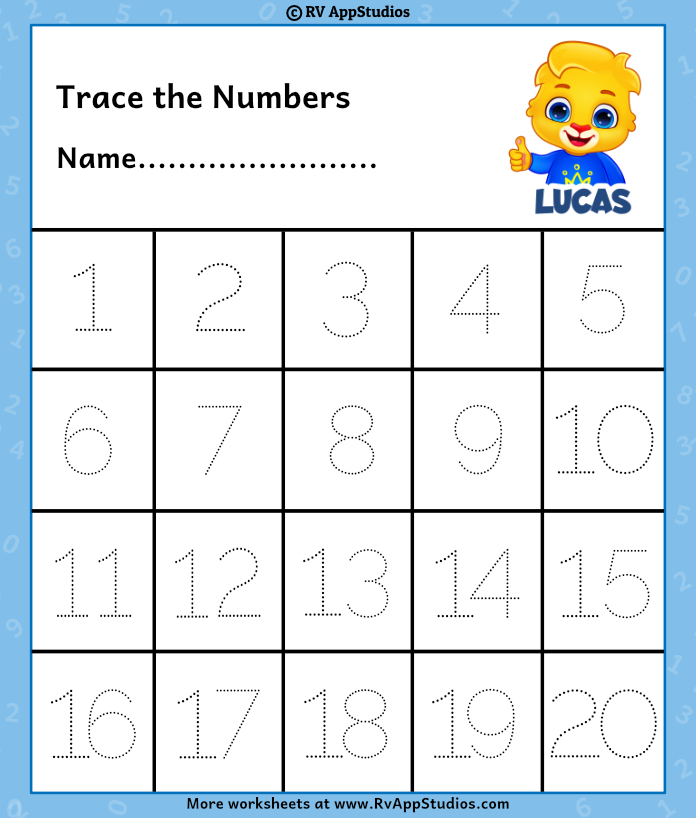
Watch any group of young learners and a fascinating pattern emerges: children frequently recognize symbols, numbers, and letters long before their fine motor control and hand strength are truly ready to form them on paper. According to the National Association for the Education of Young Children, developmental progress in early childhood relies heavily on hands-on experiences that bridge visual recognition with physical execution. Bridging this gap requires thoughtful, structured tools that support young hands without causing fatigue or frustration. The trace name of numbers 1 to 20 printable fills this exact developmental niche by combining numeral recognition, number-word literacy, and targeted stroke practice into a single cohesive activity. It sounds simple, and that is precisely the point. When children interact with numbers in both digits and words, neural pathways for both mathematical fluency and early literacy strengthen simultaneously. Building these foundational skills early paves the way for smooth handwriting habits later in the elementary years. Related guide: 1 100 Trace Number Printable.
💡 Technical Key Takeaways:
- Core Focus: Diagnostic schematic and terminal connection layout for Trace Name Of Numbers 1 To 20.
- Target Scope: Field technicians, automotive DIYers, and residential/commercial electricians.
- Safety Rule: Always disconnect the primary power source/battery terminal and verify zero voltage with a multimeter before touching wires.
What This Worksheet Covers
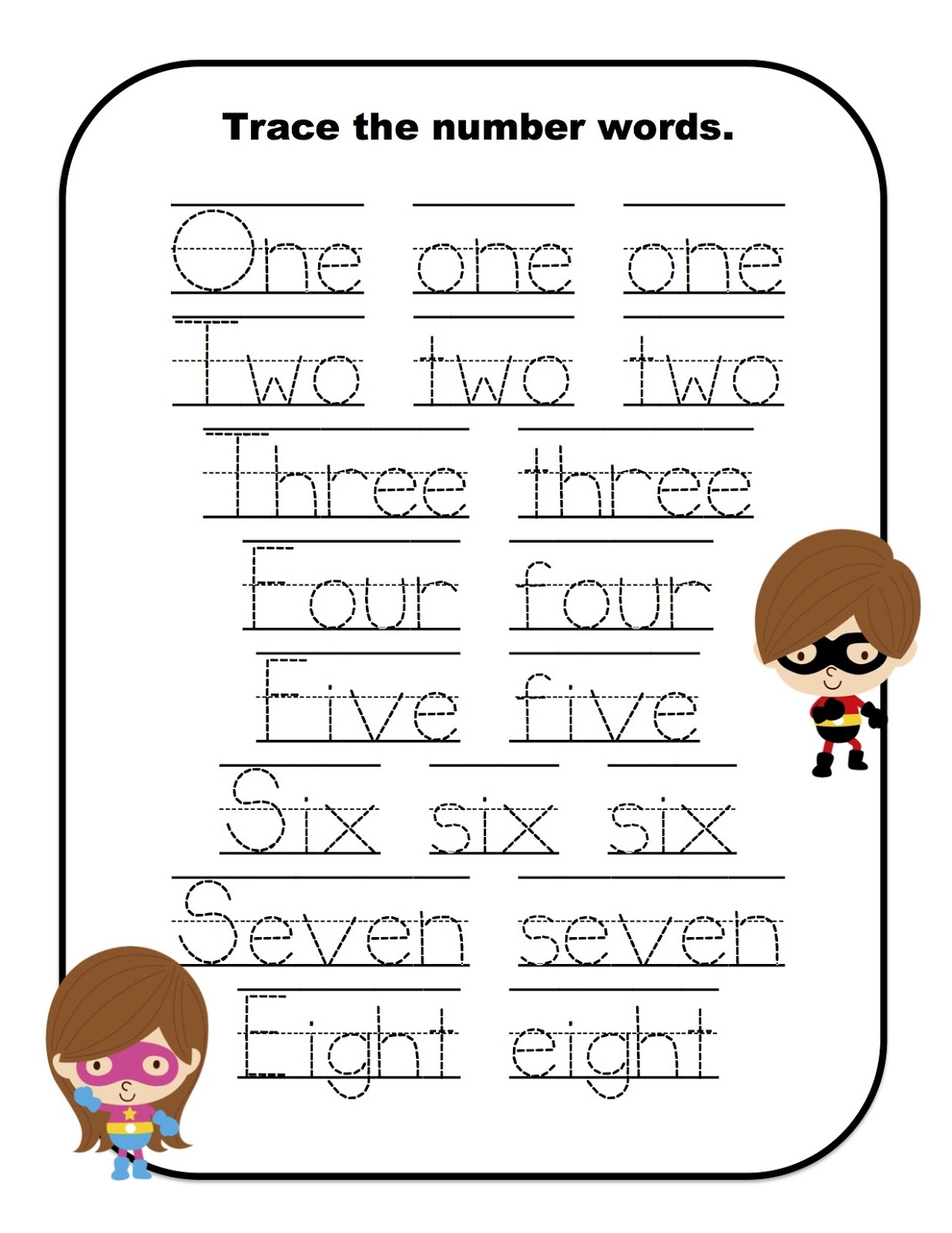
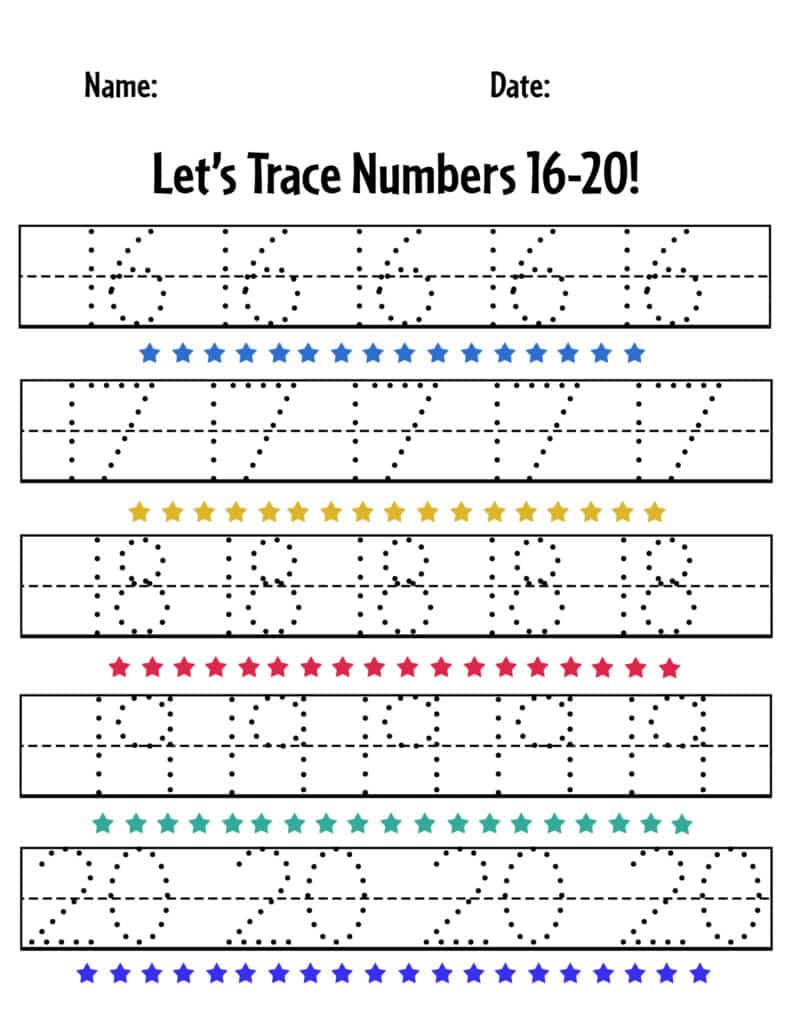
Targeting numbers one through twenty provides an essential bridge between basic counting and higher-level early math concepts. This resource guides children through the exact stroke order needed to form each numeral correctly, minimizing the development of awkward pencil habits that prove difficult to break down the road. Every single line on the page acts as a scaffold, teaching spatial awareness, directional tracking, and proportional sizing. Beyond numerical digits, spelling out number names—from “one” to “twenty”—reinforces foundational reading and spelling principles. Many classrooms notice that children tackle numeral formation with higher enthusiasm when paired with familiar number words. Exploring options within Tracing Number ensures learners receive targeted practice across varied numerical formats. The careful layout prevents visual crowding, giving developing eyes and hands the breathing room required for focused concentration.
Key Learning Outcomes
Engaging consistently with this resource yields powerful, measurable gains across multiple domains of early childhood development. Learners master proper stroke order and directional start points, ensuring numerals are built from top to bottom and left to right rather than drawn randomly. Hand-eye coordination improves dramatically as pencil tips learn to follow dotted pathways with increasing precision and decreasing pressure. Furthermore, spelling and recognizing number words expands early vocabulary while reinforcing phonics rules through repeated visual exposure. Fine motor stamina builds organically over time, allowing little fingers to sustain writing tasks for longer periods without cramping or shaking. These accumulated benefits feed directly into broader academic confidence, setting the stage for future mathematical and writing success.
How to Use This Worksheet
Maximizing the effectiveness of any tracing sheet starts with setting up the physical environment before a pencil ever touches the paper. Ensure the workspace features a chair and table height that allows both feet to rest flat on the floor, promoting core stability which directly influences distal hand control. Introduce the printable during calm, focused windows of the day rather than rushing through the activity at the end of a tiring session. Encourage children to trace the numbers with a finger first to experience the kinetic flow before introducing a writing utensil. Pairing this specific resource with tools found in Word and Name Tracing helps maintain variety while keeping the primary focus on literacy and numeral mechanics.
Practical Tips for Parents and Teachers
Supporting a developing tripod grip requires patience, gentle reminders, and occasional adaptation tools like short golf pencils or triangular crayons that naturally encourage correct finger placement. Watch closely for signs of hand fatigue, such as white knuckles or excessive downward pressure, and initiate a quick hand-stretching break immediately. Scaffold the learning process by starting with smaller chunks, such as numbers one through five, before attempting the full sequence up to twenty in a single sitting. For children needing extra sensory input, slip the printable inside a dry-erase sleeve and let them trace the lines using colorful markers before moving to standard paper and pencil. Providing positive verbal reinforcement focused on effort and neat directional control yields far better results than demanding immediate perfection.
Age-Appropriate Recommendations
Navigating early childhood milestones requires matching expectations to the biological reality of hand and brain development. According to the developmental framework outlined in the CDC milestones, most children begin showing interest in numbers and pre-writing strokes around age three, though independent, legible formation of complex numerals typically solidifies between ages five and seven. For younger children ages two to four, the focus should center on large pre-writing lines, finger tracing, and exploring resources housed within Fine Motor and Pre-Writing Skills to build baseline hand strength. For older children in the five to eight range, this printable serves as an ideal tool for refining stroke precision, mastering number-word spelling, and cementing independent handwriting habits in alignment with early elementary expectations.
Developmental progress in early childhood relies heavily on hands-on experiences that bridge visual recognition with physical execution. — National Association for the Education of Young Children (NAEYC)
Frequently Asked Questions
Explore More Free Printable Tracing Worksheets
Supporting a child’s journey toward confident handwriting involves a rich variety of engaging, developmentally appropriate practice materials. Exploring the complete library available at KidTraces.com opens up countless avenues for growth, creativity, and foundational skill-building. Whether seeking targeted line practice or expanding literacy horizons, every family and classroom finds reliable resources designed to make learning a joyful experience. Print out fresh pages daily to inspire steady progress, beautiful handwriting, and a lifelong love of learning.
Quick Wiring Specifications & Terminal Guide
| Component / Circuit | Standard Wire Gauge | Recommended Protection |
|---|---|---|
| Control & Trigger Signals | 18 – 20 AWG | 5A – 7.5A Inline Fuse |
| Standard Auxiliary Load | 14 – 16 AWG | 15A – 20A Circuit Breaker |
| Main Power Feed / Supply | 10 – 12 AWG | 30A – 40A Heavy-Duty Relay |
Images References