Introduction
Many children recognize numerals and letters long before their fine motor coordination allows them to neatly form those symbols on paper. According to the American Occupational Therapy Association, foundational pencil control and hand strength develop progressively through targeted fine motor experiences rather than rushed academic drills. Mastering numeral formation requires a delicate blend of visual-spatial awareness, sustained attention, and refined finger dexterity. Building these competencies early prevents hand fatigue and sets a stable foundation for future academic success. The free printable Tracing Number resource bridges this developmental gap by offering structured, repeatable practice designed specifically for young learners.
💡 Educational Key Takeaways:
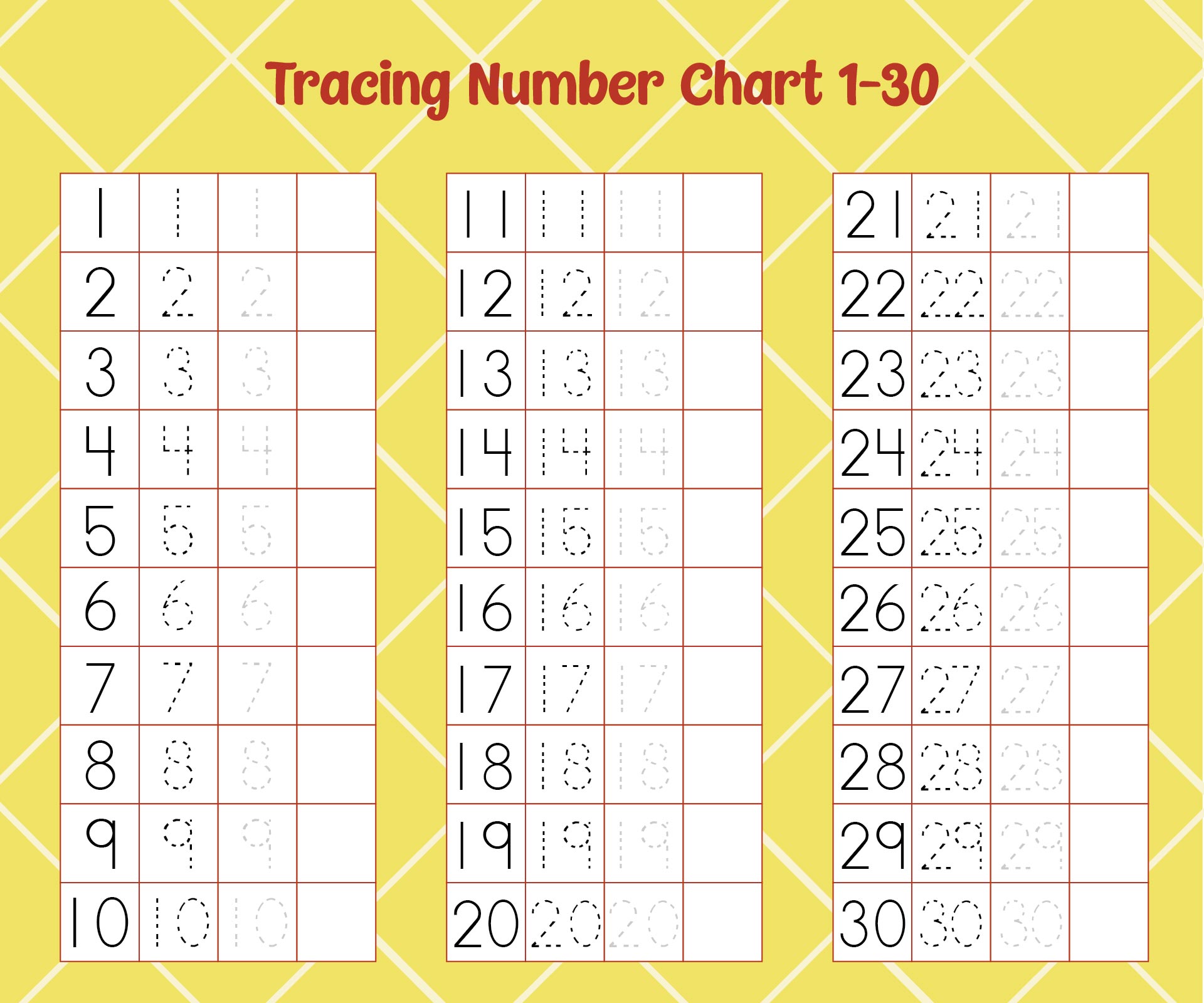
- Core Skill: Structured Tracing Numbers 1 To 30 focused on developing pencil grip, stroke control, and early literacy/math confidence.
- Target Scope: Suited for homeschoolers, preschool, kindergarten, and elementary learners.
- Best Recommendation: Practice 10–15 minutes daily with ergonomic writing tools to reinforce muscle memory without hand fatigue.
What This Worksheet Covers
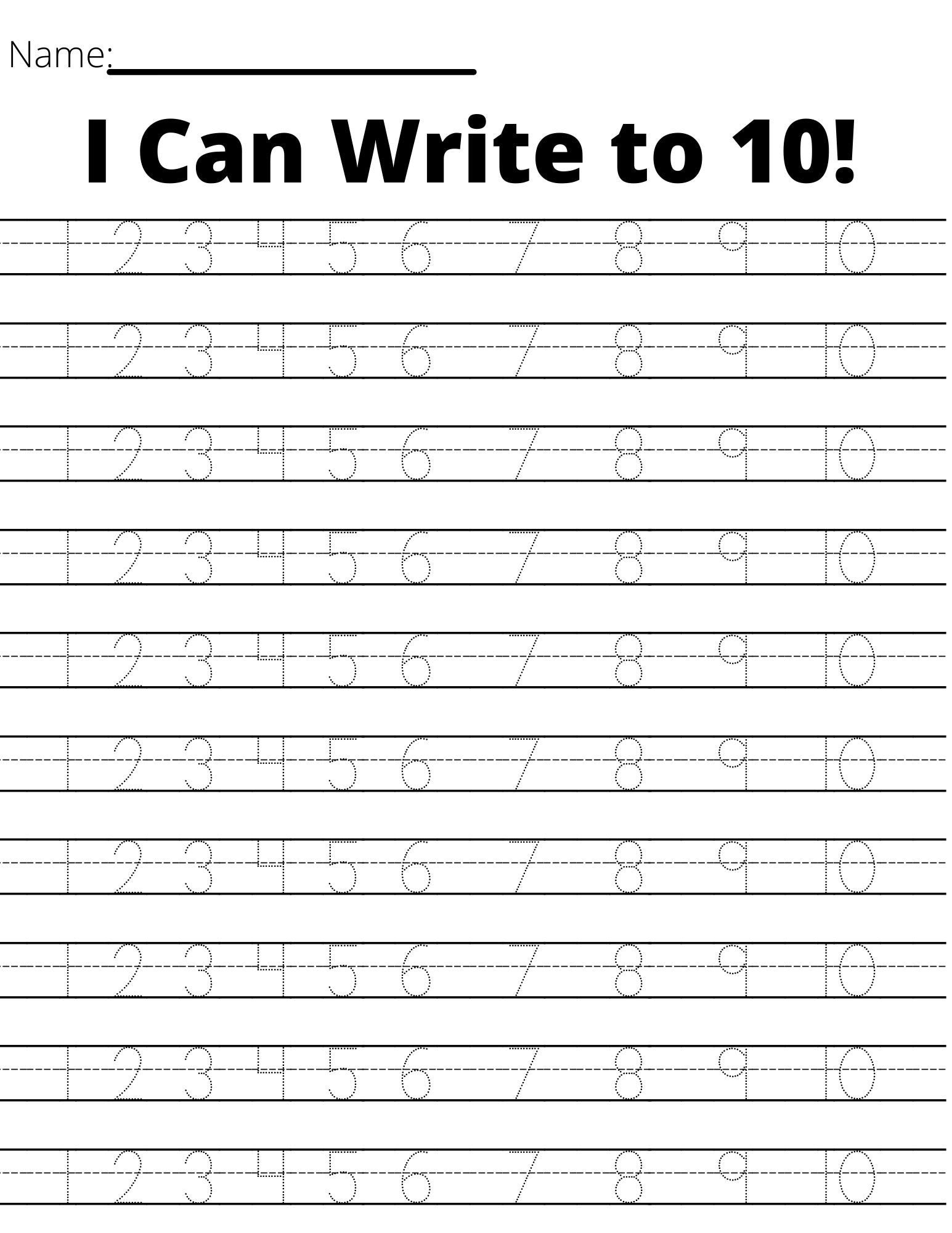
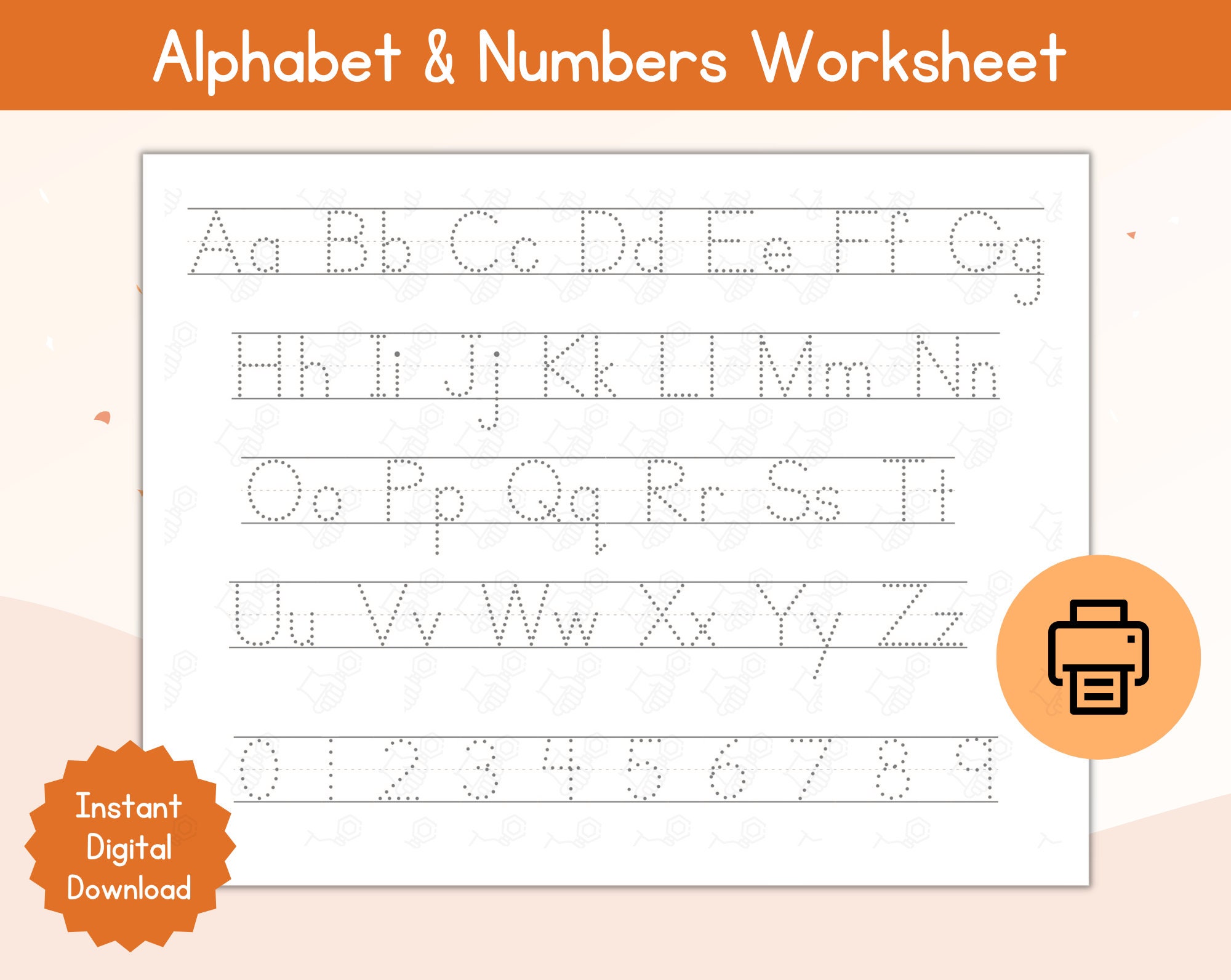
This comprehensive resource guides young children through the sequence of quantities from one to thirty using carefully structured pathways. Each numeral features directional arrows and distinct starting dots that teach proper stroke order from the very first attempt. Instead of unstructured doodling, learners navigate controlled paths that reinforce vertical lines, loops, curves, and diagonal slashes. It sounds simple, and that is the point. By breaking complex numeral shapes down into manageable strokes, children build muscle memory organically. The layout progresses gradually, allowing learners to build confidence with single-digit numbers before tackling the complexities of multi-digit numbers in the teens and twenties. Exploring these foundational templates pairs wonderfully with activities found within the broader Alphabet And Numbers Tracing collection.
Key Learning Outcomes
Consistent engagement with these guided numerical pathways fosters robust numerical literacy and advanced fine motor control. According to the National Association for the Education of Young Children, active manipulation of writing tools during the early childhood years significantly enhances bilateral coordination and spatial reasoning. Learners master correct stroke sequencing, ensuring that numbers like three, five, and eight are formed with fluid continuity rather than disjointed scribbles. Hand-eye coordination improves dramatically as pencils stay on targeted dotted paths. Children also internalize standard numeral sequencing and quantity recognition up to thirty, bridging early math concepts with physical writing mechanics. Furthermore, successfully completing these structured pages instills a sense of patience and self-regulation. Related guide: &th Grade Shrinking Worksheets.
How to Use This Worksheet
Facilitating this practice effectively involves creating a calm, supportive workspace suited to the physical needs of young children. Ensure the writing surface is at a comfortable height, allowing feet to rest flat on the floor and elbows to bend at a ninety-degree angle. Encourage a functional tripod grasp, but avoid rigid enforcement that causes hand tension during early attempts. Slip the printable pages into heavy-duty plastic sleeves and provide dry-erase markers for low-stakes, repeatable practice. Children often embrace the chance to wipe away mistakes and try again without the permanence of ink. When transitioning to paper, standard golf pencils or broken crayons encourage a natural, closed-fist or tripod grip by limiting the surface area available for improper finger positioning.
Practical Tips for Parents and Teachers
Adults play a vital role in scaffolding the experience without taking over the physical act of writing. Model the correct stroke sequence on a separate sheet of paper, verbalizing the directionality out loud, such as “start at the top, slide down, and loop around.” Observe hand fatigue closely, ending the session the moment a child’s grip begins to collapse or frustration sets in. Extend the learning beyond the page by having children trace numerals in tactile materials like sand, shaving cream, or flour before picking up a pencil. Scaffolding the activity down can involve covering half the page to reduce visual clutter, while extending the activity might involve asking the child to count physical objects corresponding to the traced numeral. For complementary pre-writing practice that strengthens hand arches, consider incorporating resources from Fine Motor and Pre-Writing Skills into the daily routine.
Age-Appropriate Recommendations
Targeting expectations to developmental stages ensures that writing remains an engaging and positive experience. For children ages two to four, the focus aligns with the NAEYC Developmentally Appropriate Practice framework, emphasizing gross motor control, sensory exploration, and large pre-writing strokes over perfection in tiny boxes. Toddlers and young preschoolers benefit most from tracing oversized numerals on vertical surfaces, which naturally encourages wrist extension and shoulder stability. For children ages five to eight, alignment shifts toward the Common Core Mathematics standard K.CC.A.3, where learners write numbers from zero to twenty and beyond while representing a number of objects with a written numeral. At this stage, standard-sized tracing sheets reinforce proper line adherence, proportional sizing, and spacing between digits.
Developmental progression in early writing relies heavily on the maturation of intrinsic hand muscles and bilateral integration — American Occupational Therapy Association
Frequently Asked Questions
Explore More Free Printable Tracing Worksheets
Supporting a young learner involves offering diverse, engaging pathways to mastery across all developmental domains. The collection at KidTraces.com provides a comprehensive array of no-prep resources designed to build confidence in every classroom and home setting. Caregivers and educators can easily expand their toolkit by browsing specialized galleries like Shape and Line Tracing for fundamental stroke control. Every printable is thoughtfully crafted to make the journey from early marks to confident handwriting an enjoyable daily adventure. Print today.
Developmental Milestone & Activity Table
| Development Stage | Recommended Daily Duration | Primary Learning Objective |
|---|---|---|
| Preschool & Pre-K | 10 – 15 Minutes | Pencil grip development & basic pre-stroke lines |
| Kindergarten | 15 – 20 Minutes | Letter/number formation & spatial line awareness |
| Early Elementary (Grade 1–2) | 20 – 30 Minutes | Fluency, sentence construction & neatness |
Images References