Introduction
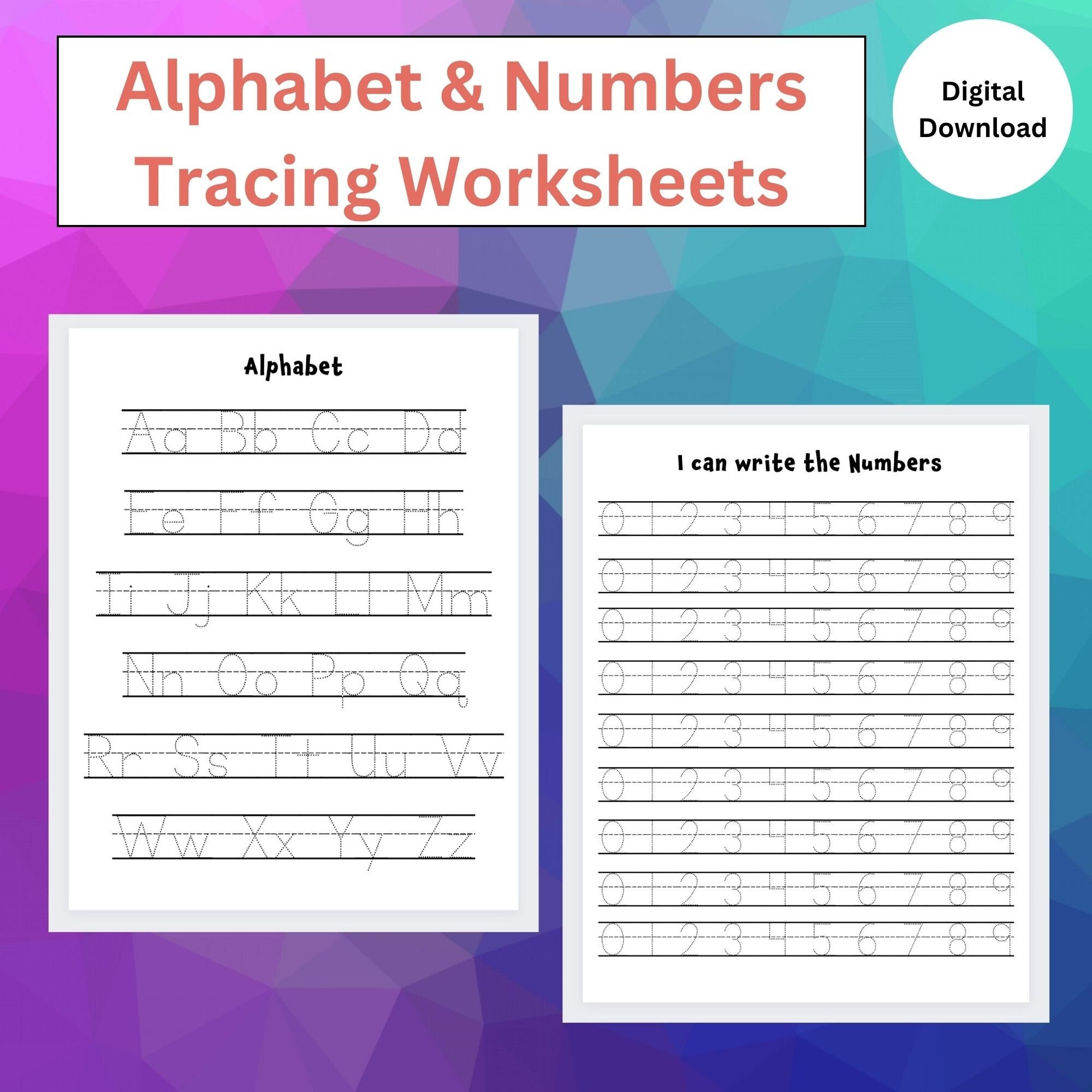
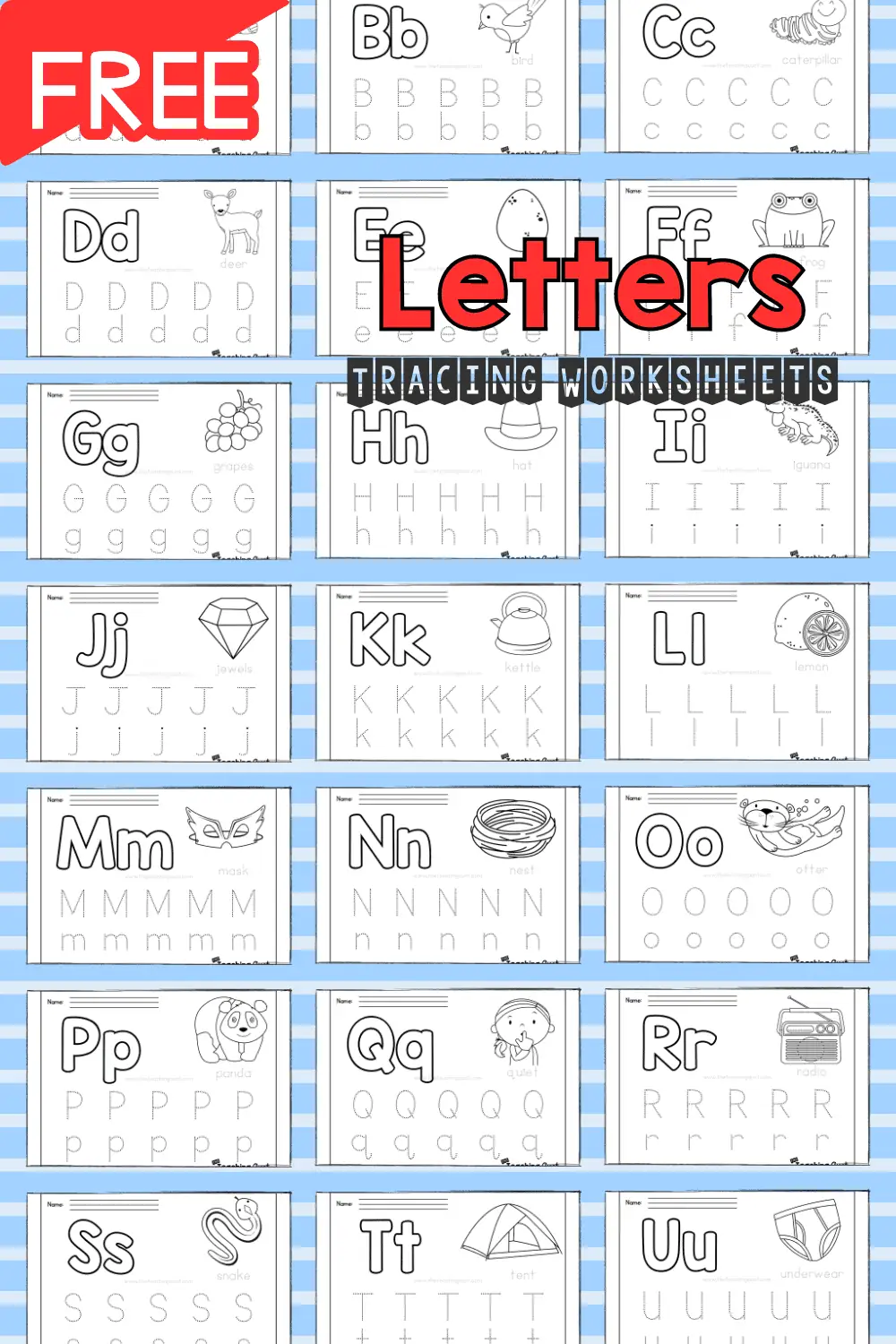
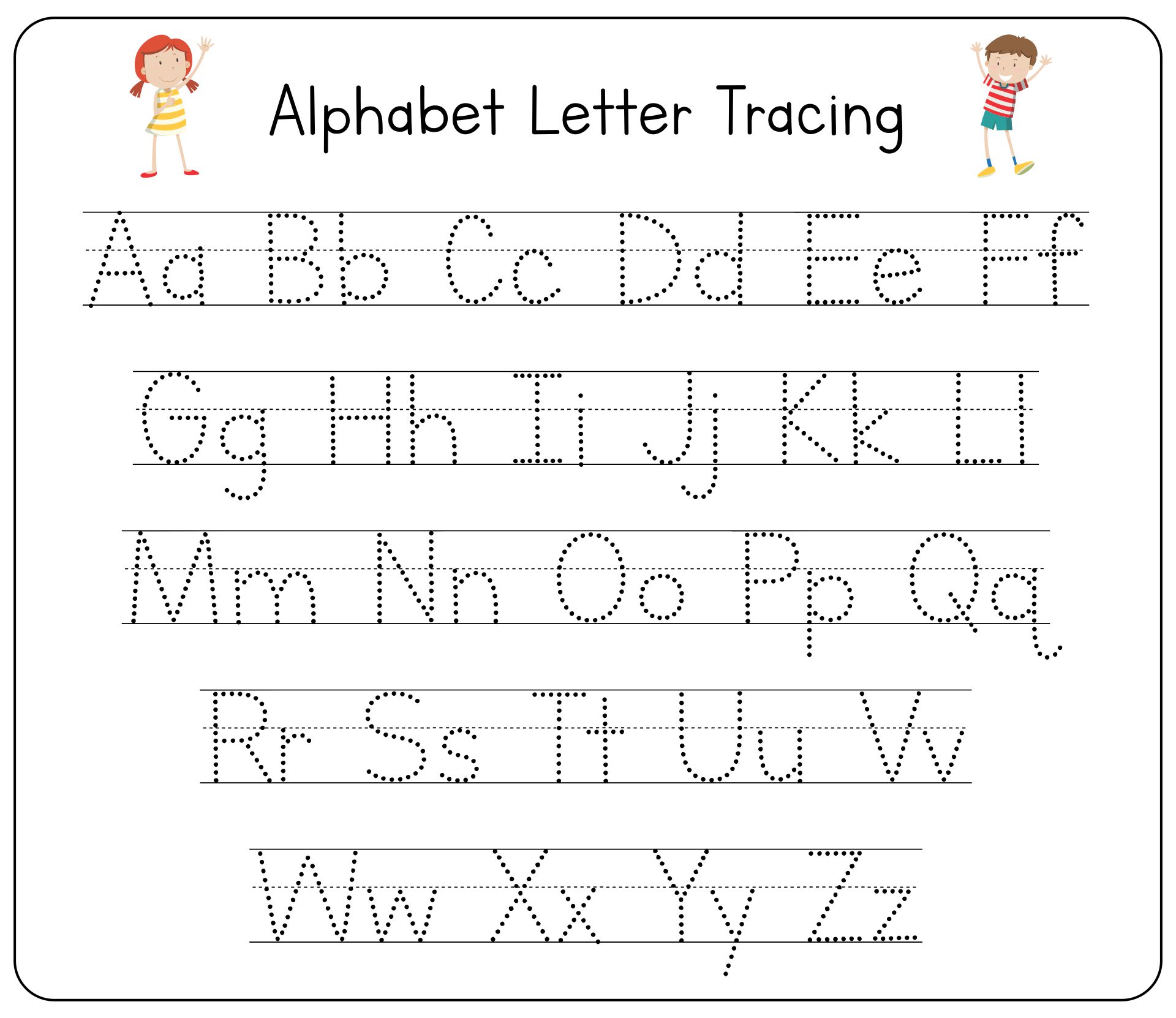
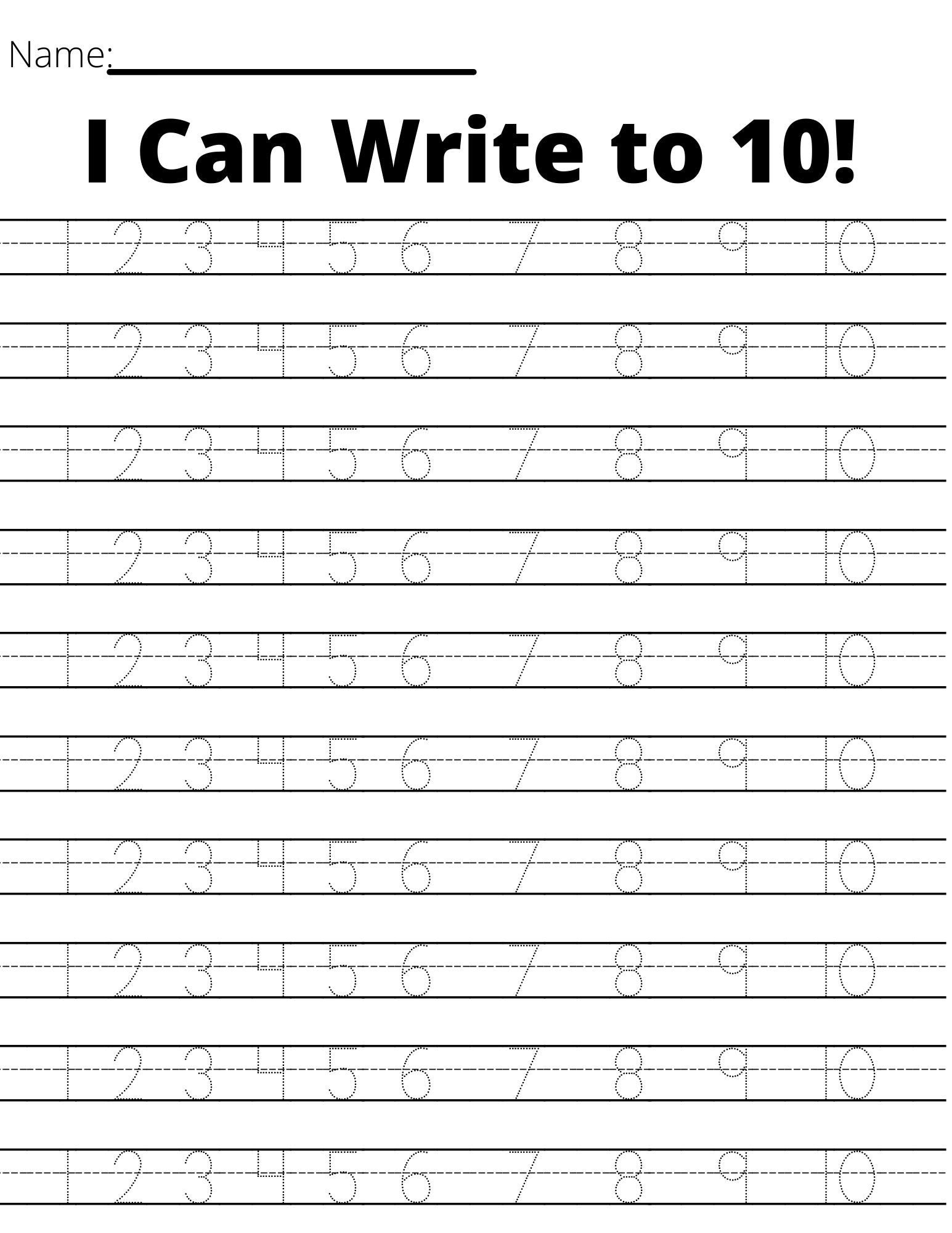
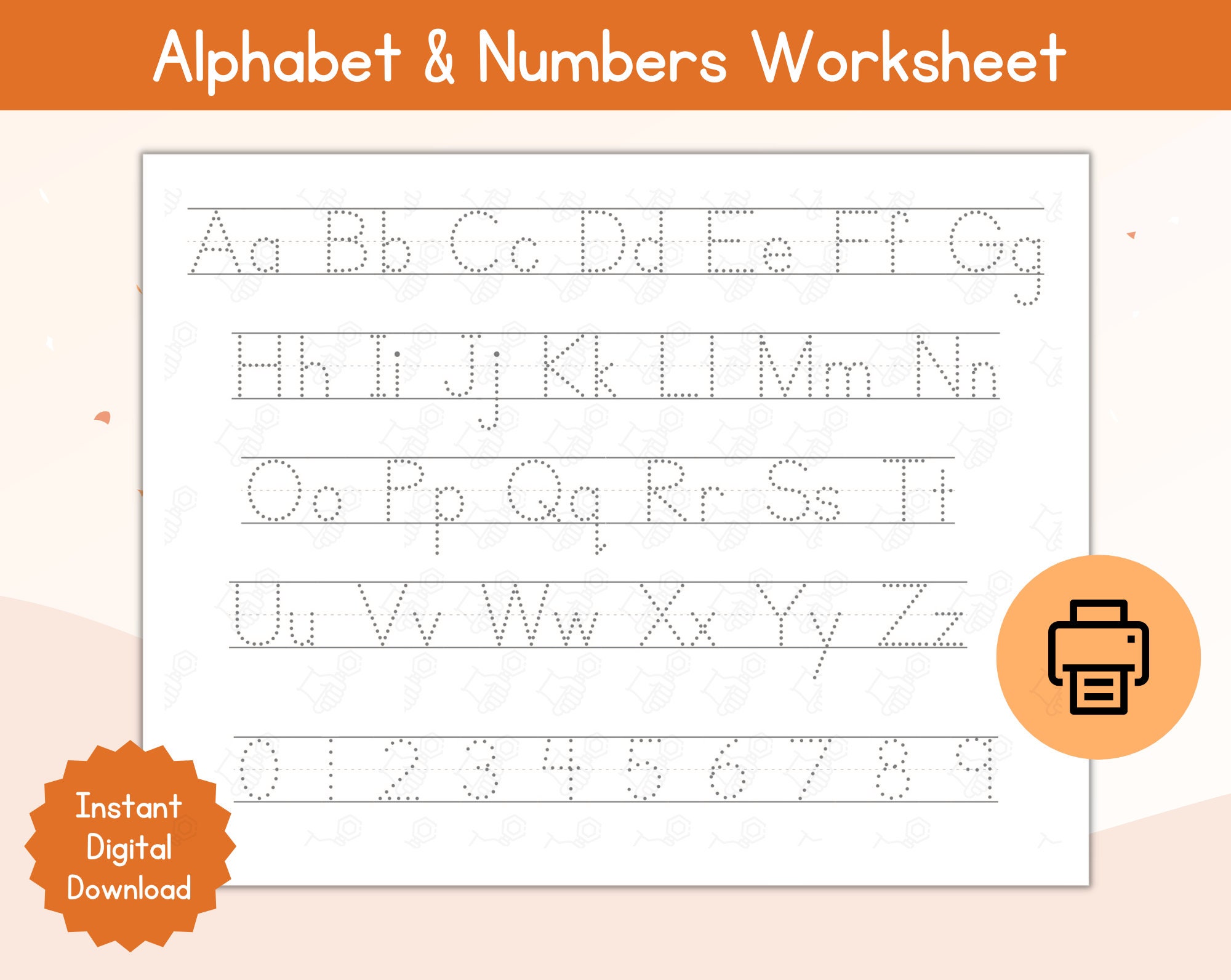
Many young children recognize letters and numbers long before their fine motor control allows them to form those same symbols on paper. According to Reading Rockets, early handwriting instruction builds essential letter recognition and phonics skills by connecting visual symbols with physical movement. Years of watching children grip pencils reveal a common struggle: the cognitive understanding of language outpaces hand strength. Bridging this gap requires intentional, scaffolded practice that builds muscle memory without inducing frustration. The free printable tracing alphabet and numbers resource offers a structured pathway for developing this crucial mind-hand connection. Guided formation paths help young learners transition from random scribbling to intentional, controlled stroke production. Related guide: 1 100 Trace Number Printable.
💡 Educational Key Takeaways:
- Core Skill: Structured Tracing Alphabet And Numbers focused on developing pencil grip, stroke control, and early literacy/math confidence.
- Target Scope: Suited for homeschoolers, preschool, kindergarten, and elementary learners.
- Best Recommendation: Practice 10–15 minutes daily with ergonomic writing tools to reinforce muscle memory without hand fatigue.
What This Worksheet Covers
Letter and numeral formation form the core of early writing proficiency, requiring precise spatial awareness and consistent stroke order. It sounds simple, and that’s the point: mastering the foundational architecture of letters prevents bad habits that become difficult to break later in childhood. Dotted lines and directional arrows guide learners through each stroke, teaching the proper sequence of starting points, vertical drops, and curved loops. Beyond alphabet symbols, numeral practice incorporates mathematical literacy directly into fine motor routines, preparing minds for geometry and basic arithmetic. Every page isolates specific characters to prevent visual overwhelm, allowing concentrated effort on individual stroke mechanics.
Key Learning Outcomes
Consistent interaction with these foundational exercises fosters robust hand-eye coordination and visual-spatial processing. Children develop pencil control by regulating pressure and maintaining continuous contact across curved and straight pathways. Familiarity with letter sequencing and stroke directionality emerges naturally through repeated tracing motions. Furthermore, learners build the intrinsic muscle endurance required for longer writing tasks, laying groundwork found within broader resources like Alphabet And Numbers Tracing and related fine motor toolkits. Over time, this targeted repetition transforms labored drawing movements into automatic, fluent handwriting habits.
How to Use This Worksheet
Successful implementation relies on short, engaging sessions rather than prolonged drill exercises that fatigue developing muscles. Setting up a supportive workspace with proper seating posture ensures the hand and wrist maintain a neutral, ergonomic alignment. Adults should encourage a functional grasp—such as a tripod or quadrapod grip—while keeping the paper tilted slightly to match the natural angle of the writing hand. Tracing should begin with a finger or uninked stylus to build spatial confidence before introducing crayons or pencils. Exploring additional options like Tracing Worksheets allows educators to vary practice materials and maintain high engagement levels.
Practical Tips for Parents and Teachers
Here’s what makes this worksheet different: it emphasizes quality of movement over sheer quantity of completed pages. Adults can scaffold the experience by verbally describing the strokes out loud, using playful cues like “top-to-bottom” or “around the bend” to reinforce directionality. Extending the learning involves air-writing the targeted letter before putting pencil to paper, engaging gross motor pathways to strengthen cognitive retention. When fatigue sets in, pausing the activity protects against poor grip compensations that strain small joints. Observing children closely during these exercises helps identify whether a child needs broader foundational support, such as exploring Fine Motor and Pre-Writing Skills to build baseline hand strength.
Age-Appropriate Recommendations
Developmental expectations vary significantly across early childhood, requiring tailored approaches for different age groups. According to NAEYC developmental guidelines, toddlers and preschoolers aged two to four benefit primarily from large, gross-motor pre-writing strokes that engage shoulder and elbow stability. For children ages five to eight, the focus shifts toward refined pencil control, proper letter proportions, and alignment along a baseline, aligning directly with foundational educational standards like Common Core ELA standard L.K.1.a regarding print formation. Younger children thrive on tracing larger shapes and thick dotted lines, whereas older kindergarten and early elementary students are ready to master standard sizing and spacing.
According to Reading Rockets, early handwriting instruction builds essential letter recognition and phonics skills by connecting visual symbols with physical movement. — Reading Rockets
Frequently Asked Questions
Finding clear answers regarding early writing development helps adults optimize practice routines at home and in the classroom. The following responses address common inquiries about printing resources, fine motor growth, and developmental milestones established by trusted organizations.
Explore More Free Printable Tracing Worksheets
Supporting a young writer involves offering a rich variety of engaging, developmentally appropriate practice materials tailored to evolving interests and abilities. Exploring the full library at KidTraces.com provides access to countless resources designed to make pencil control fun and effective. From seasonal themes to targeted letter practice, every printable supports children on their journey toward confident, legible handwriting.
Developmental Milestone & Activity Table
| Development Stage | Recommended Daily Duration | Primary Learning Objective |
|---|---|---|
| Preschool & Pre-K | 10 – 15 Minutes | Pencil grip development & basic pre-stroke lines |
| Kindergarten | 15 – 20 Minutes | Letter/number formation & spatial line awareness |
| Early Elementary (Grade 1–2) | 20 – 30 Minutes | Fluency, sentence construction & neatness |
Images References