Introduction
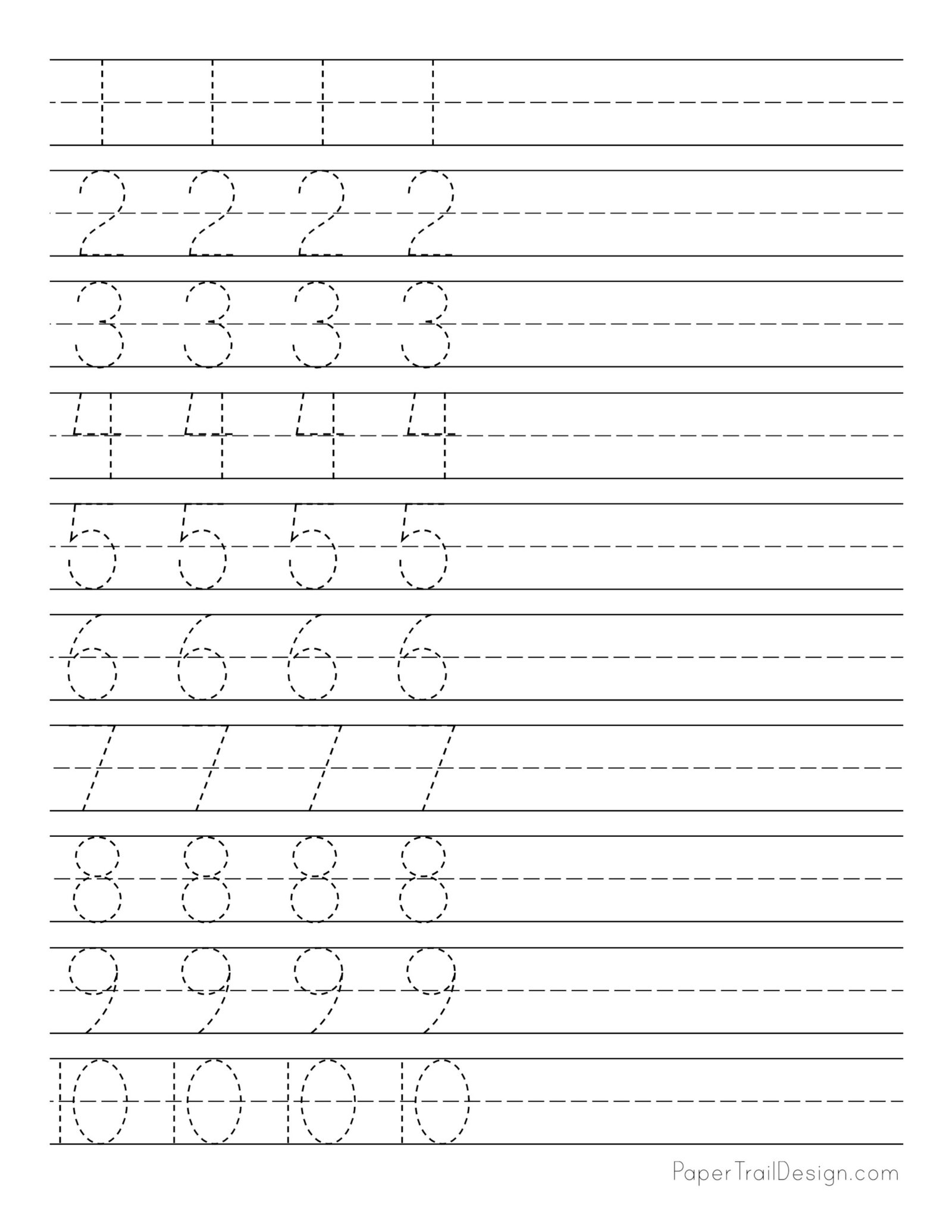
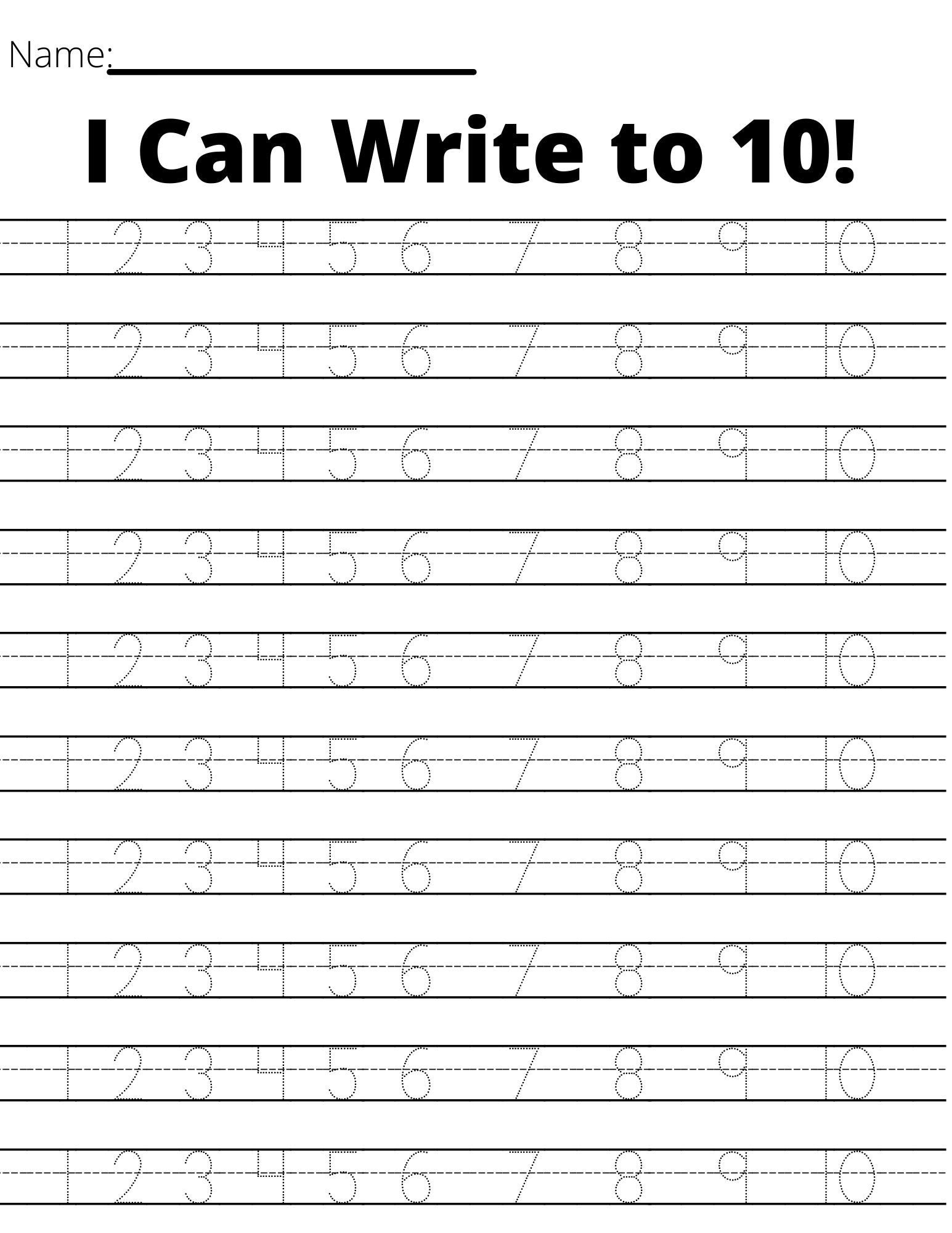
Many children recognize letters and numerals long before their fine motor skills can actually form them on paper. According to the National Association for the Education of Young Children, young learners develop pre-writing skills through purposeful play and structured pencil exploration that honors physical readiness. This developmental gap between visual recognition and physical execution often leads to frustration during early writing instruction. Integrating structured tools like the number writing 1 – 10 free printable bridges that gap by offering guided numeral formation, stroke order practice, and spatial awareness training designed specifically for early learners.
💡 Educational Key Takeaways:
- Core Skill: Structured Number Writing 1 – 10 focused on developing pencil grip, stroke control, and early literacy/math confidence.
- Target Scope: Suited for homeschoolers, preschool, kindergarten, and elementary learners.
- Best Recommendation: Practice 10–15 minutes daily with ergonomic writing tools to reinforce muscle memory without hand fatigue.
What This Worksheet Covers
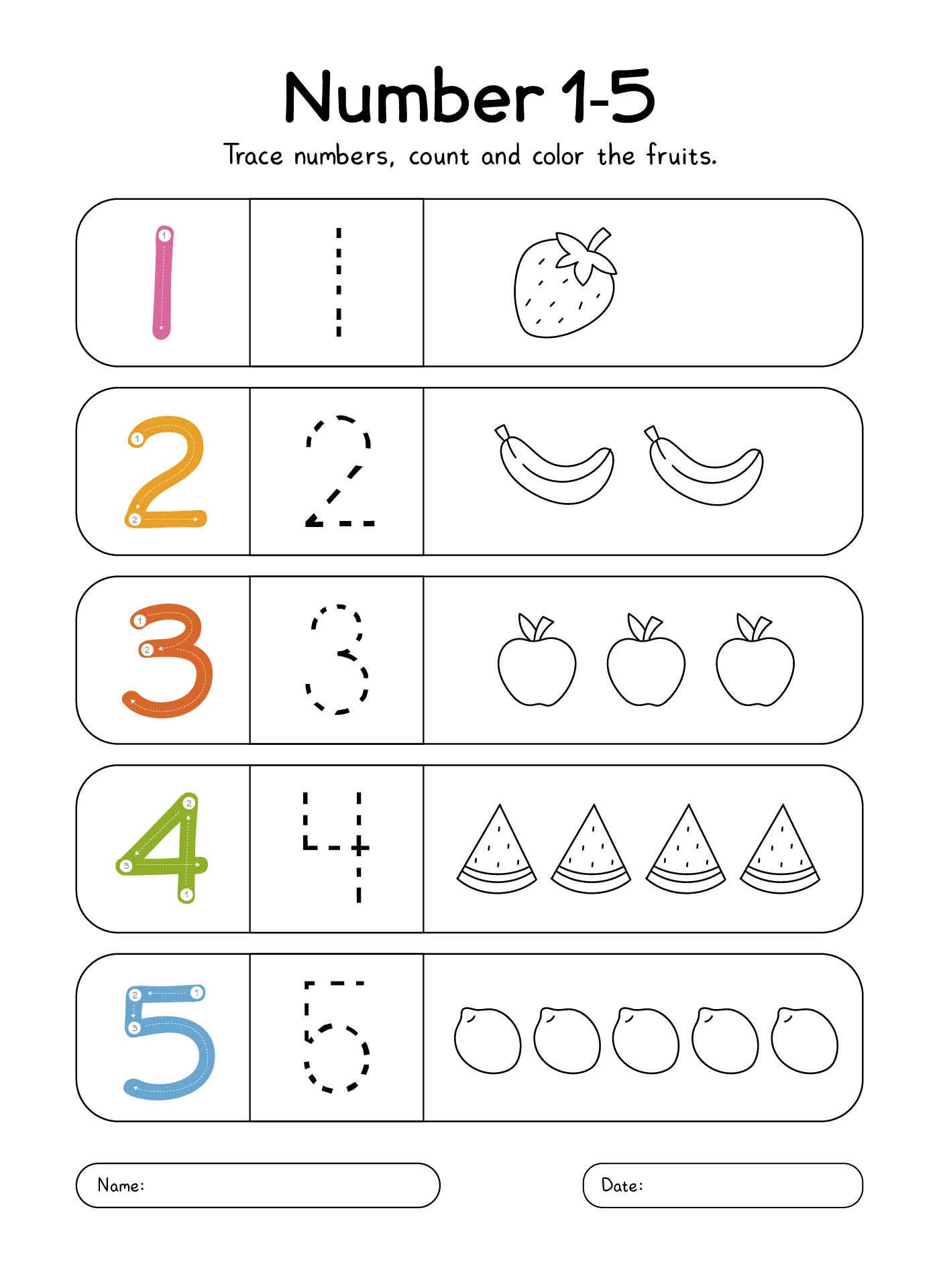
Mastering numerals requires more than simply copying shapes; it demands an understanding of directional movement, spatial boundaries, and consistent starting points. This resource focuses heavily on letter and numeral formation alongside precise stroke order. Every digit from one to ten features clear visual cues, including directional arrows and dotted paths that guide the hand from the correct entry point to the final stroke. Exploring the Tracing Number section reveals similar templates designed to reinforce these exact counting and writing connections through deliberate, low-stress practice.
Key Learning Outcomes
Engaging consistently with this printable yields measurable progress across several foundational academic areas. Learners build foundational hand-eye coordination as visual inputs direct physical pencil movements across the page. Spatial awareness improves significantly as children navigate within designated writing lines without running digits together. Muscle memory forms through repeated, correct stroke sequences, which ultimately increases writing speed and legibility. Finally, numeral recognition deepens as tactile tracing reinforces the symbolic meaning behind each written digit.
How to Use This Worksheet
Successful implementation relies on creating a supportive environment where trial and error remain welcome parts of the learning process. Adults should introduce the sheet during calm periods when focus is highest, perhaps right after a movement break that activates core stability and shoulder strength. According to the American Occupational Therapy Association, proximal stability in the core and shoulder girdle provides the necessary foundation for distal fine motor control in the fingers and hand. Setting up a comfortable workspace with appropriately sized chairs and slant boards also dramatically improves pencil control.
Practical Tips for Parents and Teachers
Modeling correct grip and starting points sets the tone before the pencil ever touches the paper. Adults can demonstrate finger placement directly on the template, emphasizing that every number starts at the top rather than the bottom. Scaffolding the activity involves having learners trace over raised-line numbers or tactile sand before moving to the flat printed page. Extending the learning naturally occurs when children count physical objects in the room and then write the corresponding numeral on the sheet. For broader pre-writing practice, exploring resources within Fine Motor and Pre-Writing Skills helps strengthen the intrinsic hand muscles required for clean writing strokes.
Age-Appropriate Recommendations
Children between ages two and four typically benefit from large, gross-motor approaches to pre-writing, such as tracing oversized numerals in the air or using thick finger paints before tackling standard paper. For children between ages five and eight, expectations shift toward refined pencil grasp and adherence to formal guidelines outlined in the Common Core ELA standard CCSS.ELA-LITERACY.L.K.1.A, which emphasizes printing all uppercase and lowercase letters and recognizable numerals. During this older stage, tracing worksheets help transition students from guided dotted lines to independent, confident numeral production without relying on continuous visual prompts.
Young children develop foundational writing stability through proximal core and shoulder control before mastering intricate finger movements — American Occupational Therapy Association
Frequently Asked Questions
Clear guidance helps caregivers maximize the educational value of early writing practice.
Explore More Free Printable Tracing Worksheets
Supporting a young writer involves utilizing a diverse variety of engaging, developmentally appropriate practice materials that keep enthusiasm high. Integrating structured templates alongside creative activities ensures that foundational skills develop naturally without causing burnout. Caregivers and educators seeking additional resources to build comprehensive writing readiness can discover a wide selection of materials by browsing the complete collection available at KidTraces.com.
Developmental Milestone & Activity Table
| Development Stage | Recommended Daily Duration | Primary Learning Objective |
|---|---|---|
| Preschool & Pre-K | 10 – 15 Minutes | Pencil grip development & basic pre-stroke lines |
| Kindergarten | 15 – 20 Minutes | Letter/number formation & spatial line awareness |
| Early Elementary (Grade 1–2) | 20 – 30 Minutes | Fluency, sentence construction & neatness |
Images References