Introduction
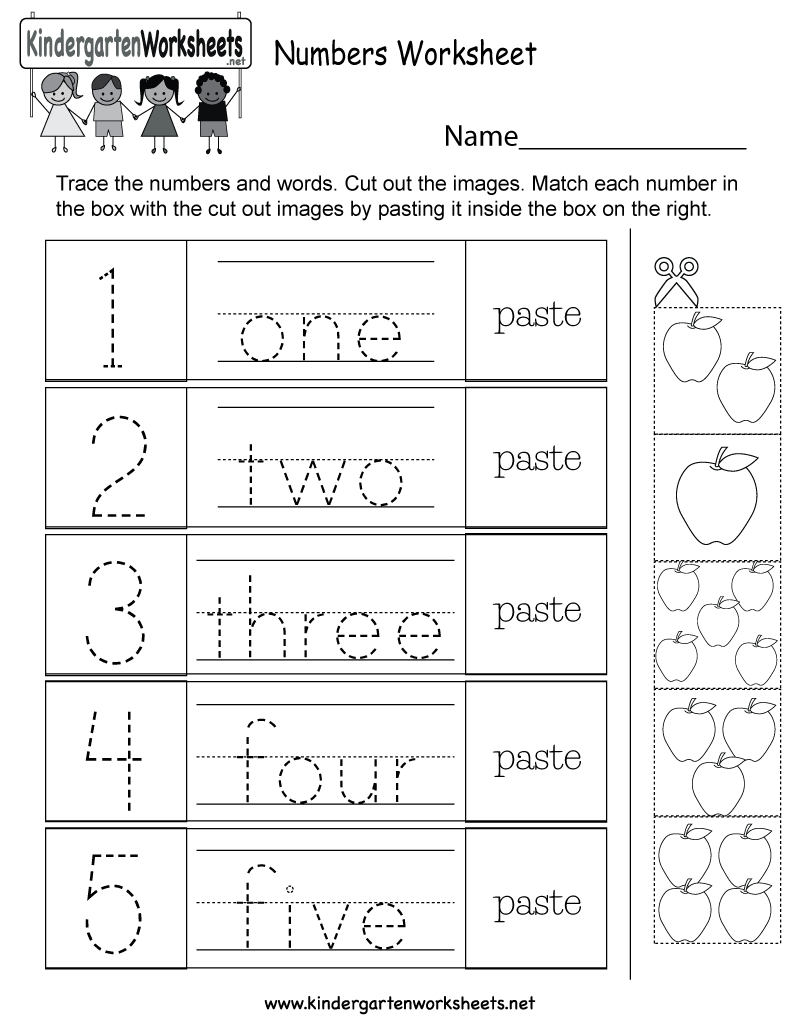
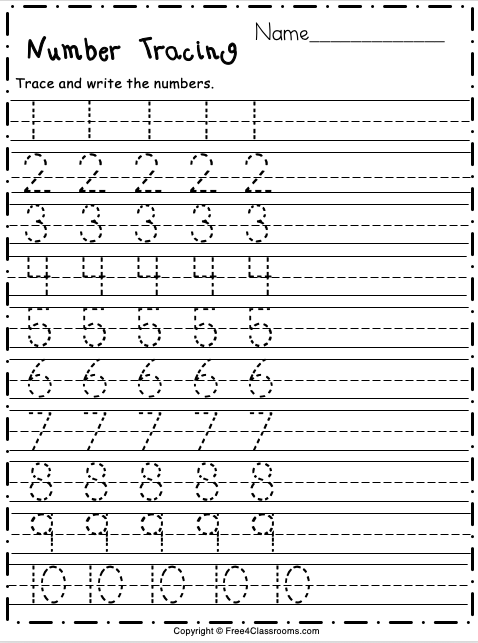
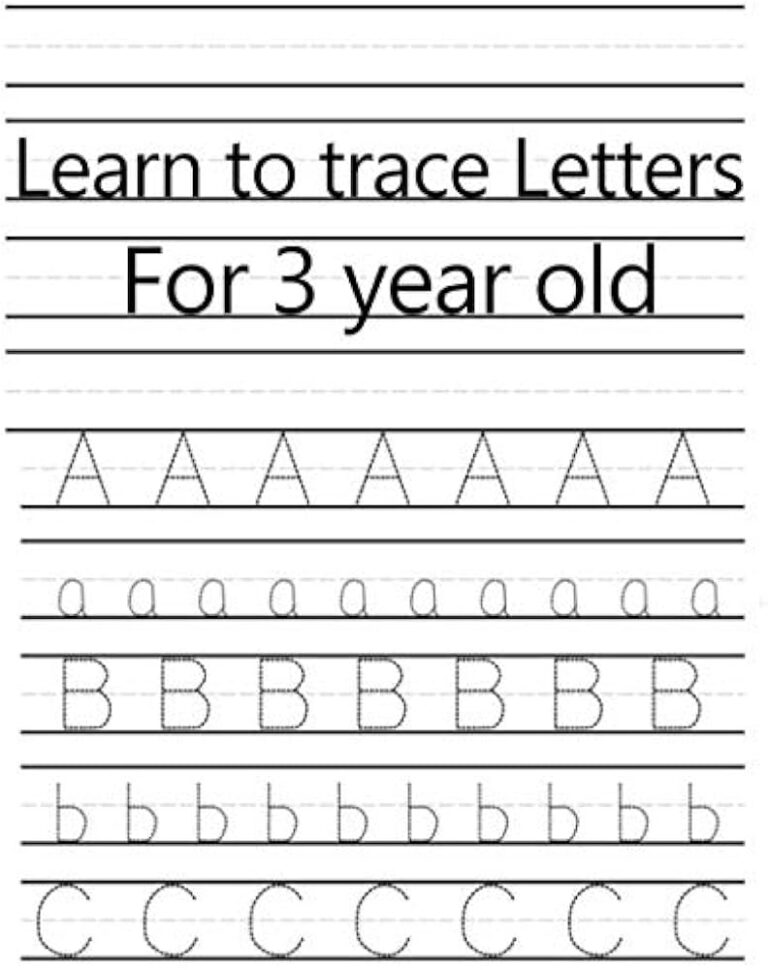
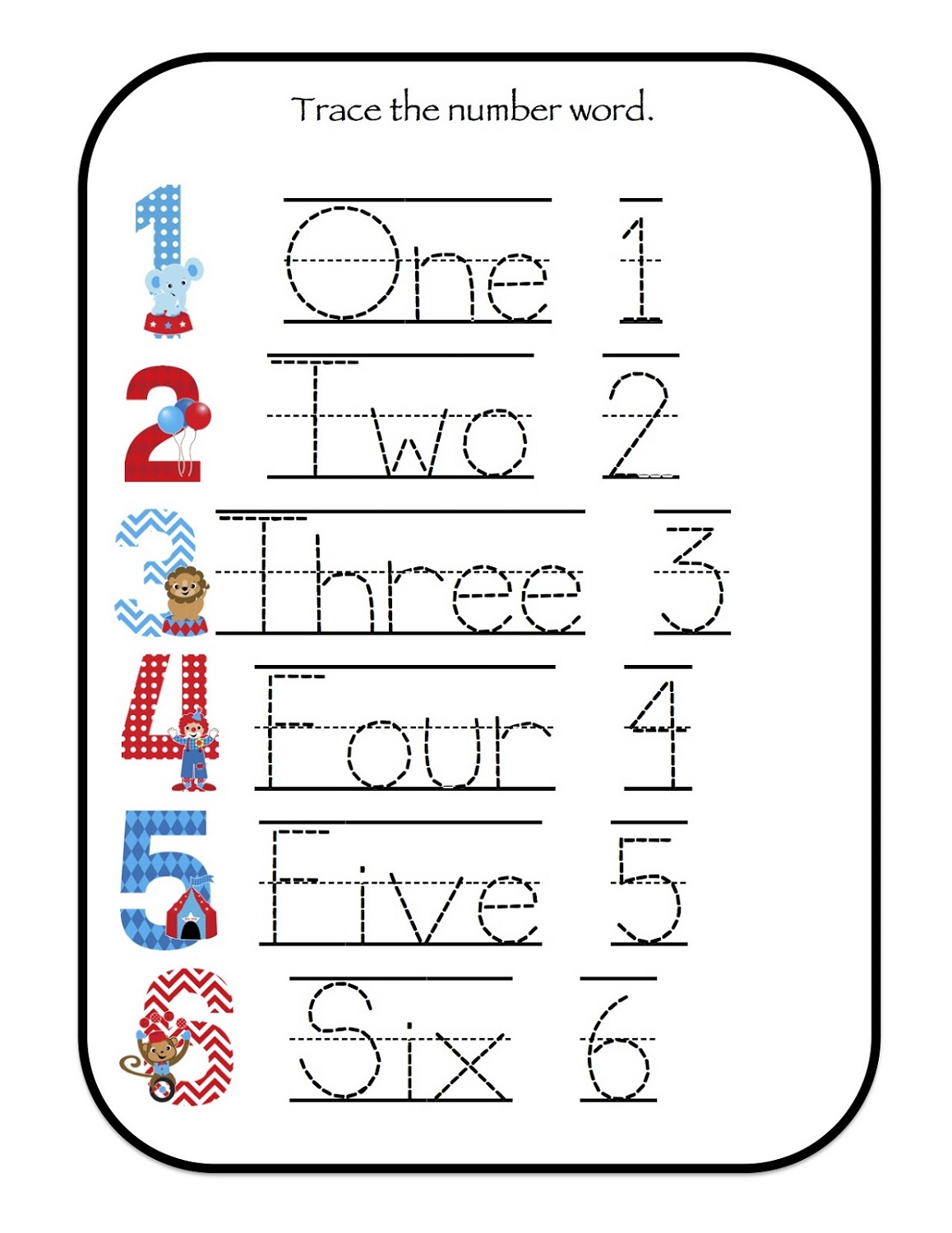
Many children recognize letters, environmental print, and numbers long before their fine motor coordination and hand strength allow them to physically form those symbols on paper. According to Reading Rockets, early literacy development relies heavily on building foundational connections between visual symbols and physical execution. Bridging that gap requires thoughtful, guided practice that respects the developmental realities of early childhood. The free printable resource to trace numbers and letters for kids ages 3-5 provides a structured entry point into this journey. Young learners explore the mechanics of writing through carefully designed exercises that emphasize proper stroke order, directional awareness, and foundational pencil control without causing hand fatigue. Related guide: 1 100 Trace Number Printable.
💡 Technical Key Takeaways:
- Core Focus: Diagnostic schematic and terminal connection layout for Trace Numbers And Letters For Kids Ages 3-5.
- Target Scope: Field technicians, automotive DIYers, and residential/commercial electricians.
- Safety Rule: Always disconnect the primary power source/battery terminal and verify zero voltage with a multimeter before touching wires.
What This Worksheet Covers
Mastering the physical act of writing begins long before a child ever writes a complete sentence. This instructional material focuses on the foundational mechanics of letter and numeral formation. Every page guides little hands through intentional paths, teaching starting points and directional arrows that demystify how each character is built. Children progress from basic vertical and horizontal lines into structured loops, curves, and angles that mirror the architectural makeup of the alphabet and numerical system. By breaking complex symbols down into manageable, repeatable strokes, the resource eliminates the frustration often associated with early writing attempts. Furthermore, intentional spacing throughout the layout encourages visual tracking and spatial awareness, helping young learners understand where characters begin and end on a blank page.
Key Learning Outcomes
Engaging with these guided exercises fosters consistent stroke order, ensuring that children build muscle memory the correct way from the very beginning. According to the American Occupational Therapy Association, establishing consistent motor plans for letter formation is essential for later writing speed, legibility, and endurance. Young learners simultaneously strengthen the intrinsic muscles of the hand, improving functional pencil grasp and bilateral coordination as they stabilize the paper with one hand while writing with the other. Visual-motor integration improves naturally as eyes and hands learn to work in tandem to stay within structured boundaries. Finally, familiarity with letter and number forms reinforces early literacy concepts, paving the way for confident reading and spelling skills.
How to Use This Worksheet
Facilitating successful tracing sessions involves more than simply handing a child a pencil and a printed sheet. Adults can set the stage by introducing sensory-rich pre-writing activities, such as drawing lines in sand or tracing textured surfaces, before moving to paper. Encouraging a functional tripod or modified grasp ensures that hand muscles do not cramp prematurely. Keeping sessions short, engaging, and play-oriented prevents cognitive overload and maintains enthusiasm. Adults should sit beside the learner to observe pencil pressure, offering gentle physical guidance at the elbow or wrist rather than taking over the pencil. Celebrating small victories, such as a smoothly curved letter “S” or a steady number “3,” builds intrinsic motivation and keeps the learning environment positive and encouraging.
Practical Tips for Parents and Teachers
Scaffolding the experience properly makes all the difference in a child’s confidence and skill retention. Begin by modeling the correct stroke order in the air or on a large whiteboard before asking the child to tackle the paper. Inserting the printable into a heavy-duty plastic dry-erase sleeve allows children to practice the same lines repeatedly with a marker, removing the fear of making a permanent mistake. When transitioning back to paper, use broken crayons or short pencils naturally, as shorter writing tools force a functional pincer grasp. Adults can extend the learning by inviting children to find the targeted letters or numbers in nearby storybooks or environmental print signs, connecting abstract worksheet practice to the wider world around them. Explore more specialized options within the Alphabet And Numbers Tracing library for continued skill-building.
Age-Appropriate Recommendations
Aligning expectations with developmental frameworks ensures that writing practice remains a source of joy rather than frustration. According to the National Association for the Education of Young Children Developmentally Appropriate Practice, three- and four-year-olds benefit most from focusing on large pre-writing strokes, vertical and horizontal lines, and gross motor integration that builds core and shoulder stability. By age five, children transition toward more refined finger dexterity, allowing them to focus on specific letter and numeral formation with guided starting points and directional cues. Educators and parents can find additional resources tailored to these developmental milestones by browsing the Fine Motor and Pre-Writing Skills section, or by utilizing targeted pages found under Tracing Worksheets.
Establishing consistent motor plans for letter formation is essential for later writing speed, legibility, and endurance. — American Occupational Therapy Association
Frequently Asked Questions
Answers to common questions regarding early childhood writing practice, printing resources, and developmental readiness help caregivers make the most of their instructional time at home or inside the classroom.
Explore More Free Printable Tracing Worksheets
Supporting a young learner through the exciting phases of pre-writing and early literacy requires a diverse collection of engaging, accessible tools. The complete library at KidTraces.com offers countless free printables designed by educators and specialists to nurture fine motor control, pencil dexterity, and early academic confidence. Whether looking for seasonal practice, shape control, or advanced letter formation, caregivers and teachers will find everything needed to inspire a lifelong love of writing. Visit the main site today to discover new ways to make learning playful and effective for every developing hand.
Quick Wiring Specifications & Terminal Guide
| Component / Circuit | Standard Wire Gauge | Recommended Protection |
|---|---|---|
| Control & Trigger Signals | 18 – 20 AWG | 5A – 7.5A Inline Fuse |
| Standard Auxiliary Load | 14 – 16 AWG | 15A – 20A Circuit Breaker |
| Main Power Feed / Supply | 10 – 12 AWG | 30A – 40A Heavy-Duty Relay |
Images References