Introduction
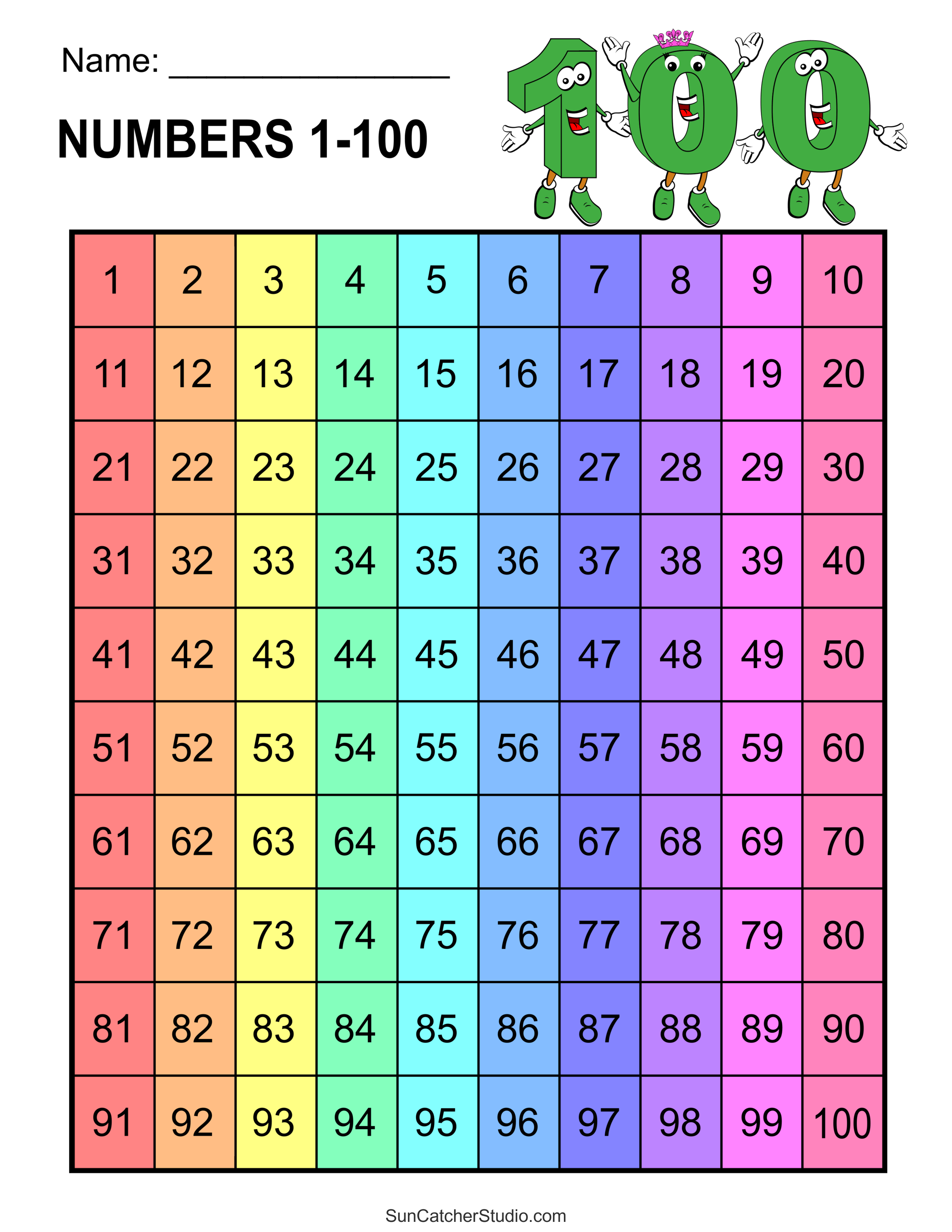
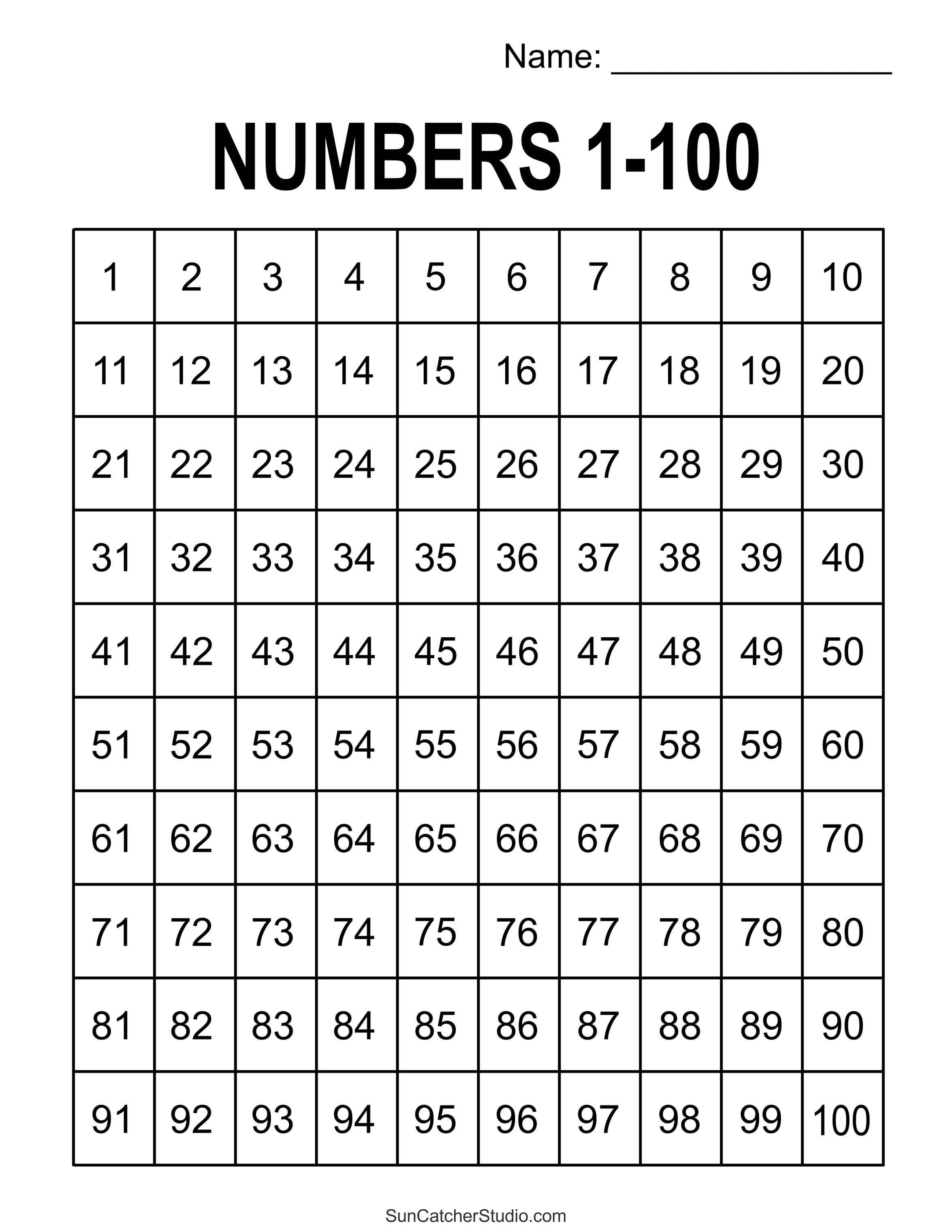
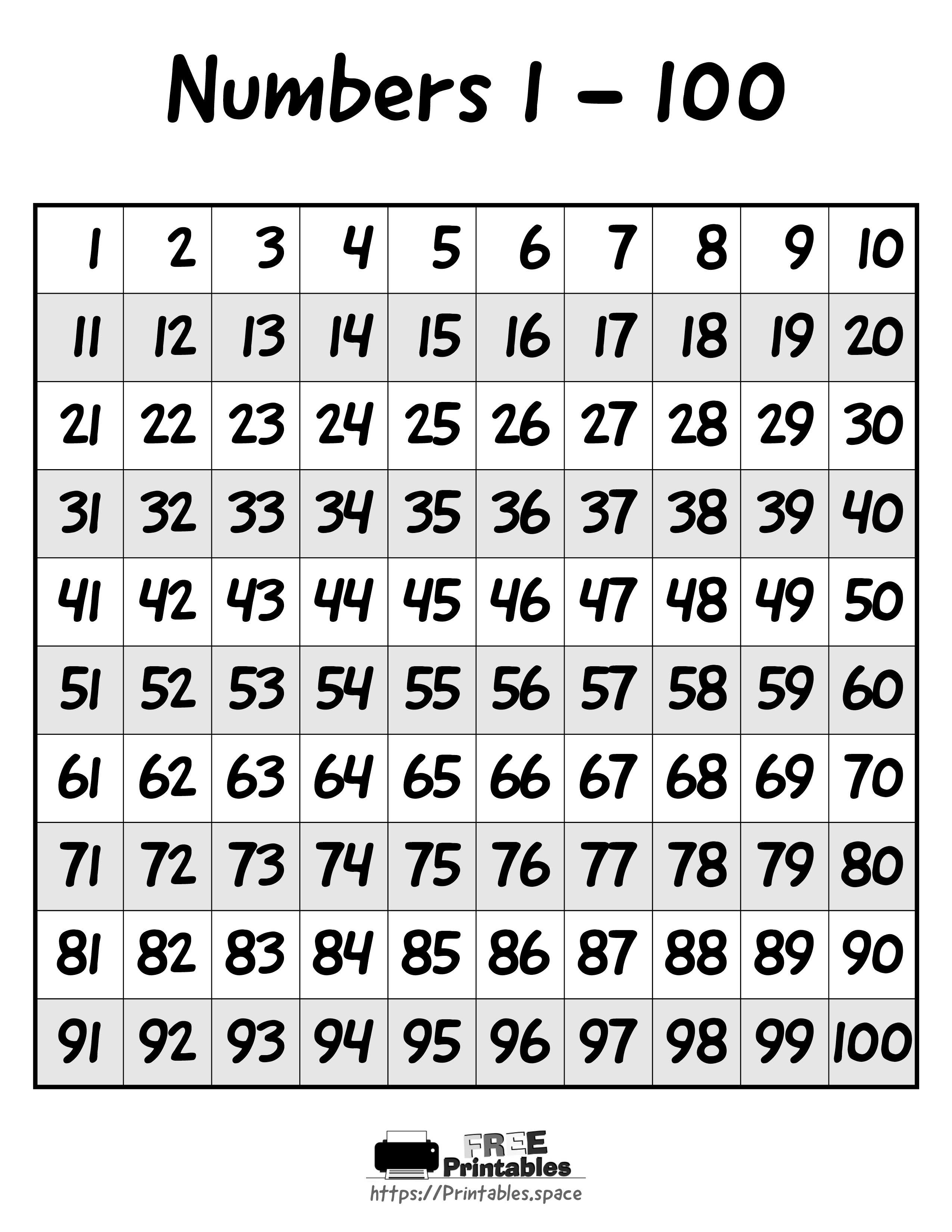
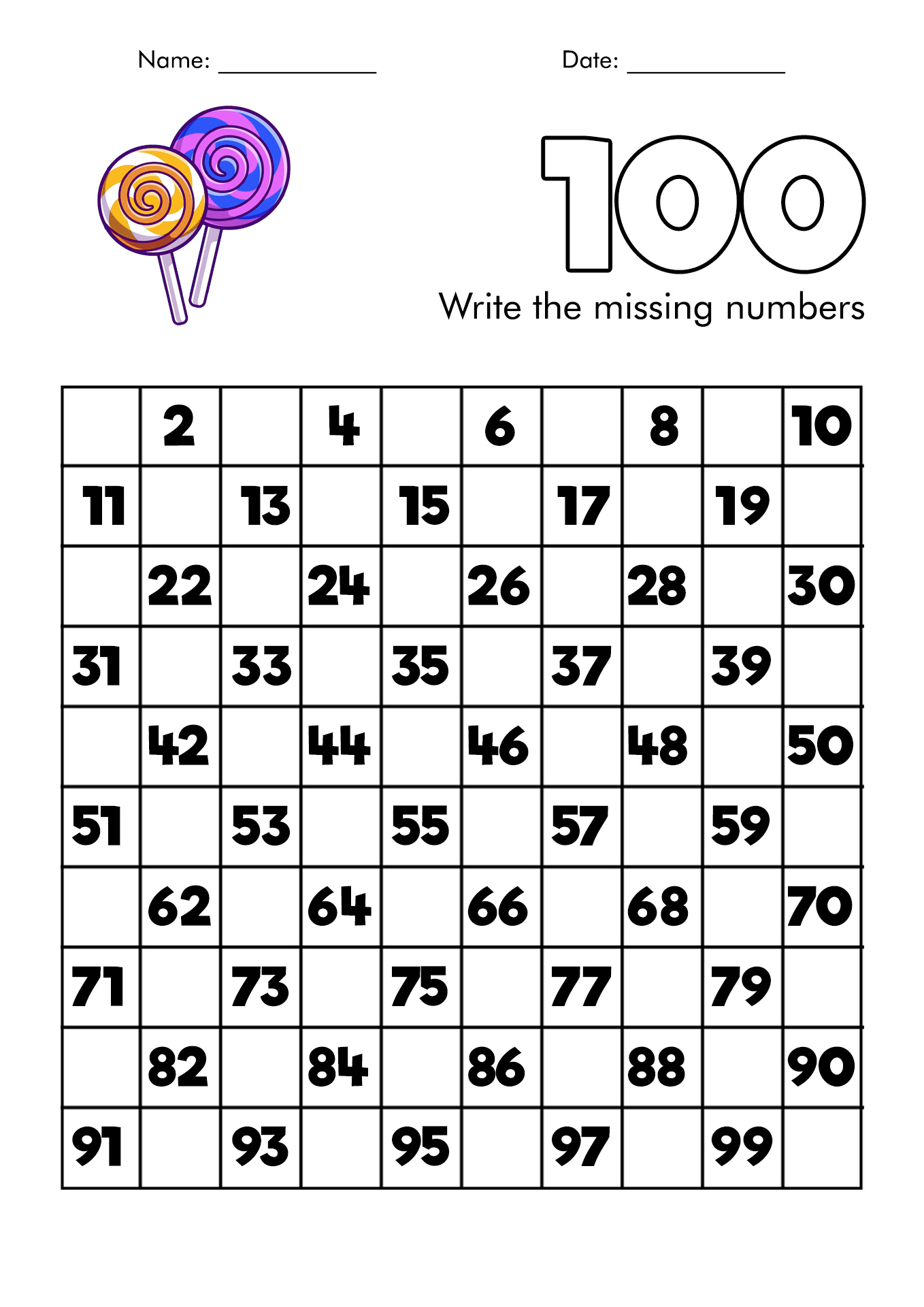
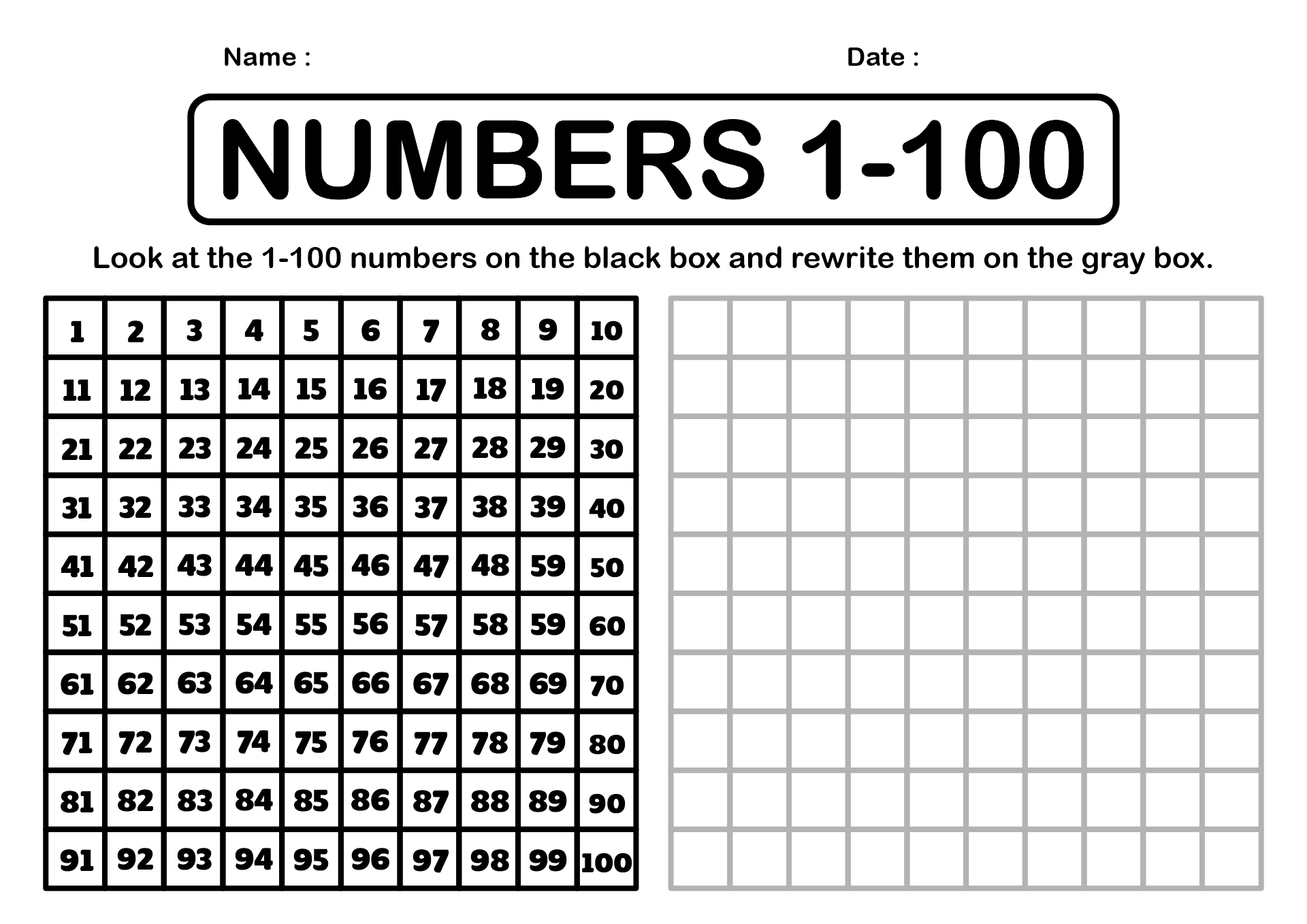
Many children recognize numerals long before their developing hands possess the intrinsic muscle strength required to form them on paper. According to the American Occupational Therapy Association, foundational fine motor control and bilateral coordination must develop steadily to support classroom writing tasks effectively. Young learners often possess a strong mental grasp of counting long before pencil control catches up to that cognitive milestone. Bridging that gap requires thoughtful, structured practice materials that guide hand movements without causing frustration. The numbers 1 100 worksheets printable collection serves as an invaluable resource for children transitioning from early numeral recognition to confident, independent handwriting. Careful scaffolding helps learners master stroke order, pencil pressure, and spatial awareness across every single digit.
💡 Educational Key Takeaways:
- Core Skill: Structured Numbers 1 100 Worksheets Printable focused on developing pencil grip, stroke control, and early literacy/math confidence.
- Target Scope: Suited for homeschoolers, preschool, kindergarten, and elementary learners.
- Best Recommendation: Practice 10–15 minutes daily with ergonomic writing tools to reinforce muscle memory without hand fatigue.
What This Worksheet Covers
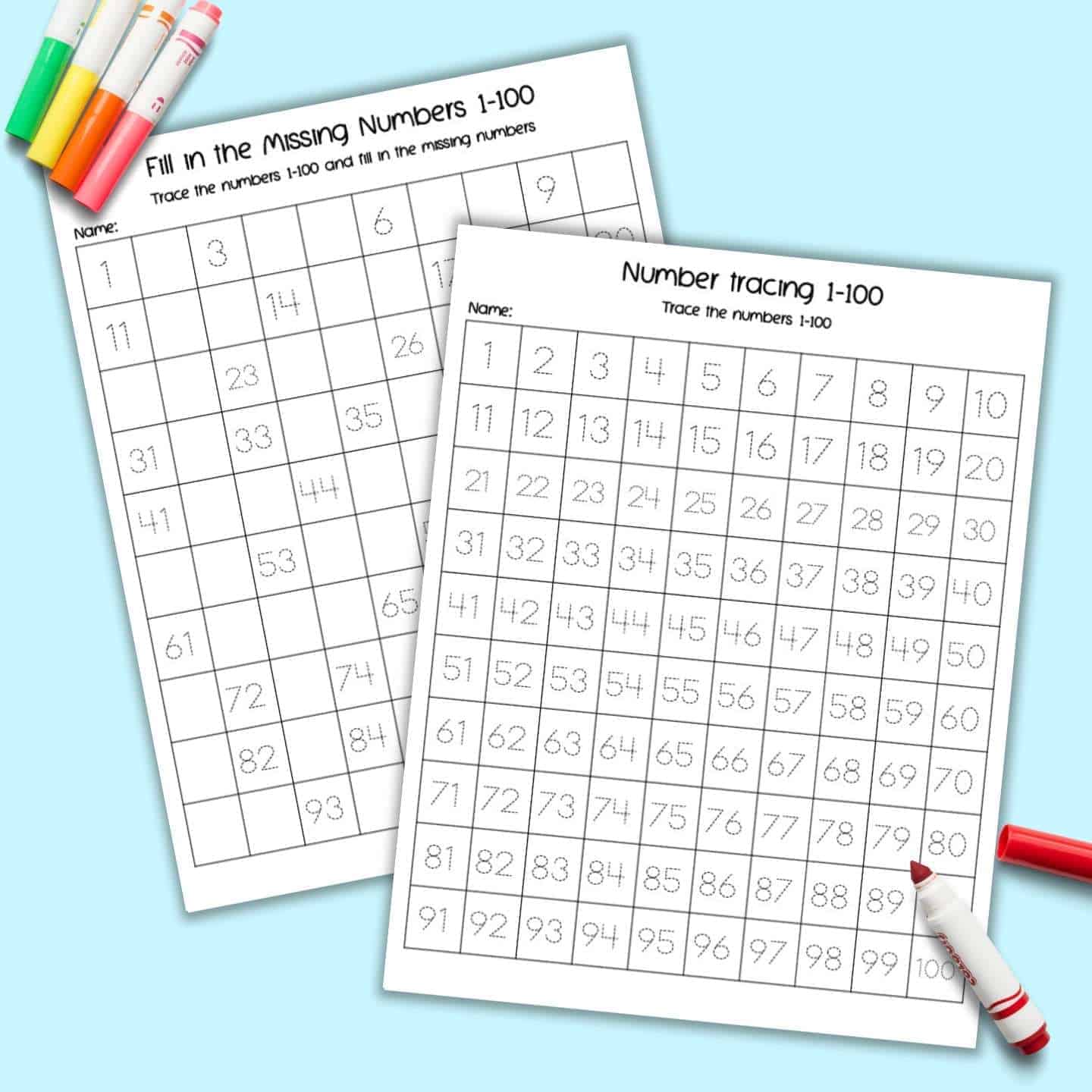
Mastering numeric symbols involves much more than simply memorizing visual sequences; it requires precise control over directional lines, curves, and angles. The printable sheets provide structured progression through every numeral, guiding hands through consistent starting points and stroke sequences. Directional arrows and light tracing paths teach children how to approach complex figures like the loop of a six or the intersecting lines of a four. Many children recognize letters long before their fine motor skills can form them, a principle that applies equally to numbers. When adults introduce structured numeral practice, focusing on correct formation from the very beginning prevents the entrenchment of awkward habits that prove difficult to correct later in childhood. For more related activities, check out our Abc And Number Tracing Worksheets.
Key Learning Outcomes
Working consistently through these numbers 1 100 worksheets printable fosters significant improvements in several core developmental domains. Hand-eye coordination strengthens markedly as eyes track the pencil tip along dotted lines while hands make micro-adjustments to maintain pressure. Spatial organization improves as children learn to keep their numerals within defined boundaries, supporting future mathematical alignment. Muscle memory develops through repetitive, correct stroke formation, transforming slow, hesitant movements into fluid motions. Finally, numeric confidence blooms naturally as learners progress from single digits into double and triple digits, building a solid bridge toward advanced math readiness and overall academic self-assurance.
How to Use This Worksheet
Effective utilization of these educational materials relies on a balance of structured guidance and self-paced exploration. Adults should introduce a few numerals at a time rather than overwhelming a beginner with an entire chart at once. Laminating the sheets or placing them inside heavy-duty plastic sleeves allows children to practice with dry-erase markers, reducing paper waste and alleviating the pressure of permanence. According to the National Association for the Education of Young Children, active, hands-on learning experiences yield the strongest developmental outcomes in early childhood settings. Keeping practice sessions short, positive, and engaging ensures that children associate writing time with enjoyment rather than tedious obligation.
Practical Tips for Parents and Teachers
Supporting a developing writer requires careful observation and gentle intervention when physical habits falter. Begin by ensuring proper seating posture, with feet flat on the floor and hips positioned at a ninety-degree angle to promote core stability. Model an efficient tripod grip explicitly, demonstrating how the thumb, index, and middle fingers work together to maneuver the writing utensil smoothly. Scaffold learning by having the child trace over oversized examples using a finger or a thick crayon before moving down to standard pencils on the printable pages. Extend the activity naturally by having children count physical objects, such as blocks or buttons, to match the exact numeral they just practiced tracing on the page.
Age-Appropriate Recommendations
Applying developmental frameworks ensures that expectations match a child’s current neurological and physical capabilities. Younger children around ages two to four fall into the NAEYC Developmentally Appropriate Practice guidelines, where pre-writing strokes, vertical lines, and simple horizontal traces take priority over dense numeric grids. Educators and caregivers can introduce early Shape and Line Tracing to build foundational hand strength before tackling complex numerals. As children progress into the five to eight age bracket, aligned with structured school readiness goals, they can engage with full numeric sequences found within Alphabet And Numbers Tracing resources. Older kindergarten and early elementary students benefit tremendously from targeted Tracing Number exercises that refine sizing, alignment, and proportional spacing on standard writing lines.
Foundational motor control and bilateral coordination must develop steadily to support classroom writing tasks effectively — American Occupational Therapy Association
Frequently Asked Questions
Finding clear answers regarding how to access, print, and utilize these learning materials helps parents and educators maximize daily practice sessions effectively. The following common questions provide direct guidance for implementing printable tracing sheets successfully in homes and classrooms.
Explore More Free Printable Tracing Worksheets
Supporting a well-rounded fine motor curriculum requires access to diverse, engaging practice materials that grow alongside the child. Beyond numeric sheets, learners often benefit from exploring targeted Dotted Letters For Tracing to reinforce alphabet mastery simultaneously. Integrating creative Seasonal and Fun Themes keeps enthusiasm high during challenging developmental stages. For comprehensive practice across multiple domains, explore the full library of resources available directly at KidTraces.com to support every step of the early handwriting journey.
Developmental Milestone & Activity Table
| Development Stage | Recommended Daily Duration | Primary Learning Objective |
|---|---|---|
| Preschool & Pre-K | 10 – 15 Minutes | Pencil grip development & basic pre-stroke lines |
| Kindergarten | 15 – 20 Minutes | Letter/number formation & spatial line awareness |
| Early Elementary (Grade 1–2) | 20 – 30 Minutes | Fluency, sentence construction & neatness |
Images References