Introduction
Many children recognize numerals long before their developing hands possess the intrinsic strength required to form them on paper. According to the National Association for the Education of Young Children (NAEYC), developmentally appropriate practice requires balancing academic expectations with physical readiness, ensuring that foundational writing tasks respect the anatomical development of early learners. Traditional desk work often fails to bridge this gap between cognitive awareness and motor execution. Enter the free printable 1 to 30 number track. This specialized resource transforms abstract numerical sequencing into a tangible, guided path that supports both cognitive math readiness and physical control. Witnessing a child trace a continuous numerical journey reveals the profound connection between visual tracking, spatial awareness, and fine motor precision. It sounds simple, and that is the exact point of early intervention design.
💡 Technical Key Takeaways:
- Core Focus: Diagnostic schematic and terminal connection layout for 1 To 30 Number Track.
- Target Scope: Field technicians, automotive DIYers, and residential/commercial electricians.
- Safety Rule: Always disconnect the primary power source/battery terminal and verify zero voltage with a multimeter before touching wires.
What This Worksheet Covers
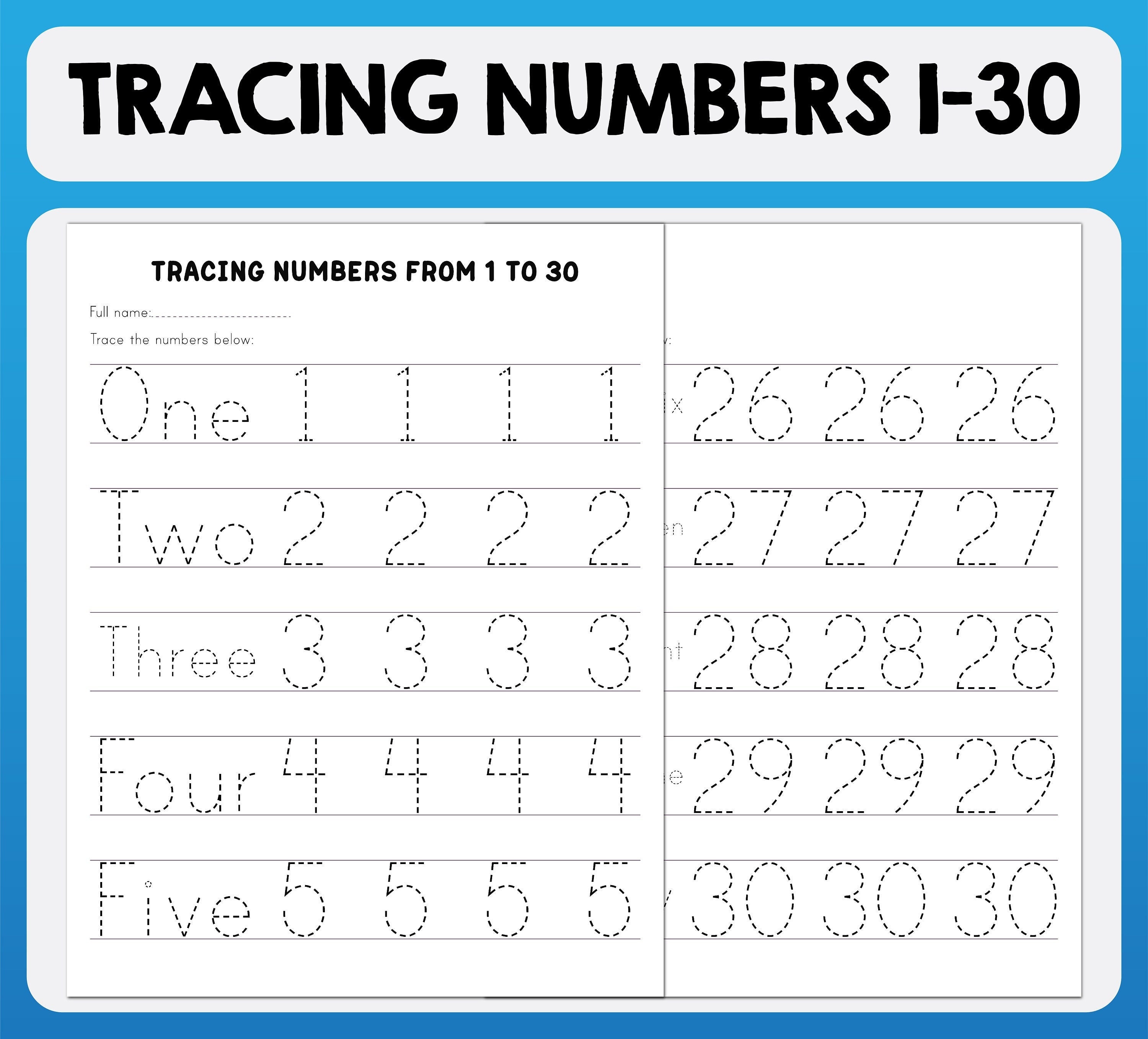
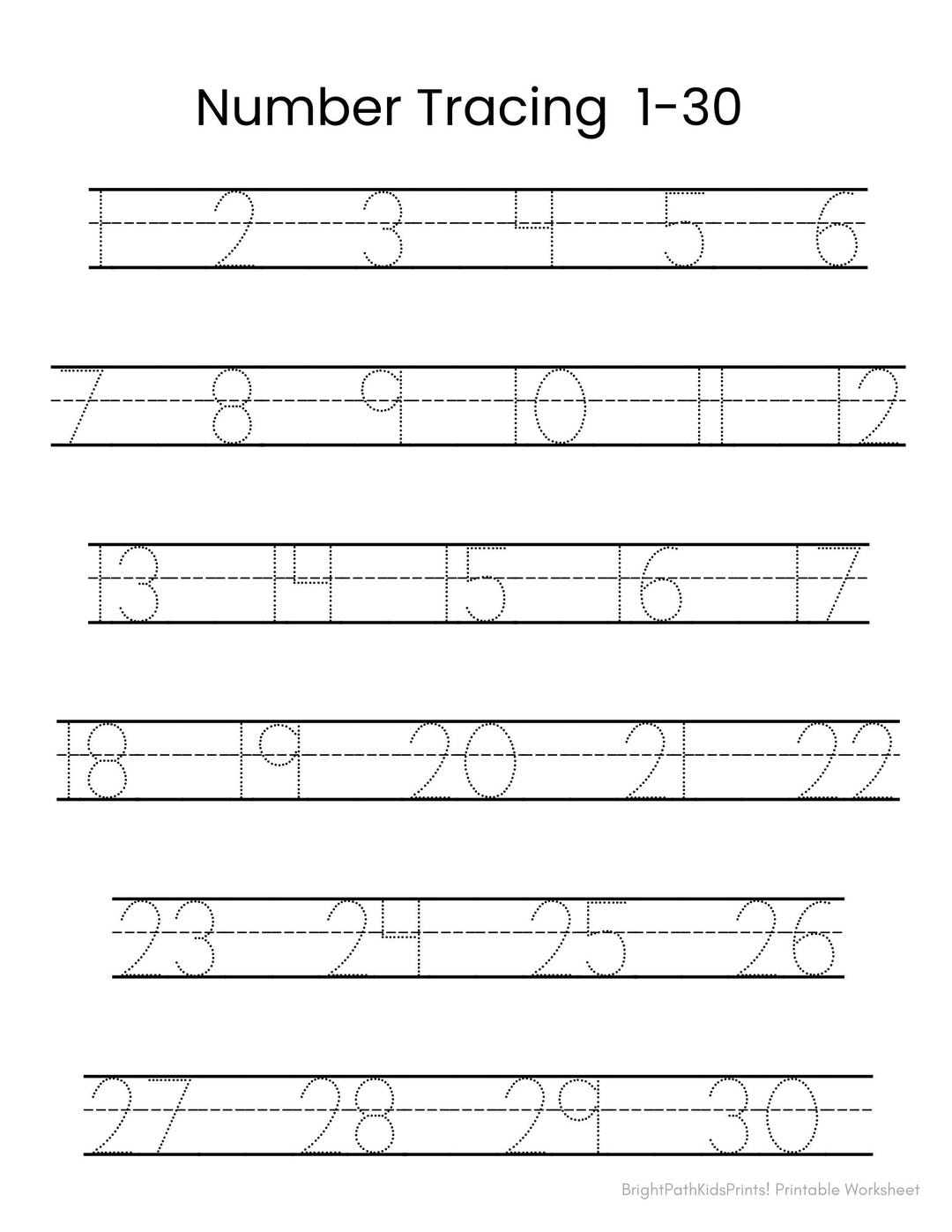
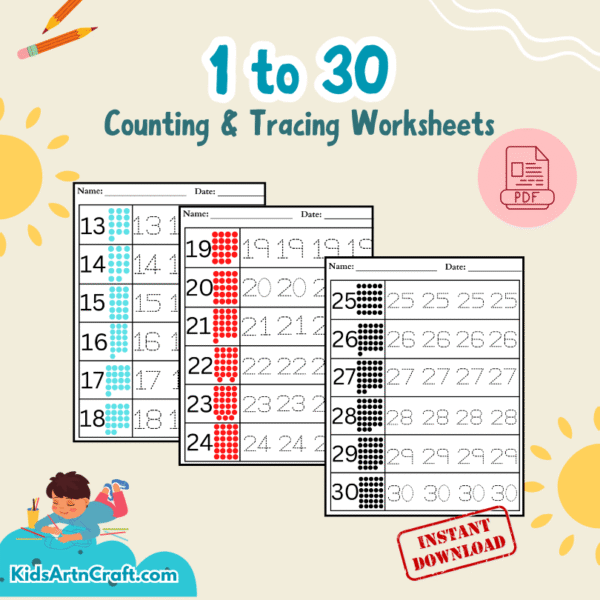
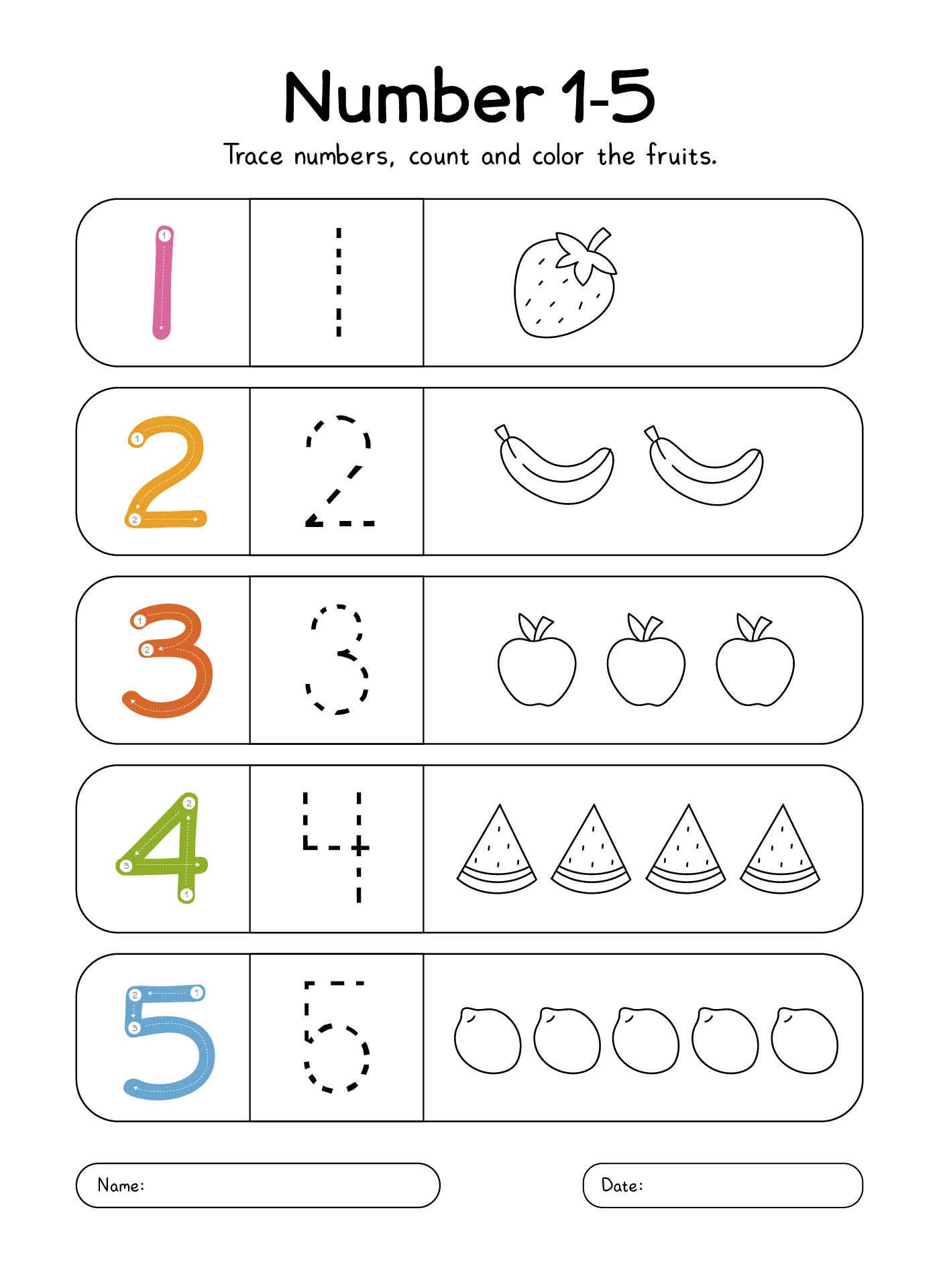
The numbered layout guides young learners through sequential counting from one to thirty within a structured, linear visual format. Each numeral provides explicit starting points and directional cues to reinforce correct formation habits from the very beginning. Beyond simple counting, the track encourages sustained visual attention as the eyes scan left to right across the page, mirroring early reading patterns. Occupational therapy principles inform the spacing and sizing of each numeral, ensuring that children do not experience visual crowding or overwhelming motor demands. By breaking the counting sequence into manageable visual segments, the layout reduces cognitive fatigue while maximizing engagement during practice sessions. For more related activities, check out our Trace Numbers Large Printable.
Key Learning Outcomes
Engaging with this printable directly supports foundational numeral recognition, helping children associate digit symbols with quantitative values. Learners develop essential stroke order habits, which prevent the formation of inefficient writing patterns that are notoriously difficult to correct later in elementary school. The repetitive motion builds critical hand-eye coordination and spatial planning as pencils navigate restricted boundaries. Furthermore, consistent interaction with the track strengthens the small intrinsic muscles of the hand, paving the way for fluid, fatigue-free handwriting across all subjects. Children also build essential left-to-right visual tracking habits that directly translate into improved reading fluency and early literacy success.
How to Use This Worksheet
Implementation begins by setting up a supportive physical environment with child-sized seating and adequate lighting to promote upright posture. Placing the sheet on a slightly slanted writing surface encourages optimal wrist extension, which naturally places the hand in an efficient pencil grasp. Adults should encourage children to verbalize each number aloud as the pencil moves along the track, reinforcing the auditory-motor loop. Limiting single practice sessions to short, five-minute intervals prevents hand cramping and maintains high engagement levels. Celebrating small milestones, such as successfully tracing a row of ten numerals, builds intrinsic motivation and keeps frustration at bay.
Practical Tips for Parents and Teachers
Adults play a crucial role by modeling correct pencil grip and demonstrating proper starting points before handing over the writing tool. Scaffolding the activity can involve placing a finger at the beginning of each numeral to guide the initial stroke, gradually withdrawing physical assistance as confidence grows. When children struggle with hand fatigue, transitioning temporarily to thick crayons or short golf pencils encourages a natural tripod grasp by restricting space for alternative holds. Extending the activity outdoors by having children trace large numbers in sand or paint adds valuable sensory input that reinforces the cognitive memory of each stroke. According to the American Occupational Therapy Association (AOTA), incorporating multisensory elements into fine motor tasks significantly improves motor planning and long-term skill retention.
Age-Appropriate Recommendations
For toddlers and preschoolers aged two to four, the focus centers on gross motor preparation, sensory exploration of numbers, and practicing pre-writing strokes found within the Shape and Line Tracing collection. Children in this younger bracket benefit from using thick markers or painting over numerals to build basic arm and hand strength without the pressure of precision. Transitioning to kindergarten and early elementary ages five through eight aligns with the expectations outlined in the Common Core ELA standards for foundational writing and numeracy skills. During these later years, learners refine their pencil control, practice accurate stroke sequences, and master numeral formation independently using structured resources like the Tracing Number selection.
Developmental progression shows that children typically master horizontal visual tracking and basic linear sequencing between the ages of four and six. — National Association for the Education of Young Children (NAEYC)
Frequently Asked Questions
Navigating early writing tools becomes seamless with clear guidance on printing, motor development, and age-appropriate milestones for young learners.
Explore More Free Printable Tracing Worksheets
Supporting a child’s developmental journey involves offering a diverse array of engaging, low-pressure practice materials tailored to every stage of growth. Exploring additional resources helps maintain enthusiasm while targeting specific developmental milestones like pencil grasp, letter formation, and spatial awareness. The comprehensive library at KidTraces.com offers wonderful tools to support these goals, including specialized practice found in Alphabet And Numbers Tracing and targeted exercises within Fine Motor and Pre-Writing Skills. Every printable aims to build confidence, reduce frustration, and foster a lifelong love of learning through play and structured guidance. Get it free.
Quick Wiring Specifications & Terminal Guide
| Component / Circuit | Standard Wire Gauge | Recommended Protection |
|---|---|---|
| Control & Trigger Signals | 18 – 20 AWG | 5A – 7.5A Inline Fuse |
| Standard Auxiliary Load | 14 – 16 AWG | 15A – 20A Circuit Breaker |
| Main Power Feed / Supply | 10 – 12 AWG | 30A – 40A Heavy-Duty Relay |
Images References