Introduction
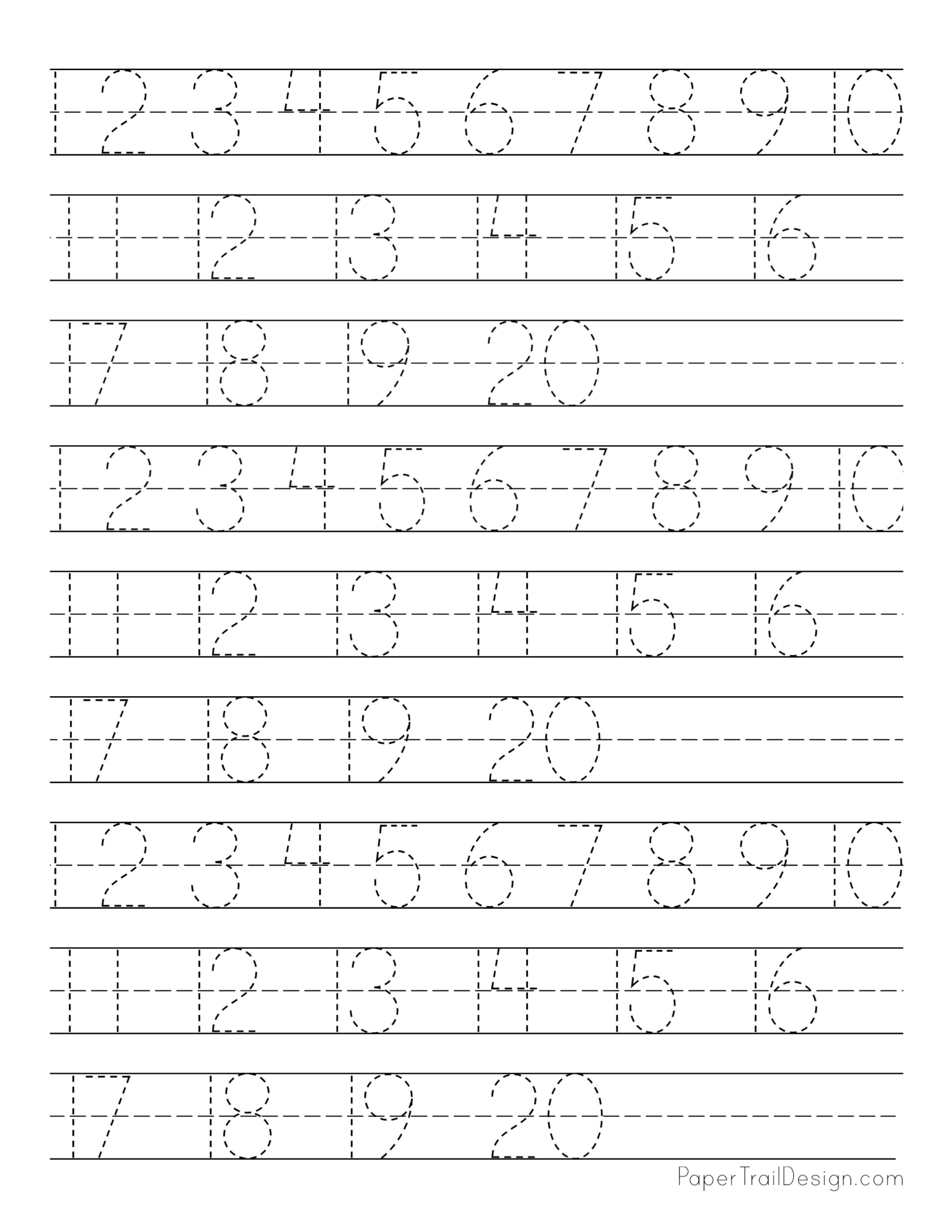
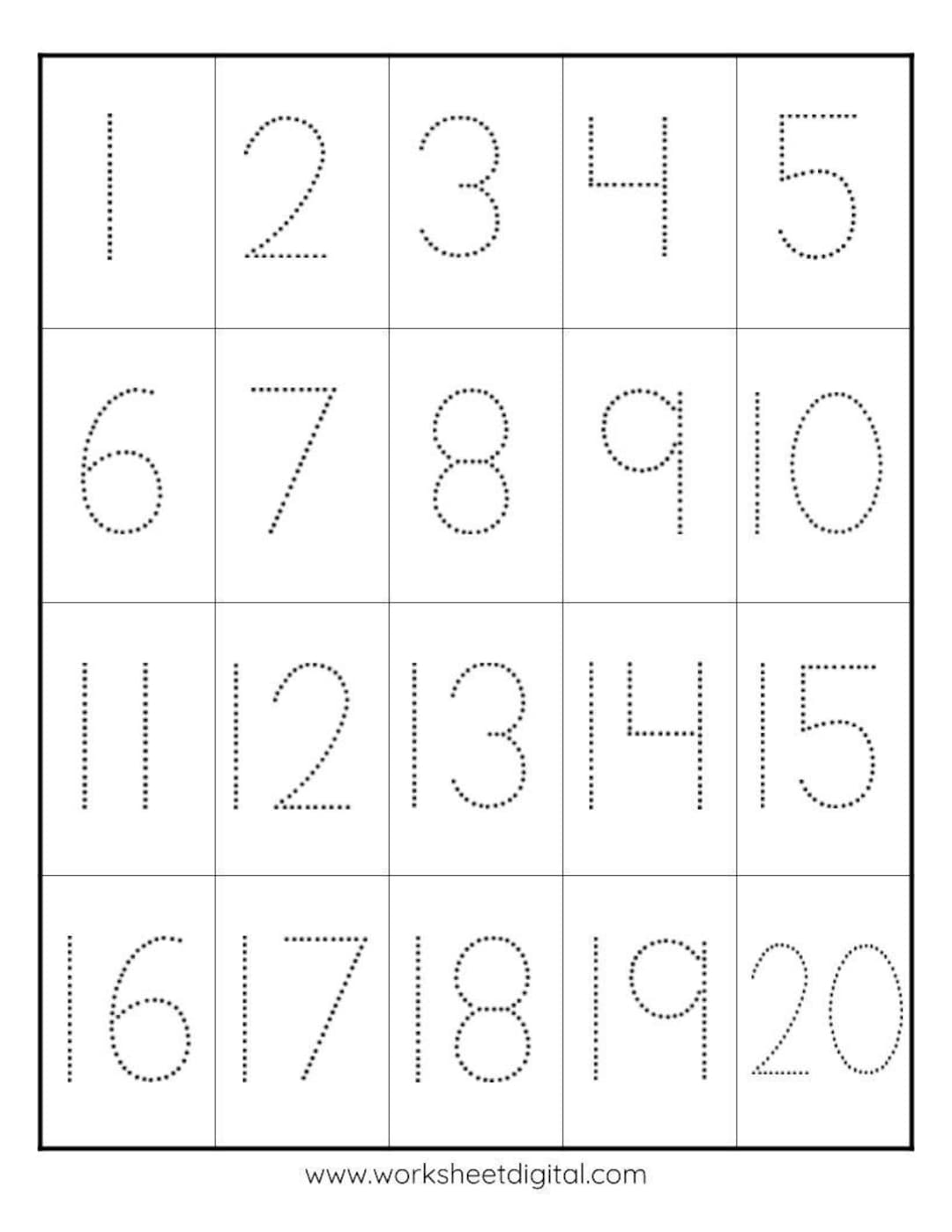
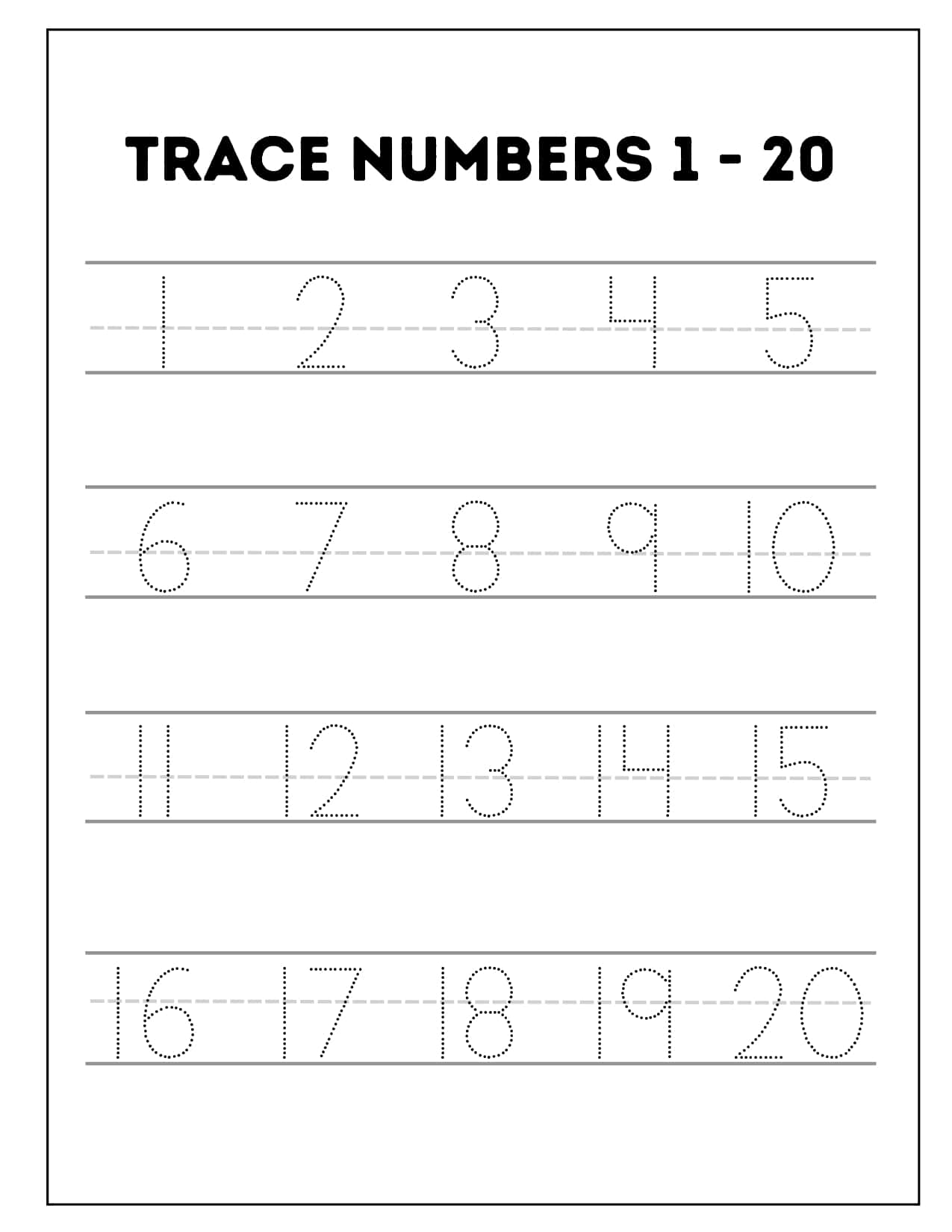
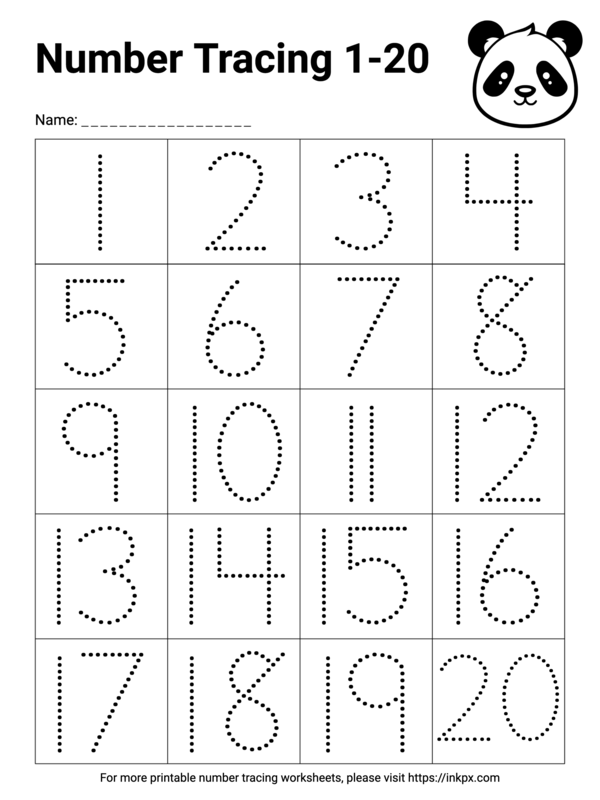
Many children recognize numerals and can count aloud long before their hands possess the strength and dexterity required to form those same numbers on paper. According to the American Occupational Therapy Association, foundational fine motor control and bilateral coordination must develop concurrently with cognitive understanding for successful handwriting. Bridging this gap requires targeted, developmentally sound practice that respects physical limitations while building crucial muscle memory. Enter the number tracing 1-20 free printable resource, a carefully structured tool designed to guide young learners safely through proper numeral formation without inducing hand fatigue or frustration. Mastering these twenty foundational symbols establishes the groundwork not only for higher-level mathematics but also for spatial organization and overall pencil control. It sounds simple, and that is the exact point. By breaking complex numeral shapes into predictable, manageable strokes, adults can help children transition from abstract numerical concepts to confident physical execution. Exploring collections like Tracing Number provides endless opportunities to reinforce these vital early skills in a stress-free environment.
💡 Educational Key Takeaways:
- Core Skill: Structured Number Tracing 1-20 focused on developing pencil grip, stroke control, and early literacy/math confidence.
- Target Scope: Suited for homeschoolers, preschool, kindergarten, and elementary learners.
- Best Recommendation: Practice 10–15 minutes daily with ergonomic writing tools to reinforce muscle memory without hand fatigue.
What This Worksheet Covers
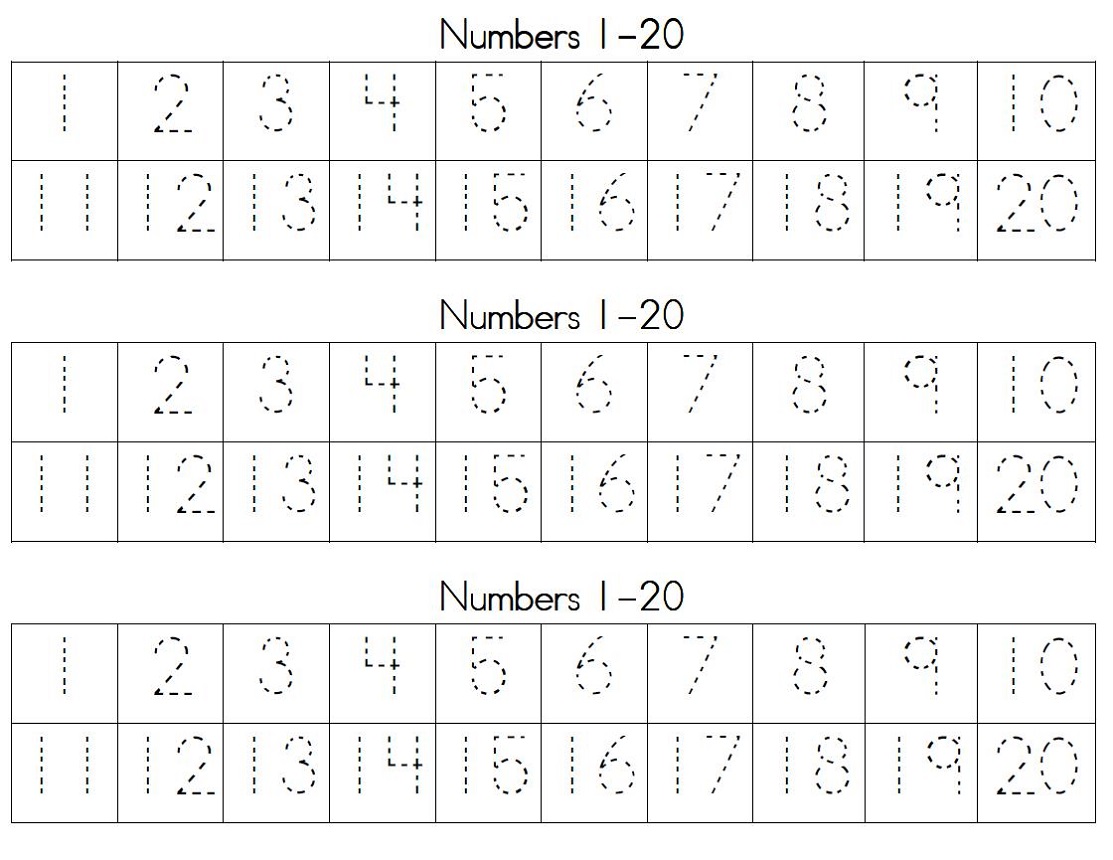
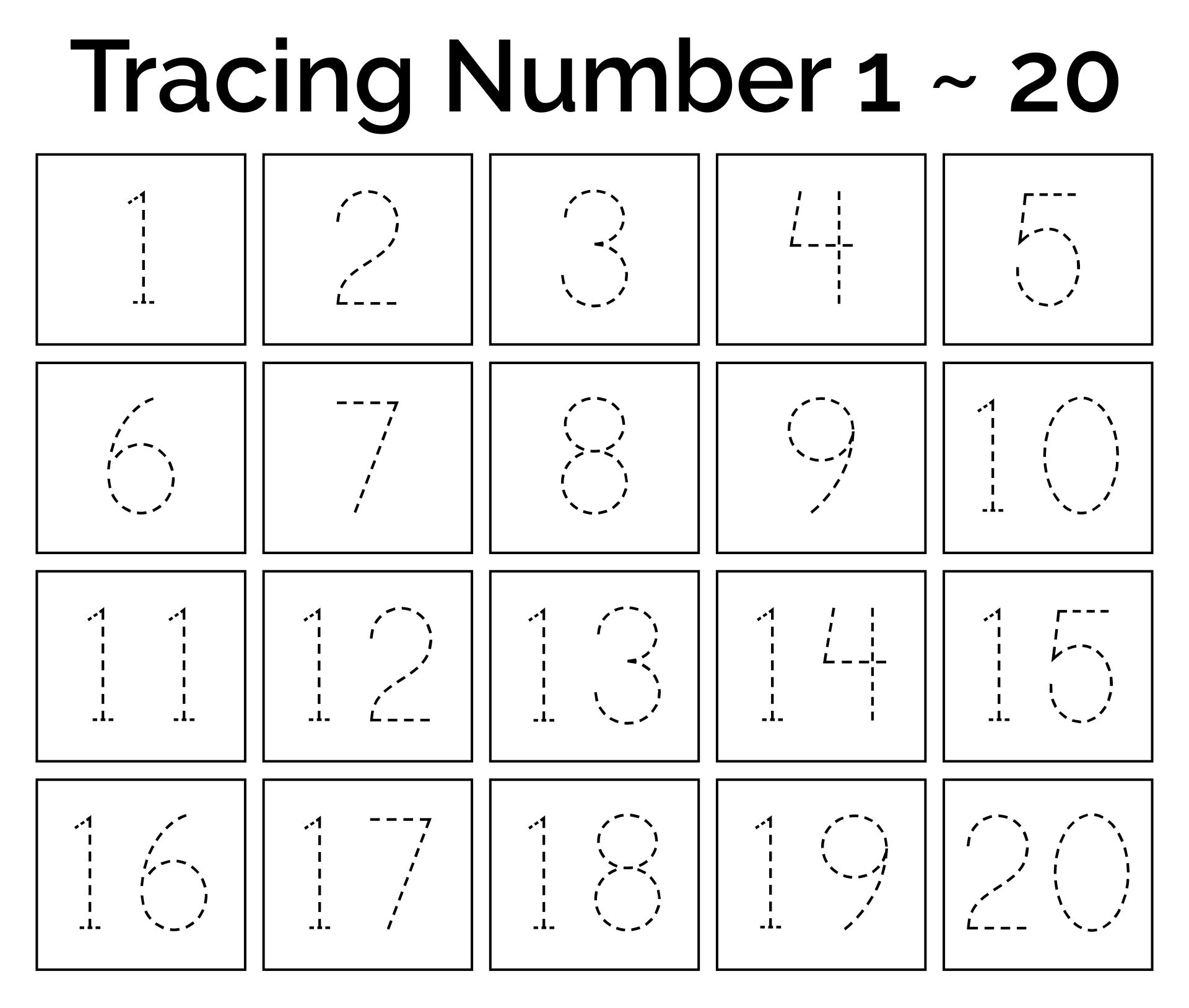
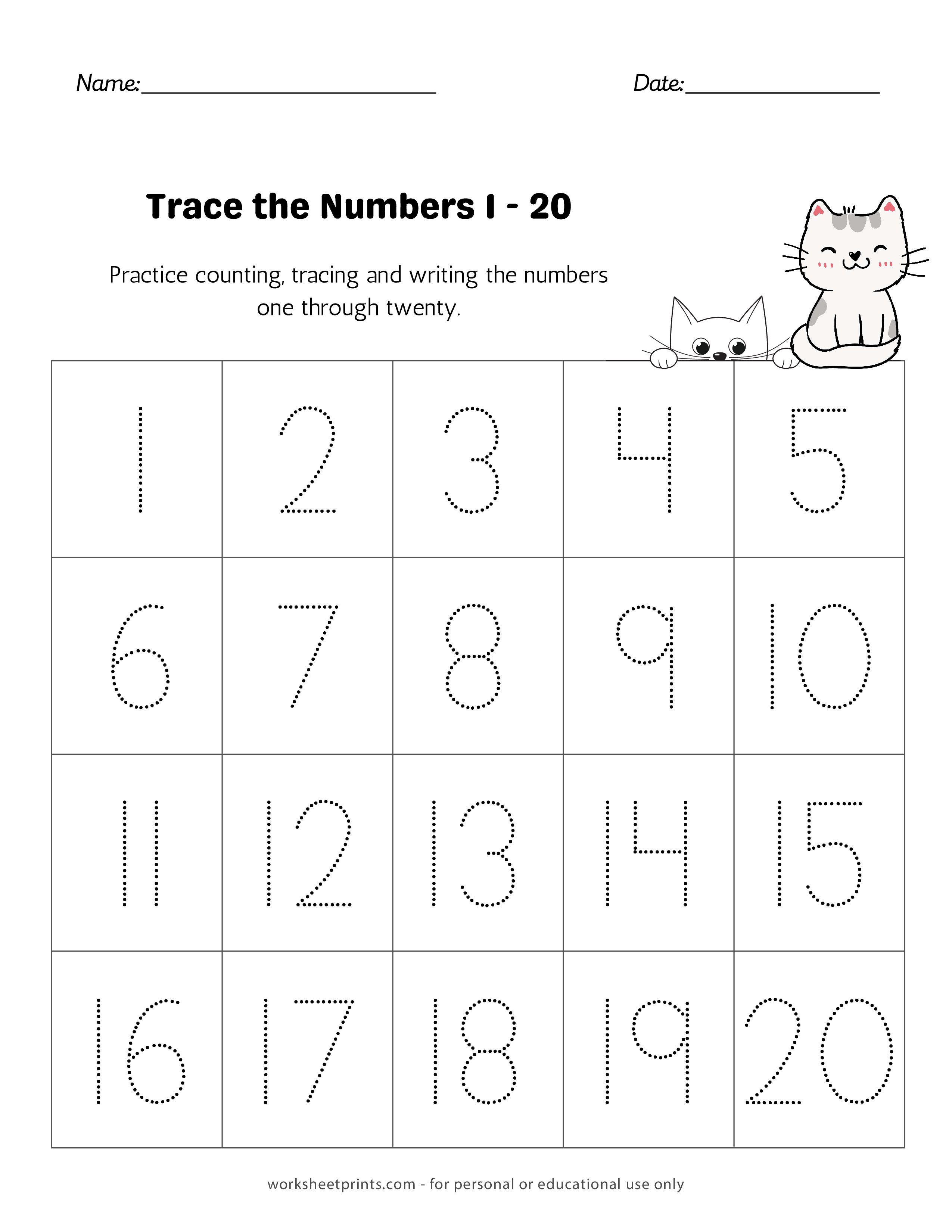
This printable resource provides a comprehensive, sequential journey through digits one to twenty, utilizing clear visual cues and intentional spacing to support emerging writers. Each numeral is presented with distinct starting points and directional arrows, ensuring that children learn proper stroke habits right from the beginning rather than developing stubborn motor habits that prove difficult to correct later. According to Reading Rockets, explicit instruction in letter and number formation reduces cognitive load, allowing young minds to focus on conceptual content rather than the mechanics of grip and movement. The layout transitions smoothly from larger tracing guides that encourage whole-arm and wrist movements to smaller, refined tracing fields that isolate finger and thumb coordination. Dotted lines offer just enough structural support to guide the pencil without creating total dependence on visual crutches, fostering genuine independence with every successful pass across the page.
Key Learning Outcomes
Working through these guided numeral pages yields several distinct developmental milestones that extend far beyond simple rote memorization. Learners cultivate consistent stroke order and directionality, which prevents awkward pencil reversals and builds reliable muscle memory for digits like three, five, and seven. Visual-motor integration improves noticeably as eyes learn to guide hands along curved and straight trajectories simultaneously, maintaining consistent sizing and alignment within provided boundaries. Hand strength and endurance increase gradually through sustained, low-pressure engagement, preparing tiny fingers for longer writing tasks required in later schooling. Furthermore, working systematically up to twenty reinforces numerical sequencing, quantity recognition, and spatial awareness, creating a sturdy bridge between fine motor practice and foundational mathematics.
How to Use This Worksheet
Successful implementation relies heavily on creating an inviting, low-stress environment where experimentation is celebrated and mistakes are treated as normal learning moments. Begin by printing out the pages on slightly heavier paper if possible, as standard copy paper can sometimes tear under the heavy, uneven pressure exerted by an emerging tripod grasp. Introduce the sheet during a calm part of the day when energy levels remain steady, keeping initial sessions short to protect small hand muscles from strain. It helps to demonstrate the starting point of each numeral in the air or on a small chalkboard before letting a pencil touch the page, engaging kinesthetic and visual senses simultaneously. Families and educators can browse through Alphabet And Numbers Tracing to find complementary materials that reinforce these exact mechanical movements across different characters.
Practical Tips for Parents and Teachers
Scaffolding the experience properly makes all the difference between a joyful learning session and a tearful struggle at the kitchen table or desk. Adults should model a functional grasp quietly and naturally, offering gentle encouragement or adaptive tools like short crayons or specialized pencil grips if fingers tend to collapse or hyperextend. Instead of focusing on absolute perfection across all twenty numbers, celebrate a single well-formed digit or a particularly smooth downward stroke on a tricky numeral like four or eight. For learners who find traditional pencils fatiguing, try slipping the sheet inside a clear dry-erase sleeve and using thick markers to lower the friction and make the activity feel more like play. Connecting these fine motor exercises with tactile experiences, such as forming numbers in salt trays or molding playdough into digits, deepens retention before returning to paper. Additional pre-writing strategies are readily available within Fine Motor and Pre-Writing Skills for those seeking broader developmental support.
Age-Appropriate Expectations
Aligning expectations with established developmental frameworks ensures that practice remains encouraging rather than overwhelming for young children. According to the National Association for the Education of Young Children guidelines on developmentally appropriate practice, four-year-olds typically explore pre-writing strokes, vertical lines, and simple closed shapes, while five- and six-year-olds begin mastering specific letter and numeral formations with increasing directional accuracy. Children ages two to four should focus primarily on large motor movements, finger isolation, and tracing simple lines found in Shape and Line Tracing before tackling complex multi-stroke numbers. By ages five to eight, learners refine their pencil pressure, spatial orientation, and consistency, making full numeral sequences entirely appropriate for daily practice or homeschool portfolios.
Explicit instruction in stroke order and directional formation reduces cognitive load and prevents persistent reversals in young writers — Reading Rockets
Frequently Asked Questions
Explore More Free Printable Tracing Worksheets
Supporting a child’s early writing journey involves a rich variety of engaging, developmentally appropriate practice materials tailored to every unique stage of growth. Exploring the full library at KidTraces.com reveals an extensive collection of teacher-approved printables designed to build confidence, enhance dexterity, and make foundational learning genuinely fun. Whether the daily focus centers on mastering curved strokes, practicing letters, or exploring seasonal concepts, every resource is crafted to support the whole child. Adults are always welcome to browse the complete selection and discover fresh tools to inspire the next generation of confident, capable writers.
Developmental Milestone & Activity Table
| Development Stage | Recommended Daily Duration | Primary Learning Objective |
|---|---|---|
| Preschool & Pre-K | 10 – 15 Minutes | Pencil grip development & basic pre-stroke lines |
| Kindergarten | 15 – 20 Minutes | Letter/number formation & spatial line awareness |
| Early Elementary (Grade 1–2) | 20 – 30 Minutes | Fluency, sentence construction & neatness |
Images References