Introduction
Many children recognize letters, numbers, and symbols long before their hand and finger muscles possess the endurance or dexterity to form them on paper. According to the National Association for the Education of Young Children (NAEYC), meaningful early writing experiences emerge from playful, scaffolded opportunities that connect physical movement with cognitive understanding. Little ones often point to print in books, identify environmental signs, and dictate elaborate stories well before picking up a writing utensil. Bridging this gap between visual recognition and physical execution requires intentional, low-stress practice. Using structured number & letter print activities offers children the scaffolding necessary to build muscle memory, master pencil control, and gain confidence in their foundational literacy skills without feeling overwhelmed by blank pages.
💡 Technical Key Takeaways:
- Core Focus: Diagnostic schematic and terminal connection layout for Number & Letter Print Activities.
- Target Scope: Field technicians, automotive DIYers, and residential/commercial electricians.
- Safety Rule: Always disconnect the primary power source/battery terminal and verify zero voltage with a multimeter before touching wires.
What This Worksheet Covers
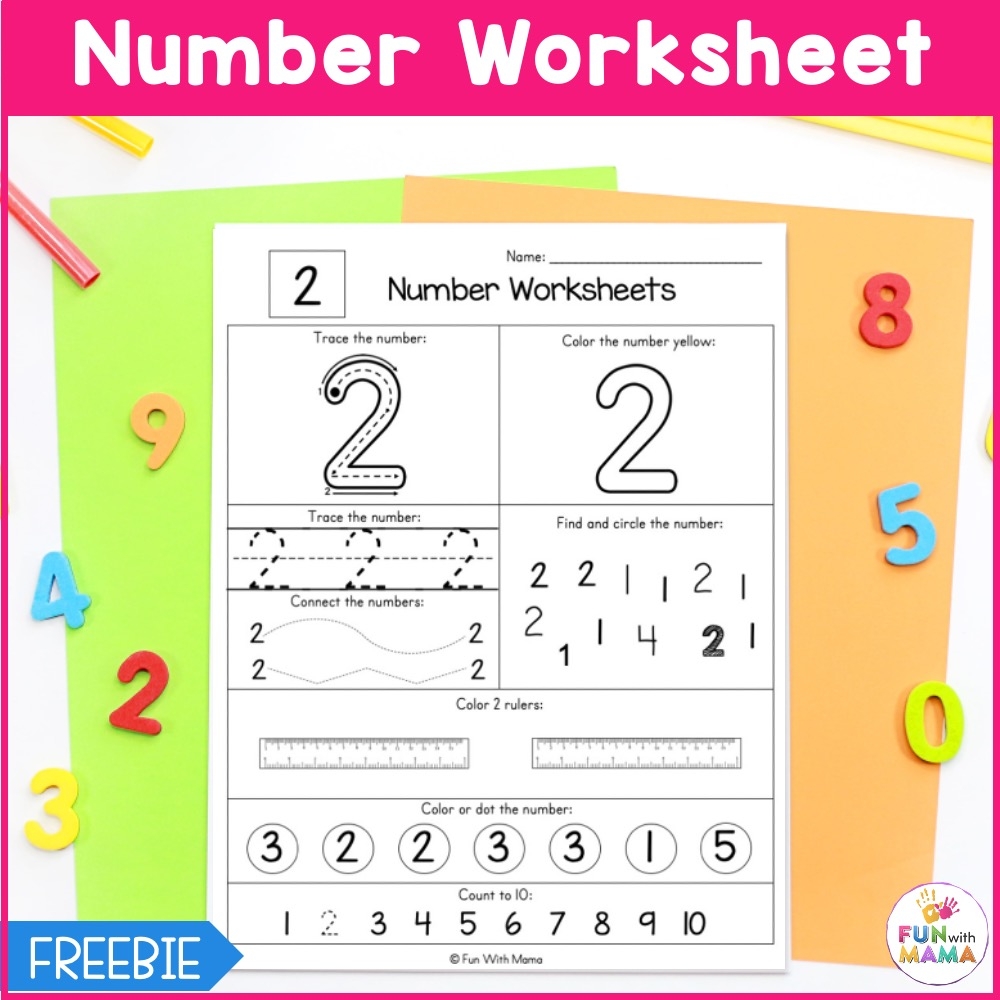
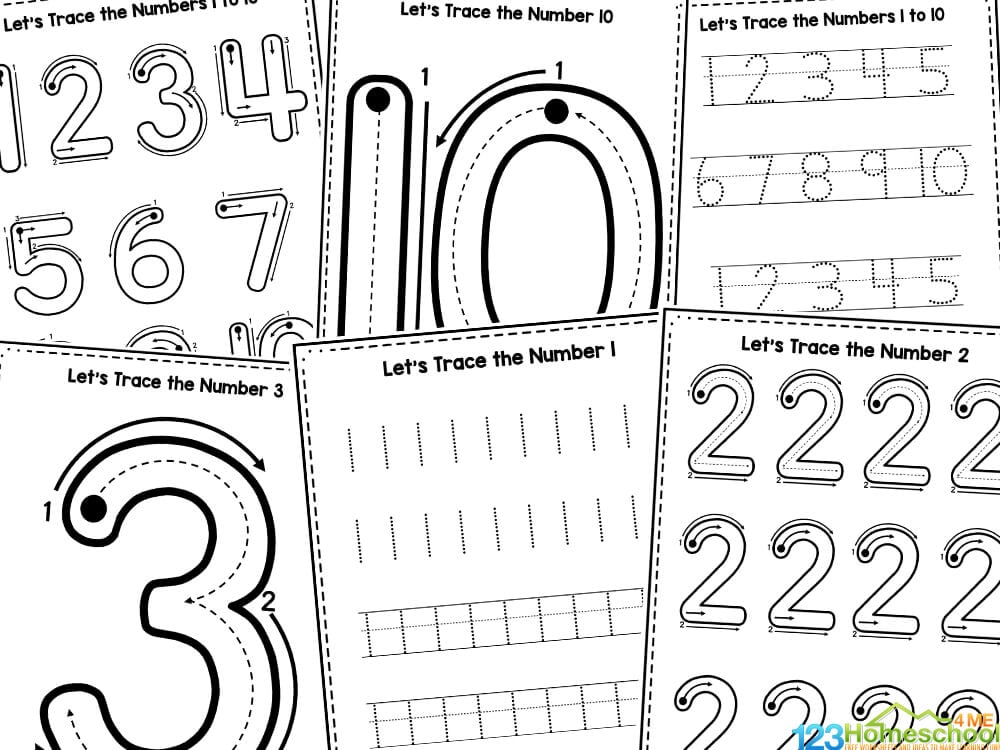
Targeted tracing pages focus on the mechanical and cognitive building blocks of early handwriting. Rather than rushing straight into copying words independently, children engage with guided pathways that teach stroke directionality, spatial awareness, and proper form. These resources break down complex letter and numeral shapes into manageable segments, helping learners understand where a stroke begins and where it terminates. Practicing these foundational lines and curves builds the intrinsic hand muscles required for sustained writing endurance. Exploring options like Alphabet And Numbers Tracing allows adults to provide systematic practice that targets both numeric and alphabetic formation simultaneously, ensuring comprehensive foundational development.
Key Learning Outcomes
Working consistently with targeted printables fosters several crucial developmental milestones in early childhood. Learners build visual-motor integration, which is the brain’s ability to coordinate visual information with precise hand movements. Directional awareness naturally improves as children consistently follow starting points from top to bottom and left to right. Finger dexterity and intrinsic hand strength increase through sustained, light-pressure pencil manipulation. Additionally, children develop structural letter and numeral constancy, recognizing that a letter maintains its identity regardless of slight variations in size or writing implement. Incorporating elements from Dotted Letters For Tracing further refines precision by encouraging exact pencil placement over faint visual guides.
How to Use This Worksheet
Successful implementation depends entirely on keeping the experience engaging, relaxed, and pressure-free. Printables should be introduced as a playful activity rather than a rigorous test of academic achievement. Positioning the paper at a slight slant that matches the child’s natural writing angle supports optimal wrist alignment and posture. Short, frequent sessions lasting five to ten minutes yield far better results than long, fatiguing blocks of time. Furthermore, pairing standard paper tasks with tactile sensory input—such as forming shapes in sand or shaving cream first—prepares the nervous system for pencil-on-paper work. Exploring resources within Shape and Line Tracing provides an excellent warm-up phase before tackling dense typographic pages.
Practical Tips for Parents and Teachers
Adults play a vital role in scaffolding the writing process by modeling proper grip and providing gentle, constructive feedback. Encouraging a functional tripod or quadrupod grasp prevents early hand fatigue and ensures long-term writing comfort. If a child demonstrates a heavy, white-knuckle grip, suggest using shorter writing tools like broken crayons or golf pencils, which naturally encourage fingers to rest closer to the tip. Scaffolding means stepping in to hand-over-hand guide the first few strokes when frustration runs high, and gradually fading that support as independence grows. Educators and caregivers can also extend learning by asking children to find matching objects in the room that resemble the numbers or letters they just traced.
Age-Appropriate Recommendations
According to the CDC developmental milestones, children generally progress from imitating vertical and horizontal strokes around age two to forming more complex diagonal lines, crosses, and early letter-like forms between ages three and four. During this preschool phase, the focus remains primarily on gross motor lines, circular motions, and large pre-writing paths found in Fine Motor and Pre-Writing Skills. As children transition into kindergarten and early elementary grades under frameworks like the Common Core ELA standards (such as K.CC.A.3 for writing numbers 0 to 20 and L.K.1.a for printing upper- and lowercase letters), the expectations shift toward precise letter formation, accurate sizing, and proper line placement. Tailoring worksheet selection to the exact developmental stage ensures that tasks challenge without causing undue frustration.
Children generally master the ability to imitate vertical and horizontal lines by age two, followed by circles and cross shapes by age three, laying the crucial physical groundwork for formal handwriting instruction. — Centers for Disease Control and Prevention (CDC) Milestones
Frequently Asked Questions
Clear answers to common questions help educators and families make the most of these educational materials.
Explore More Free Printable Tracing Worksheets
Supporting a child’s journey toward fluent handwriting and early literacy requires a diverse collection of engaging practice materials. Exploring the full library available at KidTraces.com provides access to a wide variety of themed resources, structured drills, and creative challenges designed to meet every unique learner at their current stage of development. Whether focusing on early pencil control, precise letter shaping, or seasonal engagement, having a robust selection of print-ready tools makes consistent, enjoyable practice wonderfully accessible for classrooms, homeschool environments, and family learning tables alike.
Quick Wiring Specifications & Terminal Guide
| Component / Circuit | Standard Wire Gauge | Recommended Protection |
|---|---|---|
| Control & Trigger Signals | 18 – 20 AWG | 5A – 7.5A Inline Fuse |
| Standard Auxiliary Load | 14 – 16 AWG | 15A – 20A Circuit Breaker |
| Main Power Feed / Supply | 10 – 12 AWG | 30A – 40A Heavy-Duty Relay |
Images References