Introduction
Many children recognize letters, shapes, and numbers long before their fine motor control allows them to successfully form those same symbols on paper. According to the American Occupational Therapy Association, foundational hand strength and visual-motor integration must develop alongside cognitive awareness to make handwriting achievable. Mastering pencil control is not merely about holding a writing utensil; it requires sophisticated neural planning and tiny hand muscles working in absolute harmony. The free printable kids tracing numbers and letters writing aid bridges this exact gap between cognitive readiness and physical execution. It sounds simple, and that is the point. By providing structured visual pathways, these printable resources take the frustration out of early writing instruction and turn pencil practice into a rewarding, accessible experience.
💡 Educational Key Takeaways:
- Core Skill: Structured Kids Tracing Numbers And Letters Writing Aid focused on developing pencil grip, stroke control, and early literacy/math confidence.
- Target Scope: Suited for homeschoolers, preschool, kindergarten, and elementary learners.
- Best Recommendation: Practice 10–15 minutes daily with ergonomic writing tools to reinforce muscle memory without hand fatigue.
What This Worksheet Covers
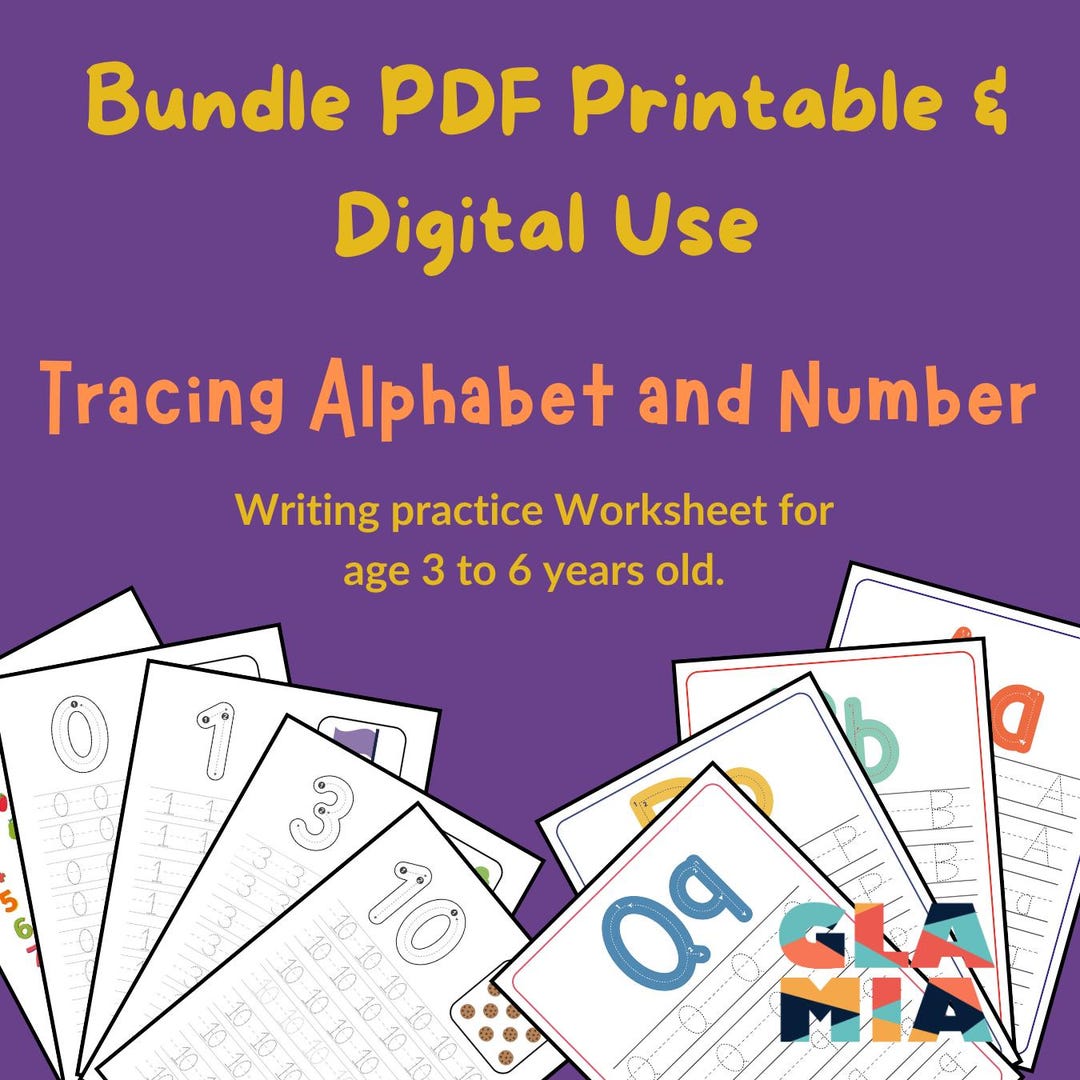
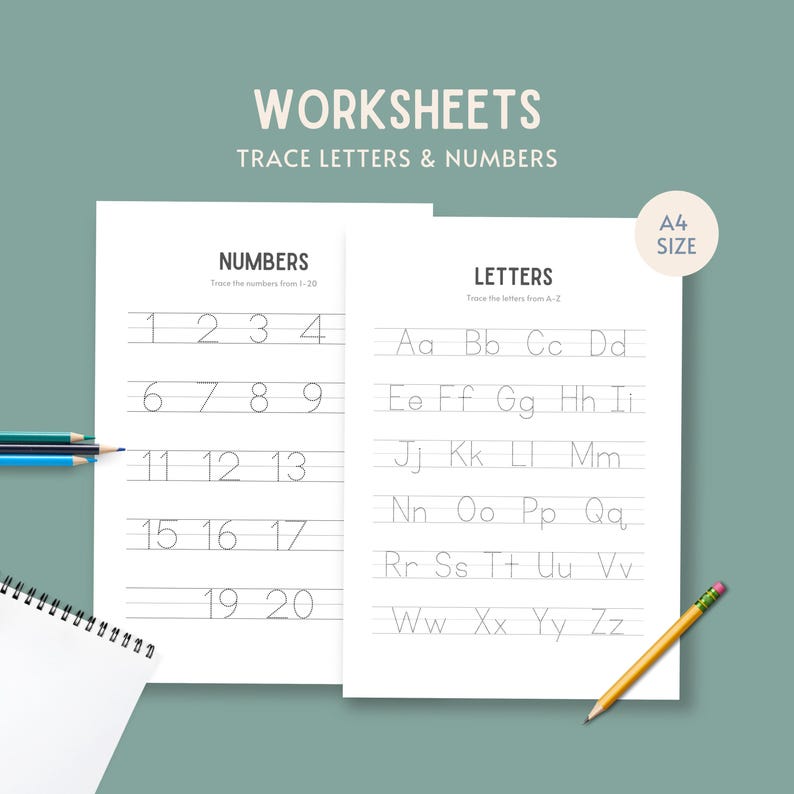
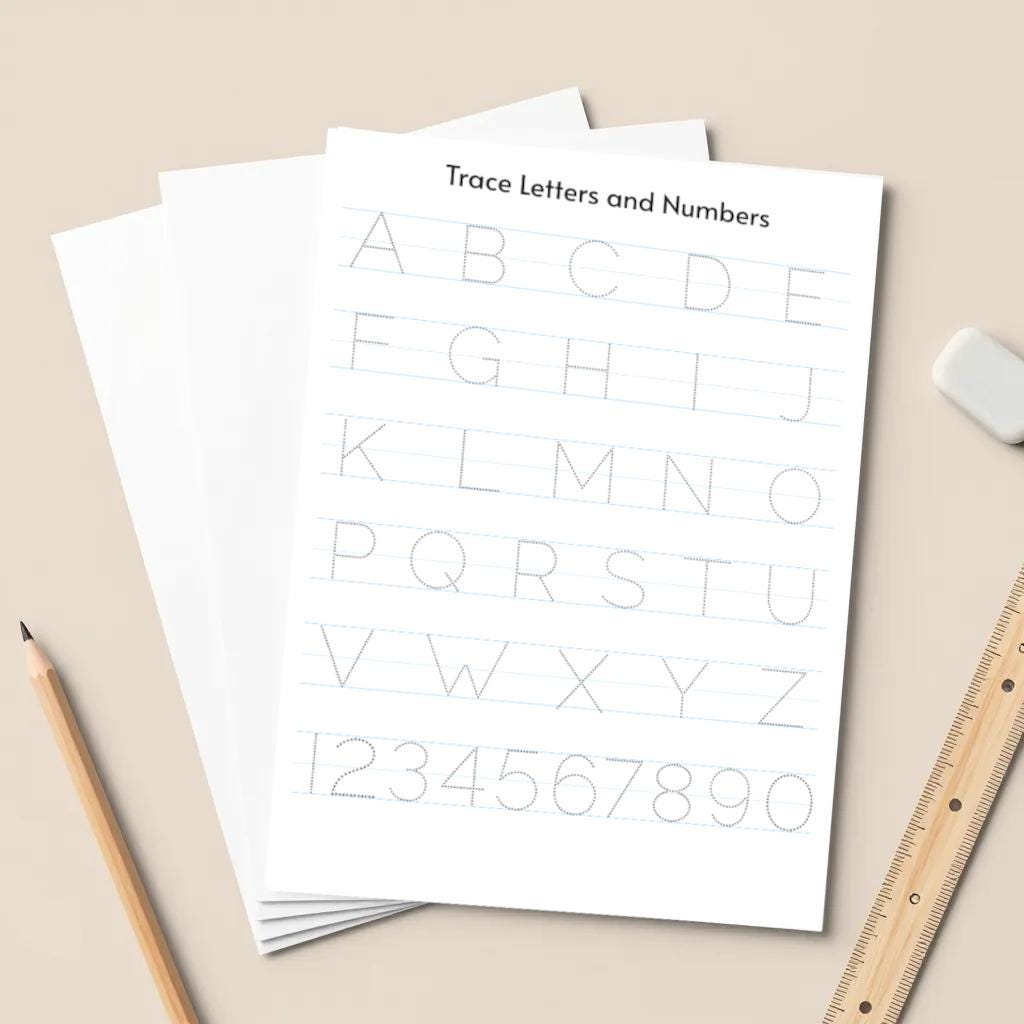
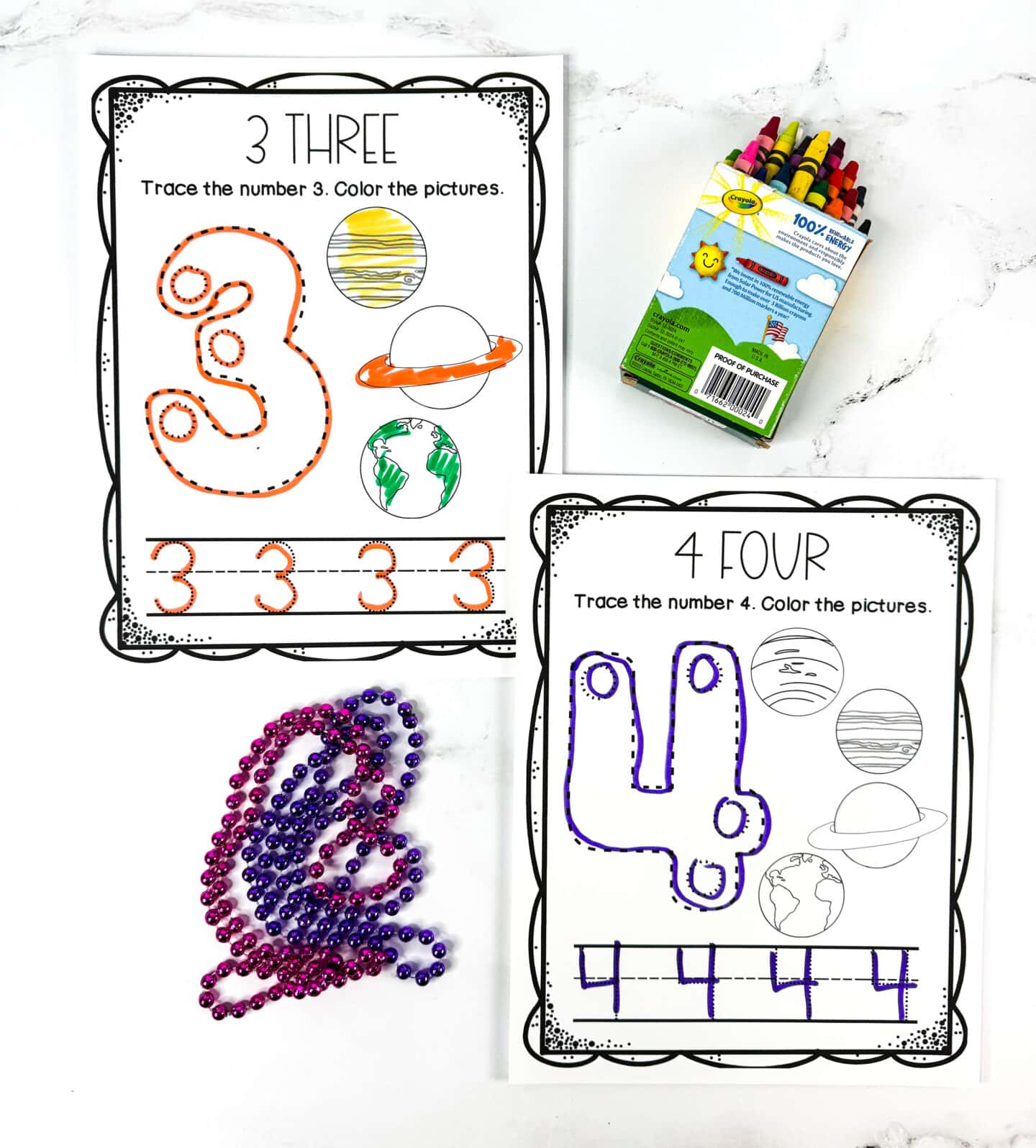
This specific writing aid focuses heavily on proper letter formation, numerical stroke order, and visual-motor alignment. Through carefully mapped directional lines, children learn precisely where each stroke begins and ends, eliminating haphazard scribbling habits before they take root. The layout transitions smoothly from basic pre-writing curves to complex alphanumeric characters, ensuring young learners build confidence step by step. Furthermore, the inclusion of directional arrows and starting dots teaches intentional movement rather than random guessing. For educators and caregivers, this structured format offers an instant window into how a child processes spatial relationships on a flat surface. Children explore the geometry of print while naturally refining the grip strength necessary for lifelong academic success. Exploring foundational materials like the Alphabet And Numbers Tracing collection further reinforces these essential cognitive and physical habits during early childhood development.
Key Learning Outcomes
Working through these guided tracing exercises fosters immediate improvements in bilateral coordination, visual tracking, and finger dexterity. Learners build vital muscle memory as repeated tracing sessions train the hand to replicate consistent heights, widths, and spacing for every letter and number. According to Reading Rockets, explicit instruction in letter formation significantly accelerates early literacy development by freeing up cognitive space for comprehension. Beyond mere mechanical repetition, children cultivate patience, focus, and an understanding of left-to-right directional flow across a page. This steady progression directly supports fine motor mastery, ensuring that the physical act of writing eventually becomes second nature. Delving into targeted exercises found within Tracing Number pages guarantees that numeric symbols receive the same focused attention as the alphabet.
How to Use This Worksheet
Success with tracing printables relies heavily on the environment and the pacing established during practice time. Short, frequent sessions yield far better results than long, exhausting marathons that lead to hand fatigue and frustration. Adults should encourage a relaxed tripod grasp, ensuring the pencil rests comfortably between the thumb, index, and middle fingers without excessive white-knuckle pressure. It is often helpful to place the worksheet on a slightly slanted surface or secure it with painter’s tape to prevent sliding, which naturally encourages better posture and wrist extension. Integrating additional tactile elements, such as tracing the dotted lines with a finger before touching a pencil, adds a sensory dimension that anchors the motor plan in the brain.
Practical Tips for Parents and Teachers
Scaffolding the learning process makes a massive difference when working with young hands that tire easily. Adults can model the correct starting point aloud, exaggerating the directional stroke while the child watches closely before attempting the motion independently. If a child struggles with hand endurance, switching to a slightly thicker crayon or short golf pencil can instantly improve leverage and prevent finger cramping. Consistency matters tremendously, so establishing a calm routine around a favorite writing spot transforms practice into a welcoming daily ritual. When learners experience difficulty with specific curves, gently guiding their hand through the initial movement provides the kinesthetic feedback needed for future success. Transitioning to broader resources such as Tracing Worksheets offers endless variety to keep engagement high without overwhelming developing motor skills.
Age-Appropriate Recommendations
Aligning expectations with developmental frameworks like the National Association for the Education of Young Children (NAEYC) Developmentally Appropriate Practice ensures that children are never pushed beyond their biological readiness. For toddlers and preschoolers ages two through four, focus should center on large vertical surfaces, thick markers, and gross motor pre-writing strokes rather than perfection on narrow lines. As children enter kindergarten and the early elementary years up to age eight, expectations naturally shift toward controlled pencil grip, uniform letter sizing, and adherence to baseline rules as outlined in Common Core standard L.K.1a. Honoring these natural developmental windows prevents physical strain and fosters a positive, confident attitude toward writing tasks.
Fine motor control and visual-motor integration are among the strongest predictors of early academic success and reading readiness. — American Occupational Therapy Association
Frequently Asked Questions
Clear guidance on implementing tracing materials helps caregivers maximize the developmental benefits of every printable session.
Explore More Free Printable Tracing Worksheets
Supporting a young writer involves a diverse toolkit of engaging exercises that grow alongside the child. Exploring the full library available at KidTraces.com provides endless opportunities to nurture pre-writing skills, alphabet mastery, and numerical confidence in a stress-free environment. Discover additional targeted resources like Fine Motor and Pre-Writing Skills to ensure every stage of development receives meaningful, playful reinforcement.
Developmental Milestone & Activity Table
| Development Stage | Recommended Daily Duration | Primary Learning Objective |
|---|---|---|
| Preschool & Pre-K | 10 – 15 Minutes | Pencil grip development & basic pre-stroke lines |
| Kindergarten | 15 – 20 Minutes | Letter/number formation & spatial line awareness |
| Early Elementary (Grade 1–2) | 20 – 30 Minutes | Fluency, sentence construction & neatness |
Images References