Introduction
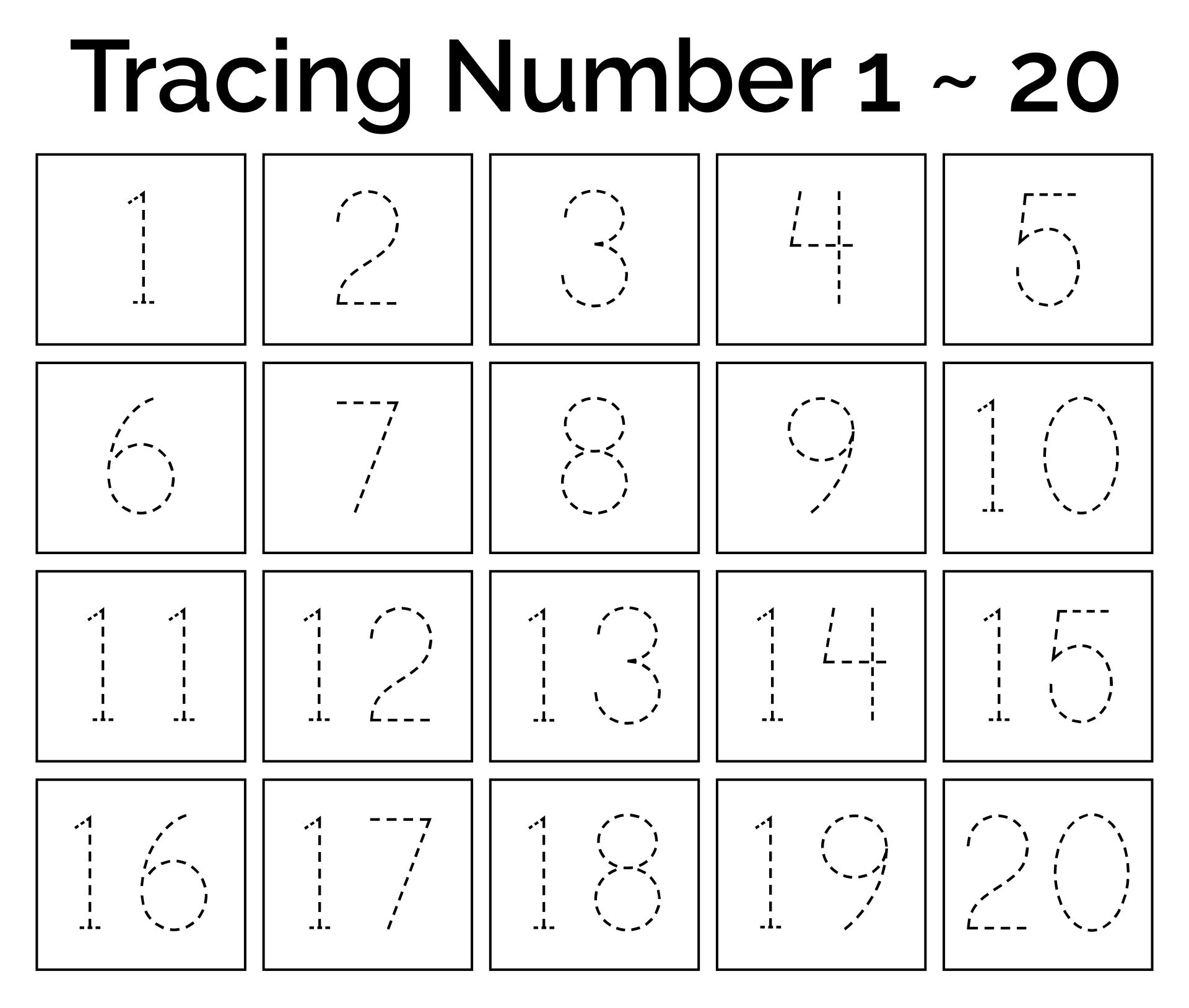
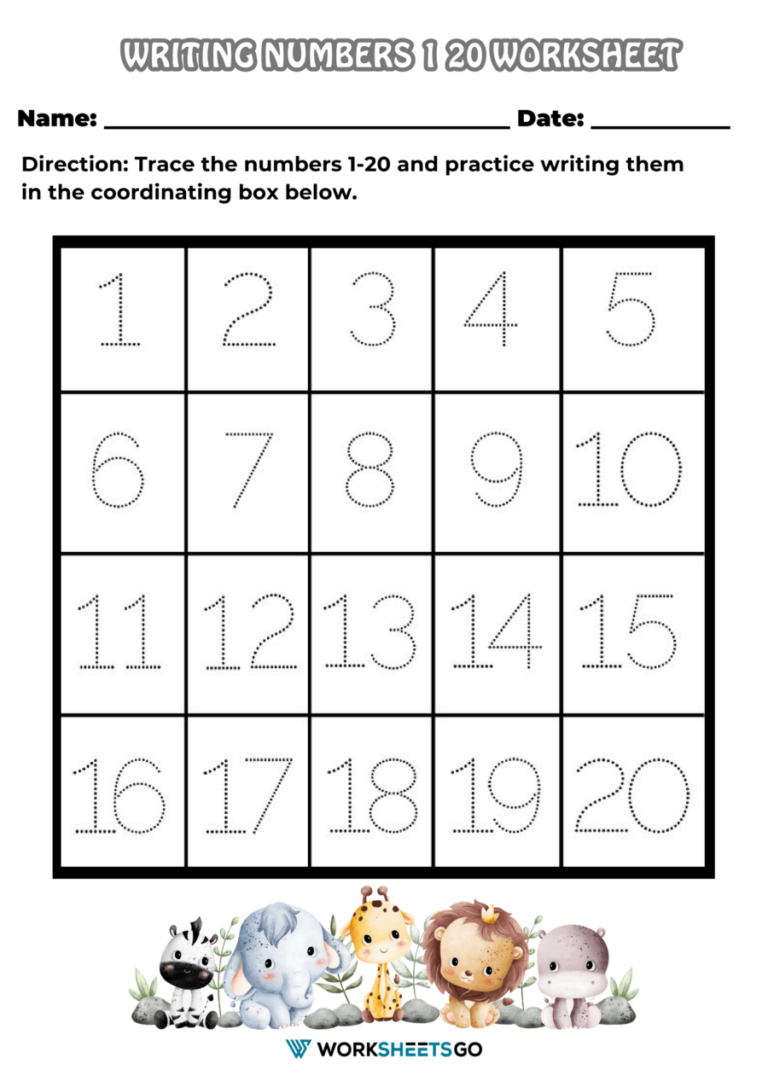
Watch any group of preschoolers and a fascinating reality emerges: many children recognize numerals and letters long before their little hands possess the intrinsic muscle strength required to form them on paper. According to the American Occupational Therapy Association, foundational fine motor control and bilateral coordination must develop synchronously to support functional handwriting tasks. Young learners often possess a vivid mental grasp of numbers up to twenty, yet translating that understanding into precise pencil strokes demands targeted guidance. Bridging that gap requires thoughtful tools that honor both cognitive readiness and physical capability. Enter the free printable number writing practice 1-20, a carefully scaffolded resource designed to support children as they transition from visual recognition to confident numeral production. It sounds simple, and that is the exact point. By breaking down complex formations into manageable strokes, this printable offers a supportive bridge for developing writers.
💡 Educational Key Takeaways:
- Core Skill: Structured Number Writing Practice 1-20 focused on developing pencil grip, stroke control, and early literacy/math confidence.
- Target Scope: Suited for homeschoolers, preschool, kindergarten, and elementary learners.
- Best Recommendation: Practice 10–15 minutes daily with ergonomic writing tools to reinforce muscle memory without hand fatigue.
What This Worksheet Covers
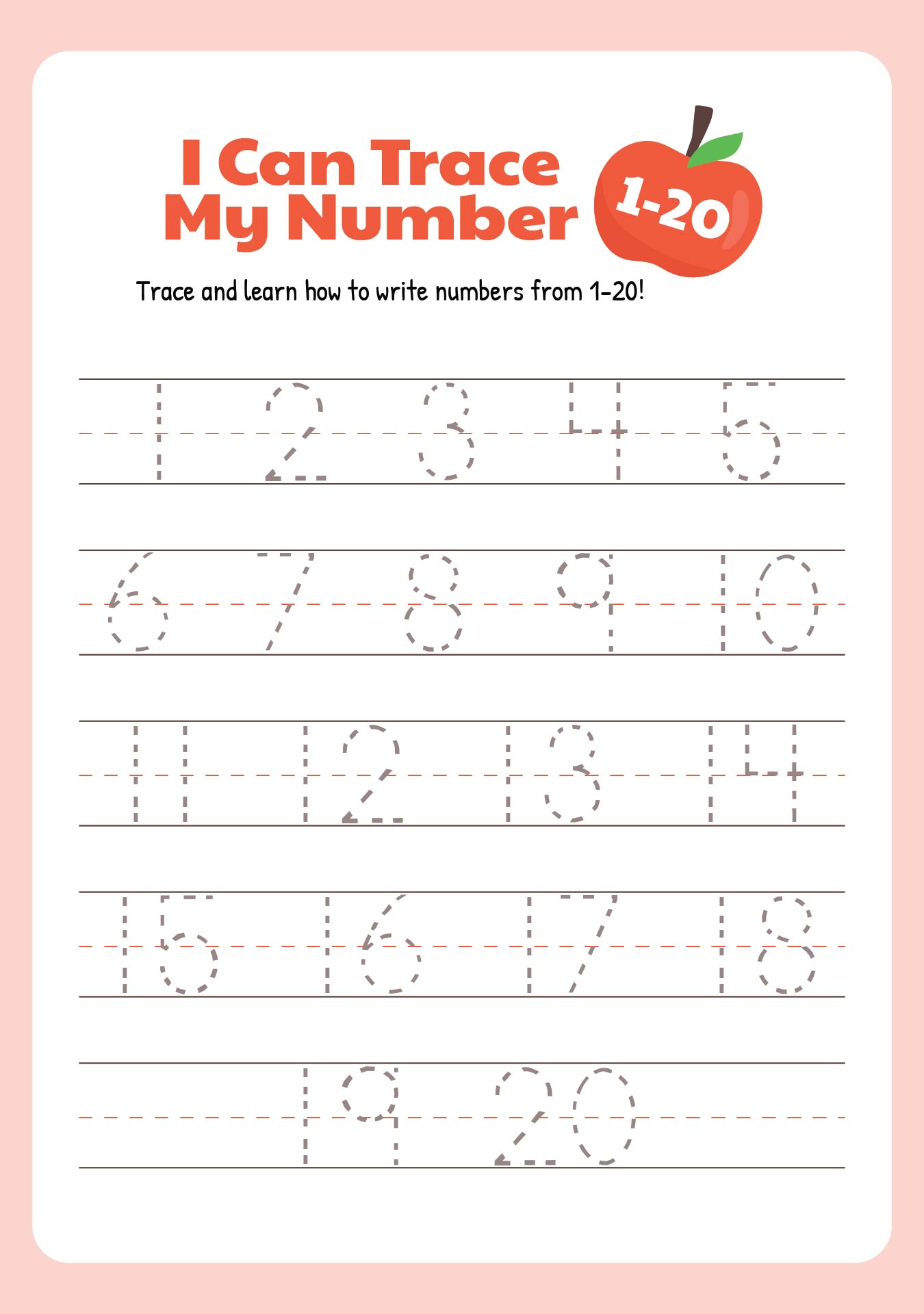
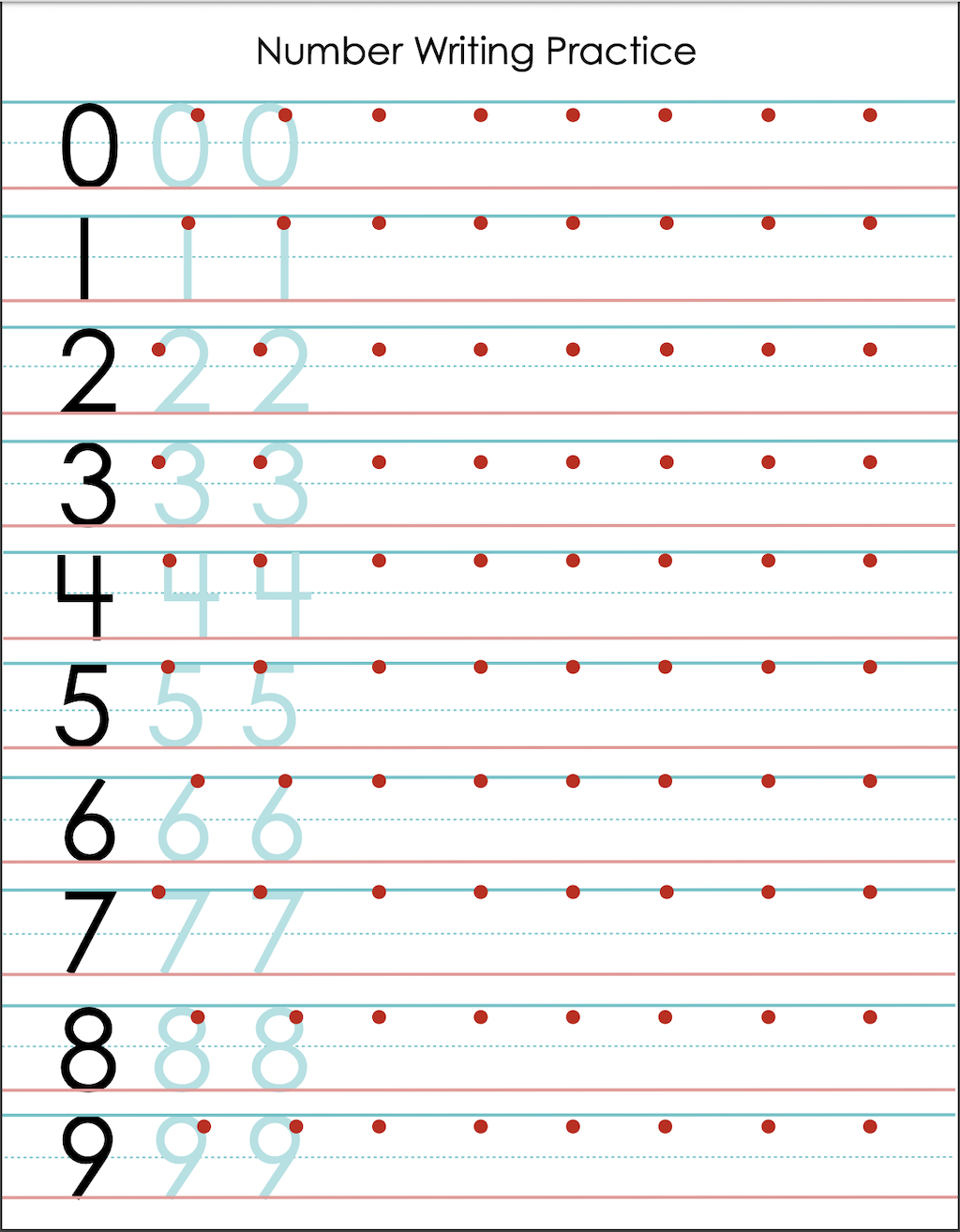
Mastering numerals up to twenty involves much more than simply copying shapes. According to the National Association for the Education of Young Children, purposeful early writing experiences must emphasize correct stroke directionality and spatial awareness to prevent the habit of persistent reversals. This worksheet systematically guides the hand through every digit from zero to twenty, utilizing structured dot-to-dot pathways and distinct starting points. Each numeral is presented with clear visual cues that teach children where to place the pencil tip and which direction to move, whether curving the top of a two or closing the loop of a nine. Beyond individual digits, the layout provides ample white space to prevent visual fatigue, allowing learners to focus purely on motor planning and control without feeling overwhelmed by clutter.
Key Learning Outcomes
Engaging consistently with structured Tracing Number pages yields profound developmental benefits across multiple domains. Children naturally refine their visual-motor integration as the hand follows the precise visual path dictated by the dotted lines. Stroke order and directionality become internalized through repetition, building the muscle memory necessary for fluid, automatic writing. Spatial awareness blossoms as learners practice sizing numerals correctly within designated boundaries, keeping numbers proportional and properly spaced. Furthermore, sustained pencil control strengthens the small intrinsic muscles of the hand, paving the way for advanced skill acquisition found within Fine Motor and Pre-Writing Skills development.
How to Use This Worksheet
Introducing a new practice page works best when integrated into a low-pressure, supportive daily routine. Begin by examining the sheet together, pointing out the starting dots and discussing the directional arrows before any marking begins. It helps to invite the child to trace the numerals first using an index finger to get a kinesthetic feel for the curves and straight lines. When transitioning to a writing utensil, ensure the environment is calm and free of distractions. For those looking to expand foundational practice beyond numbers, exploring Tracing Worksheets provides additional variety to maintain enthusiasm and continuous skill progression.
Practical Tips for Parents and Teachers
Promoting an efficient grasp remains paramount during these formative writing sessions. Encourage a functional tripod grasp where the pencil rests comfortably between the thumb and index finger, supported gently by the middle finger. Adults can model correct formation on a separate paper while verbalizing the movements aloud, such as saying “straight down and around” for the number two. Scaffolding the activity is crucial; rather than demanding all twenty numbers in one sitting, focus on small chunks like zero to five, gradually extending the challenge as endurance builds. Should hand fatigue set in, offer a quick stretching break or let the child trace using colorful markers to revitalize interest and maintain a positive attitude toward writing.
Age-Appropriate Expectations
Writing development unfolds predictably across early childhood, aligning closely with established developmental milestones. According to the CDC milestones for early childhood development, younger children around ages two to four typically begin by imitating vertical and horizontal strokes, gradually progressing to more complex closed shapes and early letter-like forms. By ages five to eight, children enter the formal stage of school readiness outlined in the Common Core ELA standards (such as kindergarten writing standard K.CC.A.3, which focuses on writing numbers from zero to twenty). During this later stage, the focus shifts naturally from basic stroke imitation toward consistent sizing, line adherence, and automatic numeral production without heavy reliance on visual prompts.
Foundational fine motor control and bilateral coordination must develop synchronously to support functional handwriting tasks. — American Occupational Therapy Association
Frequently Asked Questions
Navigating early writing tools brings up common questions for educators and families alike. The following answers address the most frequent inquiries regarding printing, motor development, and educational standards to ensure the best possible experience for young learners.
Explore More Free Printable Tracing Worksheets
Supporting a child’s journey toward confident handwriting involves offering a diverse array of engaging, developmentally appropriate practice materials. Beyond numbers, young learners thrive when given opportunities to explore different types of line control, letter formation, and creative themes. Discover the complete collection of free educational resources by visiting the main library at KidTraces.com to find everything needed for early learning success.
Developmental Milestone & Activity Table
| Development Stage | Recommended Daily Duration | Primary Learning Objective |
|---|---|---|
| Preschool & Pre-K | 10 – 15 Minutes | Pencil grip development & basic pre-stroke lines |
| Kindergarten | 15 – 20 Minutes | Letter/number formation & spatial line awareness |
| Early Elementary (Grade 1–2) | 20 – 30 Minutes | Fluency, sentence construction & neatness |
Images References