Introduction
Many children recognize numerals and letters long before their fine motor skills can physically form them on paper. According to the American Occupational Therapy Association, foundational pencil control relies on intrinsic hand muscle strength and visual-motor integration, which develop steadily through purposeful practice. That early cognitive readiness often outpaces physical endurance can lead to frustration during writing tasks unless adults provide gentle, structured scaffolds. Introducing the free printable ten number name dotted on four lines bridges this gap beautifully by combining number recognition with orthographic spelling patterns on a specialized writing grid. It sounds simple, and that’s the point: removing guesswork allows the developing hand to focus entirely on stroke fluidity, spatial awareness, and directional consistency. Exploring options within Tracing Number resources offers a direct pathway toward building this essential physical confidence.
💡 Technical Key Takeaways:
- Core Focus: Diagnostic schematic and terminal connection layout for Ten Number Name Dotted On Four Lines.
- Target Scope: Field technicians, automotive DIYers, and residential/commercial electricians.
- Safety Rule: Always disconnect the primary power source/battery terminal and verify zero voltage with a multimeter before touching wires.
What This Worksheet Covers
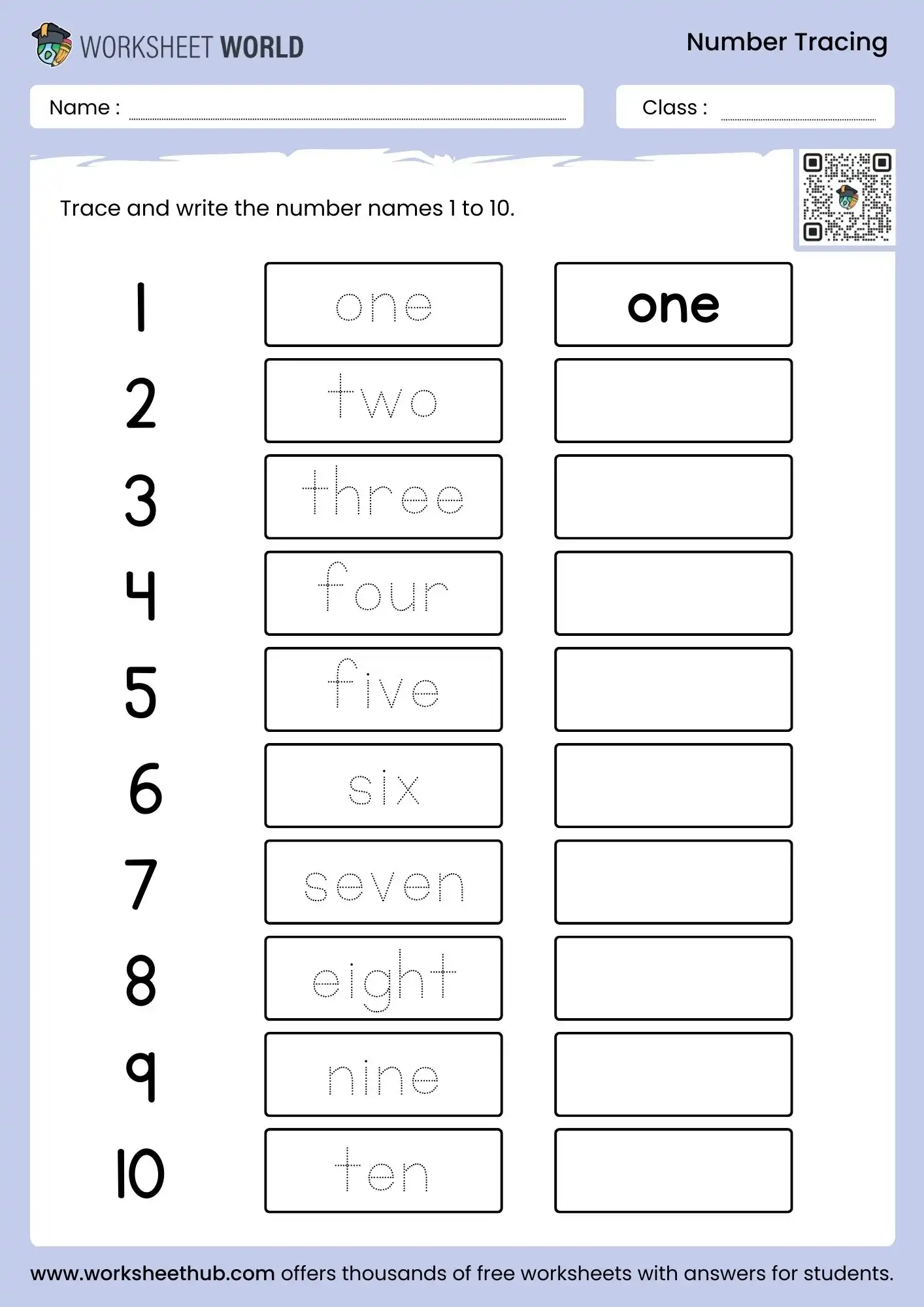
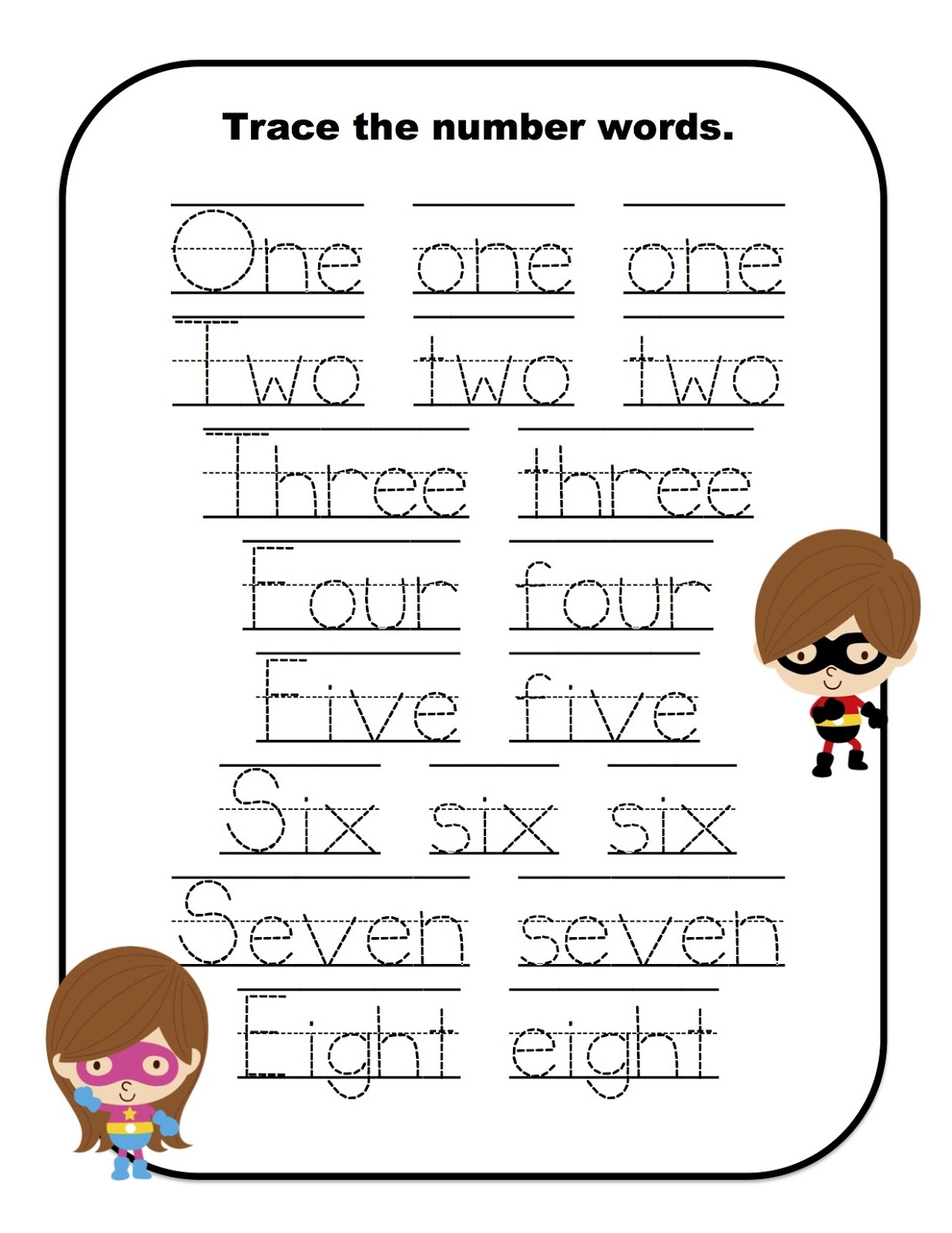
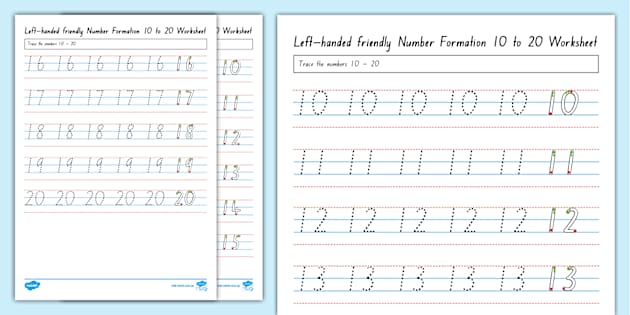
This targeted print layout presents numbers from zero through nine both as digits and as spelled-out words, mapped across a structured four-line writing grid. The inclusion of the four-line format—consisting of a top line, upper baseline, lower baseline, and bottom descender line—provides crucial spatial boundaries that standard single or double lines fail to deliver. Children learn where tall letters reach, where small letters sit, and how number names anchor themselves horizontally across the page. Every numeral and letterform is rendered in clear, traceable dots that guide starting points, directional arrows, and completion markers. By tracing both the numerical digit and its corresponding word, learners forge stronger neural connections between mathematical symbols and language arts concepts. Discovering additional variations becomes seamless when browsing through Word and Name Tracing collections designed to reinforce letter sequencing and spacing.
Key Learning Outcomes
Engaging systematically with this layout cultivates precise pencil control, proper stroke order, and sustained attention to detail. Learners build muscle memory for forming both tricky curved digits like three and eight and complex alphabetical sequences required for spelling number words. According to Reading Rockets, early spelling and handwriting instruction are reciprocally reinforcing, meaning that tracing letter-based words simultaneously bolsters orthographic mapping and reading fluency. Visual-motor coordination improves noticeably as eyes track continuously along the four-line grid, reducing visual fatigue and improving overall alignment. Over time, consistent practice transitions clumsy finger movements into smooth, automatic wrist and hand stability.
How to Use This Worksheet
Successful implementation begins with setting up an optimal physical environment where the feet rest flat on the floor and the table sits slightly below elbow height. Adults should encourage a functional grasp—such as a dynamic tripod or quadripod—while gently reminding learners to stabilize the paper with their non-dominant hand. It helps to start with just one line or a single number per sitting rather than demanding completion of the entire page at once. Tracing over the dotted formations with a finger or a crayon first gives the tactile system a preview before picking up a standard pencil. Children thrive when adults sit beside them, offering quiet encouragement and celebrating small victories in line control and neatness.
Practical Tips for Parents and Teachers
Scaffolding these exercises means knowing when to step in with hand-over-hand guidance and when to step back to foster independent problem solving. Modeling the correct starting point for each stroke prevents the formation of poor habits, such as drawing letters or numbers from the bottom up. Extending the activity can involve asking the learner to spell out the number word verbally while tracing, linking auditory, visual, and kinesthetic pathways together. If hand fatigue sets in early, switching to a thicker writing tool like a short colored pencil provides better sensory feedback and requires less gripping pressure. Navigating related skill sets is easy when incorporating tools from Fine Motor and Pre-Writing Skills to build baseline hand strength.
Age-Appropriate Recommendations
For younger children around ages two to four, the focus remains primarily on sensory-rich exploration of lines, curves, and gross motor mark-making, aligning with foundational developmental milestones outlined by the Centers for Disease Control and Prevention. Children in this younger bracket may only trace with a finger or thick marker, and expecting mastery of a four-line grid is developmentally premature. Conversely, children aged five to eight are fully equipped to tackle structured handwriting frameworks, matching the expectations found in the Common Core ELA standard CCSS.ELA-LITERACY.L.K.1.A regarding printing uppercase and lowercase letters and numerals correctly. At this older stage, the four-line grid prevents floating letters and ensures proper sizing, preparing learners for independent notebook writing across all academic subjects.
Handwriting instruction that incorporates multisensory tracing improves letter formation accuracy and orthographic retention in young learners. — Reading Rockets
Frequently Asked Questions
Clear guidance helps families and educators maximize the value of every printed page while avoiding common pitfalls related to paper size, printing scaling, and pacing.
How do I download and print this worksheet correctly? — Click the download link on the resource page to save the PDF file to your device. Open the file in a standard PDF reader, ensure your printer scaling is set to 100 percent or “Actual Size,” and print on standard letter paper.
How does tracing numbers and words support fine motor development? — According to the American Occupational Therapy Association, guided tracing requires precise visual-motor integration and graded finger control, which directly strengthens the intrinsic hand muscles needed for legible, fatigue-free handwriting.
Can younger preschoolers use this four-line grid successfully? — Younger preschoolers often lack the spatial awareness for four-line grids, so they benefit more from larger single-line or open-space tracing before advancing to structured four-line layouts around kindergarten age.
Explore More Free Printable Tracing Worksheets
Supporting a child through early literacy and pre-writing milestones becomes an enjoyable journey when access to diverse, high-quality resources is readily available. The entire library at KidTraces.com offers countless opportunities to practice essential strokes, letter forms, and number concepts in engaging formats. Whether targeting specific pencil grips or preparing for kindergarten readiness, structured practice sheets provide the consistency children need to thrive. Explore additional layout styles within Alphabet And Numbers Tracing to keep early writing sessions fresh, motivating, and developmentally appropriate every single day.
Quick Wiring Specifications & Terminal Guide
| Component / Circuit | Standard Wire Gauge | Recommended Protection |
|---|---|---|
| Control & Trigger Signals | 18 – 20 AWG | 5A – 7.5A Inline Fuse |
| Standard Auxiliary Load | 14 – 16 AWG | 15A – 20A Circuit Breaker |
| Main Power Feed / Supply | 10 – 12 AWG | 30A – 40A Heavy-Duty Relay |
Images References