Introduction
According to the American Occupational Therapy Association, foundational fine motor control and bilateral integration are critical precursors to functional handwriting tasks in early childhood. Many children recognize numerals and letters long before their small hand muscles possess the endurance and dexterity required to form them on paper. This developmental gap often leads to frustration during early writing instruction if adults rush straight to blank sheets. Integrating a structured number tracing worksheets book pdf bridges this gap by offering guided practice that supports proper stroke order, spatial awareness, and pencil control. Thoughtfully designed pages help young learners translate cognitive numeral recognition into precise physical movements without overwhelming developing hand joints.
💡 Educational Key Takeaways:
- Core Skill: Structured Number Tracing Worksheets Book Pdf focused on developing pencil grip, stroke control, and early literacy/math confidence.
- Target Scope: Suited for homeschoolers, preschool, kindergarten, and elementary learners.
- Best Recommendation: Practice 10–15 minutes daily with ergonomic writing tools to reinforce muscle memory without hand fatigue.
What This Worksheet Covers
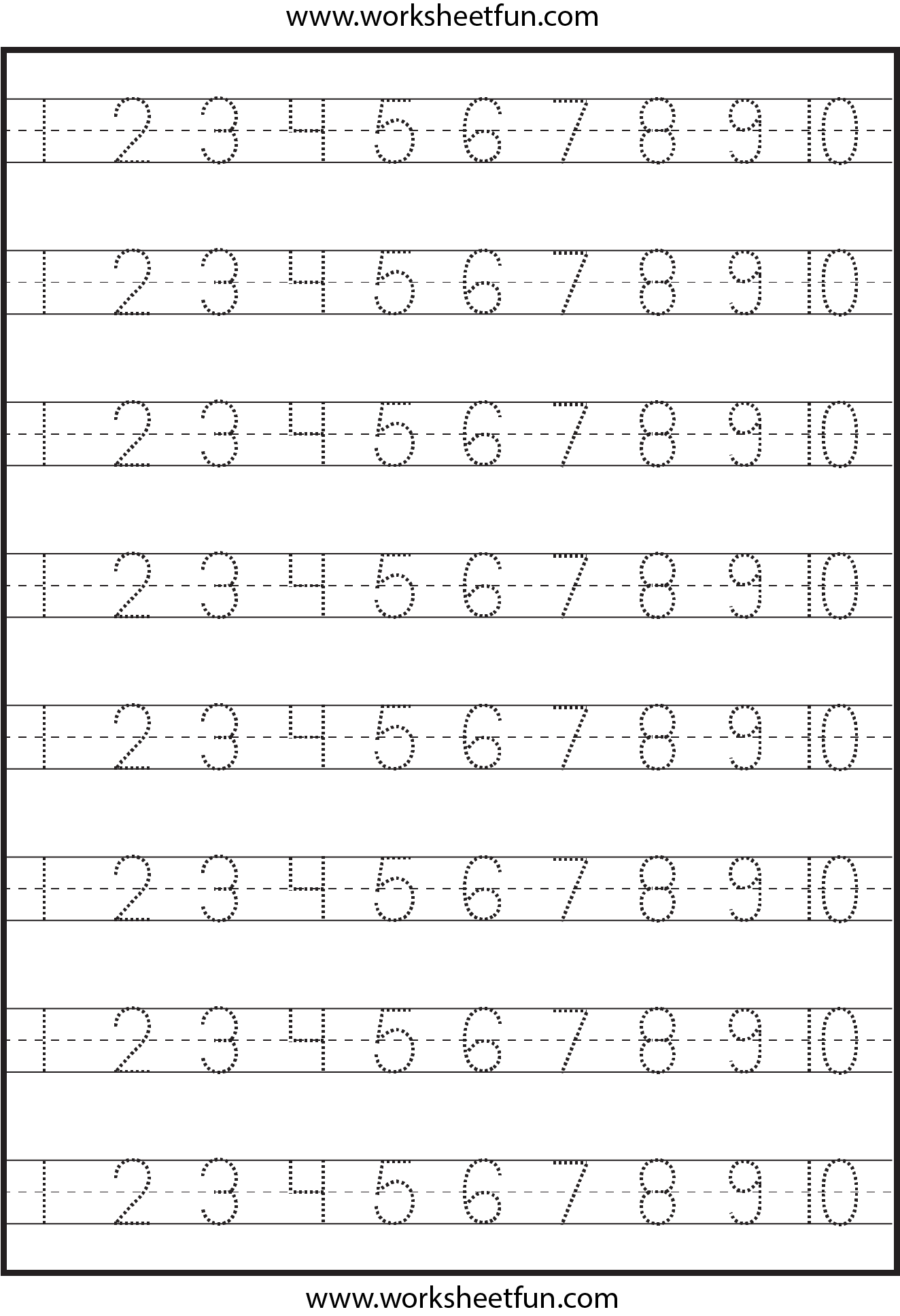
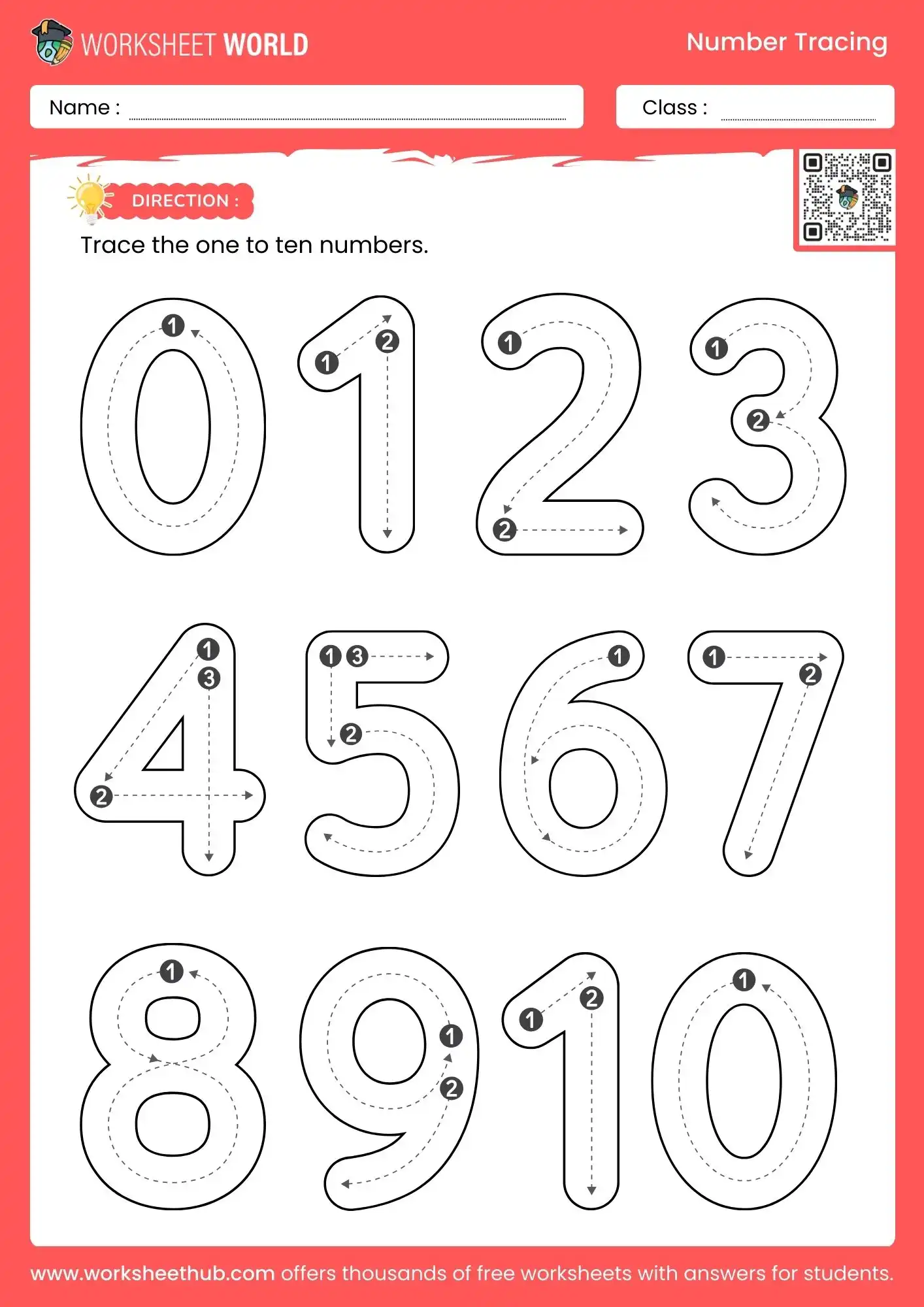
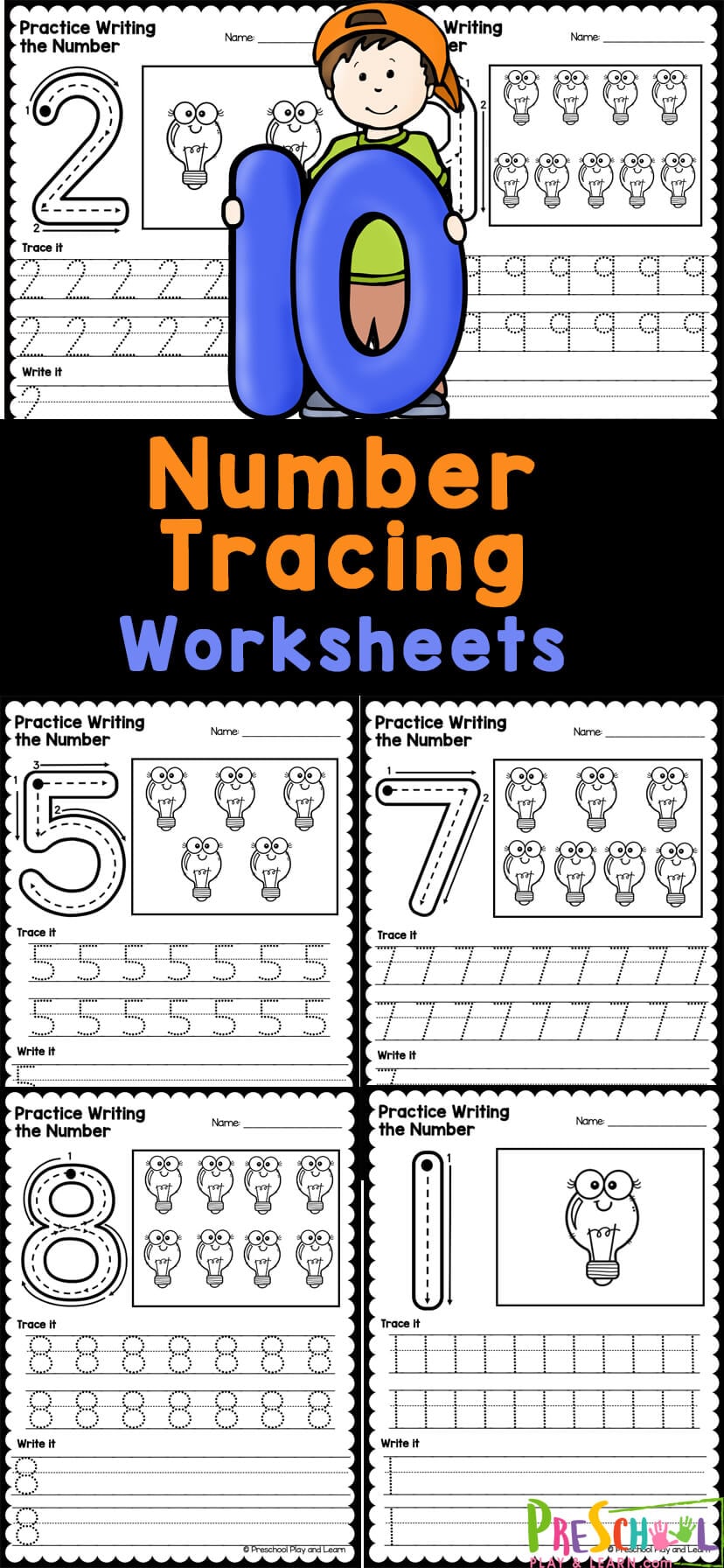
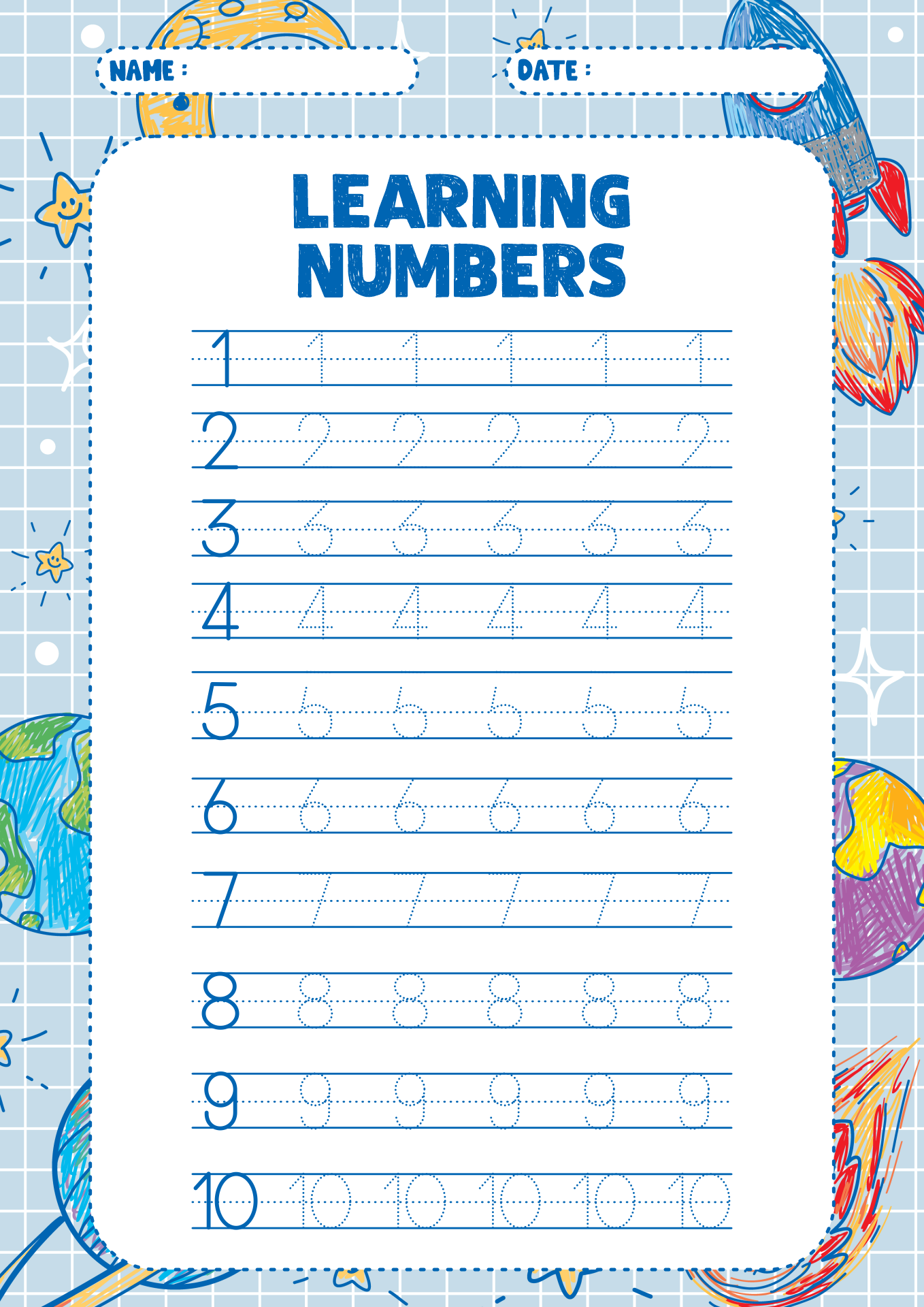
Building numerical fluency requires more than memorizing what a digit looks like; it demands an understanding of how lines, curves, and angles intersect. Every page inside a comprehensive collection focuses on intentional numeral formation, beginning with clear starting points and directional arrows. Children learn to approach each digit systematically, moving from top to bottom and left to right in alignment with foundational Tracing Number practices. The exercises transition smoothly from oversized, tactile-friendly outlines to standard primary-ruled dotted lines, ensuring that hand-eye coordination matures alongside visual memory.
Key Learning Outcomes
Working consistently through these structured pages nurtures several interconnected developmental milestones. First, learners master correct stroke order, which prevents the formation of inefficient, laborious writing habits down the road. Second, visual-motor integration improves as little fingers learn to guide pencils along predictable paths, reinforcing muscle memory for each distinct symbol. Third, proportional sizing and spatial orientation develop naturally as children learn to fit digits neatly within designated boundaries rather than wandering across the page. Finally, concentration and task persistence strengthen during these short, focused bursts of seated writing practice.
How to Use This Worksheet
Maximizing the benefits of these printable pages involves more than simply handing over a writing utensil and a stack of paper. Adults should observe how a child approaches the page, noting whether the hand maintains an efficient tripod or quadrupod grasp. It sounds simple, and that’s the point, but posture and seating alignment dictate how much physical fatigue a child experiences while writing. Feet should rest flat on the floor or a stable footstool, and the paper should tilt slightly to match the natural angle of the writing hand. Incorporating broader pre-writing activities found via Fine Motor and Pre-Writing Skills helps prime those small hand muscles before pencil ever touches paper.
Practical Tips for Parents and Teachers
Scaffolding the learning process ensures that every child experiences early success and builds genuine confidence. Adults can model the exact starting dot and directional movement in the air or on a sensory tray before the child traces on paper. Breaking long sessions into brief, five-minute intervals prevents hand cramping and keeps cognitive engagement high. When learners struggle with a specific numeral, such as a looping three or a sharp five, tracing over raised-line tactile versions or using finger paints provides essential multisensory feedback. Exploring additional resources via Tracing Worksheets allows educators and families to vary the practice medium without losing instructional momentum.
Age-Appropriate Recommendations
Tailoring expectations to developmental stages keeps early writing instruction positive and effective. According to the National Association for the Education of Young Children Developmentally Appropriate Practice guidelines, children aged two to four benefit most from gross motor pre-writing strokes, vertical surfaces, and large-format tracing that engages the whole arm. During the kindergarten and early elementary years spanning ages five to eight, children refine their fine motor control to manage standard primary lines, precise pencil grips, and independent numeral sequencing. Providing scaffolded opportunities that match these distinct windows prevents unnecessary strain on small hand joints while steadily building lifelong writing proficiency.
Handwriting instruction that incorporates multisensory cueing and guided stroke sequencing significantly improves both legibility and writing speed in early elementary students. — American Occupational Therapy Association
Frequently Asked Questions
Navigating early writing resources is easier with clear, direct answers to common questions about implementation, printing, and developmental readiness.
Explore More Free Printable Tracing Worksheets
Supporting a well-rounded early literacy and fine motor curriculum requires access to a wide variety of engaging, developmentally appropriate practice materials. Families, educators, and therapists can browse the complete collection of free resources available across KidTraces.com to find targeted practice pages that grow alongside every developing learner.
Developmental Milestone & Activity Table
| Development Stage | Recommended Daily Duration | Primary Learning Objective |
|---|---|---|
| Preschool & Pre-K | 10 – 15 Minutes | Pencil grip development & basic pre-stroke lines |
| Kindergarten | 15 – 20 Minutes | Letter/number formation & spatial line awareness |
| Early Elementary (Grade 1–2) | 20 – 30 Minutes | Fluency, sentence construction & neatness |
Images References