Introduction
Many children recognize numerals long before their developing fine motor skills can actually form them on paper. According to the American Occupational Therapy Association, foundational hand strength and visual-motor integration must mature before children can consistently execute controlled pencil strokes. This developmental gap often leads to frustration during early writing instruction. Purposeful tools bridge the divide by offering structured paths that respect physical limitations while building crucial neural pathways. Enter the tiny hands ot number tracing resource, designed specifically to meet young learners at their current developmental stage. It sounds simple, and that’s the point: structured, intentional practice yields lasting mechanical gains without causing hand fatigue. Explore more in our Tracing Number collection.
💡 Educational Key Takeaways:
- Core Skill: Structured Tiny Hands Ot Number Tracing focused on developing pencil grip, stroke control, and early literacy/math confidence.
- Target Scope: Suited for homeschoolers, preschool, kindergarten, and elementary learners.
- Best Recommendation: Practice 10–15 minutes daily with ergonomic writing tools to reinforce muscle memory without hand fatigue.
What This Worksheet Covers
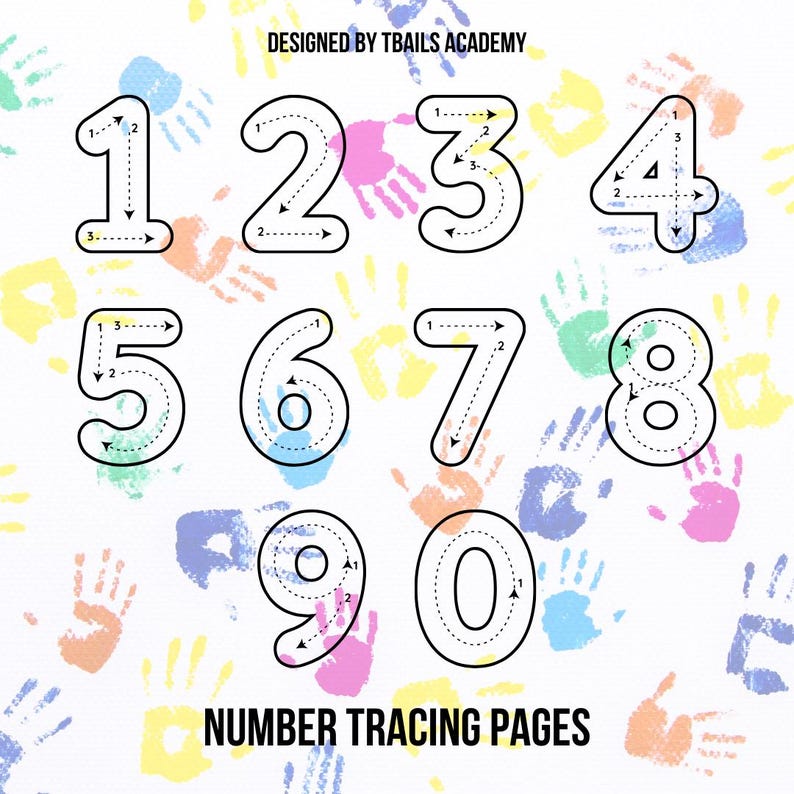
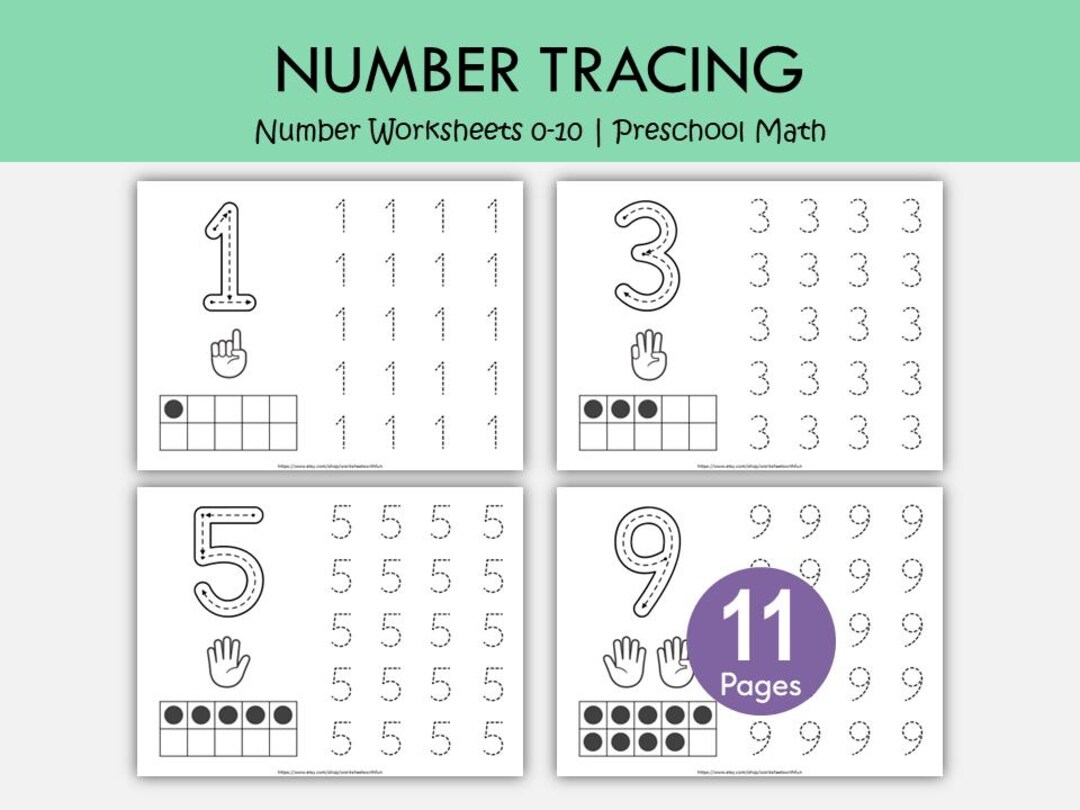
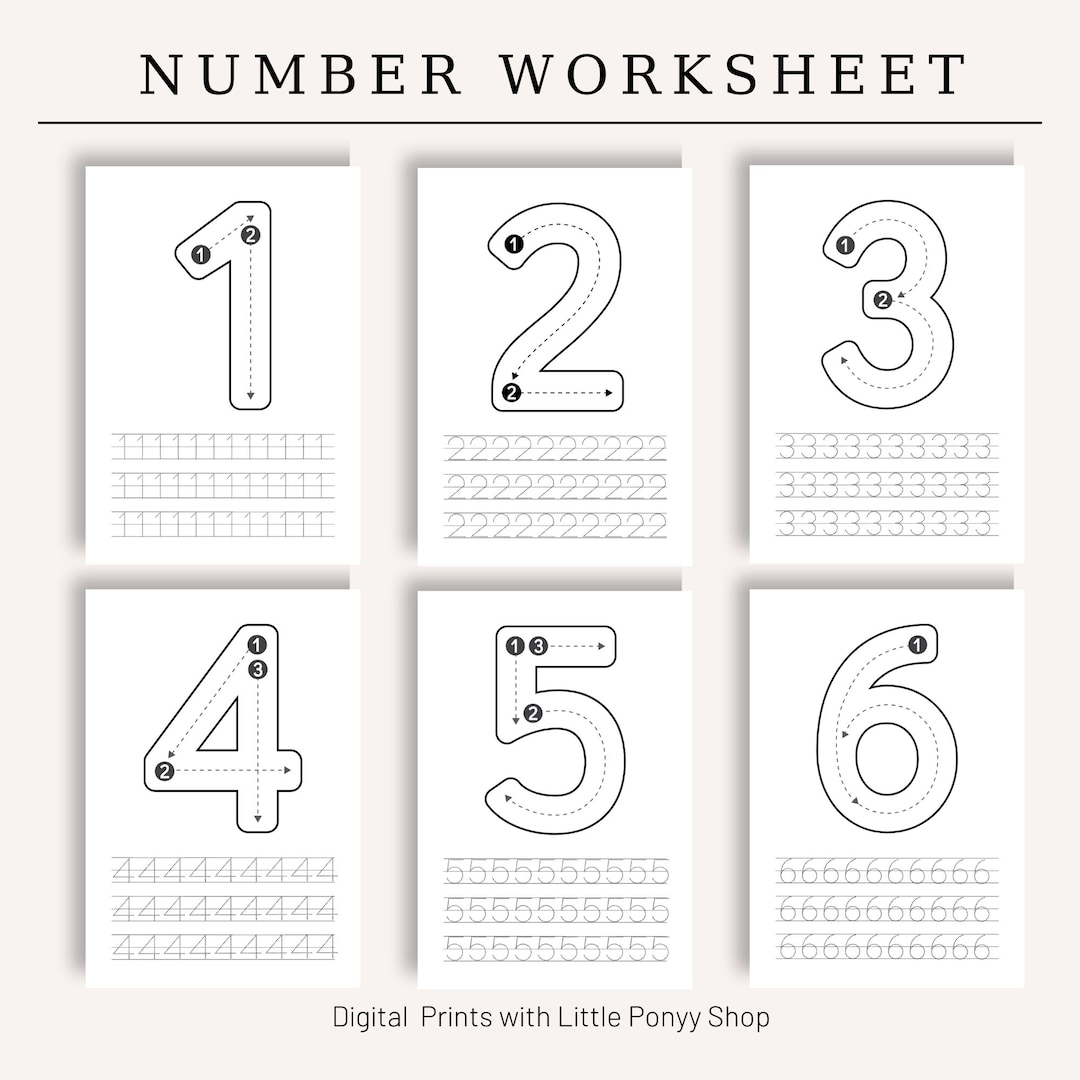
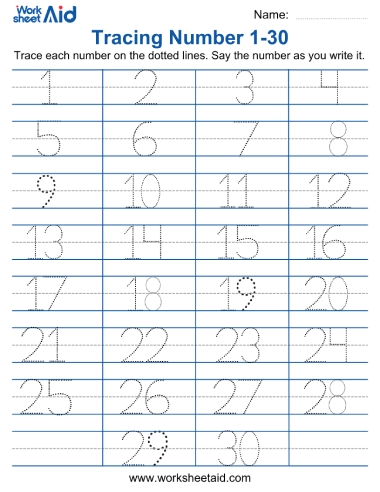
This specialized worksheet focuses entirely on numeral formation, stroke order, and spatial orientation for digits zero through nine. Each number features explicit starting points and directional arrows to guide the hand naturally across the page. The design minimizes visual clutter, allowing children to focus exclusively on the tactile feedback of the pencil moving along the dotted path. Such systematic repetition helps transition formation from a conscious, halting effort into an automatic muscle memory pattern. Furthermore, practicing these foundational numbers supports broader mathematical fluency by connecting the physical symbol to actual quantities.
Key Learning Outcomes
Young learners master correct stroke directionality, reducing the common habit of drawing numbers from the bottom up. Hand-eye coordination improves significantly as little fingers learn to decelerate and accelerate around tight curves and sharp angles. Spatial awareness also expands as children navigate within defined boundaries, learning to control the stopping and starting of each line. Additionally, users build essential pencil pressure regulation, moving away from overly heavy grips or faint, wispy marks toward consistent, confident line quality.
How to Use This Worksheet
Preparation involves more than just handing over a sheet of paper and a writing utensil. Setting up an ergonomic workspace with a properly sized chair and table ensures the child’s feet rest flat, providing core stability necessary for distal hand control. Adults should observe how the child approaches the initial numeral, watching for signs of early fatigue or improper finger positioning. Here’s what makes this worksheet different: it allows for multimodal engagement, meaning children can trace the digits with their index fingers or textured manipulatives before ever touching a writing tool. Once pencil time begins, short, joyful sessions work far better than long, exhausting drills that lead to hand cramping.
Practical Tips for Parents and Teachers
Adults play a vital role by actively modeling the correct starting point and verbalizing the stroke path, such as saying “around and back down” for the number two. Scaffolding the experience involves gently guiding the child’s hand through the first few tricky curves before stepping back to allow independent execution. Offering broken crayons, golf pencils, or short markers naturally encourages an efficient tripod or quadrupod grasp by discouraging full-fist wrapping. Extending the activity might involve squishing playdough into the shape of the numeral or tracing numbers hidden in a tray of sand, reinforcing the tactile memory before returning to the paper.
Age-Appropriate Recommendations
For children ages two through four, the focus centers on gross motor preparation, large arm movements, and sensory exploration of numeral shapes, aligning closely with NAEYC Developmentally Appropriate Practice guidelines. At this stage, expecting precise pencil control is counterproductive, so finger-tracing and large-scale wall tracing work best. For children ages five through eight, the expectations shift toward formal handwriting instruction, proper line placement, and consistent sizing as outlined in Handwriting Without Tears methodologies. Older children benefit from refining their pacing and reducing reliance on visual prompts, ultimately achieving fluid numeral production that supports daily math assignments.
According to the American Occupational Therapy Association, fine motor control in early childhood relies heavily on proximal shoulder and core stability before distal finger dexterity can fully develop. — AOTA Practice Framework
Frequently Asked Questions
Clear guidance helps caregivers maximize the benefits of these printable resources while avoiding common developmental pitfalls. The answers below address the most frequent questions regarding printing, skill development, and expert recommendations.
Research highlighted by Reading Rockets indicates that systematic explicit instruction in letter and number formation significantly reduces writing fatigue and improves overall literacy confidence. — Reading Rockets
Explore More Free Printable Tracing Worksheets
Expanding a child’s pencil control journey requires a diverse selection of materials that target different mechanical challenges throughout the school year. Exploring options like Alphabet And Numbers Tracing builds dual literacy and numeracy foundations in one unified setting. For younger children who need extra pre-writing practice, incorporating resources from Fine Motor and Pre-Writing Skills helps strengthen hand muscles before tackling complex digits. Educators and parents seeking seasonal engagement can also discover fresh ideas within Seasonal and Fun Themes to maintain high motivation levels. Every supportive resource needed for a well-rounded handwriting curriculum is readily available across the complete library at KidTraces.com.
Developmental Milestone & Activity Table
| Development Stage | Recommended Daily Duration | Primary Learning Objective |
|---|---|---|
| Preschool & Pre-K | 10 – 15 Minutes | Pencil grip development & basic pre-stroke lines |
| Kindergarten | 15 – 20 Minutes | Letter/number formation & spatial line awareness |
| Early Elementary (Grade 1–2) | 20 – 30 Minutes | Fluency, sentence construction & neatness |
Images References