Introduction
Many children recognize numerals long before their developing fine motor strength and dexterity allow them to form those numbers accurately on a page. According to the American Occupational Therapy Association, foundational hand strength and pencil control are essential precursors to mastering academic handwriting tasks. Watching a young child squeeze a crayon with a closed fist while trying to copy a digit reveals the profound gap between cognitive understanding and physical capability. This precise developmental crossroads is where guided tracing tools provide indispensable support. By bridging the gap between visual recognition and motor execution, structured number formation pages give learners a low-pressure pathway to physical mastery. Providing targeted numeral practice helps transform abstract mathematical symbols into fluid, automatic physical movements that feel natural and accessible to young hands.
💡 Technical Key Takeaways:
- Core Focus: Diagnostic schematic and terminal connection layout for Learn To Write Numbers 1-10.
- Target Scope: Field technicians, automotive DIYers, and residential/commercial electricians.
- Safety Rule: Always disconnect the primary power source/battery terminal and verify zero voltage with a multimeter before touching wires.
What This Worksheet Covers
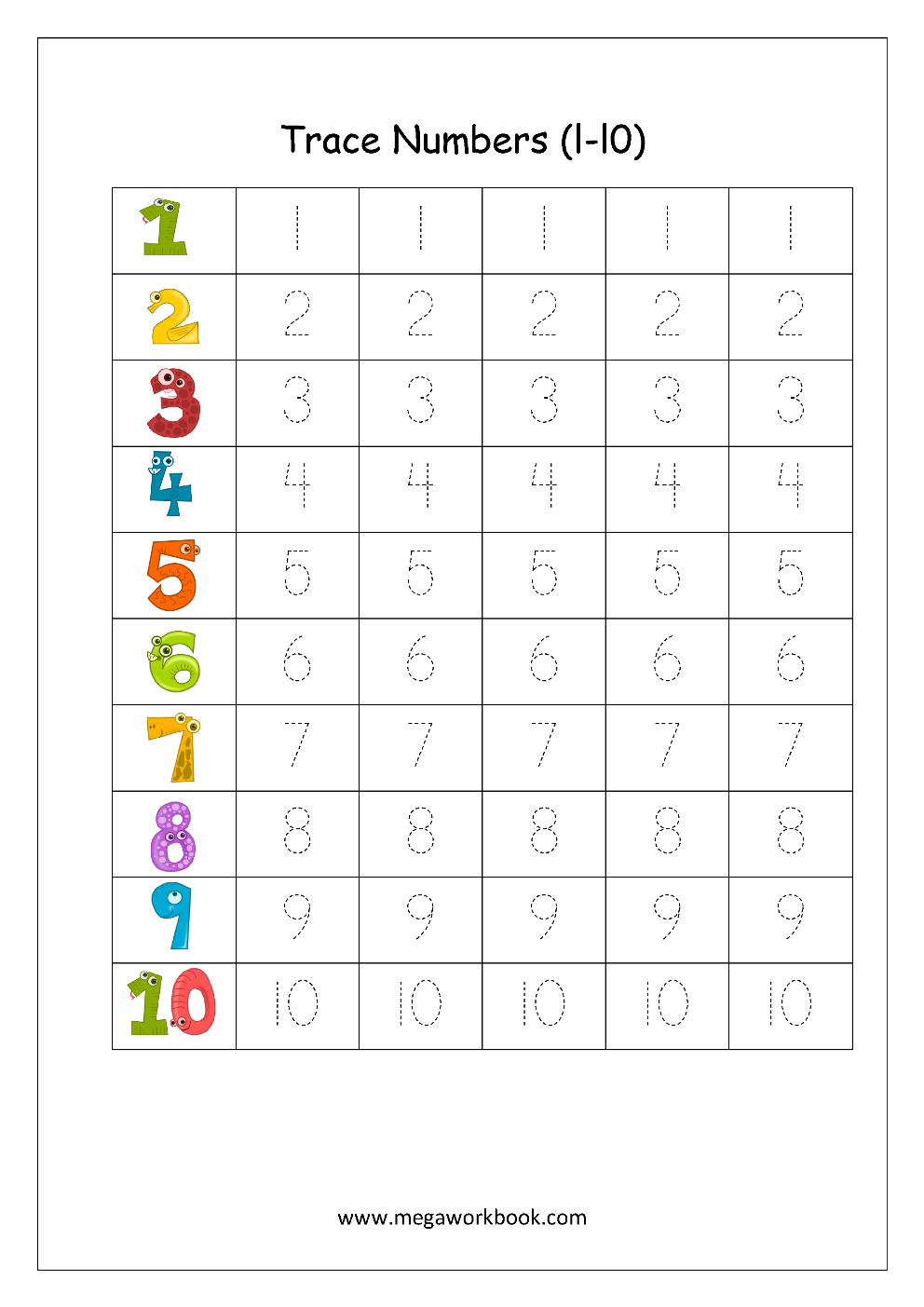
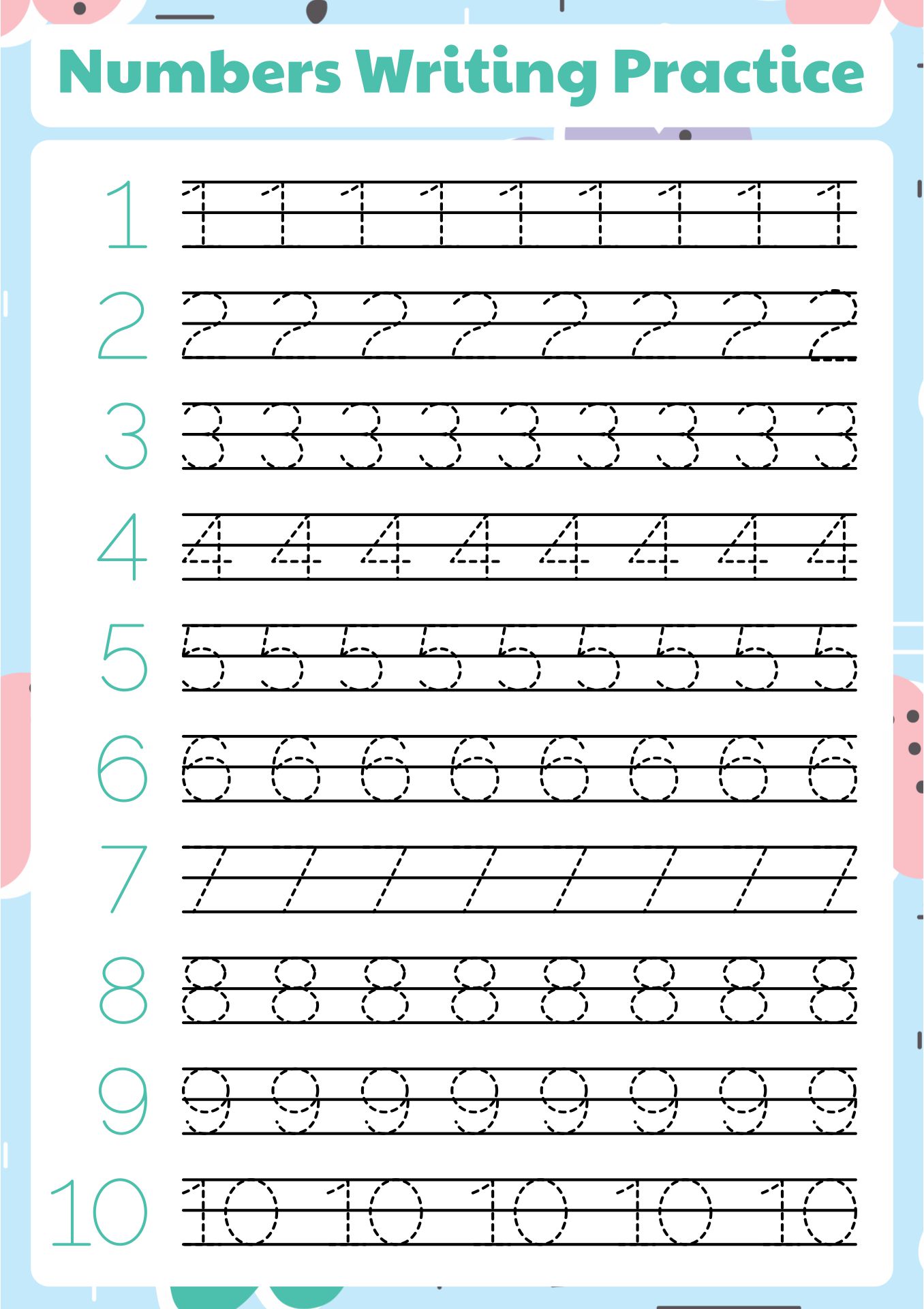
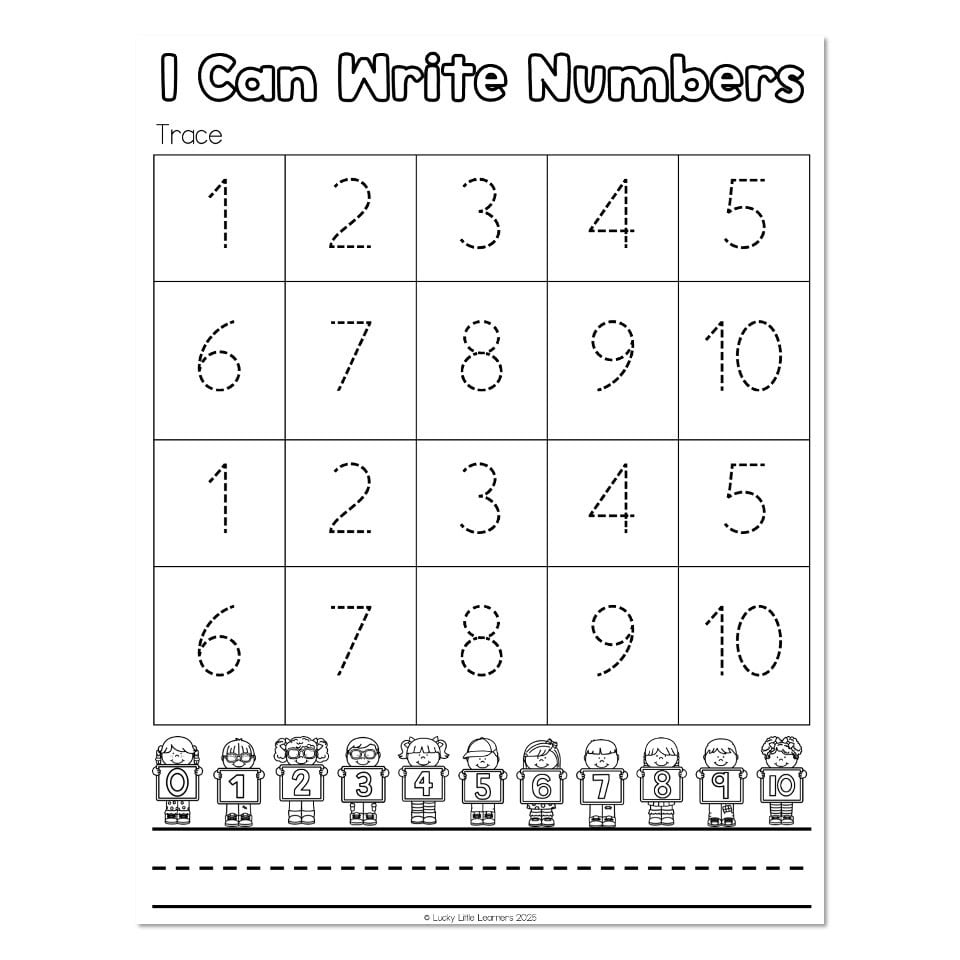
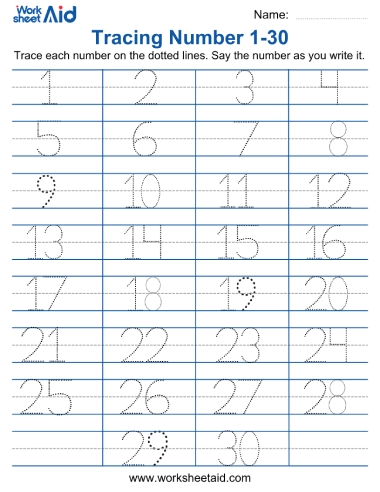
The free printable learn to write numbers 1-10 resource focuses explicitly on numeral formation, correct stroke order, and proportional sizing across digits one through ten. It sounds simple, and that’s the point. Each page features bold starting dots, directional arrows, and spacious dotted lines designed to guide the hand through every single curve, loop, and straight line. These visual cues teach children where a stroke begins and where it should end, which prevents the formation of inefficient writing habits later on. Furthermore, the layout deliberately avoids visual clutter, keeping the focus entirely on pencil control, line awareness, and spatial orientation on the sheet. Through repeated exposure to these structured templates, learners gain confidence in controlling a writing instrument while internalizing the physical geometry of each numerical symbol. For more related activities, check out our Traceable Numbers Printable 1-20.
Key Learning Outcomes
Working through these pages cultivates precise motor control, directional consistency, and numeral recognition simultaneously. Children learn to coordinate visual inputs with hand movements, ensuring that pencils follow designated pathways rather than drifting across the paper. According to the National Association for the Education of Young Children, purposeful motor activities during early childhood support the neurological wiring necessary for lifelong literacy and numeracy skills. As learners repeat each stroke, muscle memory develops within the small intrinsic muscles of the hand. This repetition reinforces correct stroke sequences, such as starting the number two with a curved top or forming a five with a straight top bar followed by a vertical drop and loop. Ultimately, these outcomes lay a sturdy foundation for more complex mathematical recording and daily writing tasks.
How to Use This Worksheet
Success with numeral practice relies heavily on environment, timing, and positive encouragement rather than rigid drill-and-skill sessions. Setting up a comfortable workspace with an appropriately sized chair and table ensures that the child’s feet rest flat and elbows bend at a comfortable ninety-degree angle. It helps to introduce just one or two numbers at a time, allowing the hand to build familiarity without experiencing fatigue or frustration. Adults can demonstrate the formation process on a separate paper first, verbalizing the directional cues like “start at the top dot, curve down, and slide right.” When learners observe a slow, deliberate demonstration, they internalize the rhythm of the stroke far more effectively than through verbal instruction alone. Keeping sessions brief, positive, and playful ensures that enthusiasm remains high.
Practical Tips for Parents and Teachers
Scaffolding support effectively means stepping in when frustration mounts while gradually withdrawing assistance as independence grows. If a child struggles with pencil grip, switching to shorter tools like broken crayons or golf pencils naturally encourages an efficient tripod grasp by limiting the space available for a fist grip. When practicing with the Tracing Number selection, try introducing tactile elements by letting learners trace the large numbers with a finger dipped in paint or salt before touching a pencil to paper. Observe how the hand reacts under pressure; if fingers turn white or the wrist bends awkwardly, pause the writing session and introduce hand-strengthening games like squeezing clay or stringing beads. Celebrating small victories, such as a well-formed number seven or a steady vertical line in the number one, reinforces confidence and perseverance.
Age-Appropriate Expectations
Developmental readiness dictates how children interact with writing tools at different stages of early childhood. According to the CDC developmental milestones, children aged two to three typically explore mark-making with whole-arm movements and palmar grasps, making large-scale vertical surface tracing ideal for this group. By ages four to five, children enter a phase where refined finger dexterity allows for a functional tripod grasp, making structured numeral tracing sheets appropriate for refining pencil control. Educators working within the Handwriting Without Tears framework recognize that teaching numbers in developmental groups based on similar starting strokes—such as magic c numbers or frog jump capitals and digits—significantly reduces reversal errors. Tailoring expectations to match these biological readiness markers ensures that practice remains an encouraging, developmentally appropriate experience.
Purposeful fine motor practice and structured tracing activities build the hand strength and neural pathways required for effortless academic writing. — American Occupational Therapy Association
Frequently Asked Questions
Q: How do I download and print these number tracing worksheets?
A: Simply click the download link on the resource page to save the PDF file to your device, then print it using standard letter-sized paper at home or school.
Q: How does tracing support fine motor and pre-writing skill development?
A: Tracing strengthens the small muscles in the hands and fingers while teaching visual-motor integration, pencil control, and steady line navigation.
Q: What does the American Occupational Therapy Association say about writing readiness?
A: The American Occupational Therapy Association emphasizes that hand strength, postural stability, and tactile processing must develop before children can master fluent handwriting.
Explore More Free Printable Tracing Worksheets
Expanding a child’s pencil control journey involves exploring diverse strokes, shapes, and thematic templates that keep engagement high. For targeted practice beyond numerals, browse through the Shape and Line Tracing collection to build foundational pre-writing control. Discover more ways to support early hand dexterity by visiting the Fine Motor and Pre-Writing Skills section. Explore the full library of educational resources available at KidTraces.com to support every stage of early childhood development.
Quick Wiring Specifications & Terminal Guide
| Component / Circuit | Standard Wire Gauge | Recommended Protection |
|---|---|---|
| Control & Trigger Signals | 18 – 20 AWG | 5A – 7.5A Inline Fuse |
| Standard Auxiliary Load | 14 – 16 AWG | 15A – 20A Circuit Breaker |
| Main Power Feed / Supply | 10 – 12 AWG | 30A – 40A Heavy-Duty Relay |
Images References