Introduction
Many children recognize numerals and recite counting sequences long before their hands possess the intrinsic muscle strength required to form those same digits on paper. According to the American Occupational Therapy Association, foundational fine motor control and bilateral hand coordination are essential prerequisites for functional handwriting and numeral formation. Bridging this gap between cognitive readiness and physical execution requires intentional, scaffolded practice materials. The free tracing numbers 1 20″,3″,0″,0%”,15.333333333333334″” resource offers a structured pathway to connect visual numeral recognition with tactile pen control, transforming abstract mathematical symbols into fluid, automatic physical movements.
💡 Educational Key Takeaways:
- Core Skill: Structured Free Tracing Numbers 1 20″,3″,0″,0%”,15.333333333333334″ focused on developing pencil grip, stroke control, and early literacy/math confidence.
- Target Scope: Suited for homeschoolers, preschool, kindergarten, and elementary learners.
- Best Recommendation: Practice 10–15 minutes daily with ergonomic writing tools to reinforce muscle memory without hand fatigue.
What This Worksheet Covers
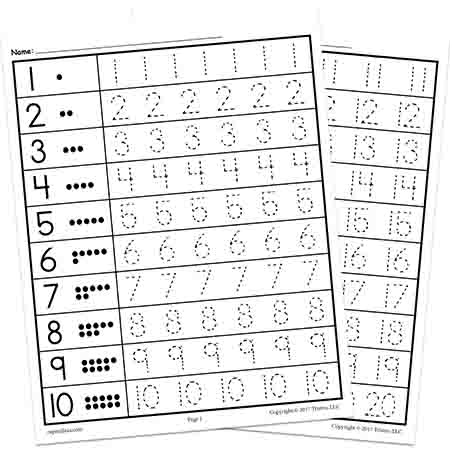
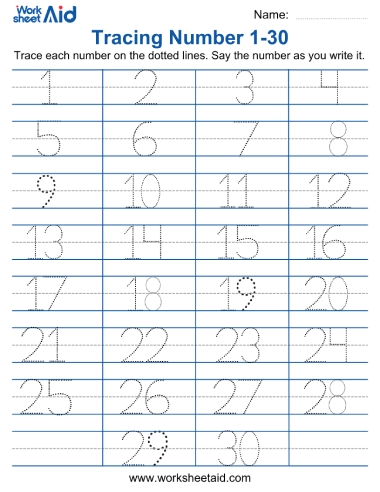
Mastering numerical symbols requires more than simply connecting dots from top to bottom. It demands an understanding of spatial orientation, continuous stroke directionality, and proportional sizing. This specific print resource systematically guides learners through the complete counting sequence from one to twenty, utilizing clear visual cues, distinct starting points, and directional arrows to eliminate guesswork. Children transition from large, bold starter models to independent tracing paths, building confidence and muscle memory step by step. Exploring these structured numbers bridges directly into broader numerical fluency, complementing daily math routines and early numeracy interventions found within Tracing Number resources.
Key Learning Outcomes
Working through these sequenced exercises fosters several crucial developmental milestones. Learners internalize proper stroke order, preventing the formation of awkward, inefficient habits that slow down later writing speed. Proportional awareness improves significantly as children learn to fit digits neatly within defined writing boundaries rather than letting numbers float randomly across the page. Additionally, visual-motor integration is strengthened because the eyes must guide the hand continuously along curved and straight paths. This careful repetition also supports cognitive retention, cementing the association between the written numeral symbol, its spoken name, and its corresponding quantitative value.
How to Use This Worksheet
Maximizing the effectiveness of this resource involves more than simply handing a child a pencil and a printed page. Adults should introduce each digit by air-writing the shape together first, engaging gross motor memory before expecting fine motor precision. Positioning the paper correctly on a flat surface—slightly slanted to match the natural angle of the child’s forearm—prevents awkward wrist straining. It sounds simple, and that’s the point: a supportive physical setup dramatically alters hand stamina and grip quality. When learners encounter trickier digits like threes, fives, or eights, pausing to reset and review directional arrows keeps frustration low and engagement high, establishing patterns further supported by targeted Fine Motor and Pre-Writing Skills strategies.
Practical Tips for Parents and Teachers
Scaffolding the experience ensures every child experiences early success without undue fatigue. Adults should model correct pencil grasp explicitly, emphasizing an open web space and relaxed fingers rather than a tight, fist-like grip that causes hand cramping within minutes. Breaking the worksheet into manageable chunks—such as tracing just numbers one through five during a single sitting—prevents cognitive overload and protects delicate hand muscles from overuse. According to the National Association for the Education of Young Children, young learners thrive when practice sessions are brief, playful, and directly connected to meaningful, hands-on counting games. Furthermore, offering alternative writing tools like short crayons, scented markers, or even chalk on vertical surfaces can instantly revitalize low-energy learners.
Age-Appropriate Expectations
Developmental readiness spans a wide spectrum across early childhood. According to CDC developmental milestones, children around age four typically begin attempting to imitate simple pre-writing strokes and may recognize a few familiar numerals, while five- and six-year-olds are generally ready to refine controlled, letter-like and numeral formations within structured lines. Aligning with Kindergarten expectations outlined in Common Core ELA standard CCSS.MATH.CONTENT.K.CC.A.3, children learn to write numbers from zero to twenty to represent a number of objects. Toddlers and young preschoolers should focus primarily on large-scale sensory tracing, whereas older kindergarteners and early elementary students can refine pencil pressure, proportional sizing, and independent line control using standard print materials.
Foundational fine motor control and bilateral hand coordination are essential prerequisites for functional handwriting and numeral formation. — American Occupational Therapy Association
Frequently Asked Questions
Explore More Free Printable Tracing Worksheets
Providing children with a rich variety of guided practice materials ensures continued growth across every domain of early literacy and numeracy. Beyond numerical sequences, exploring foundational Shape and Line Tracing pages helps strengthen hand control through fun, engaging visual patterns. Educators and families looking for comprehensive skill-building tools can discover an extensive library designed for every stage of development by visiting KidTraces.com today.
Developmental Milestone & Activity Table
| Development Stage | Recommended Daily Duration | Primary Learning Objective |
|---|---|---|
| Preschool & Pre-K | 10 – 15 Minutes | Pencil grip development & basic pre-stroke lines |
| Kindergarten | 15 – 20 Minutes | Letter/number formation & spatial line awareness |
| Early Elementary (Grade 1–2) | 20 – 30 Minutes | Fluency, sentence construction & neatness |
Images References