Introduction
Many young children recognize letters and numbers long before their fine motor control allows them to successfully form those symbols on paper. According to the National Association for the Education of Young Children, early writing development relies heavily on meaningful play, sensory exploration, and gradually refining hand-eye coordination through purposeful practice. Bridging the gap between cognitive recognition and physical execution requires gentle, structured guidance. Utilizing a letter and number tracing free resource offers children a supportive pathway to master stroke order, directionality, and spatial awareness without the pressure of a blank page. Every curved line and straight vertical stroke lays the groundwork for future academic confidence and legible handwriting. Explore more in our Tracing Number collection.
💡 Educational Key Takeaways:
- Core Skill: Structured Letter And Number Tracing Free focused on developing pencil grip, stroke control, and early literacy/math confidence.
- Target Scope: Suited for homeschoolers, preschool, kindergarten, and elementary learners.
- Best Recommendation: Practice 10–15 minutes daily with ergonomic writing tools to reinforce muscle memory without hand fatigue.
What This Worksheet Covers
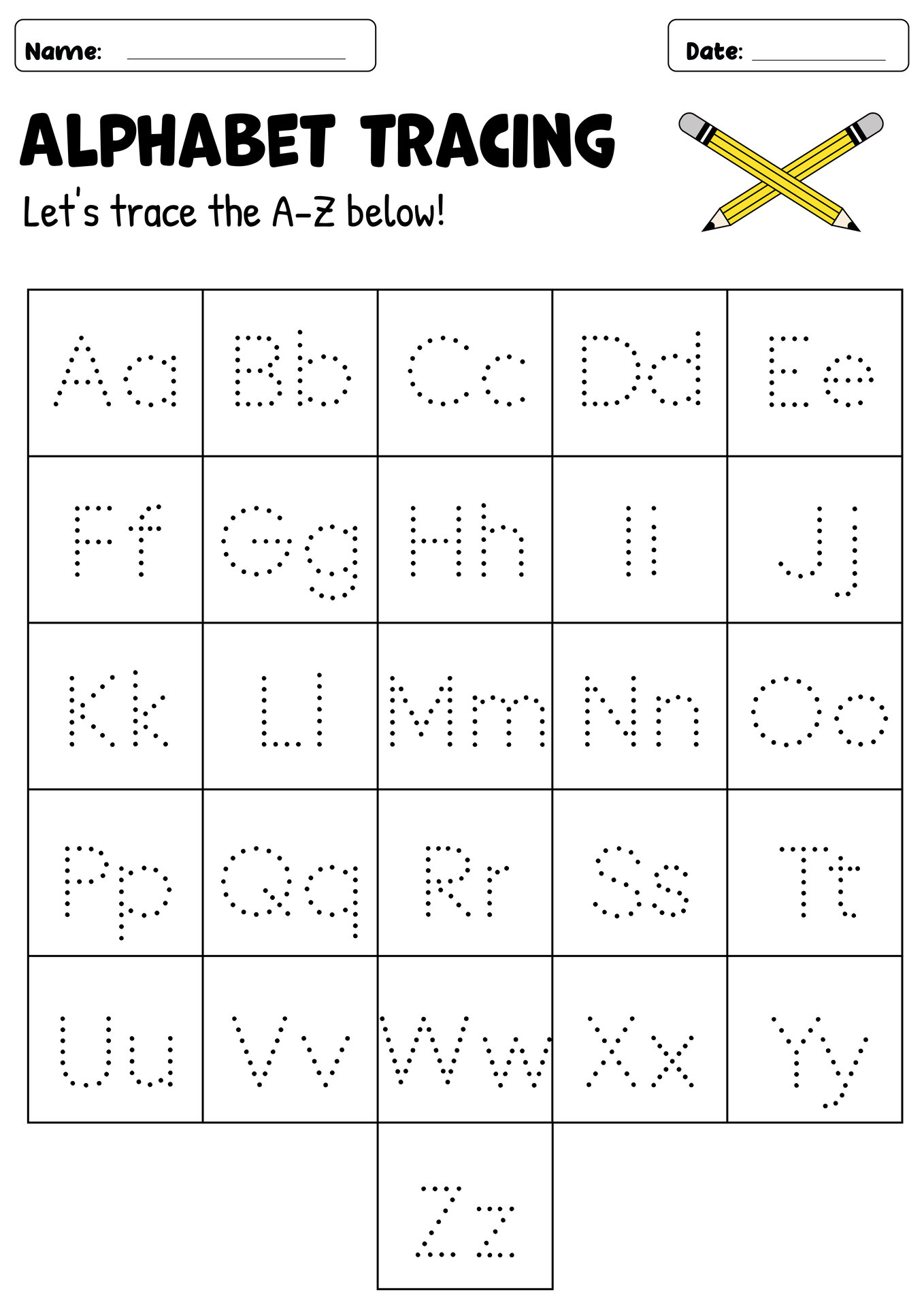
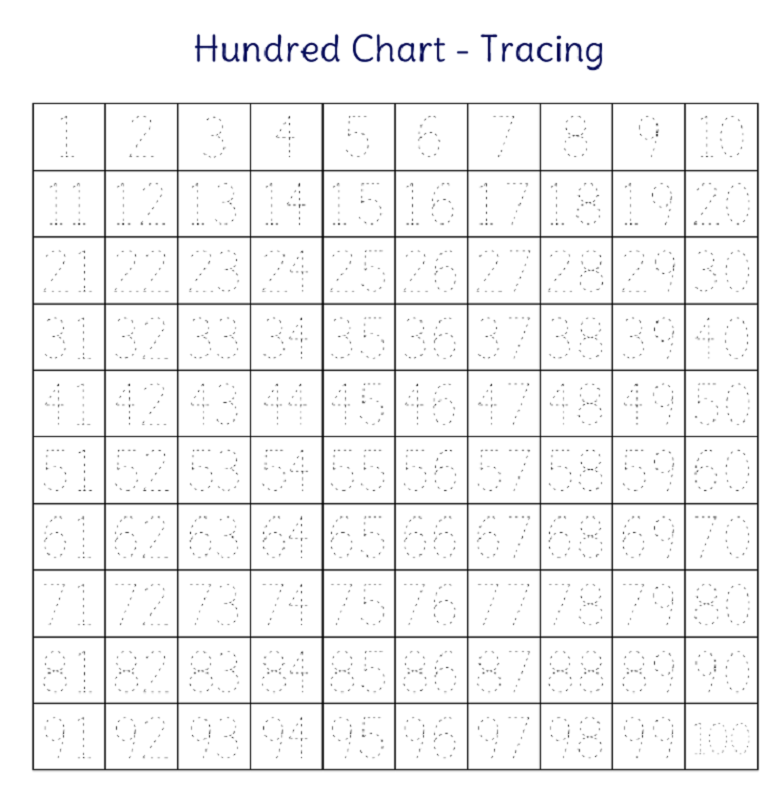
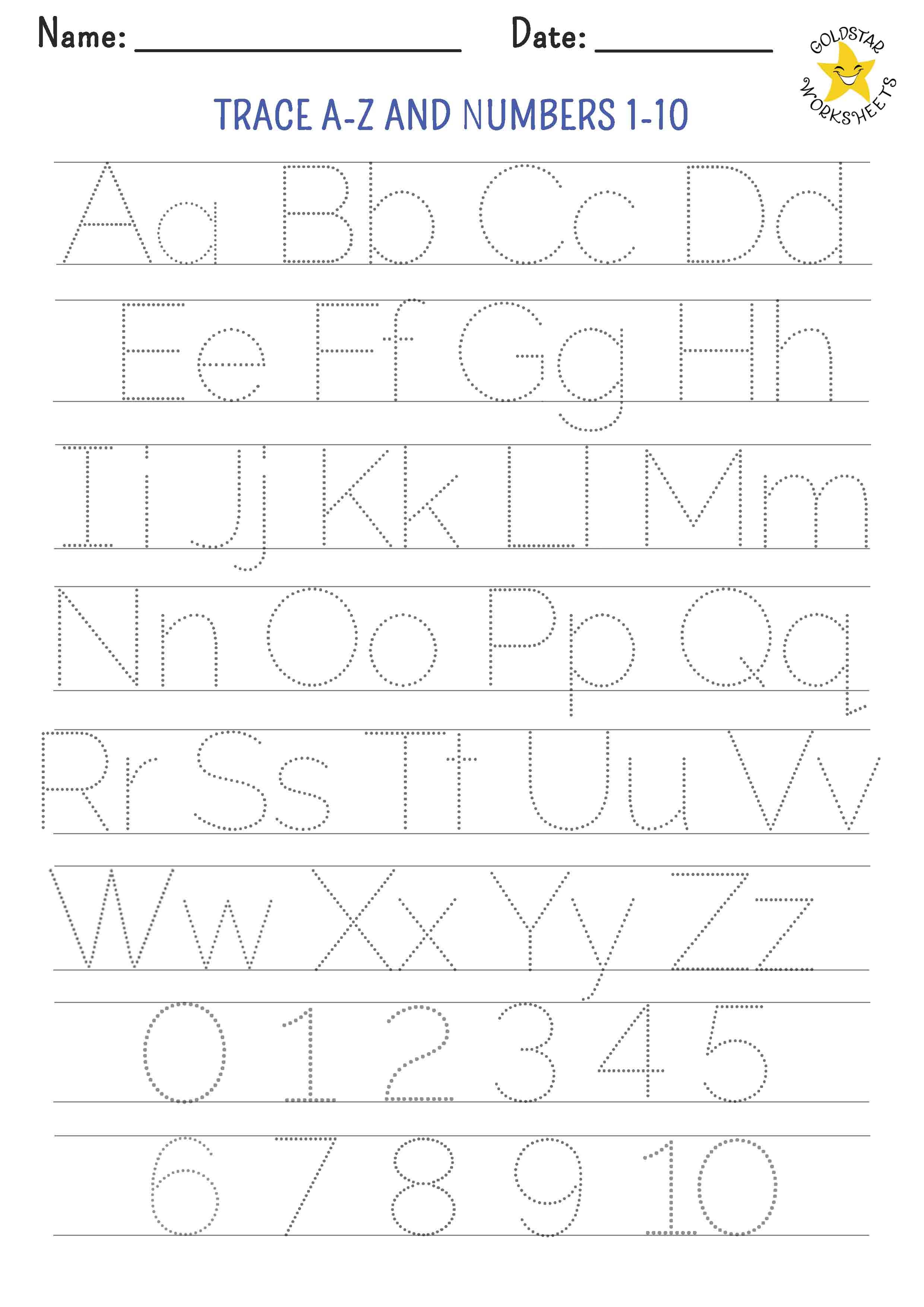
Mastering the alphabet and numerical symbols demands careful attention to spatial orientation, starting points, and sequential strokes. This specialized material focuses directly on letter and numeral formation, stroke order, and proportional sizing to help young learners build muscle memory. Rather than simply copying shapes, children engage with guided pathways that teach the correct physical choreography required for each character. Occupational therapy observations consistently show that establishing proper stroke habits early prevents the formation of awkward grips and inefficient writing patterns down the road. Furthermore, practicing within designated boundaries fosters visual-motor integration, ensuring that letters sit correctly on a baseline and maintain consistent spacing. For more related activities, check out our Traceable Numbers 1 100 Printable.
Key Learning Outcomes
Targeted tracing exercises build foundational skills that extend far beyond simple penmanship. Children enhance their bilateral coordination by stabilizing the paper with one hand while manipulating the writing tool with the other. Visual scanning skills improve as eyes track left-to-right across the page, mirroring the necessary visual habits for reading fluency. Fine motor precision sharpens as tiny hand muscles regulate pressure against the paper, balancing the need for firm control with fluid movement. Additionally, consistent practice with stroke sequences reinforces cognitive retention, helping learners connect the visual symbol of a letter or number with its physical creation in the hand.
How to Use This Worksheet
Successful implementation begins long before the pencil touches the paper. Preparing the environment involves ensuring proper seating ergonomics, where feet rest flat on the floor and the table sits at elbow height to encourage optimal wrist extension. Adults should demonstrate the correct starting point for each stroke, using descriptive language like starting at the top sky line and pulling straight down. Encouraging multisensory approaches—such as tracing the dotted lines with a finger, a textured cord, or a damp cotton swab before using a writing utensil—deepens neurological pathways. Patience and short, frequent practice sessions yield far better results than long, exhausting blocks of repetitive writing.
Practical Tips for Parents and Teachers
Supporting a developing writer requires careful observation and gentle intervention. Adults should actively model an efficient tripod grasp while avoiding micromanagement, allowing children to develop natural hand strength through play-dough manipulation and vertical surface drawing. Scaffolding the activity by physically guiding a hand through the first few strokes helps establish the correct movement pattern before independent practice begins. When fatigue sets in, shaking out the hands or taking a movement break protects against hand cramping and frustration. According to the American Occupational Therapy Association, building foundational upper body stability through crawling, climbing, and core games directly improves distal finger control for writing tasks.
Age-Appropriate Recommendations
Developmental readiness dictates how children interact with early writing materials. Aligning with the National Association for the Education of Young Children Developmentally Appropriate Practice guidelines, toddlers and preschoolers between ages two and four benefit most from large, gross-motor tracing movements, thick crayons, and simple vertical lines that emphasize sensory engagement and basic line control. As children mature into the five-to-eight age bracket, expectations shift toward refined pencil control, proper letter proportions, and independent adherence to stroke sequences outlined in foundational curricula like Handwriting Without Tears. Meeting children at their exact developmental stage ensures that tracing remains an empowering experience rather than a frustrating chore.
Early writing development relies on fine motor strength, visual-motor integration, and purposeful practice that bridges cognitive letter recognition with physical execution. — National Association for the Education of Young Children (NAEYC)
Frequently Asked Questions
Clear guidance helps caregivers maximize the benefits of educational printables at home and inside the classroom.
Explore More Free Printable Tracing Worksheets
Expanding a child’s writing toolkit involves exploring diverse stroke patterns, shapes, and thematic exercises that maintain high engagement. Discover additional resources across the entire library at KidTraces.com to support every stage of development. For targeted practice, browse through specialized collections including Alphabet And Numbers Tracing, gentle Dotted Letters For Tracing, foundational Fine Motor and Pre-Writing Skills, and creative Shape and Line Tracing activities designed to make learning joyful and effective.
Developmental Milestone & Activity Table
| Development Stage | Recommended Daily Duration | Primary Learning Objective |
|---|---|---|
| Preschool & Pre-K | 10 – 15 Minutes | Pencil grip development & basic pre-stroke lines |
| Kindergarten | 15 – 20 Minutes | Letter/number formation & spatial line awareness |
| Early Elementary (Grade 1–2) | 20 – 30 Minutes | Fluency, sentence construction & neatness |
Images References