Introduction
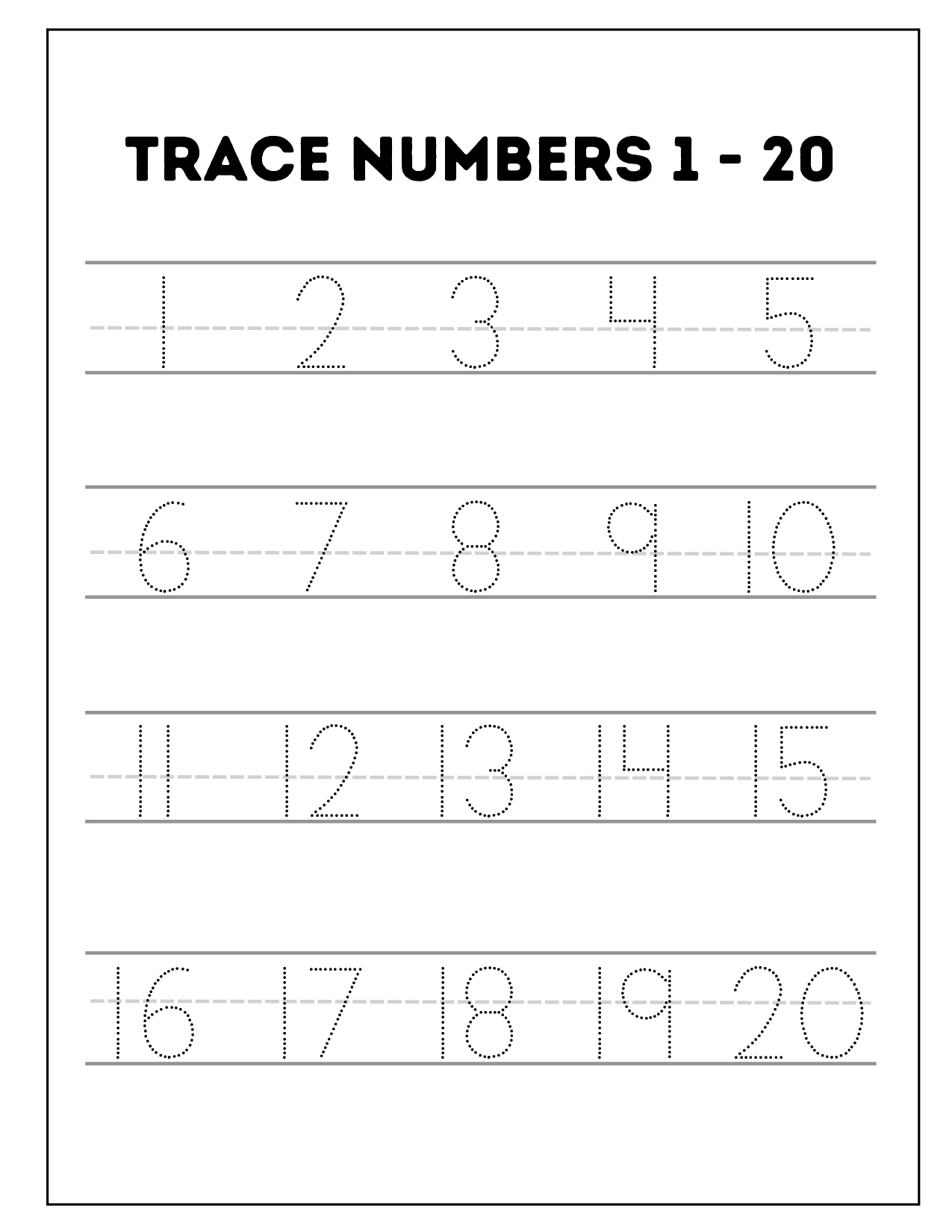
Watch any group of young children attempting to record their first numbers, and a familiar pattern emerges. Many children recognize numerals long before their hand muscles possess the endurance or dexterity to form them on paper. According to the American Occupational Therapy Association, foundational fine motor tasks are critical precursors to functional academic performance and pencil control. Bridging this gap requires structured practice that respects both cognitive readiness and physical development. The number tracing 1-15 printable provides an intentional bridge, translating visual recognition into precise muscular memory through guided stroke sequencing.
💡 Educational Key Takeaways:
- Core Skill: Structured Number Tracing 1-15 focused on developing pencil grip, stroke control, and early literacy/math confidence.
- Target Scope: Suited for homeschoolers, preschool, kindergarten, and elementary learners.
- Best Recommendation: Practice 10–15 minutes daily with ergonomic writing tools to reinforce muscle memory without hand fatigue.
What This Worksheet Covers
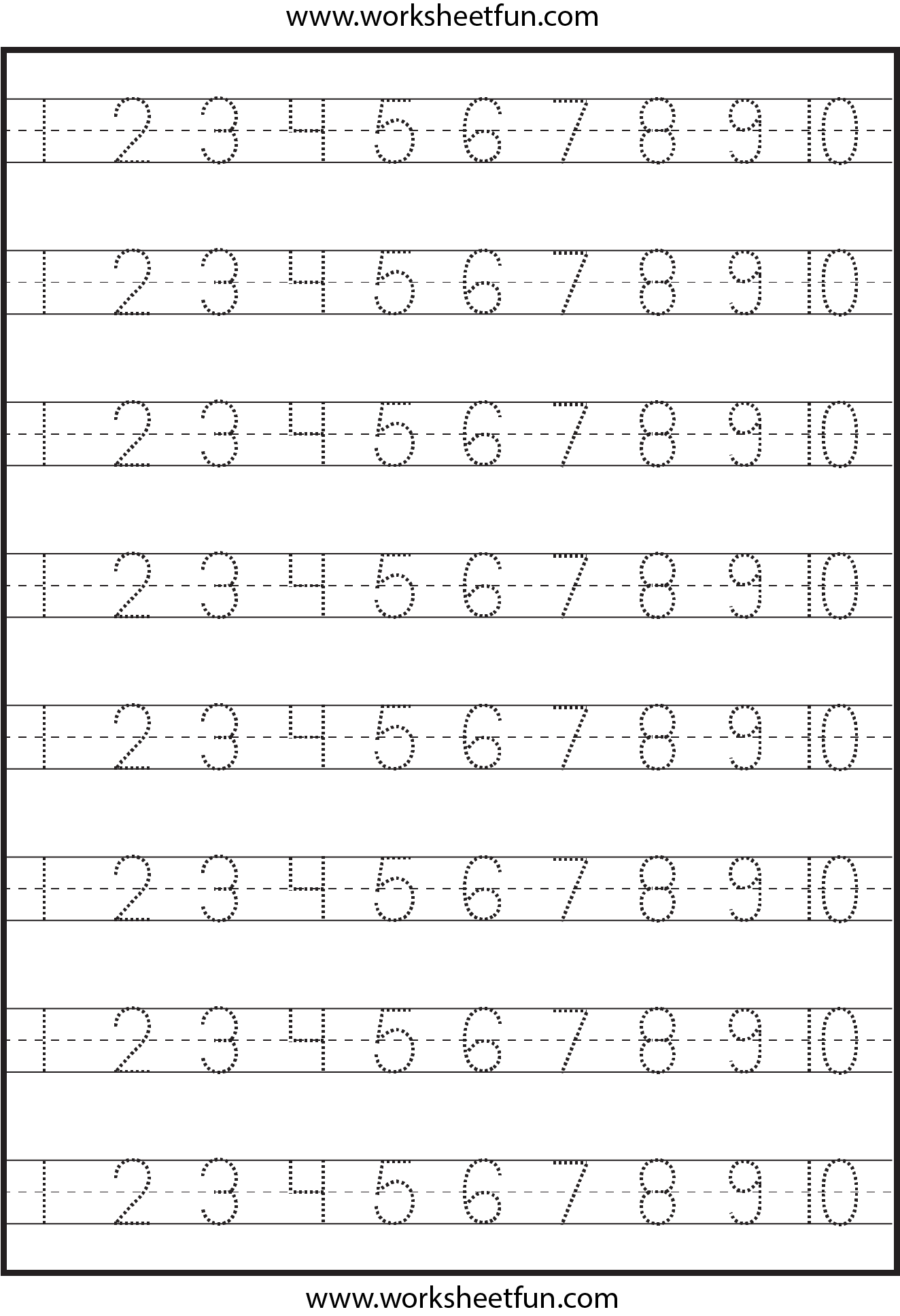
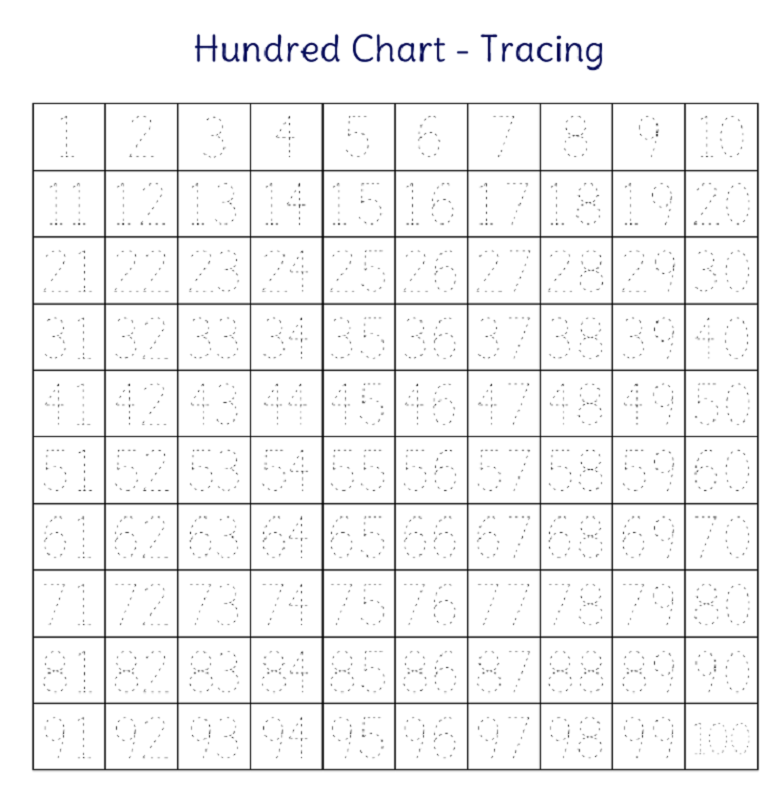
This specific printable targets the foundational numerals from one to fifteen, offering a progressive sequence that moves children from simple vertical lines to complex curved loops. Each numeral is presented with clear visual cues that teach proper directionality, ensuring that habits like starting a number from the bottom are corrected early. Children encounter a mix of isolated digits, dotted tracing lines, and independent writing boxes that gradually fade reliance on visual prompts. Beyond simple counting, the layout demands sustained visual-motor integration, teaching small hands to stop, turn, and cross over lines with deliberate control. These sheets belong within a broader approach to Tracing Number mastery, where repetition builds confidence.
Key Learning Outcomes
Working through these numerical pages fosters several crucial developmental milestones simultaneously. First, children internalize correct stroke order, which prevents hand fatigue and boosts writing speed later in elementary school. Second, spatial awareness improves as learners navigate the boundaries of writing lines, learning to size digits consistently within a given space. Third, numeral formation stability develops, reducing reversals like backward threes and mirrored fives that are common in early childhood. Finally, hand-eye coordination strengthens significantly as the dominant hand coordinates with visual feedback to keep the pencil tip precisely on the dotted paths found within the Tracing Worksheets collection.
How to Use This Worksheet
Success with handwriting tasks depends heavily on the physical setup before the pencil touches the page. Adults should ensure that the seating arrangement allows the child’s feet to rest flat on the floor, with hips, knees, and ankles at ninety-degree angles. Slant boards or slightly angled clipboards can also encourage an optimal wrist extension, placing less strain on the tiny muscles of the hand. Encourage children to trace the first few examples slowly using an index finger before picking up a writing utensil. This multisensory warm-up activates the neural pathways responsible for motor planning, making the transition to pencil and paper far more successful.
Practical Tips for Parents and Teachers
Guiding young learners through tracing exercises requires a balanced approach of active scaffolding and gentle correction. Adults should model the correct pencil grip explicitly, using short broken crayons or ergonomic pencils to encourage a natural three-finger grasp. When a child struggles with a specific numeral like an eight or a five, hand-over-hand assistance can help them feel the correct rhythm of the curves before expecting independent execution. It sounds simple, and that’s the point, but breaking a single worksheet into smaller, five-minute sessions prevents physical fatigue and meltdown moments. Celebrate small victories, such as a well-formed loop or staying on the dots, to keep intrinsic motivation high while exploring Shape and Line Tracing activities on the side.
Age-Appropriate Expectations
Developmental expectations must shift according to the age and physical maturity of the learner. According to the National Association for the Education of Young Children guidelines on developmentally appropriate practice, children aged two to four typically engage in pre-writing strokes, vertical lines, and crude imitation, making unstructured exploration and thick writing tools ideal. By ages five to eight, as children align with formal educational benchmarks such as Common Core ELA standard CCSS.ELA-LITERACY.L.K.1.A, expectations progress toward printing upper- and lowercase letters and numerals legibly with proper spacing and directional control. Recognizing these distinct developmental phases ensures that adults never push children past their current neuromuscular capacities, keeping the learning experience positive and empowering.
Foundational fine motor tasks are critical precursors to functional academic performance and pencil control. — American Occupational Therapy Association
Frequently Asked Questions
Navigating early writing resources is easier when common questions are answered directly and concisely. The following section addresses the most frequent inquiries regarding printing, motor development, and educational standards.
Explore More Free Printable Tracing Worksheets
Supporting a young writer requires a rich variety of engaging materials that keep practice fresh and exciting. Beyond numerical formation, children benefit immensely from exploring foundational patterns, letter structures, and seasonal motifs. The entire library of resources available at KidTraces.com provides structured, accessible pathways for building essential pencil control. Caregivers and educators can easily find complementary materials, including targeted Fine Motor and Pre-Writing Skills exercises, to ensure a well-rounded and joyful early learning journey.
Developmental Milestone & Activity Table
| Development Stage | Recommended Daily Duration | Primary Learning Objective |
|---|---|---|
| Preschool & Pre-K | 10 – 15 Minutes | Pencil grip development & basic pre-stroke lines |
| Kindergarten | 15 – 20 Minutes | Letter/number formation & spatial line awareness |
| Early Elementary (Grade 1–2) | 20 – 30 Minutes | Fluency, sentence construction & neatness |
Images References