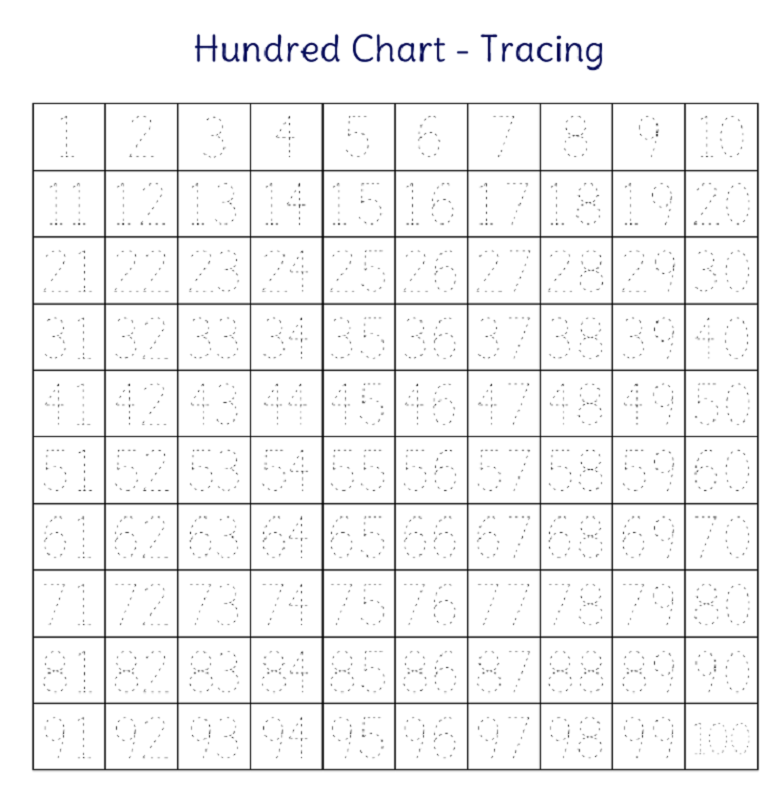
Introduction
Many children recognize letters and numbers long before their fine motor skills are ready to actually form them on paper. According to the American Occupational Therapy Association, foundational fine motor control, adequate hand strength, and mature bilateral coordination are essential prerequisites for functional handwriting and classroom success. Adults often notice a stark contrast between a child’s cognitive understanding of the alphabet and the physical endurance required to hold a writing tool correctly. Sitting down to practice letter and numeral formation bridges this gap by turning abstract cognitive concepts into muscle memory. Guided practice through Alphabet And Numbers Tracing offers a structured path toward handwriting fluency, supporting both early literacy and pencil control in a developmentally appropriate way.
💡 Educational Key Takeaways:
- Core Skill: Structured Alphabet And Numbers Tracing focused on developing pencil grip, stroke control, and early literacy/math confidence.
- Target Scope: Suited for homeschoolers, preschool, kindergarten, and elementary learners.
- Best Recommendation: Practice 10–15 minutes daily with ergonomic writing tools to reinforce muscle memory without hand fatigue.
What This Worksheet Covers
Mastering the intricacies of writing requires targeted practice with both letters and numerals, focusing heavily on stroke order, directional awareness, and proportional spacing. Each printable asset provides clear starting points, directional arrows, and carefully proportioned grids that guide the hand safely along the intended path. Children learn where a stroke begins and where it must end, eliminating the frustrating habit of drawing letters from the bottom up. As learners progress from simple vertical lines to complex diagonal intersections and curves, resources dedicated to Shape and Line Tracing build the necessary visual-motor integration. This comprehensive approach ensures that children do not just copy a shape, but truly understand the kinetic sequence required to reproduce standard orthography.
Key Learning Outcomes
Engaging consistently with structured tracing sheets yields several critical developmental milestones for young learners. Children develop refined spatial awareness on a two-dimensional page, learning to keep their pencil strokes within designated boundary lines. According to Reading Rockets, systematic handwriting instruction directly reinforces letter recognition and phonemic awareness by connecting the visual shape of a letter with its physical production and sound. Muscle memory deepens in the small intrinsic muscles of the hand, stabilizing the arches and preparing fingers for sustained endurance during writing tasks. Finally, learners gain confidence as independent writers, transitioning naturally from guided dotted lines to unassisted, legible handwriting across various classroom subjects.
How to Use This Worksheet
Introducing a new tracing sheet works best when integrated into a calm, low-distraction environment with adequate lighting and child-sized seating. Begin by modeling the correct formation in the air or on a larger whiteboard before asking the child to touch the paper. Encourage finger tracing along the designated paths first to allow the sensory system to register the movement pattern before introducing a writing utensil. It sounds simple, and that is the point: multisensory preparation dramatically increases the likelihood of successful, frustration-free execution. When children struggle with curved letters or complex numbers, temporarily shifting focus to Fine Motor and Pre-Writing Skills helps isolate the specific movement patterns needing extra attention.
Practical Tips for Parents and Teachers
Supporting a developing writer involves careful observation of grip mechanics and posture rather than constant correction. Watch for a functional grasp that permits finger movement, and offer short, frequent writing sessions rather than long, fatiguing blocks of time. Scaffolding the activity by physically guiding a hand through the first few strokes builds initial confidence, while gradually fading assistance encourages independent control. For learners who need specialized support with letter sequences, incorporating resources like Word and Name Tracing adds personal relevance to the practice routine. Keep writing tools short, such as broken crayons or short golf pencils, because shorter tools naturally encourage a proper three-finger grasp by preventing children from wrapping their entire fist around the barrel.
Age-Appropriate Recommendations
Tracing expectations must align strictly with developmental milestones outlined by the National Association for the Education of Young Children (NAEYC) for developmentally appropriate practice. For toddlers and young preschoolers ages two to four, the focus remains primarily on large pre-writing strokes, vertical and horizontal lines, and gross motor shoulder stability. By ages five through eight, children enter the formal writing stage aligned with early elementary curriculum standards, where precise letter formation, consistent baseline placement, and proper proportional sizing become paramount. Worksheets should match this progression, scaling from broad, open tracing paths down to standard primary writing lines as hand-eye coordination matures.
Systematic handwriting instruction enhances letter recognition, phonological processing, and reading fluency in early childhood. — Reading Rockets
Frequently Asked Questions
Explore More Free Printable Tracing Worksheets
Supporting early learners requires a diverse toolkit of engaging, accessible resources that grow alongside developing motor abilities. Whether focusing on foundational pre-writing strokes, seasonal themes, or complex numeral formation, having a reliable library of materials makes planning effortless for educators and parents alike. Explore the full collection of printable resources available at KidTraces.com to find everything necessary for fostering a lifelong love of writing and learning.
Developmental Milestone & Activity Table
| Development Stage | Recommended Daily Duration | Primary Learning Objective |
|---|---|---|
| Preschool & Pre-K | 10 – 15 Minutes | Pencil grip development & basic pre-stroke lines |
| Kindergarten | 15 – 20 Minutes | Letter/number formation & spatial line awareness |
| Early Elementary (Grade 1–2) | 20 – 30 Minutes | Fluency, sentence construction & neatness |
Images References