Introduction
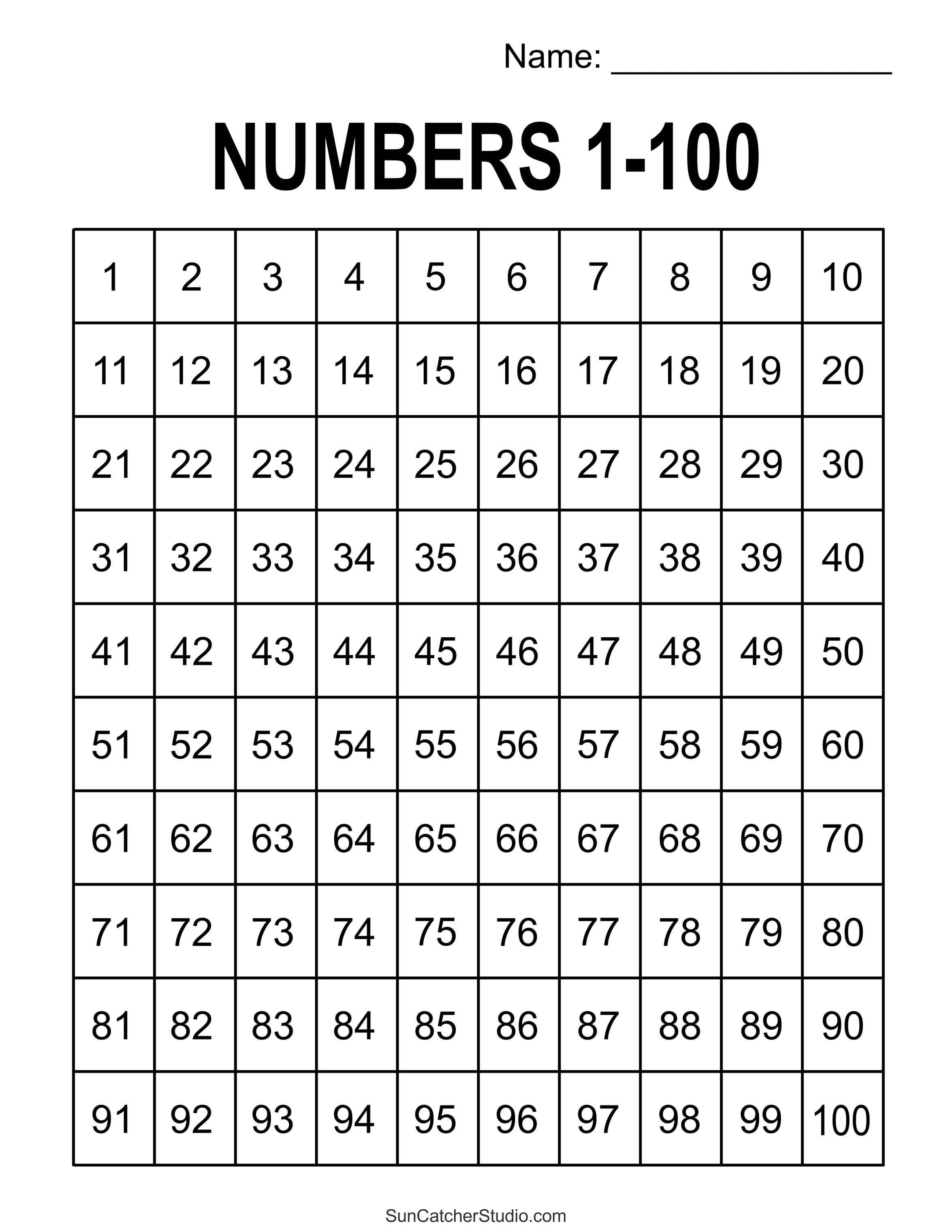
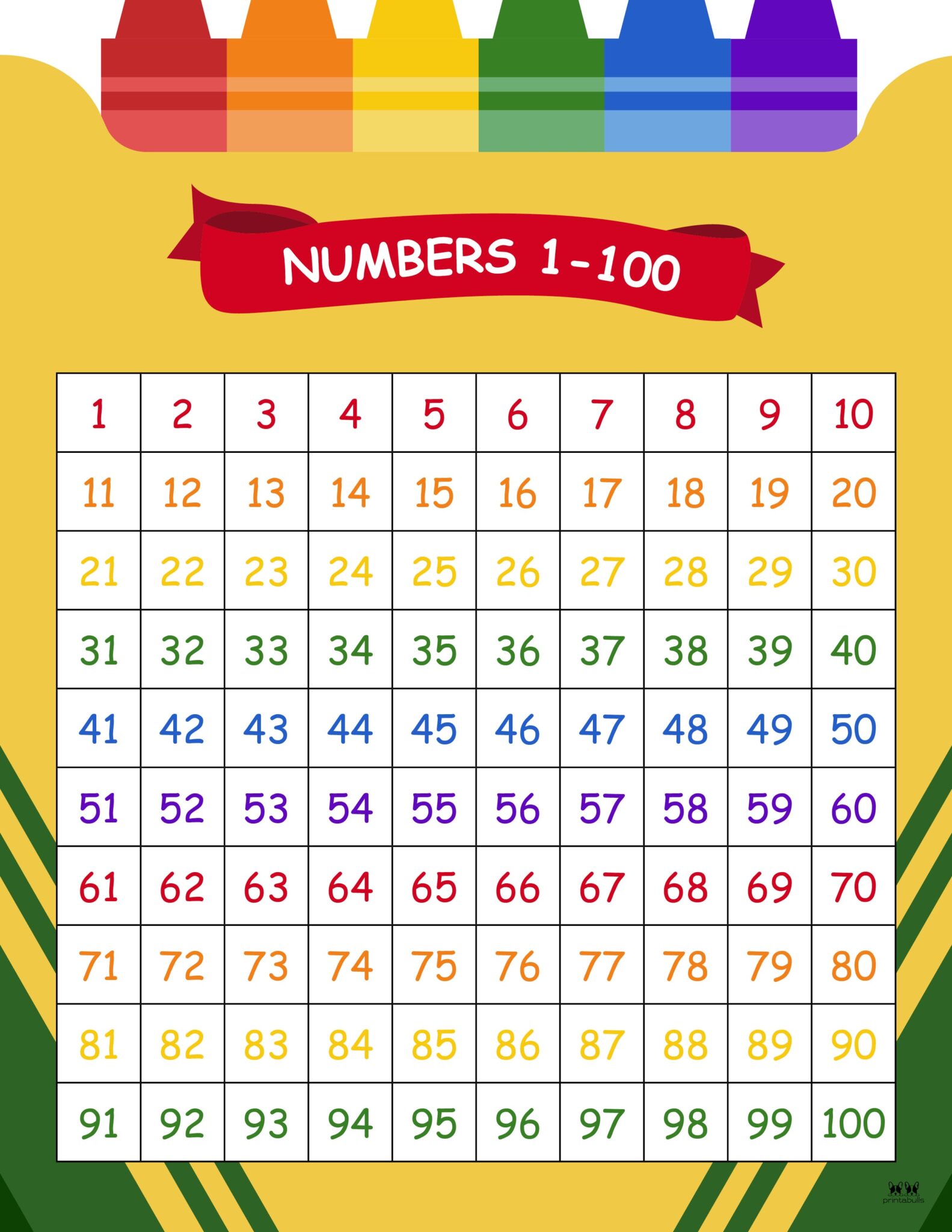
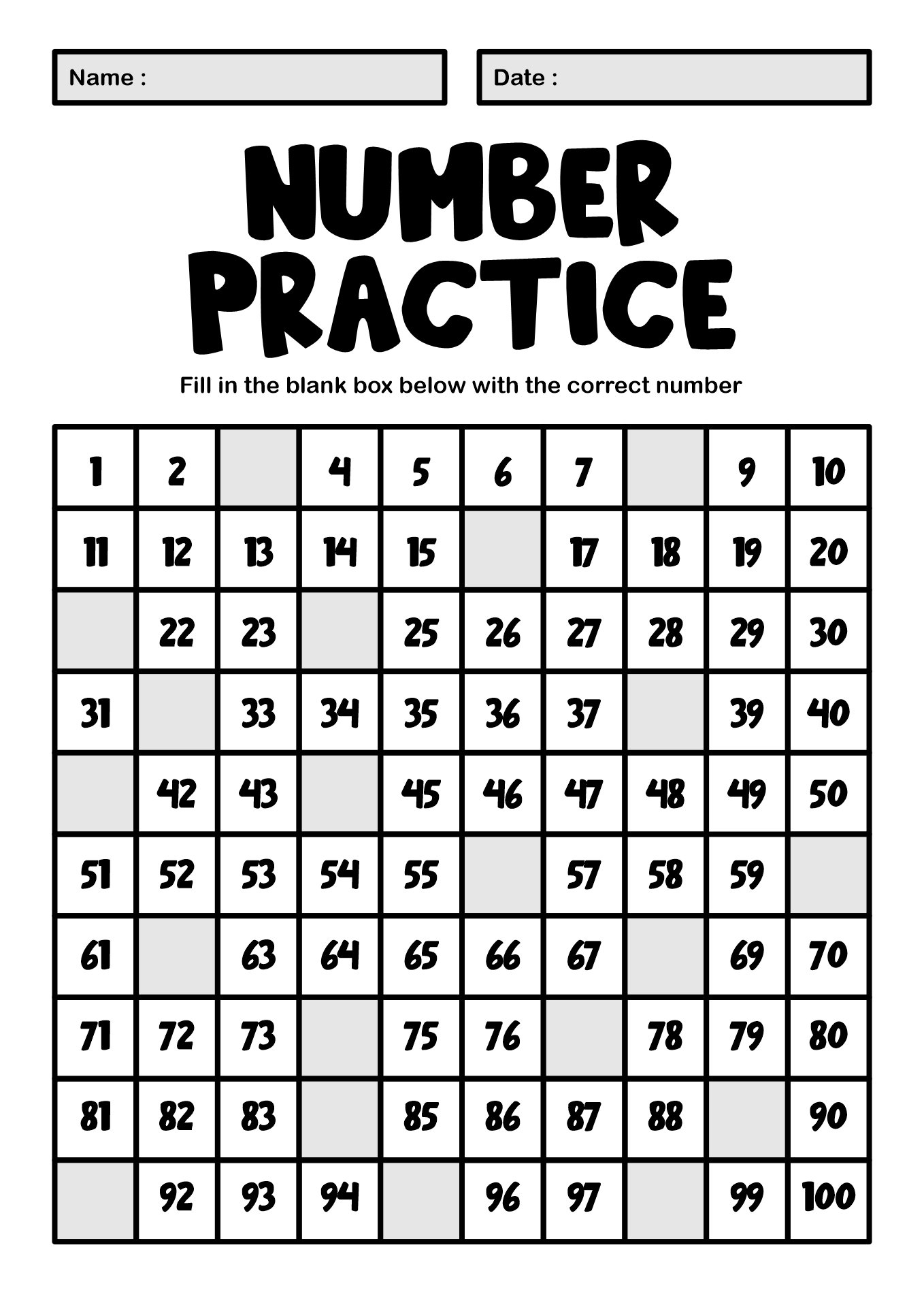
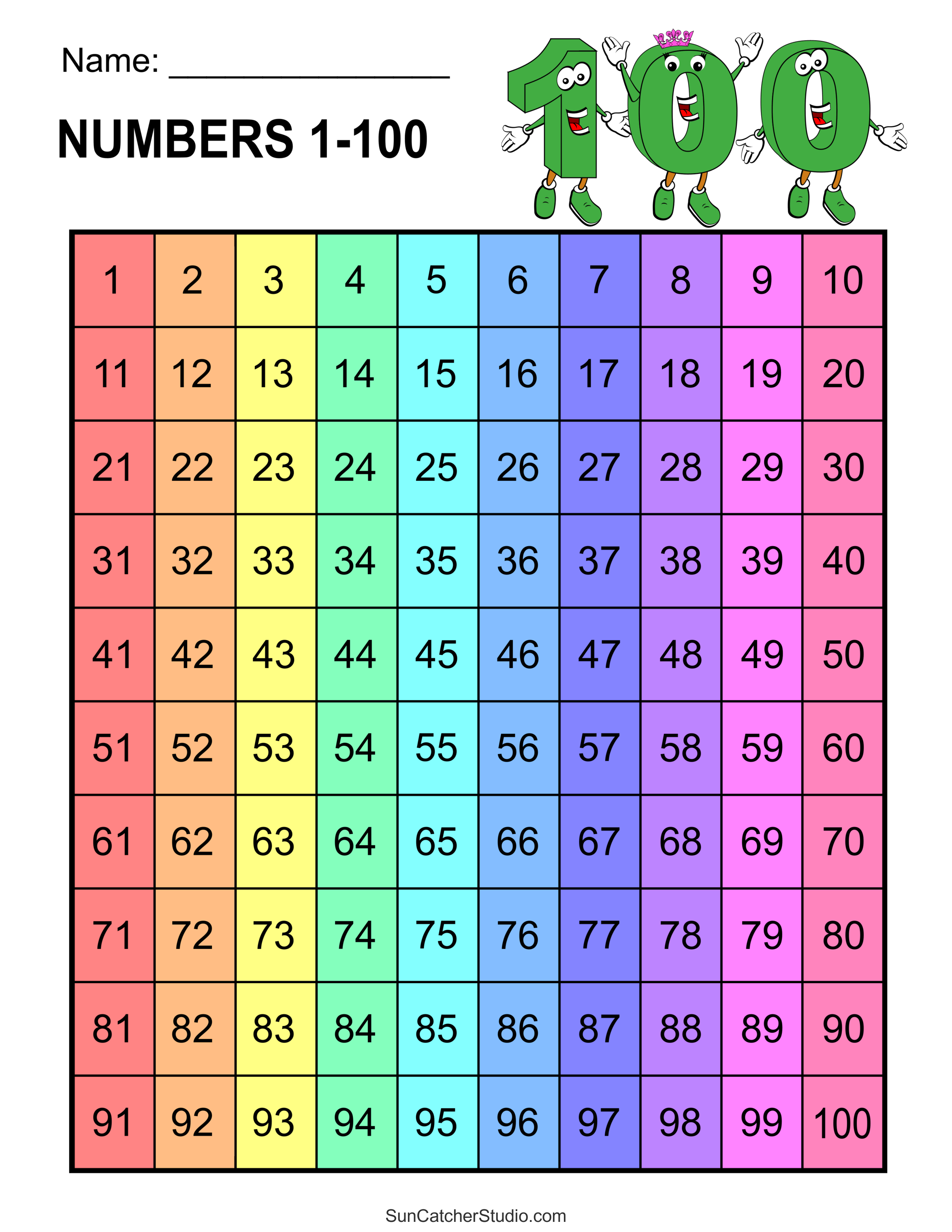
Many children recognize numerals and can count aloud long before their hands possess the intrinsic muscle strength and motor planning required to form digits on paper. According to the American Occupational Therapy Association, foundational fine motor control and bilateral coordination are essential prerequisites for functional handwriting and numeral mastery. Bridging this developmental gap requires thoughtful tools that transform abstract mathematical concepts into manageable tactile movements. The numbers 1 100 printable worksheets provide a structured, progressive pathway for young learners to connect verbal counting sequences with precise pencil control. Children need systematic guidance to translate what the mind comprehends into what the hand executes.
💡 Educational Key Takeaways:
- Core Skill: Structured Numbers 1 100 Printable Worksheets focused on developing pencil grip, stroke control, and early literacy/math confidence.
- Target Scope: Suited for homeschoolers, preschool, kindergarten, and elementary learners.
- Best Recommendation: Practice 10–15 minutes daily with ergonomic writing tools to reinforce muscle memory without hand fatigue.
What This Worksheet Covers
Mastering numerical symbols demands more than simple memorization. It requires understanding stroke order, spatial orientation, and consistent sizing within defined boundaries. The design of these pages systematically guides learners from foundational single-digit formation all way up to complex multi-digit numbers, ensuring no cognitive or physical leaps feel overwhelming. Each row breaks down complex shapes into familiar lines and curves, reinforcing the directional habits that prevent common reversals and pencil fatigue. Exploring these numerical resources naturally complements work found within the broader Tracing Number collection.
Key Learning Outcomes
Consistent interaction with numerical tracing builds essential muscle memory, allowing hands to glide smoothly across the page with decreasing visual supervision. Learners develop spatial awareness as they learn to anchor numbers correctly on baseline guides, keeping proportions balanced and legible. Hand-eye coordination improves naturally as pencils track precisely along dotted pathways, reinforcing visual-motor integration. Furthermore, children build sustained attention span and task persistence by completing structured sequences that bridge early math milestones with pre-writing skill refinement. These combined benefits support broader cognitive development and prepare students for advanced mathematical notation.
How to Use This Worksheet
Introducing large numerical ranges requires pacing and patience, particularly when working with young children whose attention spans fluctuate. Begin with small segments, focusing on just a few digits per sitting rather than rushing through an entire page in one go. Encourage learners to trace over large examples with an index finger first to internalize the directional flow before introducing a writing utensil. Pairing these pages with tactile experiences, such as forming numbers in salt trays or molding playdough into digits, reinforces the kinesthetic feedback loop. For families and classrooms seeking additional structural support, browsing through Tracing Worksheets can uncover complementary resources for diverse learning needs.
Practical Tips for Parents and Teachers
Adults should monitor pencil grasp closely, gently encouraging a functional tripod grip without forcing stiffness that causes hand cramping. Positioning the writing surface on a slight sloped slant can significantly improve wrist extension and visibility, aligning with sound ergonomic principles. Scaffolding the activity by hand-over-hand assistance initially helps struggling learners feel the correct motion before transitioning to verbal prompts and independent execution. Educators and caregivers can extend learning by having children count aloud corresponding physical objects, tying the written symbol back to its concrete quantity. Celebrating small victories in stroke direction builds lasting confidence and positive associations with writing tasks.
Age-Appropriate Recommendations
For younger children ages two through four, focusing on numbers one through ten aligns well with NAEYC Developmentally Appropriate Practice, emphasizing sensory exploration, gross numeral recognition, and early pre-writing stroke control. During these formative years, children benefit from oversized tracing templates that accommodate immature hand grasps and developing visual-motor skills. As children progress into the five-to-eight age bracket, expectations shift toward meeting formal educational benchmarks, such as standard CCSS.MATH.CONTENT.K.CC.A.3 for writing numbers from zero to twenty and representing a number of objects with a written numeral. At this stage, the comprehensive hundred-digit layouts become powerful tools for mastering place value, sequencing, and fluid multi-digit formation.
According to the National Association for the Education of Young Children, young children learn best through active engagement and hands-on experiences that connect physical movement with cognitive understanding. — NAEYC Practice Guidelines
Frequently Asked Questions
Clear guidance helps adults maximize the educational value of printable materials while keeping the experience frustration-free for children. The following answers address common questions regarding access, development, and professional standards.
Explore More Free Printable Tracing Worksheets
Supporting a child’s journey toward fluent handwriting and early numeracy involves offering a rich variety of engaging, developmentally appropriate practice materials. Exploring the full library at KidTraces.com provides educators, parents, and caregivers with unlimited access to thoughtfully designed resources. From foundational pre-writing strokes to alphabet practice and seasonal themes, every child can find tools tailored to their unique developmental stage. Consistent, joyful practice lays the groundwork for academic success and lifelong confidence in communication and mathematics. Download fresh resources today to keep young learners inspired and growing.
Developmental Milestone & Activity Table
| Development Stage | Recommended Daily Duration | Primary Learning Objective |
|---|---|---|
| Preschool & Pre-K | 10 – 15 Minutes | Pencil grip development & basic pre-stroke lines |
| Kindergarten | 15 – 20 Minutes | Letter/number formation & spatial line awareness |
| Early Elementary (Grade 1–2) | 20 – 30 Minutes | Fluency, sentence construction & neatness |
Images References