Introduction
Many children recognize letters and recite numbers long before their small hand muscles possess the strength and dexterity to actually form them on paper. According to the American Occupational Therapy Association, foundational fine motor control and bilateral hand coordination are essential precursors to mastering functional handwriting tasks in early childhood. This developmental gap between cognitive understanding and physical capability often frustrates young learners when pencil meets paper. Thoughtfully designed practice sheets bridge that divide by providing structured visual paths that guide tiny hands through proper letter and numeral formation. Utilizing resources from the Alphabet And Numbers Tracing collection helps transform abstract symbols into familiar, repeatable physical pathways.
💡 Educational Key Takeaways:
- Core Skill: Structured Full Alphabet And Numbers Tracing focused on developing pencil grip, stroke control, and early literacy/math confidence.
- Target Scope: Suited for homeschoolers, preschool, kindergarten, and elementary learners.
- Best Recommendation: Practice 10–15 minutes daily with ergonomic writing tools to reinforce muscle memory without hand fatigue.
What This Worksheet Covers
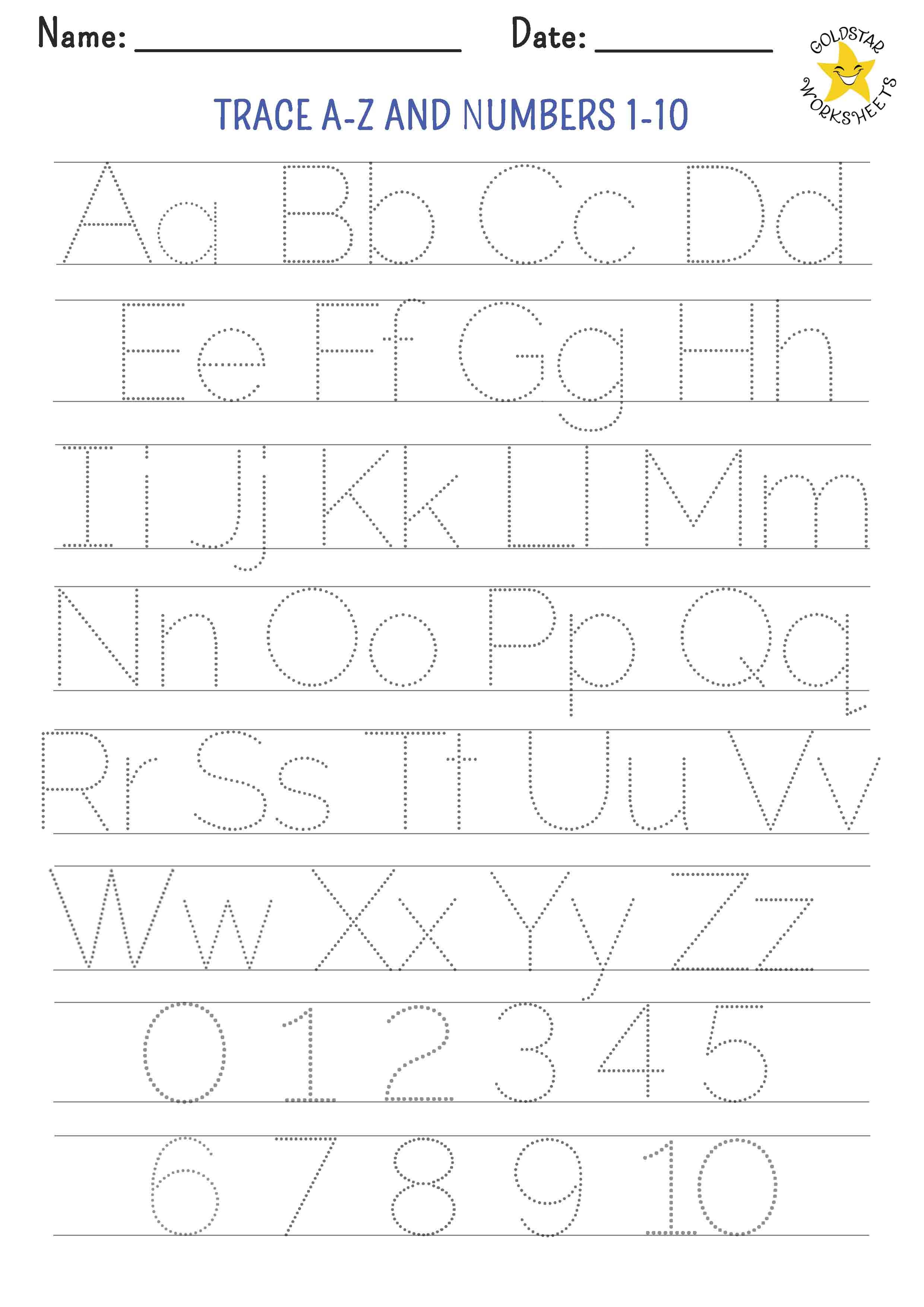
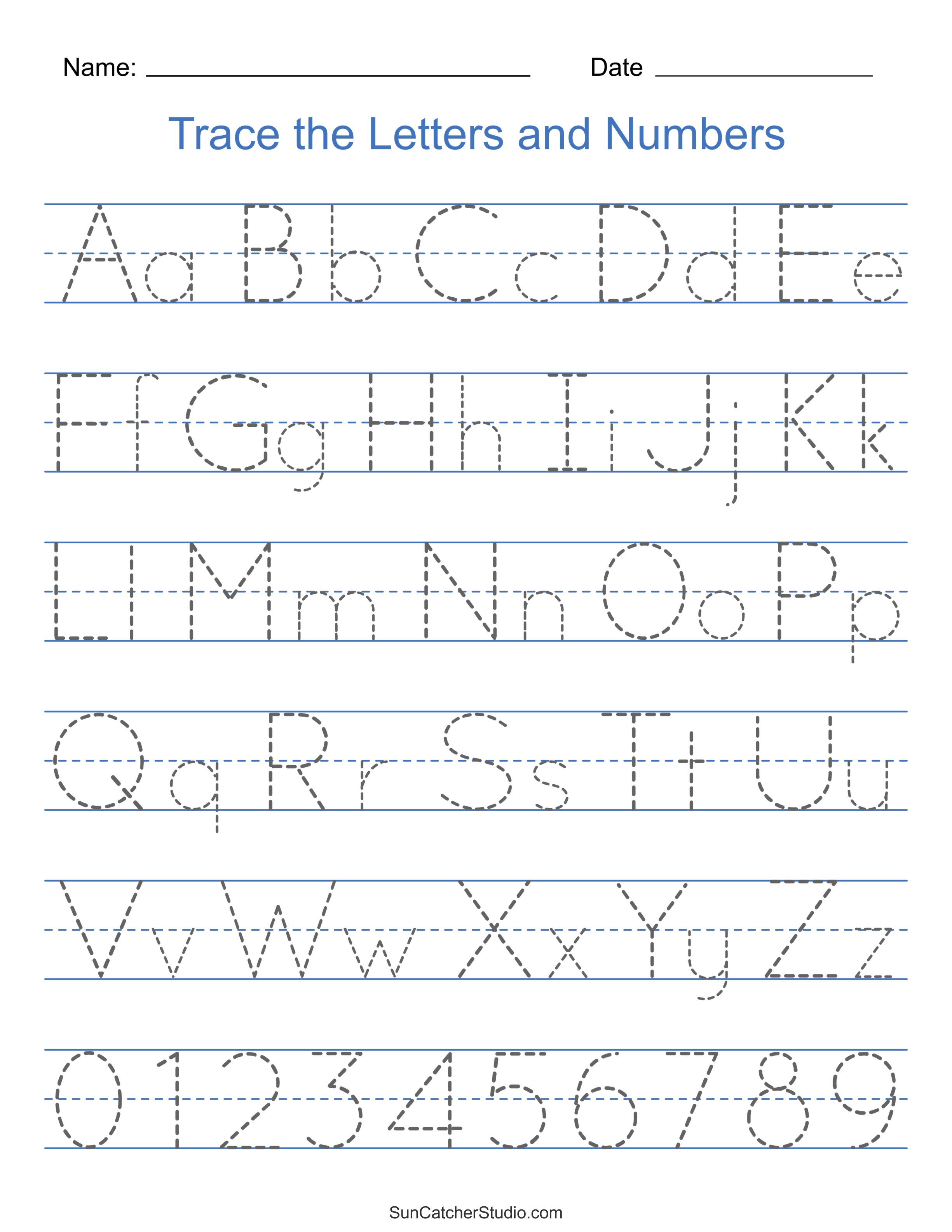
Mastering handwriting requires a systematic approach to stroke order, directionality, and spatial awareness that goes beyond simply copying a symbol. This resource covers the entire uppercase and lowercase alphabet alongside numerals zero through nine, ensuring comprehensive foundational practice. Each letter and number features clear directional arrows and distinct starting dots to promote correct stroke habits from the very first attempt. By engaging with Dotted Letters For Tracing, learners internalize the physical boundaries of writing lines without feeling overwhelmed by blank spaces. The layout intentionally balances white space with clear visual cues to maintain focus and reduce cognitive fatigue during practice sessions.
Key Learning Outcomes
Working through these guided exercises fosters consistent letter and numeral formation while establishing essential muscle memory in the hand and wrist. According to Reading Rockets, explicit instruction in letter formation directly supports future spelling fluency and reading automaticity by anchoring visual symbols to physical execution. Children naturally develop enhanced visual-motor integration as their eyes track the pencil tip along the guided paths. The repetition of specific curved, diagonal, and vertical strokes builds baseline endurance, which directly connects to broader Fine Motor and Pre-Writing Skills. Over time, learners transition from hesitant, disjointed marks to fluid, confident strokes that prepare them for independent sentence writing.
How to Use This Worksheet
Successful practice begins long before the pencil touches the page by establishing an environment that encourages relaxed focus and proper posture. Adults should introduce the sheet by demonstrating the correct pencil grip, ensuring the thumb and index finger pinch the barrel while resting securely on the middle finger. It sounds simple, and that is the point, but a poor grip rapidly leads to hand fatigue and avoidance behaviors. Allowing children to trace the letters first with an index finger builds tactile familiarity before introducing writing tools. Integrating related exercises from Shape and Line Tracing beforehand helps warm up the precise hand muscles required for detailed letter work.
Practical Tips for Parents and Teachers
Scaffolding the learning process prevents frustration by matching expectations to the current developmental stage of the child. Begin with just a few letters or numbers per session rather than demanding completion of the entire page at once. Adults can physically guide a hand through the first few strokes to model the correct rhythm and directional flow before stepping back for independent attempts. Celebrating small victories, such as maintaining a steady line or starting at the designated dot, keeps motivation high and anxiety low. When children show readiness for more personalized challenges, transitioning to Word and Name Tracing provides meaningful context for their newly acquired letter formation skills.
Age-Appropriate Recommendations
Developmental expectations must align closely with recognized early childhood frameworks to ensure positive learning experiences. According to the National Association for the Education of Young Children developmentally appropriate practice guidelines, children aged two to four benefit most from large-scale pre-writing strokes, vertical lines, and sensory tracing activities. During these early years, physical engagement matters far more than producing perfectly neat letters on standard primary paper. For children aged five to eight, the focus shifts toward controlled pencil movements, correct letter proportions, and alignment with foundational writing standards such as Common Core ELA standard K.CC.A.3. At this stage, structured practice sheets help refine spatial awareness and build the automaticity required for academic success.
Foundational fine motor control and bilateral hand coordination are essential precursors to mastering functional handwriting tasks in early childhood. — American Occupational Therapy Association
Frequently Asked Questions
Clear guidance regarding printing, developmental timing, and instructional strategies ensures that adults can maximize the benefits of these educational resources without unnecessary guesswork.
Explicit instruction in letter formation directly supports future spelling fluency and reading automaticity by anchoring visual symbols to physical execution. — Reading Rockets
Explore More Free Printable Tracing Worksheets
Supporting a young writer involves offering a diverse array of engaging practice materials that grow alongside developing capabilities. Exploring additional resources within the Tracing Worksheets directory provides endless opportunities for skill reinforcement. From themed activities found under Seasonal and Fun Themes to specialized numeral practice in Tracing Number, every tool is designed to make learning enjoyable. Discover the entire collection of carefully curated educational resources by visiting KidTraces.com to support every step of the early writing journey.
Developmental Milestone & Activity Table
| Development Stage | Recommended Daily Duration | Primary Learning Objective |
|---|---|---|
| Preschool & Pre-K | 10 – 15 Minutes | Pencil grip development & basic pre-stroke lines |
| Kindergarten | 15 – 20 Minutes | Letter/number formation & spatial line awareness |
| Early Elementary (Grade 1–2) | 20 – 30 Minutes | Fluency, sentence construction & neatness |
Images References