Introduction
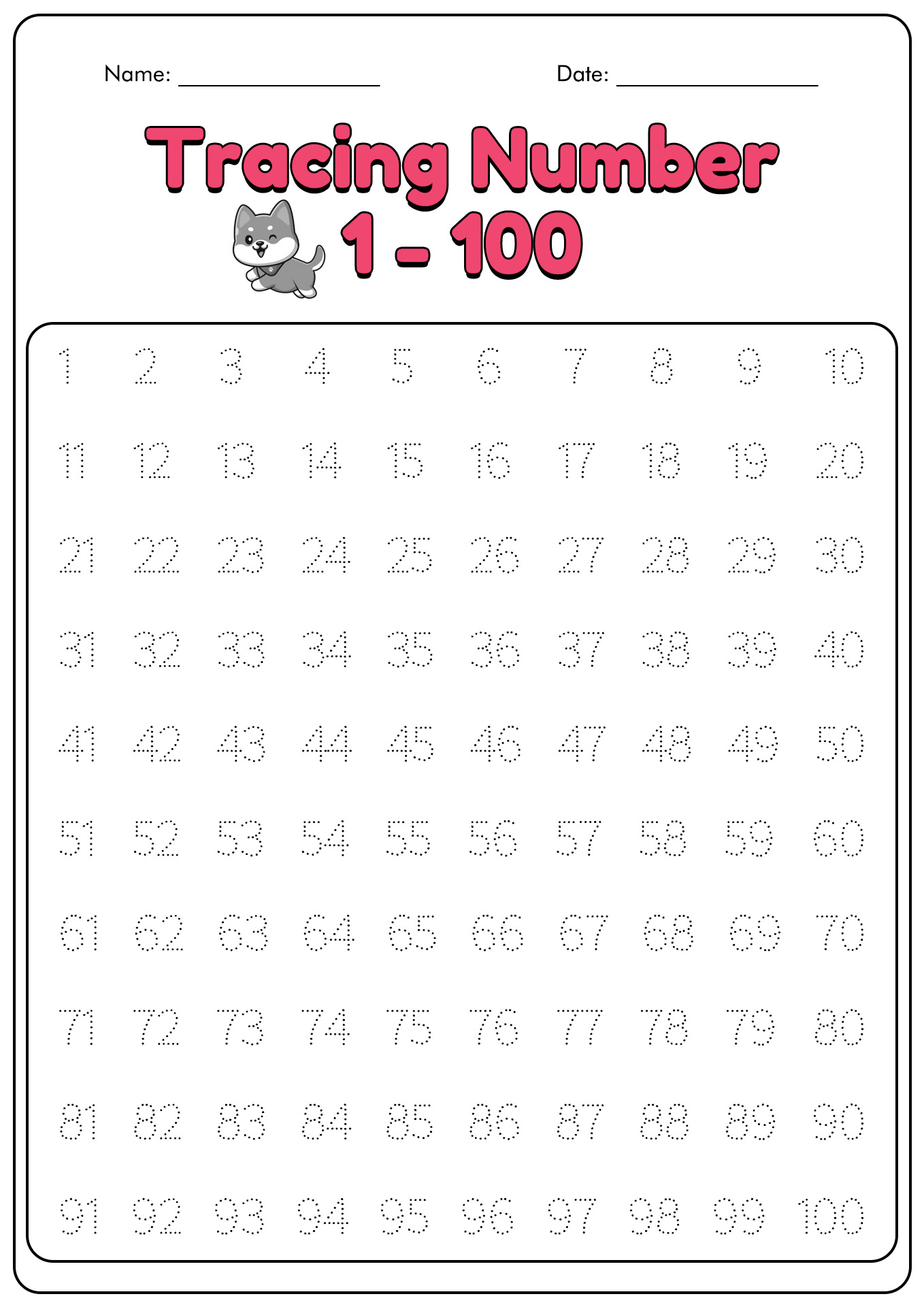
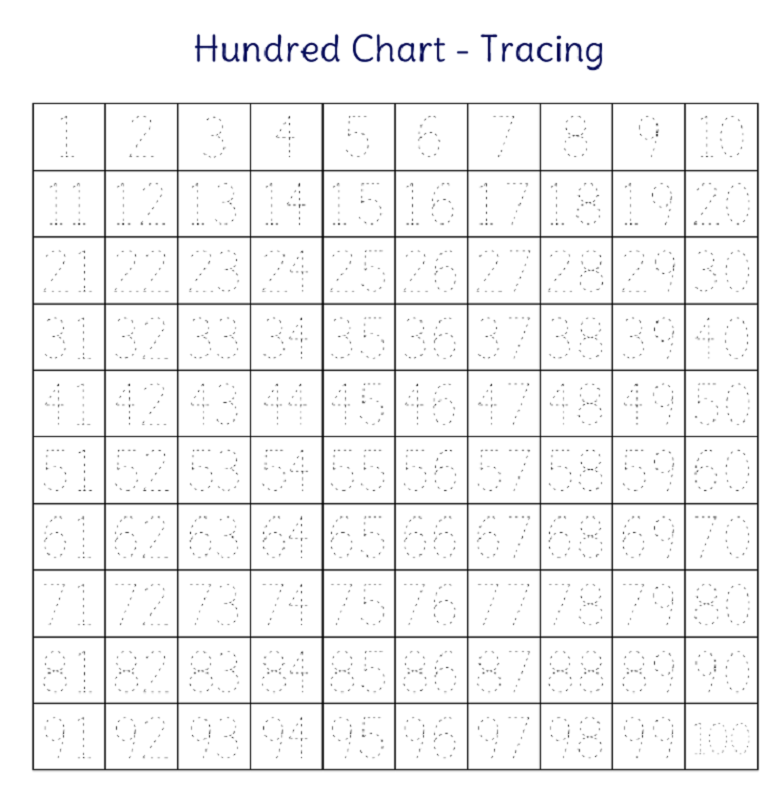
Many young children recognize numerals long before their fine motor control allows them to form those digits accurately on paper. According to NAEYC developmental guidelines, early childhood learning relies heavily on sensory-rich, scaffolded experiences that bridge cognitive understanding with physical execution. Bridging this gap requires patience, targeted tools, and consistent practice that respects the developmental readiness of growing hands. Enter the free printable trace the numbers 1 to 100 worksheet, designed specifically to help learners transition from basic visual recognition to confident, controlled numeral formation. It sounds simple, and that is precisely the point. By breaking down complex number shapes into manageable, guided strokes, these printable sheets provide the scaffolding necessary for young children to build muscle memory, spatial awareness, and ultimate mastery over the fundamental building blocks of math and handwriting.
💡 Technical Key Takeaways:
- Core Focus: Diagnostic schematic and terminal connection layout for Trace The Numbers 1 To 100.
- Target Scope: Field technicians, automotive DIYers, and residential/commercial electricians.
- Safety Rule: Always disconnect the primary power source/battery terminal and verify zero voltage with a multimeter before touching wires.
What This Worksheet Covers
Comprehensive numeral practice goes far beyond rote memorization or mindless repetition. This specific learning tool guides children through the sequential progression of every single digit from one to one hundred, utilizing structured dot-to-dot pathways. Each line is intentionally designed to teach correct stroke order, ensuring that learners do not develop inefficient habits that become difficult to break later. Spatial orientation also takes center stage, helping children understand how numerals fit within writing lines, maintain consistent sizing, and respect margins. Furthermore, mastering numbers up to one hundred reinforces foundational numeracy concepts, such as decade patterns and place value, all while embedding physical muscle memory directly into the fingers, wrists, and hands. For more related activities, check out our Tracing Numbers As Words.
Key Learning Outcomes
Working through these pages fosters incredible growth across multiple developmental domains. First, fine motor control visibly improves as small hand muscles engage in sustained, precise pencil manipulation. Second, spatial awareness solidifies as learners navigate directional cues, understanding where a stroke begins and where it terminates. Third, cognitive endurance expands because maintaining focus across a comprehensive numerical sequence builds sustained attention spans. Finally, foundational math readiness blossoms alongside penmanship, creating a seamless synergy between cognitive number sense and physical dexterity.
How to Use This Worksheet
Introducing a large numerical sequence requires a thoughtful, unhurried pace rather than a demand for immediate completion. Educators and caregivers often find success by breaking the hundred-number sequence into bite-sized daily chunks, such as tackling one row or one decade at a time. This prevents hand fatigue and keeps frustration levels exceptionally low. Children benefit immensely from multisensory approaches, such as tracing the oversized starter numerals with a finger or a textured marker before bringing a standard pencil to the paper. Consistency truly triumphs over volume, transforming a potentially overwhelming task into an enjoyable, rewarding daily ritual.
Practical Tips for Parents and Teachers
Supporting healthy pencil mechanics makes all the difference during early tracing sessions. According to the American Occupational Therapy Association, utilizing a functional tripod grasp early on prevents hand cramping and supports sustained writing endurance. Adults should model proper grip and posture, ensuring feet rest flat on the floor and the paper remains slightly tilted for optimal wrist positioning. Scaffolding plays a vital role here: start by completing the first few numbers together hand-over-hand if necessary, and gradually fade assistance as independence takes root. Praise effort and stroke accuracy rather than just the neatness of the final product, keeping motivation high and anxiety low.
Age-Appropriate Recommendations
Aligning expectations with developmental frameworks ensures a positive experience for every child. For toddlers and preschoolers ages two to four, alignment with the NAEYC Developmentally Appropriate Practice suggests focusing primarily on pre-writing strokes, large motor movements, and recognizing numbers one through ten rather than demanding full page mastery of the entire hundred. Children ages five to eight, operating within early elementary grade structures, are fully equipped to tackle the complete sequence, refining their stroke speed, directional precision, and size consistency. Adapting the pacing to match the individual child guarantees that practice remains an empowering milestone rather than a stressful chore.
Functional pencil grasp and hand strength development are critical predictors of early academic success and writing endurance in young learners — American Occupational Therapy Association (AOTA)
Frequently Asked Questions
Navigating early childhood handwriting tools brings up many practical questions for educators and parents alike. Below are straightforward answers addressing common inquiries regarding downloading, developmental benefits, and expert guidelines for supporting young learners.
Explore More Free Printable Tracing Worksheets
Expanding a child’s early literacy and numeracy toolkit requires access to diverse, engaging, and high-quality resources. Beyond numerical practice, supporting holistic development involves exploring complementary resources like the collections found within Tracing Number and Fine Motor and Pre-Writing Skills. Educators seeking targeted letter mastery will love the options available at Dotted Letters For Tracing, while those encouraging early literacy milestones can explore Alphabet And Numbers Tracing. To discover an extensive library designed to support every stage of early childhood development, visit the complete collection at KidTraces.com and get started today.
Quick Wiring Specifications & Terminal Guide
| Component / Circuit | Standard Wire Gauge | Recommended Protection |
|---|---|---|
| Control & Trigger Signals | 18 – 20 AWG | 5A – 7.5A Inline Fuse |
| Standard Auxiliary Load | 14 – 16 AWG | 15A – 20A Circuit Breaker |
| Main Power Feed / Supply | 10 – 12 AWG | 30A – 40A Heavy-Duty Relay |
Images References