Introduction
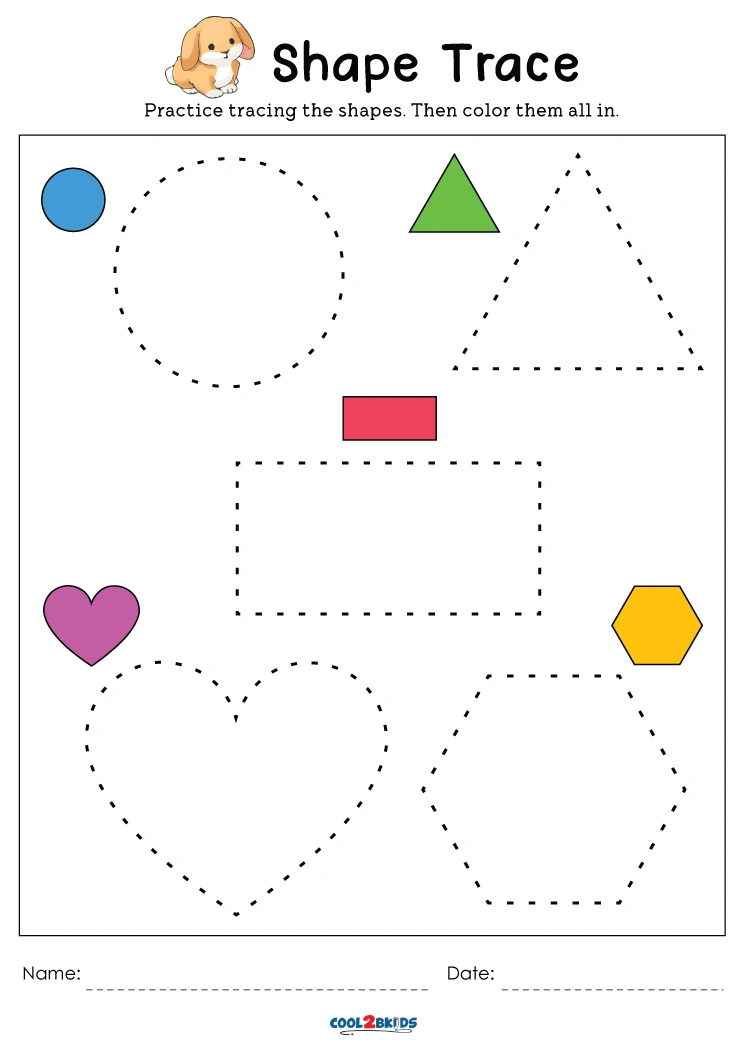
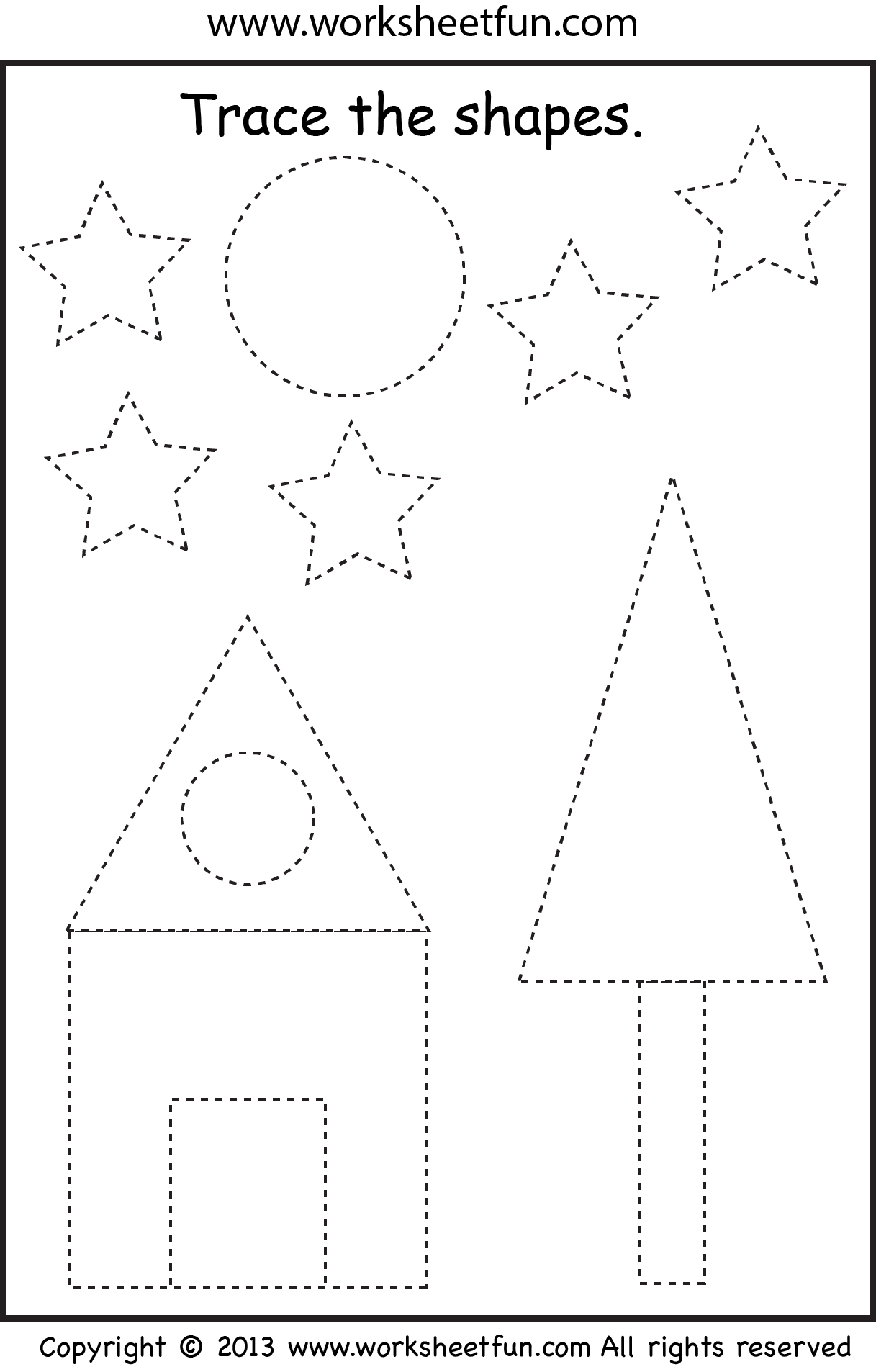
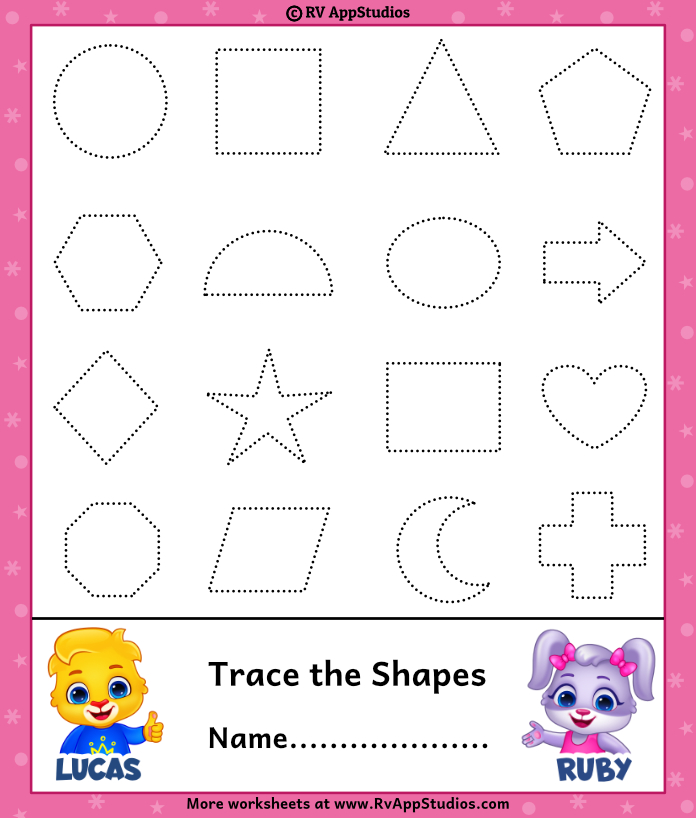
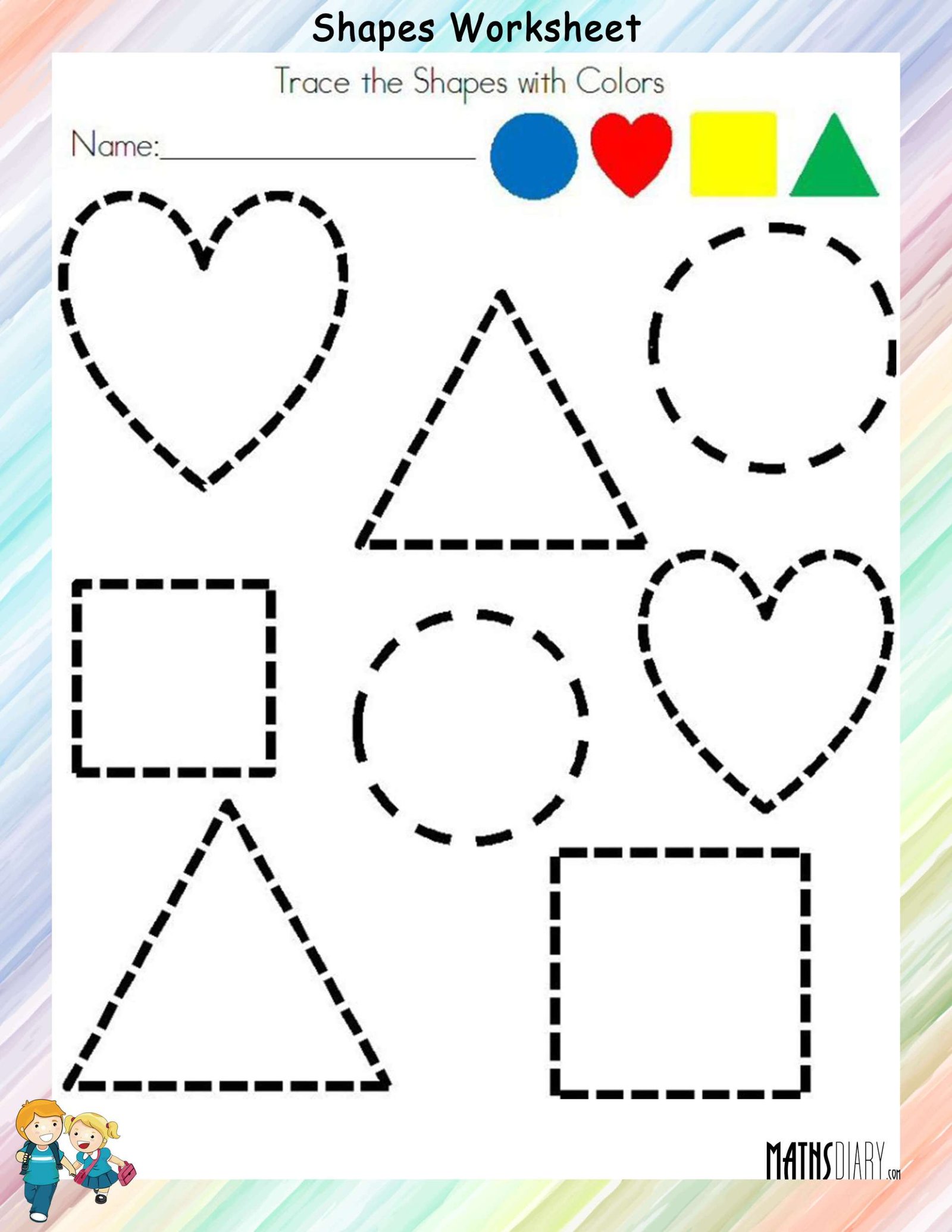
Many children recognize letters, numbers, and geometric shapes long before their fine motor skills can actually form them on paper. This common disconnect often frustrates eager learners who possess the cognitive readiness for writing but lack the foundational hand strength to execute clean strokes. According to NAEYC developmental standards, young children acquire early writing abilities through purposeful play and graduated sensory experiences that bridge the gap between mental concepts and physical execution. The free printable tracing shapes-lines images:fun resource addresses this exact developmental window by transforming complex pre-writing mechanics into an engaging, low-pressure visual exercise. It sounds simple, and that is precisely the point. By integrating playful image elements with foundational pre-writing strokes, this printable offers a structured pathway for developing the precise hand-eye coordination required for lifelong literacy success.
💡 Educational Key Takeaways:
- Core Skill: Structured Tracing Shapes-Lines Images:Fun focused on developing pencil grip, stroke control, and early literacy/math confidence.
- Target Scope: Suited for homeschoolers, preschool, kindergarten, and elementary learners.
- Best Recommendation: Practice 10–15 minutes daily with ergonomic writing tools to reinforce muscle memory without hand fatigue.
What This Worksheet Covers
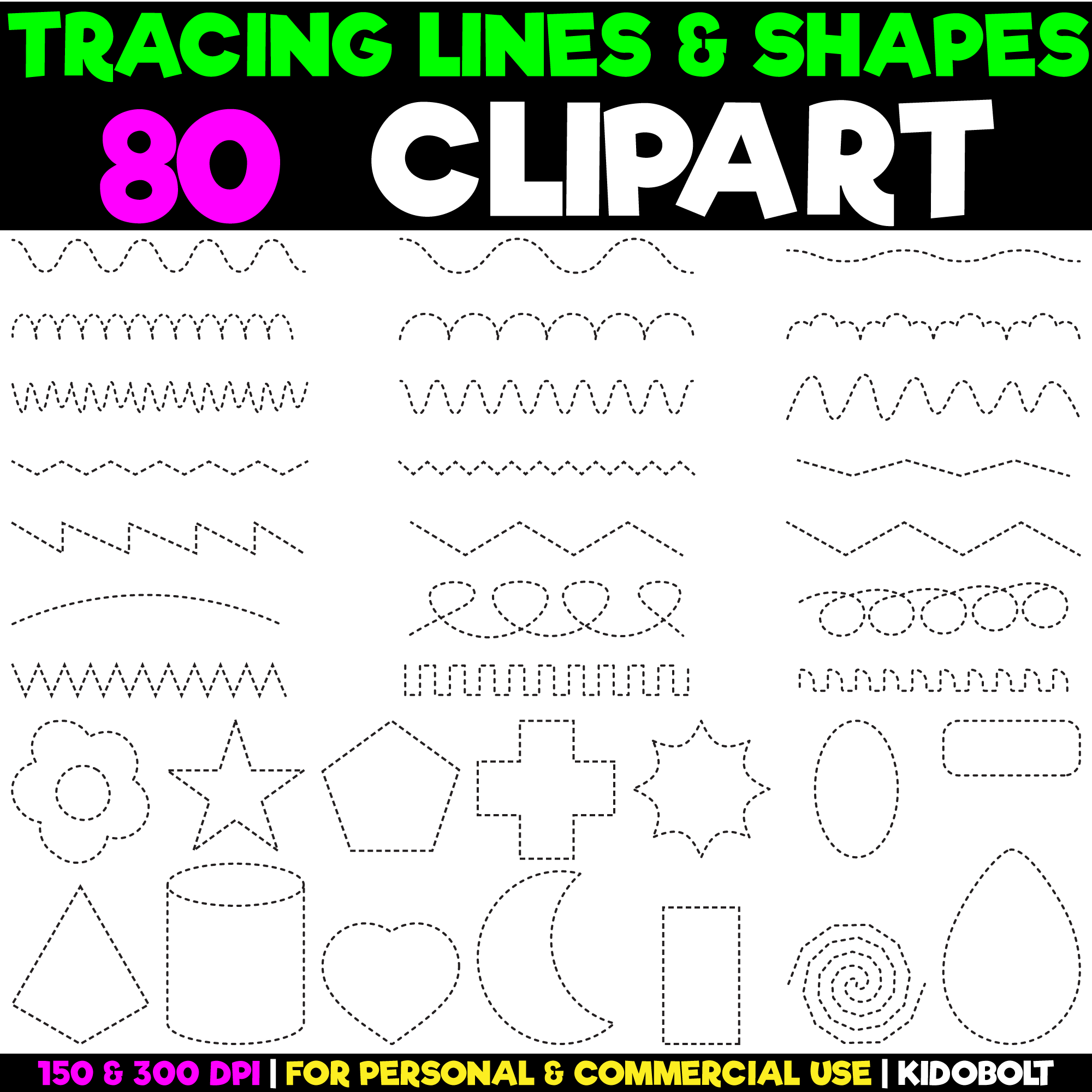
Mastering the physical act of writing demands immense muscular control, visual attention, and spatial awareness from the developing child. The tracing shapes-lines images:fun activity focuses deliberately on pre-writing strokes, which serve as the indispensable building blocks for all future letter and numeral formation. Children encounter a carefully curated progression of horizontal, vertical, diagonal, circular, and intersecting lines embedded within playful pictorial contexts. Instead of staring at an intimidating blank page or dry, repetitive rows of abstract lines, young learners interact with contextual visual prompts that give purpose to every pencil movement. This targeted design helps children learn how to initiate a stroke from the correct starting point, sustain consistent pressure across the paper, and navigate directional changes smoothly. When children practice these fundamental strokes regularly, they build the underlying neurological pathways necessary for effortless handwriting down the road.
Key Learning Outcomes
Working through these carefully sequenced pages yields profound developmental gains across multiple domains of early childhood learning. First, young hands build crucial intrinsic muscle strength in the fingers and palms, which directly supports a mature functional pencil grasp. Second, children refine their visual-motor integration, learning how to synchronize what the eyes perceive with the exact physical path the pencil takes across the sheet. Third, learners cultivate bilateral coordination by stabilizing the paper with one hand while the dominant hand executes controlled tracing movements. Finally, this activity instills vital emotional stamina and focus, teaching children how to sustain attention on a single task from start to finish. According to research from the American Occupational Therapy Association, mastering foundational visual-motor control through early tracing activities significantly correlates with later academic fluency and reduced writing fatigue in the primary grades.
How to Use This Worksheet
Maximizing the benefits of this resource requires careful attention to the physical setup and the emotional climate surrounding the activity. Adults should always ensure the workspace features a stable child-sized chair and a flat table surface where both feet rest flat on the floor, promoting optimal core stability. Offering thick, short writing utensils—such as broken crayons, golf pencils, or short markers—naturally encourages a functional three-finger grasp by preventing over-extension in the fingers. It helps to approach the session as a shared creative experience rather than a strict test of compliance. Guiding a child’s hand gently through the first few strokes establishes the correct motion memory, while allowing independent practice fosters genuine confidence. Educators and caregivers can easily expand learning by asking children to describe the shapes they trace or invent imaginative stories about the accompanying visual themes.
Practical Tips for Parents and Teachers
Scaffolding the learning process makes all the difference for children who struggle with initial pencil control or show signs of early hand fatigue. Start by placing the sheet inside a clear plastic dry-erase sleeve and letting the child trace with a colorful dry-erase marker, which requires less downward pressure and allows for immediate, stress-free erasing of mistakes. If a child demonstrates an awkward or fatiguing fist grasp, place a small sticker on the side of the pencil to remind little fingers where to rest comfortably. For learners who skip across lines too quickly, encourage them to pretend their pencil is a slow-moving train chugging along a winding track. Alternating between standing vertical surface work—like taping the sheet to an easel or wall—and traditional seated desk work provides essential vestibular input and strengthens shoulder stability. Exploring additional resources within the Fine Motor and Pre-Writing Skills collection can provide even more targeted ways to build these vital hand muscles.
Age-Appropriate Recommendations
Developmental expectations for tracing vary significantly across the early childhood years, aligning closely with established milestones such as the CDC developmental milestones framework. For two- and three-year-old toddlers, the focus remains primarily on gross motor exploration, imitating simple vertical and horizontal strokes, and exploring thick crayons without strict boundary adherence. Four- and five-year-olds in preschool settings typically begin copying cross shapes, tracing complex curved lines, and managing circular motions with increasing directional control. By ages six through eight, children transition into refined line-and-shape integration that supports formal handwriting instruction, mastering diagonal intersections and complex spatial awareness. Pairing these targeted tracing sheets with materials found in the Shape and Line Tracing archive ensures that every child receives practice perfectly matched to their current stage of neurological and physical development.
Children who engage in regular pre-writing and visual-motor exercises demonstrate significantly enhanced spatial accuracy and pencil control during early elementary writing assessments. — American Occupational Therapy Association
Frequently Asked Questions
Navigating early literacy tools often brings up practical questions for parents and educators. Review the quick answers below to make the most of your printable resources.
Explore More Free Printable Tracing Worksheets
Supporting a child’s journey toward confident writing is a wonderful, unfolding process that thrives on variety, encouragement, and consistent practice. When children enjoy the materials in front of them, building fine motor control feels less like practice and more like play. Educators, parents, and homeschoolers can discover a vast assortment of additional printables designed to foster early literacy and physical dexterity by browsing the complete library of resources available directly at KidTraces.com. Whether looking for seasonal inspiration from the Seasonal and Fun Themes section or foundational letter practice via Alphabet And Numbers Tracing, every tool is crafted with care to support young learners every step of the way.
Developmental Milestone & Activity Table
| Development Stage | Recommended Daily Duration | Primary Learning Objective |
|---|---|---|
| Preschool & Pre-K | 10 – 15 Minutes | Pencil grip development & basic pre-stroke lines |
| Kindergarten | 15 – 20 Minutes | Letter/number formation & spatial line awareness |
| Early Elementary (Grade 1–2) | 20 – 30 Minutes | Fluency, sentence construction & neatness |
Images References