Introduction
Pencil in hand, a young child stares intently at a blank page, eager to create marks that look like the writing of adults, yet the muscles required for this task are still rapidly developing. Many children recognize letters, shapes, and symbols long before their fine motor skills and spatial awareness allow them to form those same strokes on paper. According to the American Occupational Therapy Association, foundational fine motor control and visual-motor integration are critical prerequisites for successful handwriting and daily functional independence. Bridging this gap between visual understanding and physical execution requires targeted practice that respects each learner’s unique developmental profile. Introducing adapted tracing lines for special needs provides an accessible, low-pressure entry point for children who experience motor planning challenges, sensory processing differences, or developmental delays. Specialized tracing supports bypass the frustration of complex letter formation by focusing squarely on fundamental stroke control, hand-eye coordination, and bilateral integration. Careful adaptation transforms a standard writing exercise into an empowering, inclusive experience that builds confidence alongside physical dexterity.
💡 Educational Key Takeaways:
- Core Skill: Structured Tracing Lines For Special Needs focused on developing pencil grip, stroke control, and early literacy/math confidence.
- Target Scope: Suited for homeschoolers, preschool, kindergarten, and elementary learners.
- Best Recommendation: Practice 10–15 minutes daily with ergonomic writing tools to reinforce muscle memory without hand fatigue.
What This Worksheet Covers
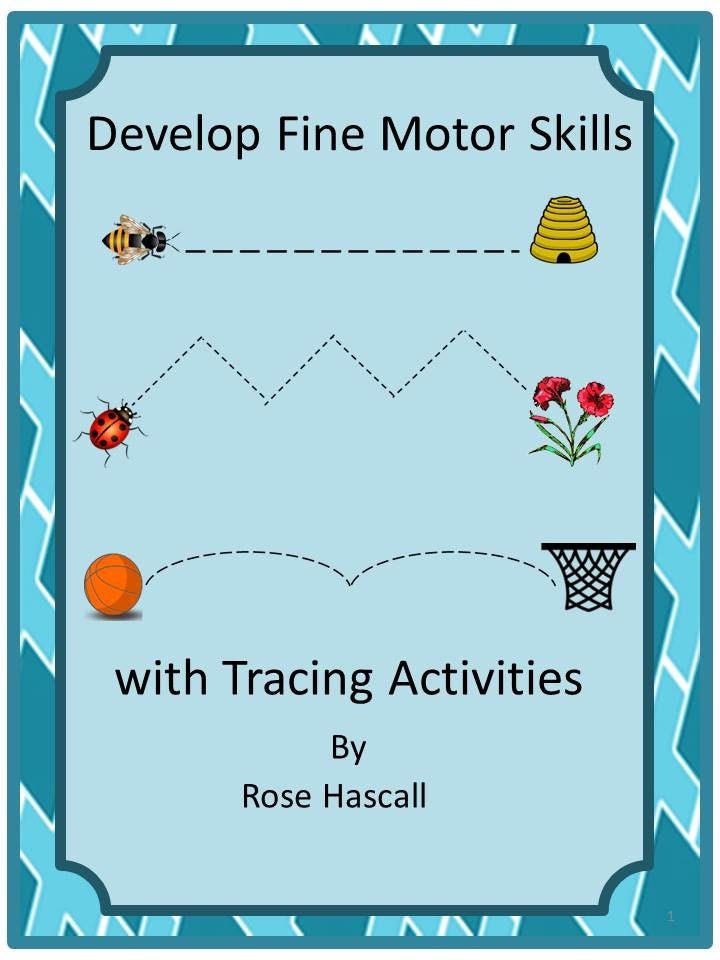
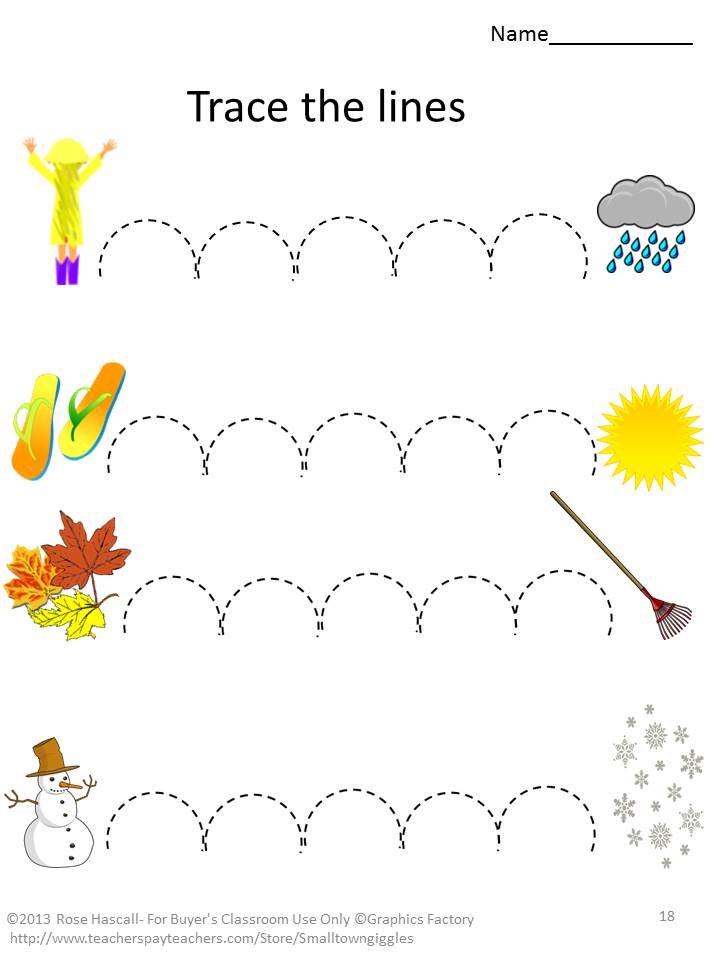
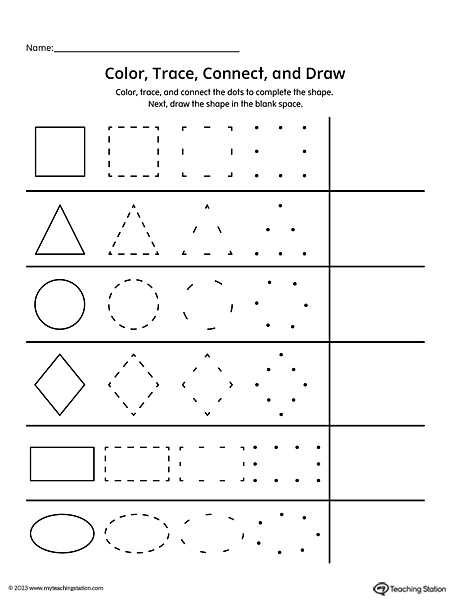
The free printable focuses on foundational pre-writing strokes, directional paths, and controlled motor movements designed specifically to accommodate diverse learners. It sounds simple, and that is precisely the point. By stripping away overwhelming visual clutter, these sheets present clear, high-contrast pathways that guide the hand from left to right or top to bottom. Children encounter a variety of tactile and visual trajectories, ranging from straight horizontal and vertical paths to gentle waves, zigzags, and looping curves. Each path is purposefully enlarged, featuring wider tracks and prominent starting points to assist learners with visual-spatial difficulties or dyspraxia. This targeted design encourages gradual pencil control without demanding immediate mastery of complex letter shapes. Educators and therapists often integrate these resources alongside broader tools found within Fine Motor and Pre-Writing Skills collections to ensure a well-rounded developmental progression.
Key Learning Outcomes
Engaging consistently with specialized tracing pathways yields profound benefits for early learners across multiple developmental domains. Children naturally strengthen the intrinsic muscles of the hand and fingers, which directly improves grasp endurance and pencil pressure regulation. Visual-motor integration sharpens as the eyes learn to track ahead of the hand, reinforcing spatial awareness and directional tracking essential for later reading and math. Learners also develop bilateral coordination, practicing how to stabilize the paper with one hand while the dominant hand executes controlled movements. Furthermore, navigating diverse geometric paths builds motor planning capabilities, allowing the brain to translate visual intentions into smooth physical actions. Over time, this repetitive, scaffolded practice translates into greater independence and reduced writing fatigue during academic tasks.
How to Use This Worksheet
Successful implementation relies on meeting the child at their exact current skill level rather than rushing toward a rigid standard of perfection. Begin by placing the worksheet on a slightly sloped surface or securing it firmly to the table with painter’s tape to prevent slipping, which is especially helpful for children managing low muscle tone or unilateral weakness. Allow tactile exploration before touching a writing utensil; invite the child to trace the lines using an index finger, a toy car, or a textured marker. According to the National Association for the Education of Young Children, developmentally appropriate practice emphasizes process over product, encouraging active engagement and exploration over a flawless finished page. As comfort increases, transition gradually from gross motor arm movements to smaller, more refined wrist and finger actions while utilizing resources from Shape and Line Tracing to maintain variety and engagement.
Practical Tips for Parents and Teachers
Here is what makes this worksheet different: it adapts seamlessly to unconventional grasps and sensory needs without forcing compliance. Adults should model correct grip casually while remaining flexible if a child uses an adapted grasp that still affords control and comfort. Scaffolding the activity is essential; if a continuous line proves too demanding, use a bright highlighter to segment the path or place tactile glue dots along the track to provide physical feedback. Extending the challenge is equally straightforward by encouraging children to trace the same path multiple times using different colors, transforming a simple line into a vibrant rainbow arc. Keep sessions brief, positive, and playful to ensure the child associates writing tasks with success and joy rather than stress or fatigue. For additional themed practice that keeps motivation high, consider exploring the materials available in Seasonal and Fun Themes.
Age-Appropriate Recommendations
Tailoring these exercises to chronological and developmental ages ensures meaningful progress without causing undue frustration. For toddlers and preschoolers ages two to four, align practice with the foundational milestones outlined in the CDC developmental milestones framework, focusing on vertical and horizontal stroke imitation rather than precise letter formation. At this stage, thicker writing tools like crayons, short pencils, or paintbrushes help compensate for developing grip strength. For children ages five to eight who experience learning differences, occupational therapy approaches such as Handwriting Without Tears principles are invaluable for breaking complex letters down into simple vertical, horizontal, and diagonal lines. Older children benefit greatly from using these foundational paths as a sensory warm-up before attempting more structured writing tasks found within Tracing Worksheets.
Foundational fine motor control and visual-motor integration are critical prerequisites for successful handwriting and daily functional independence. — American Occupational Therapy Association
Frequently Asked Questions
Explore More Free Printable Tracing Worksheets
Supporting a child’s journey toward confident writing requires a diverse toolkit of accessible, engaging, and thoughtfully designed materials. Every learner progresses at an individualized pace, benefiting from targeted repetition and variety that keeps curiosity alive. The complete resource library at KidTraces.com offers an extensive selection of free printables tailored to every stage of early childhood development. Caregivers and educators can effortlessly discover complementary activities by browsing the main index of General Kidtraces to find everything necessary for fostering lifelong literacy and fine motor success.
Developmental Milestone & Activity Table
| Development Stage | Recommended Daily Duration | Primary Learning Objective |
|---|---|---|
| Preschool & Pre-K | 10 – 15 Minutes | Pencil grip development & basic pre-stroke lines |
| Kindergarten | 15 – 20 Minutes | Letter/number formation & spatial line awareness |
| Early Elementary (Grade 1–2) | 20 – 30 Minutes | Fluency, sentence construction & neatness |
Images References