Introduction
Many children recognize letters long before their fine motor skills can comfortably form them on paper, creating an early gap between cognitive readiness and physical execution. According to the American Occupational Therapy Association, foundational fine motor control, hand strength, and bilateral coordination are critical precursors to functional handwriting and academic success. Bridging this gap requires engaging, low-pressure practice materials that capture the interest of active learners. The sporttracing lines sports theme worksheet transforms necessary pencil control exercises into an exciting athletic journey, motivating children to guide their pencils along paths shaped like soccer balls, basketball hoops, and racing tracks. Through purposeful play and targeted pre-writing practice, young learners build the intrinsic hand muscles required for lifelong writing fluency without the frustration of traditional, monotonous drill work.
💡 Educational Key Takeaways:
- Core Skill: Structured Sporttracing Lines Sports Theme focused on developing pencil grip, stroke control, and early literacy/math confidence.
- Target Scope: Suited for homeschoolers, preschool, kindergarten, and elementary learners.
- Best Recommendation: Practice 10–15 minutes daily with ergonomic writing tools to reinforce muscle memory without hand fatigue.
What This Worksheet Covers
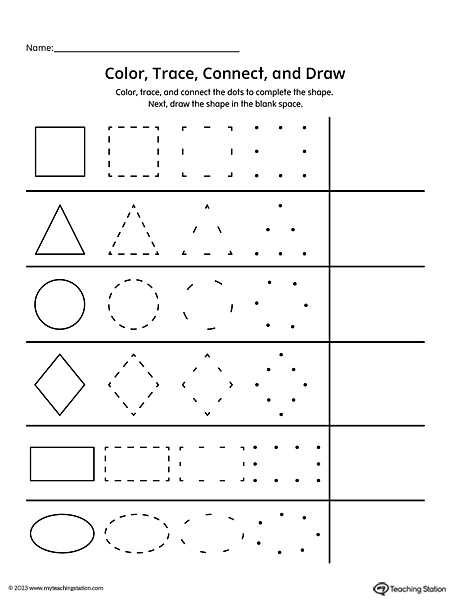
This printable resource focuses specifically on foundational pre-writing strokes, directional tracking, and visual-motor integration using dynamic athletic imagery. Children navigate horizontal, vertical, diagonal, zigzag, and looping paths that mimic the motion of a bouncing basketball, a soaring soccer ball, or a zooming race car. These lines systematically progress from simple straight tracks to complex intersecting curves, challenging the hand-eye coordination systems to maintain consistent pencil pressure and fluid motion. The layout removes visual clutter, allowing developing eyes to easily track from left to right while the hand follows the designated route. By embedding these essential strokes within an energetic context, learners naturally practice the exact directional habits and fluid wrist movements that eventually transition into forming letters and numbers found in broader Shape and Line Tracing practice routines.
Key Learning Outcomes
Consistent interaction with these athletic-themed tracing paths yields measurable growth across multiple developmental domains. Fine motor precision improves as small hand muscles stabilize to execute controlled curves and sharp angles. Visual tracking abilities strengthen significantly when eyes lead the hand smoothly across the page from left to right, establishing essential habits for early literacy. Spatial awareness deepens as learners judge distances between the start and finish points of each athletic track, enhancing spatial problem-solving skills. Additionally, children cultivate sustained attention span and task persistence by following a continuous line from a starting point to a rewarding finish line, reinforcing foundational self-regulation capacities vital for the early childhood classroom.
How to Use This Worksheet
Successful implementation relies on keeping the experience encouraging, flexible, and tailored to the individual child’s current developmental stage. Begin by presenting the sheet on a flat surface at a comfortable height where both feet rest flat on the floor, promoting core stability that directly supports hand control. Encourage children to trace the lines using thick crayons or short stubby pencils, which naturally encourage a functional tripod or quadrupod grasp by limiting finger crowding. According to the National Association for the Education of Young Children, active engagement through meaningful contexts significantly enhances skill retention in early childhood education. Adults can guide the pencil physically hand-over-hand during the first few attempts if resistance or stiffness occurs, gradually fading assistance as muscle memory and confidence take root.
Practical Tips for Parents and Teachers
Adults should model the correct grip openly, showing how three fingers pinch the writing utensil while resting comfortably against the side of the hand. Scaffolding the activity helps prevent early hand fatigue; if a child struggles with continuous long loops, slide a clear protective sheet over the printable and use dry-erase markers so mistakes wipe away instantly without stress. Extending the challenge can be as simple as having learners trace the athletic paths using a finger first to feel the motion kinesthetically before applying a writing tool. Praising the effort rather than perfection keeps the mindset growth-oriented, ensuring children view pencil control as a fun game rather than a chore. These versatile pages pair wonderfully with supplemental exercises found within Fine Motor and Pre-Writing Skills collections to build comprehensive hand strength.
Age-Appropriate Recommendations
For toddlers and preschoolers ages two to four, aligned with NAEYC Developmentally Appropriate Practice guidelines, focus primarily on thick, gentle curves and simple straight lines while encouraging vertical surface work like taping the sheet to an easel. This upright positioning naturally encourages wrist extension and shoulder stability, which are crucial biomechanical milestones for young writers. For children ages five to eight, the expectations shift toward precision, requiring tighter zigzags, intricate loops, and maintaining consistent pencil pressure throughout longer trajectories. At this older stage, the worksheet serves as an effective warm-up activity before transitioning into letter formation practice housed inside Seasonal and Fun Themes archives.
Fine motor precision and hand-eye coordination established through targeted pre-writing line tracing significantly predict later academic fluency and writing stamina. — American Occupational Therapy Association
Frequently Asked Questions
Getting started with these printables is straightforward and accessible for any learning environment. Clear answers to common questions help caregivers maximize the educational value of every single tracing session.
Explore More Free Printable Tracing Worksheets
Supporting a young learner’s journey from early pre-writing lines to confident handwriting takes a rich variety of engaging resources. Exploring complementary practice sheets ensures children never grow bored while mastering essential pencil control and literacy foundations. Discover the complete library of downloadable materials designed by educators and therapists by visiting the main collection at KidTraces.com for endless inspiration.
Developmental Milestone & Activity Table
| Development Stage | Recommended Daily Duration | Primary Learning Objective |
|---|---|---|
| Preschool & Pre-K | 10 – 15 Minutes | Pencil grip development & basic pre-stroke lines |
| Kindergarten | 15 – 20 Minutes | Letter/number formation & spatial line awareness |
| Early Elementary (Grade 1–2) | 20 – 30 Minutes | Fluency, sentence construction & neatness |
Images References