Introduction
Watch any group of preschoolers attempt to write their names, and a striking pattern emerges immediately. Many children recognize letters, grasp concepts, and hold vivid imaginations long before their tiny hands possess the physical endurance required to form precise lines on paper. According to the American Occupational Therapy Association, foundational fine motor control and visual-motor integration must develop steadily through purposeful play and targeted practice before complex writing tasks become comfortable. Early educators and pediatric occupational therapists constantly search for accessible tools that bridge this physical gap without causing frustration. Enter the triango circle square worksheet, a brilliantly simple resource designed to target foundational hand control. It sounds simple, and that’s the point. By focusing on fundamental geometric shapes rather than rushing straight into dense alphabet drills, this printout addresses the exact visual-motor skills needed for future literacy and writing success. Many classrooms and home learning spaces rely on Shape and Line Tracing activities to build this essential bridge between cognition and muscle memory.
💡 Educational Key Takeaways:
- Core Skill: Structured Triango Circle Square Worksheet focused on developing pencil grip, stroke control, and early literacy/math confidence.
- Target Scope: Suited for homeschoolers, preschool, kindergarten, and elementary learners.
- Best Recommendation: Practice 10–15 minutes daily with ergonomic writing tools to reinforce muscle memory without hand fatigue.
What This Worksheet Covers
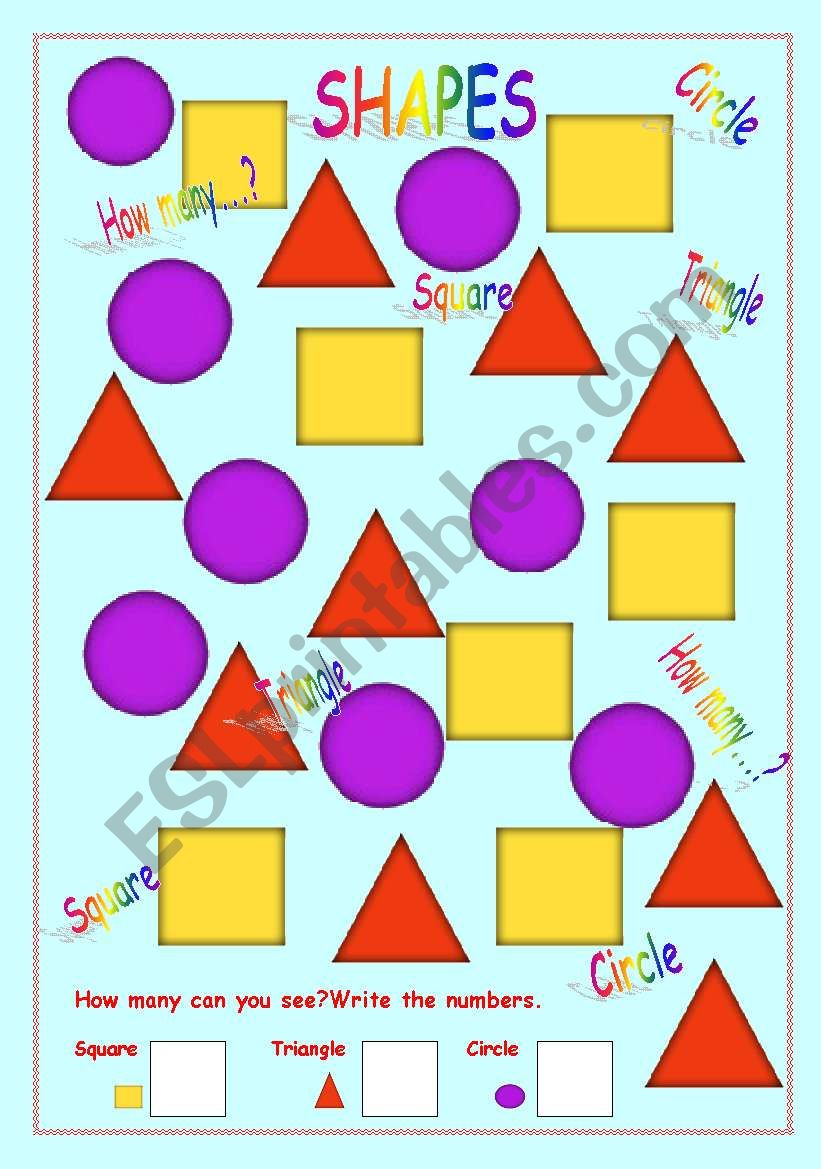
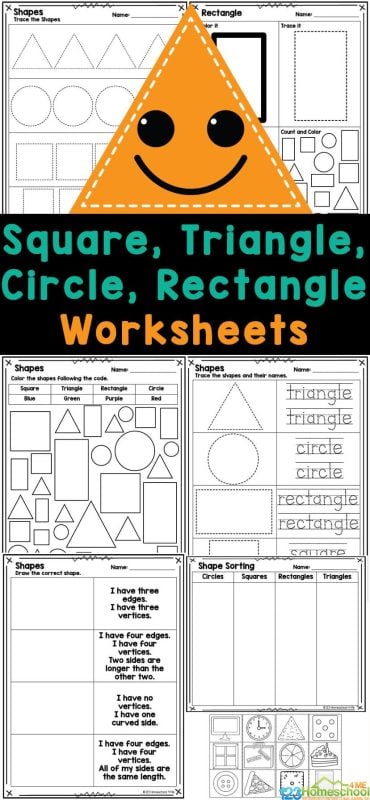
The triango circle square worksheet focuses on the core building blocks of visual-motor integration and pencil manipulation. Triangles, circles, and squares serve as the foundational strokes required for almost every letter in the alphabet and every numeral in mathematics. When a child traces a circle, the hand executes a continuous curved movement that later becomes the letter ‘o’ or the loop of a ‘g’. Drawing a square requires distinct stopping points, intentional corner navigation, and sharp 90-degree angle changes, mimicking the motor planning necessary for letters like ‘L’, ‘E’, and ‘H’. Triangles demand diagonal control, requiring the wrist and fingers to work in diagonal planes that challenge typical vertical and horizontal habits. Every single shape on this page acts as a stepping stone for pencil control. It builds the necessary visual perception to distinguish between similar figures and trains the hand muscles to obey visual commands from the brain.
Key Learning Outcomes
Working through these geometric outlines fosters remarkable growth in several developmental domains simultaneously. Children rapidly improve their bilateral coordination, holding the paper steady with one hand while the dominant hand executes the tracing motion across the page. Hand-eye coordination sharpens as the visual system guides the pencil tip precisely along the dotted pathway, reducing visual-spatial errors. Muscle memory solidifies through repetition, allowing small hands to master clockwise and counterclockwise rotational patterns naturally. Furthermore, sustained attention span increases organically because the structured layout provides a clear visual beginning, middle, and end for every single tracing task. These outcomes combine to form a rock-solid foundation for future academic tasks, ensuring that advanced motor demands will not overwhelm the learner.
How to Use This Worksheet
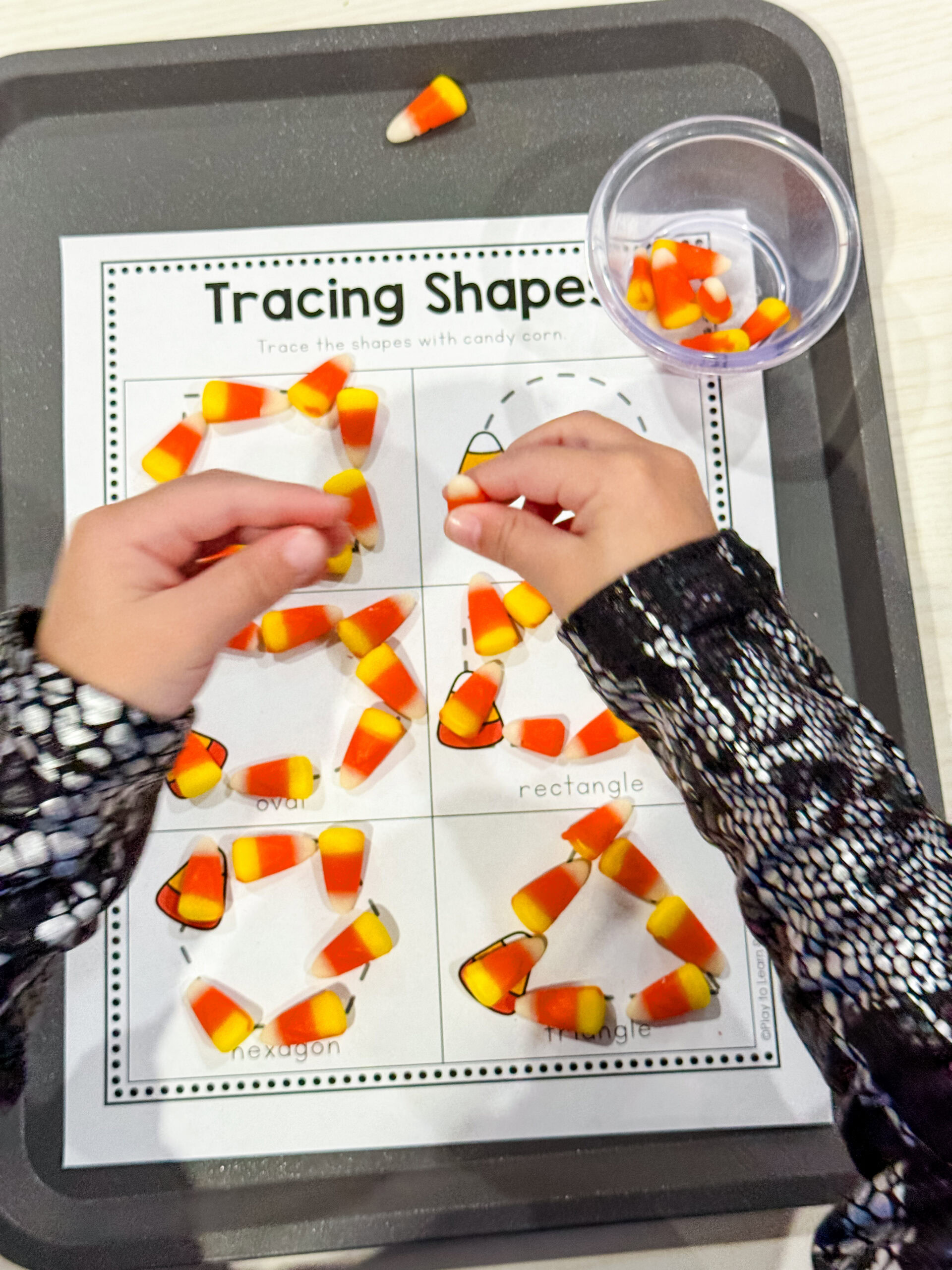
Facilitating this activity requires careful observation and a supportive environment rather than rigid perfection. Adults should introduce the page as a playful drawing game rather than a formal test of ability, keeping stress levels low and engagement high. Placing the paper on a flat, non-slip surface prevents unnecessary shifting, which often frustrates young learners whose stabilizing skills are still emerging. Encouraging children to trace the shapes slowly with an index finger before picking up a writing utensil activates the tactile system, preparing the brain for the upcoming visual-motor challenge. Providing short, thick writing tools like broken crayons or golf pencils naturally encourages a functional grasp, preventing early hand fatigue and discouraging awkward fist grips that hinder fluid movement later.
Practical Tips for Parents and Teachers
Scaffolding the learning process makes a massive difference in how children experience early writing practice. Modeling proper stroke directionality on a nearby whiteboard helps visual learners grasp where to start and which way to travel along the dotted lines. When a child struggles to maintain control, gently guiding the hand through the first couple of repetitions provides the kinesthetic feedback necessary for independent success. According to the National Association for the Education of Young Children, young children learn best through active, hands-on exploration integrated with supportive adult interaction. Teachers and parents can extend the activity by asking children to identify real-world objects in the room that match the shapes on the page, connecting abstract pencil strokes to concrete physical environments. For broader skill development, pairing these geometry exercises with Fine Motor and Pre-Writing Skills materials ensures a well-rounded approach to early childhood preparation.
Age-Appropriate Recommendations
Developmental expectations must always guide how adults implement these printables across different age groups. For children ages two to four, the focus belongs squarely on gross-to-fine motor transitions, occasionally using chunky crayons and accepting approximate lines as wonderful signs of progress, aligning closely with typical early childhood milestones. Children ages five to eight, operating within the framework of foundational educational standards, should be encouraged toward greater precision, proper pencil posture, and deliberate starting points at the top left of each shape. For older preschoolers stepping up to more comprehensive tasks, integrating resources from Tracing Worksheets helps maintain high motivation and steady skill progression.
Foundational fine motor control and visual-motor integration must develop steadily through purposeful play and targeted practice before complex writing tasks become comfortable. — American Occupational Therapy Association
Frequently Asked Questions
Explore More Free Printable Tracing Worksheets
Supporting a young child on the journey toward confident handwriting takes patience, time, and a rich variety of engaging resources. Every child moves at an individual pace, mastering pencil control and spatial awareness through repeated, low-pressure exposure to fun tracing activities. Exploring the full library of resources available at KidTraces.com provides endless opportunities to nurture these vital developmental milestones without ever overwhelming the learner. Discover wonderful supplementary printables designed to make early education joyful, accessible, and remarkably effective for every single child.
Developmental Milestone & Activity Table
| Development Stage | Recommended Daily Duration | Primary Learning Objective |
|---|---|---|
| Preschool & Pre-K | 10 – 15 Minutes | Pencil grip development & basic pre-stroke lines |
| Kindergarten | 15 – 20 Minutes | Letter/number formation & spatial line awareness |
| Early Elementary (Grade 1–2) | 20 – 30 Minutes | Fluency, sentence construction & neatness |
Images References